BA Surgery: Breast Augmentation and Recovery
BA surgery usually refers to breast augmentation, a procedure that uses implants to increase breast volume or adjust breast shape and symmetry. It is commonly performed as an outpatient operation, but safe results depend on appropriate candidacy, skilled surgical planning, and careful recovery instructions.
What BA Surgery Means and How It Works
BA surgery is a commonly used search term for breast augmentation surgery. Breast augmentation is an elective plastic surgery procedure that changes breast size, fullness, or shape by placing breast implants. It may be chosen to restore volume after pregnancy or weight changes, improve noticeable asymmetry, reconstruct a breast after medical treatment, or help a person feel more comfortable with their proportions.
The procedure usually involves either silicone gel or saline implants. Silicone gel implants often feel more like natural breast tissue, while saline implants are filled with sterile salt water after placement. The most suitable implant type, shape, size, profile, and surface are personal decisions made with a qualified plastic surgeon after discussing body proportions, tissue coverage, lifestyle, and desired appearance.
BA surgery is different from a bariatric surgery recovery process or a back surgery recovery process. Recovery guidance for one procedure should not be applied to another: for example, a back surgery rehab protocol and back surgery and recovery time depend on the specific spinal condition and operation. Someone searching for b a surgery should confirm that the information concerns breast augmentation before using it to plan care.
Candidacy and Preoperative Planning
Good candidates for breast augmentation are generally adults in stable overall health who understand both the potential benefits and the limitations of implants. They should have realistic goals and be prepared for follow-up appointments, possible imaging, and the possibility of future implant-related procedures. A consultation should be a two-way discussion rather than simply a choice of cup size.
The surgeon reviews medical history, current medicines and supplements, allergies, smoking or nicotine use, prior breast surgery, family history, and any breast symptoms. A breast examination is performed, and imaging may be recommended when indicated by age, symptoms, medical history, or local breast-screening guidance. Pregnancy, breastfeeding, uncontrolled medical conditions, or active infection may mean that surgery should be delayed.
During planning, the surgeon explains incision options, implant placement, expected scars, and whether a breast lift may be more appropriate or may need to be combined with augmentation. Implants add volume but do not reliably correct significant skin laxity or drooping. Stopping smoking and nicotine products as directed is important because nicotine can impair blood flow and wound healing.
BA Surgery Step by Step
Breast augmentation is usually performed under general anesthesia and commonly allows the patient to return home the same day with a responsible adult. Before surgery, the surgeon confirms the agreed plan, marks the breast area while the patient is upright, and reviews important safety information. The exact steps vary according to the implant type, anatomy, and whether another procedure, such as a breast lift, is being performed.
The surgeon makes a carefully planned incision, often in the breast crease, around part of the areola, or less commonly in the underarm area. A pocket is then created either behind the breast tissue, partly under the chest muscle, or under the muscle and its surrounding tissues. The implant is placed in the pocket, its position and symmetry are assessed, and the incision is closed with sutures and dressings.
After the procedure, patients spend time in a recovery area while the anesthesia wears off. The care team provides written instructions about wound care, showering, prescribed medicines, the supportive bra or garment, activity restrictions, and follow-up visits. It is important not to compare healing too closely with another person’s experience, because swelling, discomfort, and settling vary between individuals.
Breast Implant Recovery Timeline
During the first one to three days, it is common to have pressure, tightness, swelling, bruising, and soreness in the chest. Temporary changes in nipple or breast sensation can also occur. Patients should take medicines only as prescribed or recommended by their surgical team, drink fluids, eat as tolerated, and have support at home after anesthesia.
Gentle, short walks are usually encouraged from the day of surgery or soon afterward to support circulation and reduce stiffness. However, patients should avoid strenuous exercise, heavy lifting, repetitive arm movements, and activities that raise the heart rate until their surgeon says it is safe. Driving should wait until the person is no longer taking medicines that impair alertness and can comfortably control a vehicle.
Many people return to light, non-physical daily activities within several days to around a week, but the timing depends on pain control, work demands, and the details of surgery. More demanding exercise, lifting, and chest-focused training generally need a longer pause and should be resumed gradually under the surgeon’s instructions. Follow-up visits allow the surgical team to check incision healing and implant position.
Breasts may initially sit higher and feel firmer than expected because of swelling and muscle tightness. Over the following weeks to months, swelling reduces and the implants settle into a more natural position. Final results are influenced by healing, skin quality, implant selection, and changes over time such as aging, weight fluctuation, pregnancy, or hormonal changes.
Benefits, Risks and Long-Term Results
Potential benefits of breast augmentation include increased breast volume, improved contour, better symmetry, and restored fullness. Some patients find that clothing fits differently or that they feel more comfortable with their appearance. Results are individual, and surgery cannot guarantee a particular bra size, eliminate all natural asymmetry, or prevent future changes in breast shape.
As with any operation, risks include bleeding, infection, anesthesia-related complications, delayed wound healing, noticeable scars, altered sensation, and unsatisfactory cosmetic results. Implant-specific concerns include capsular contracture, in which scar tissue tightens around an implant; implant movement; rippling; rupture or leakage; and the possibility of further surgery. Breast implants are not considered lifetime devices, so replacement or removal may be needed at some point.
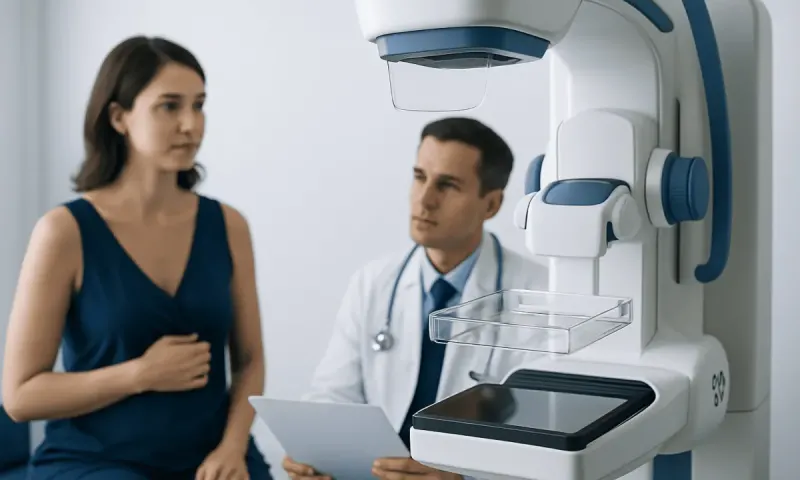
Patients should discuss rare but important implant-associated conditions with their surgeon, including breast implant-associated anaplastic large cell lymphoma, which has been linked predominantly to textured implants. New persistent swelling, a lump, pain, or a significant shape change around an implant should be assessed. People with implants should continue age-appropriate breast screening and tell the imaging center about their implants, as special mammography views may be used.
Common Questions About Breast Augmentation Recovery
What’s the worst day after breast augmentation?
For many patients, discomfort and tightness are most noticeable during the first two to three days, sometimes including the day after surgery when swelling becomes more apparent. There is no universal worst day, and pain that is worsening rather than gradually improving should be discussed with the surgical team. Following the prescribed recovery plan and avoiding unnecessary exertion can make this early period more manageable.
What is the hardest plastic surgery to recover from?
There is no single procedure that is objectively the hardest for every person to recover from. Recovery depends on the extent of surgery, the number of areas treated, anesthesia, pain tolerance, existing health conditions, support at home, and complications. Operations involving multiple body areas, extensive reconstruction, or major muscle repair may require more prolonged recovery than a straightforward breast augmentation, but every procedure should be considered individually.
How long is bed rest after breast implants?
Strict bed rest is not routinely recommended after breast implants. Rest is important on the day of surgery, but patients are usually advised to get up for brief, gentle walks as directed by their surgeon. They should avoid strenuous activity and lifting, rather than avoid all movement, because safe early mobility is generally part of recovery.
Are breasts saggy after implant removal?
Breasts can appear less full, looser, or more drooped after implant removal, particularly if the implants were large, had been in place for many years, or the skin has lost elasticity. The degree of change varies with natural breast tissue, age, pregnancy history, weight changes, and skin quality. Some people are satisfied with removal alone, while others may consider a breast lift after a detailed discussion with a plastic surgeon.
When to Seek Medical Care
Most early bruising, mild swelling, and discomfort improve gradually, but patients should contact their surgical team promptly if they have increasing redness, warmth, drainage from an incision, fever, worsening pain, sudden marked swelling on one side, or concerns about wound opening. It is always appropriate to call the care team when recovery does not feel as expected.
Urgent medical care is needed for symptoms such as chest pain, shortness of breath, fainting, or severe sudden illness. Months or years after surgery, persistent swelling around an implant, a new breast or armpit lump, ongoing pain, or a change in breast shape also warrants medical evaluation. Acıbadem Health Point’s multidisciplinary specialists and JCI-accredited hospitals provide assessment and treatment for international patients who need breast-related surgical care.
Frequently asked questions
01Can a person breastfeed after breast augmentation?
Many people can breastfeed after breast augmentation, but it cannot be guaranteed. Milk production may be affected by incision location, implant placement, prior breast surgery, and whether nerves or milk ducts are affected, so this should be discussed during the consultation.
02When can exercise resume after breast augmentation?
Gentle walking is commonly started early, but strenuous exercise and heavy lifting should wait for the surgeon's approval. The return to exercise is gradual and depends on healing, implant placement, and the type of activity, particularly for upper-body or high-impact exercise.
03Do breast implants need to be replaced every 10 years?
Breast implants do not automatically need replacement at a fixed 10-year point. However, they are not lifetime devices, and replacement or removal may become necessary because of rupture, capsular contracture, position changes, personal preference, or other concerns.
04Will breast implants affect mammograms?
Breast implants can make some breast tissue harder to view on a standard mammogram, but imaging centers can use additional implant-displacement views. Patients should tell the imaging team about their implants and continue recommended breast cancer screening.
05Can breast augmentation be combined with a breast lift?
Yes, breast augmentation and a breast lift can sometimes be performed together when a person wants more volume and has significant breast drooping. Combining procedures is not suitable for everyone, so the surgeon considers skin quality, nipple position, healing risks, and the desired result.
06How should a person sleep after breast augmentation?
Many surgeons recommend sleeping on the back with the upper body slightly elevated during the early recovery period to limit pressure and swelling. Sleeping on the stomach should be avoided until the surgeon confirms that healing and implant position allow it.
This article is for general information only and is not a substitute for professional medical advice. Please consult a qualified doctor about your individual situation.
Medical weight-loss options in Turkey — costs & eligibility
JCI-accredited · board-certified surgeons · reply within 24h
Add us as a Preferred Source to see more of our trusted health content across Google Search, AI Overviews and Discover.