Lumpectomy Procedure: Removing a Breast Tumor
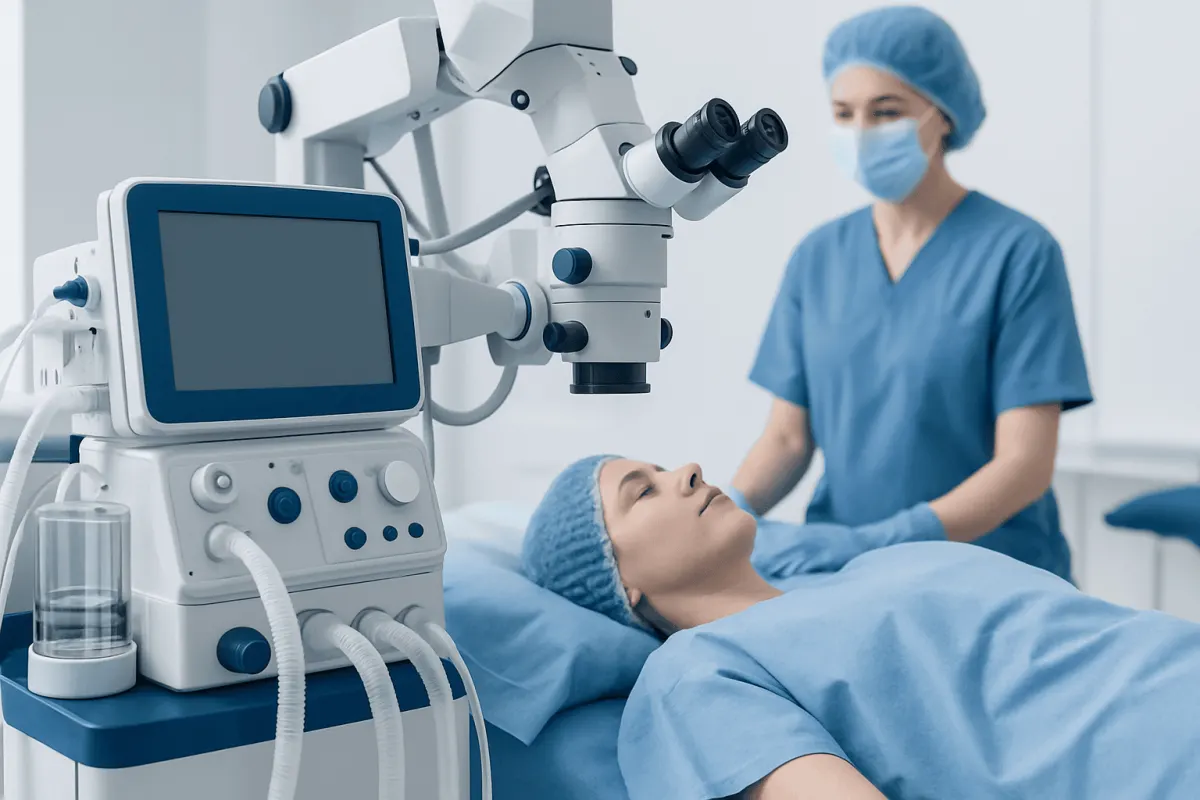
A lumpectomy procedure, also called breast-conserving surgery, removes a breast tumor and a small margin of nearby tissue while preserving as much of the breast as possible. Most people go home the same day, resume gentle activity within days, and receive pathology results within about one to two weeks.
Lumpectomy procedure: what it involves
A lumpectomy procedure is an operation that removes a breast lump or cancer along with a small amount of normal-looking tissue around it. It is also called breast-conserving surgery, wide local excision, partial mastectomy, or segmental mastectomy. Its aim is to remove the area of concern while retaining as much healthy breast tissue as safely possible.
It is most often used for early-stage breast cancer, including some cases of ductal carcinoma in situ (DCIS), and for selected non-cancerous but concerning findings. Whether lumpectomy is appropriate depends on the size and location of the tumor, breast size, whether there is more than one area of cancer, genetic factors, prior radiation exposure, and personal preferences. It is one option within the broader care of breast cancer.
For many people, lumpectomy is followed by radiation therapy to the remaining breast tissue. Radiation lowers the chance of cancer returning in that breast and is an important part of breast-conserving treatment for many, though recommendations are individualized.
Before and during the operation
Before surgery, the care team reviews imaging, biopsy findings, medicines, allergies and overall health. Blood tests or additional imaging may be needed. People are usually asked to discuss medicines that affect bleeding, including prescription anticoagulants, aspirin, supplements and anti-inflammatory drugs, because changes should only be made under medical guidance.
If a lump cannot be felt easily, a radiologist may place a small wire, seed, reflector, or other marker to help the surgeon locate it precisely. If invasive cancer is present, the surgeon may also recommend a sentinel lymph node biopsy. This checks one or a few first-draining lymph nodes for cancer cells and can help guide further treatment.
Lumpectomy is usually performed under general anesthesia, so the patient is asleep and does not feel pain during surgery. The surgeon makes an incision planned to provide access while considering breast shape and healing, removes the targeted tissue, and sends it to a laboratory. The incision is closed with sutures, skin adhesive, or both. The operation is often an outpatient procedure, although some patients need a longer observation period.
Oncoplastic techniques may be considered when a larger volume of tissue needs to be removed or when tumor location makes breast shape more challenging to preserve. These techniques combine cancer surgery with reconstructive principles and may be planned with a breast or plastic surgeon.
Recovery after lumpectomy

After the procedure, it is common to have soreness, bruising, mild swelling, numbness near the incision, and temporary changes in breast shape. If lymph nodes were sampled, there may also be tightness or discomfort in the underarm. These effects usually improve progressively, but healing time differs from person to person.
The surgical team provides individualized instructions about wound care, showering, dressings, supportive bras, medicines and follow-up. Keeping the incision clean and dry as directed, wearing a comfortable supportive bra if advised, and taking prescribed or recommended pain relief can make recovery more comfortable. Heavy lifting, vigorous exercise and repetitive arm movements may need to be limited initially.
Gentle walking is often encouraged soon after surgery because it supports circulation and general recovery. Shoulder and arm mobility exercises may be advised, especially after lymph node surgery. Patients should not drive until they can move comfortably, are no longer using sedating pain medicines, and can safely perform an emergency stop.
Most people receive follow-up information from their surgeon and oncology team after the pathology report is complete. Further treatment may include radiation, hormone therapy, chemotherapy, targeted therapy, immunotherapy, additional surgery, or a combination, based on the final diagnosis and tumor characteristics.
How long should I rest after a lumpectomy?
Most people need a few days of relative rest after a lumpectomy, but complete bed rest is usually not necessary. Light walking and basic daily activities can often restart within a day or two, provided the person feels well and follows their surgeon’s instructions. Fatigue may last longer if the operation included lymph node surgery, if there are other health conditions, or if further treatment begins soon afterward.
Many patients return to desk-based work and lighter routines within about one to two weeks, while jobs involving lifting, strenuous activity, or extensive arm use may require more time. The surgeon may recommend avoiding heavy lifting and high-impact exercise for several weeks. Recovery should be paced according to pain, energy levels, wound healing and the specific procedure performed.
It is important not to judge recovery by a fixed timetable alone. A person should contact the surgical team if pain is worsening rather than improving, swelling is increasing, or normal activities remain difficult beyond the expected recovery period.
How soon after a lumpectomy do you get results?
Initial information may be available shortly after surgery, but the final pathology results commonly take about one to two weeks. The laboratory examines the removed tissue carefully to identify the diagnosis, tumor size, grade, receptor status when relevant, lymph node findings, and whether the edges of the removed tissue, called margins, are free of cancer.
A clear or negative margin means there are no cancer cells at the outer edge of the specimen. If cancer cells are found at or very close to a margin, the surgeon may discuss whether another operation is needed to remove additional tissue. The decision depends on the type of cancer, margin findings, planned radiation and other individual factors.
At the postoperative appointment, the team explains the report in plain language and discusses next steps. It can be helpful for patients to bring a support person, write down questions beforehand, and ask for a copy of the pathology report for their records.
What percentage of breast cancer comes back after a lumpectomy?
There is no single percentage that applies to everyone because the chance of breast cancer returning after lumpectomy depends on the cancer type and stage, lymph node involvement, tumor biology, surgical margins, age, genetic factors and additional treatments. The relevant concern after lumpectomy is often local recurrence, meaning cancer returns in the treated breast or nearby area.
For appropriately selected patients, lumpectomy followed by radiation therapy has long-term survival outcomes comparable to mastectomy. Radiation and recommended systemic treatments, such as endocrine therapy for hormone receptor-positive cancers or other medicines selected by an oncology team, reduce recurrence risk further. Modern treatment plans are tailored using pathology and, when appropriate, genomic or biomarker testing.
Follow-up care usually includes regular clinical visits and breast imaging, often annual mammography, according to the treating team’s plan. A new lump, persistent breast change, skin change, or nipple discharge should be evaluated, but most new symptoms do not automatically mean cancer has returned.
What do I need at home after a lumpectomy?
Preparing a simple recovery area before surgery can reduce stress. Useful items include comfortable front-opening clothing, a supportive soft bra if recommended, easy-to-prepare meals, drinking water, commonly used personal items within easy reach, and a thermometer. A small pillow can provide comfort in the car or when protecting the surgical area during sleep.
It is also helpful to arrange transport home and, if possible, support from a family member or friend for the first day or two. Patients should have their written discharge instructions, contact numbers for the surgical team, and a list of current medicines available. Pain medicines should be used only as directed, particularly if they may cause drowsiness or constipation.
Wound supplies vary. Some patients need only the original dressing and no special materials, while others may be asked to use gauze or follow drain-care instructions. It is best not to buy extensive supplies in advance; the surgical team should specify what is needed for the individual incision and dressing plan.
When to seek medical care
Patients should contact their surgical team promptly for fever, rapidly increasing swelling, worsening redness or warmth around the incision, pus-like or foul-smelling drainage, bleeding that does not stop with directed pressure, or pain that is not controlled by the recommended plan. A breast that becomes suddenly much larger, firmer or more painful should also be assessed.
Urgent medical care is needed for symptoms such as chest pain, shortness of breath, fainting, severe allergic symptoms, or sudden swelling and pain in an arm or leg. These symptoms are uncommon, but prompt assessment is important.
Emotional recovery also matters. Worry about pathology, body image, treatment decisions, or recurrence is common after breast surgery. Speaking with the oncology team, a counselor, a breast care nurse, or a support group can help. Acıbadem Health Point’s multidisciplinary specialists and JCI-accredited hospitals support diagnosis and treatment planning for international patients requiring breast cancer care.
Frequently asked questions
01Is lumpectomy a major surgery?
Lumpectomy is generally less extensive than mastectomy because it removes the tumor and surrounding tissue rather than the whole breast. It is still surgery requiring anesthesia, wound care and follow-up, and its impact can be greater when lymph nodes are also examined or reconstruction techniques are used.
02Is radiation always needed after a lumpectomy?
Radiation is commonly recommended after lumpectomy because it reduces the likelihood of cancer returning in the treated breast. However, it may be omitted in selected situations based on age, tumor type, size, margins, other treatments and overall health. The radiation oncologist and breast team can explain the recommendation for the individual patient.
03Will a lumpectomy change the shape of the breast?
It can. The degree of change depends on the size and location of the tissue removed, breast size, healing and whether radiation is given. Surgeons may use incision planning or oncoplastic techniques to help preserve breast contour when appropriate.
04Can cancer be found in the lymph nodes after lumpectomy?
Yes, if invasive breast cancer is present, cancer cells can sometimes be found in nearby lymph nodes. A sentinel lymph node biopsy may be performed during lumpectomy to assess this. The result helps the oncology team determine staging and treatment recommendations.
05Can I sleep on my side after a lumpectomy?
Many people find it more comfortable to sleep on their back or the opposite side for the first several days. A pillow for support may reduce pressure on the surgical area. The person can gradually return to their preferred position when comfortable, unless their surgeon gives different advice.
06What happens if lumpectomy margins are not clear?
If cancer cells are present at the edge of the removed tissue, the surgeon may recommend re-excision surgery to remove more tissue. In some circumstances, other options may be discussed depending on the pathology findings and planned treatment. The care team will explain why a particular approach is recommended.
This article is for general information only and is not a substitute for professional medical advice. Please consult a qualified doctor about your individual situation.
Oncology care in Turkey — second opinion and treatment plan
JCI-accredited · board-certified surgeons · reply within 24h
Add us as a Preferred Source to see more of our trusted health content across Google Search, AI Overviews and Discover.