Radiation After Breast-Conserving Surgery: What International Patients Need to Plan For

Key Takeaways
- Radiation is commonly recommended after lumpectomy to reduce local recurrence risk.
- Treatment planning is individualized based on tumor features, surgery results, and overall health.
- Most patients can continue daily activities, but fatigue and skin changes may occur.
- International patients should plan for appointments, imaging, skin care, and follow-up before traveling.
- Questions about timing, flight plans, and coordination with home doctors should be discussed early.
Radiation therapy is often part of breast-conserving treatment because it helps lower the chance of cancer returning in the treated breast. For international patients, planning includes understanding the schedule, expected side effects, timing around travel, and how follow-up care will continue after returning home.
Overview
After breast-conserving surgery, often called lumpectomy or partial mastectomy, radiation therapy is frequently used as the next step in treatment. The aim is not to replace surgery, but to strengthen it by treating microscopic cancer cells that may remain in the breast tissue even when the operation appears to have removed the tumor completely.
For many people, this stage is the part of the journey that requires the most practical planning. International patients may be arranging treatment across borders, balancing time away from home, and thinking ahead about recovery, work, and follow-up. Clear expectations can make the process feel more manageable and help the treatment fit into real life rather than interrupt it unexpectedly.
Radiation after breast-conserving surgery is usually recommended as part of an overall oncology plan developed by a multidisciplinary team. That team may include a surgical oncologist, radiation oncologist, medical oncologist, imaging specialists, and nurses who coordinate the schedule and support side effect management.
Why radiation is recommended after breast-conserving surgery
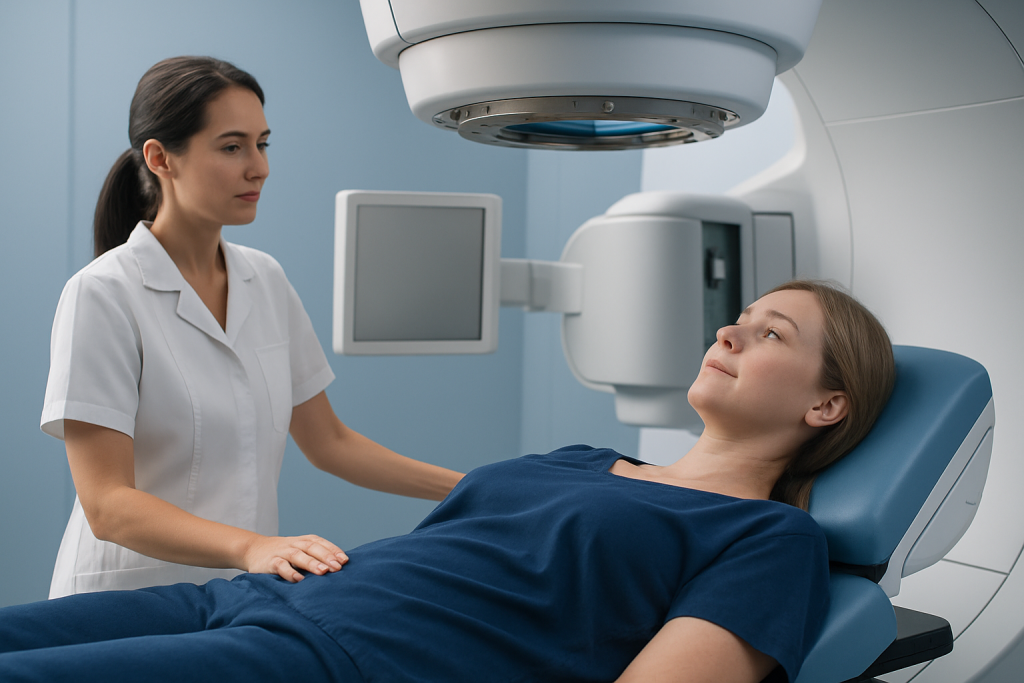
Breast-conserving surgery removes the visible tumor while keeping most of the breast. Because breast tissue remains in place, radiation is commonly used to reduce the chance that cancer cells in the area will grow again. This is one reason breast-conserving surgery is often paired with radiation rather than used on its own.
The recommendation depends on several features of the cancer and the surgery report. These may include tumor size, lymph node involvement, whether the margins are clear, the tumor subtype, and whether the cancer is hormone receptor positive or negative. A doctor may also consider age, other health conditions, and how much benefit radiation is likely to add in a particular case.
In some situations, radiation may be given to the whole breast, and in others a more focused approach may be considered. Some patients may also need treatment to nearby lymph node areas if there is concern that cancer cells could have spread beyond the original site.
What treatment planning looks like

Radiation planning usually begins with a consultation and a simulation appointment. During simulation, the care team creates a treatment position that can be repeated accurately each day. Imaging is often used to map the breast and surrounding structures so the radiation fields can be designed carefully.
For international patients, this phase matters because it helps define how long the treatment visit will last and what kind of return visits may be needed. Depending on the treatment approach, radiation may be delivered over several weeks or, in selected cases, a shorter schedule. The exact plan is based on the tumor details, healing after surgery, and the radiation oncologist’s assessment.
Patients are often asked about previous surgeries, implants, other cancer treatments, and whether they can lie comfortably in the treatment position. If translation or travel coordination is needed, it is useful to handle it during planning rather than after treatment has already started.
Common side effects and how they usually feel
Most side effects from breast radiation are localized to the treated area and develop gradually. Skin in the field may become pink, warm, dry, or itchy, similar to a sunburn. Some people notice tenderness, mild swelling, or a pulling sensation in the breast or underarm.
Fatigue is another frequent experience, especially as treatment progresses. It is usually not the same as the tiredness from a long flight or a poor night’s sleep; it can feel more persistent and may improve with rest, light activity, hydration, and pacing. Some people also notice firmness or sensitivity in the breast tissue over time.
Less commonly, radiation can affect nearby tissues such as the lung or heart, depending on the side treated and the technique used. Modern planning is designed to reduce these risks, which is one reason detailed imaging and precise positioning are so important.
- Skin changes: redness, dryness, itching, peeling
- Breast changes: swelling, tenderness, firmness
- Energy changes: fatigue that may build over the course of treatment
- Less common but important: cough, shortness of breath, chest discomfort, or persistent swelling
Who may need a different approach
Not every patient follows the same radiation path. In older adults with very small, low-risk tumors, a doctor may sometimes discuss whether radiation adds enough benefit to justify the inconvenience and side effects. In contrast, patients with higher-risk features are more likely to be advised to complete radiation because the protective effect is greater.
Some people need extra consideration because of prior radiation to the chest, connective tissue disease, pregnancy, or difficulty lying flat for the treatment position. Others may have reconstruction-related questions or concerns about healing after surgery. These situations do not automatically rule out radiation, but they can change the timing or the technique.
International patients should mention any prior treatment received in another country, including pathology reports, imaging discs, and operative notes. Those records help the radiation team avoid repeating tests unnecessarily and make a safer, more efficient plan.
How patients can prepare before travel and during treatment
Preparation begins before the first appointment. It helps to gather surgery reports, pathology results, medication lists, allergies, prior imaging, and any notes from oncologists or surgeons. If treatment will be delivered in another country, having these records translated or organized in advance can reduce delays.
During treatment, everyday planning can make a real difference. Clothing that is loose and soft can prevent irritation to the skin. Gentle washing, avoiding harsh products on the treated area, and following the care team’s skin instructions can help the area stay comfortable. A patient may also want to plan lighter schedules on treatment days, especially if commuting to the hospital.
After treatment, follow-up may continue with both the treating center and the home physician. That can include surveillance imaging, symptom review, and coordination around hormone therapy or other systemic treatments if they are part of the overall cancer plan. For many international patients, knowing who will monitor what, and when, brings welcome clarity.
When to see a doctor
Patients should contact their oncology team if skin reactions become severe, if there is open blistering, marked swelling, fever, or signs of infection. New or worsening shortness of breath, chest pain, a persistent cough, or significant breast swelling should also be reviewed promptly.
It is also worth speaking with a doctor if side effects interfere with sleep, mobility, nutrition, or the ability to continue treatment as scheduled. Most side effects can be managed, but they should not be minimized or ignored, especially when a patient is far from home and trying to finish care within a travel window.
Questions are always appropriate before and after radiation: how long the treatment will last, what side effects are most likely in that individual case, what records should be carried home, and which local doctor should receive the treatment summary. When international patients are seen by a coordinated team, including multidisciplinary specialists and JCI-accredited hospitals such as those at Acibadem Health Point, the goal is to support diagnosis, treatment, and a smoother transition back to care at home.
Living well after radiation
Recovery after radiation is usually gradual rather than dramatic. The skin may take a few weeks to settle, and fatigue can improve little by little once treatment ends. Gentle movement, balanced meals, hydration, and realistic expectations about energy can help the transition back to normal routines.
Longer-term follow-up matters because breast cancer care does not end with the final session. Some patients continue with endocrine therapy, others return for imaging surveillance, and many need a written summary of treatment details for their local doctor. Keeping a personal file with pathology, radiation fields, and dates can be helpful for future appointments anywhere in the world.
For patients crossing borders for care, the most useful plan is one that is simple, written down, and shared between teams. When everyone knows the schedule, the expected side effects, and the follow-up plan, radiation after breast-conserving surgery becomes a structured step in recovery rather than an uncertain one.
Frequently asked questions
01Why is radiation often recommended after lumpectomy?
Radiation helps treat microscopic cancer cells that may remain in the breast after surgery. This lowers the chance of the cancer coming back in the treated breast. The decision is individualized based on pathology and overall risk.
02How long does radiation treatment usually take?
The schedule varies by treatment approach and by the details of the cancer. Some patients receive a longer course over several weeks, while others may be candidates for a shorter plan. The radiation oncologist will explain the expected timeline before treatment begins.
03What does radiation to the breast feel like?
Treatment itself is usually painless, but some patients notice fatigue or skin sensitivity as the course progresses. The skin in the treated area may become dry, red, or itchy, and the breast may feel tender. These effects are often temporary and can usually be managed.
04Can a patient travel during radiation therapy?
Travel is sometimes possible, but it depends on the treatment schedule and how the patient is feeling. If the course is interrupted by flights or long-distance travel, the oncology team should know in advance so timing can be planned safely. Consistency is important for many radiation protocols.
05Does radiation always mean the cancer is serious?
No. Radiation after breast-conserving surgery is a standard part of care for many breast cancer patients, including those with early-stage disease. It is often used to improve local control, not because the situation is necessarily advanced.
06What records should an international patient bring?
Surgery notes, pathology reports, imaging results, medication lists, and any prior cancer treatment summaries are very helpful. If possible, bring copies in English or have them translated. These documents help the treating team plan radiation more accurately and efficiently.
This article is for general information only and is not a substitute for professional medical advice. Please consult a qualified doctor about your individual situation.
Oncology care in Turkey — second opinion and treatment plan
JCI-accredited · board-certified surgeons · reply within 24h
Add us as a Preferred Source to see more of our trusted health content across Google Search, AI Overviews and Discover.