What’s a Tumor and How Is It Diagnosed and Treated?
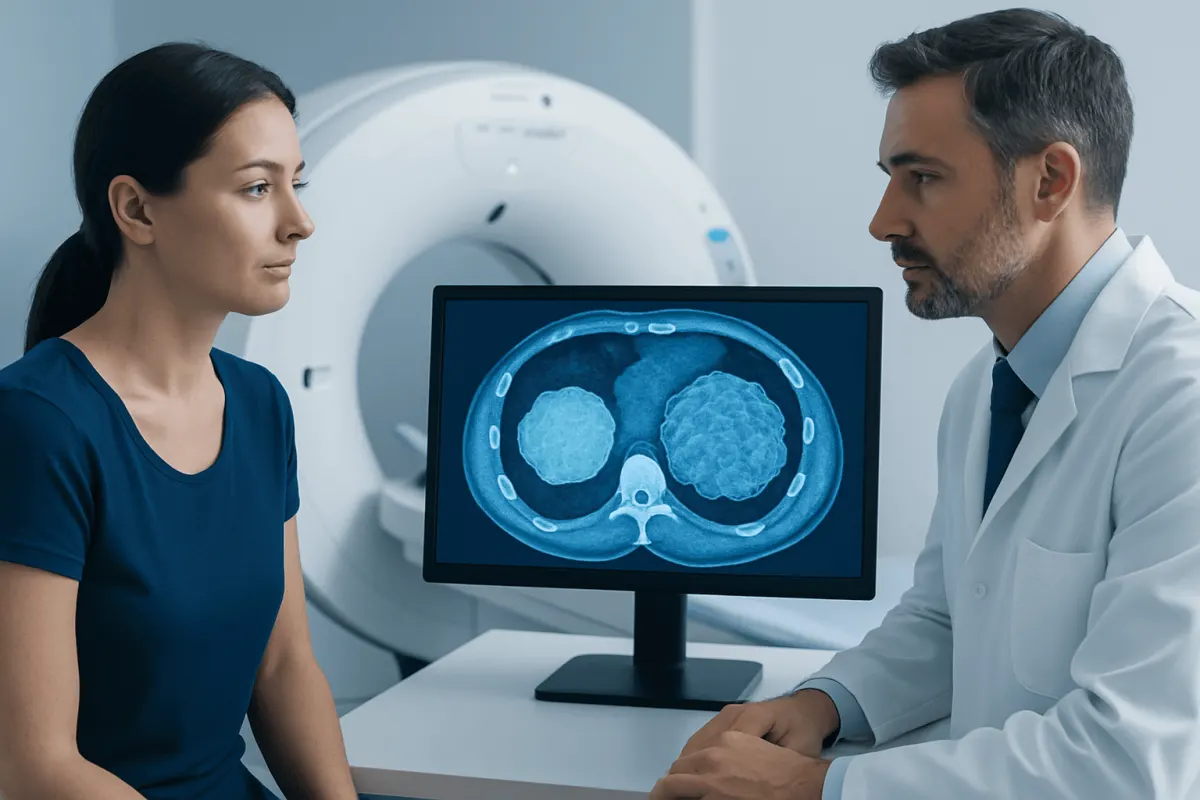
A tumor is a lump or mass formed when cells grow or divide more than they should. Tumors can be benign, meaning non-cancerous, or malignant, meaning cancerous; diagnosis is needed to identify the type and guide care.
What’s a tumor?
A tumor is an abnormal mass of tissue that develops when cells grow, divide, or survive in an uncontrolled way. The word “tumor” describes a mass; it does not, by itself, mean cancer. Some tumors are benign, meaning they are not cancerous. Others are malignant, meaning they are cancer and may invade nearby tissue or spread to other parts of the body.
Tumors can occur almost anywhere in the body, including the skin, breast, brain, lungs, bowel, bones, blood-forming tissues, and organs. Some are found because they cause symptoms, while others are discovered unexpectedly during an examination or imaging test performed for another reason. The outlook and treatment needs vary greatly, so an accurate diagnosis is the essential first step.
Not every lump is a tumor, and not every tumor forms a noticeable lump. Cysts, infections, inflammation, enlarged lymph nodes, and harmless tissue changes can also cause swelling or an abnormal area on a scan. A qualified clinician can assess the finding in the context of a person’s symptoms, medical history, examination, and test results.
Benign and malignant tumors: what is the difference?
Benign tumors do not have the ability to spread to distant organs. They may grow slowly and can sometimes be safely monitored, especially if they are small and do not cause symptoms. However, a benign tumor can still require treatment when it presses on nearby nerves, blood vessels, or organs, causes pain or bleeding, affects function, or continues to grow.
Malignant tumors are cancers. Cancer cells can grow into surrounding tissues and, in some cases, travel through the blood or lymphatic system to form new tumors elsewhere. This process is called metastasis. Malignant tumors differ widely in how quickly they grow and how they respond to treatment, which is why the precise cancer type matters.
Doctors may also describe a tumor by its grade and stage. Grade refers to how abnormal the cancer cells appear under a microscope and can provide clues about likely behavior. Stage describes the size and location of a cancer and whether it has spread. These terms help the care team discuss treatment choices and outlook, but they do not predict an individual person’s future with certainty.
How is a tumor diagnosed?
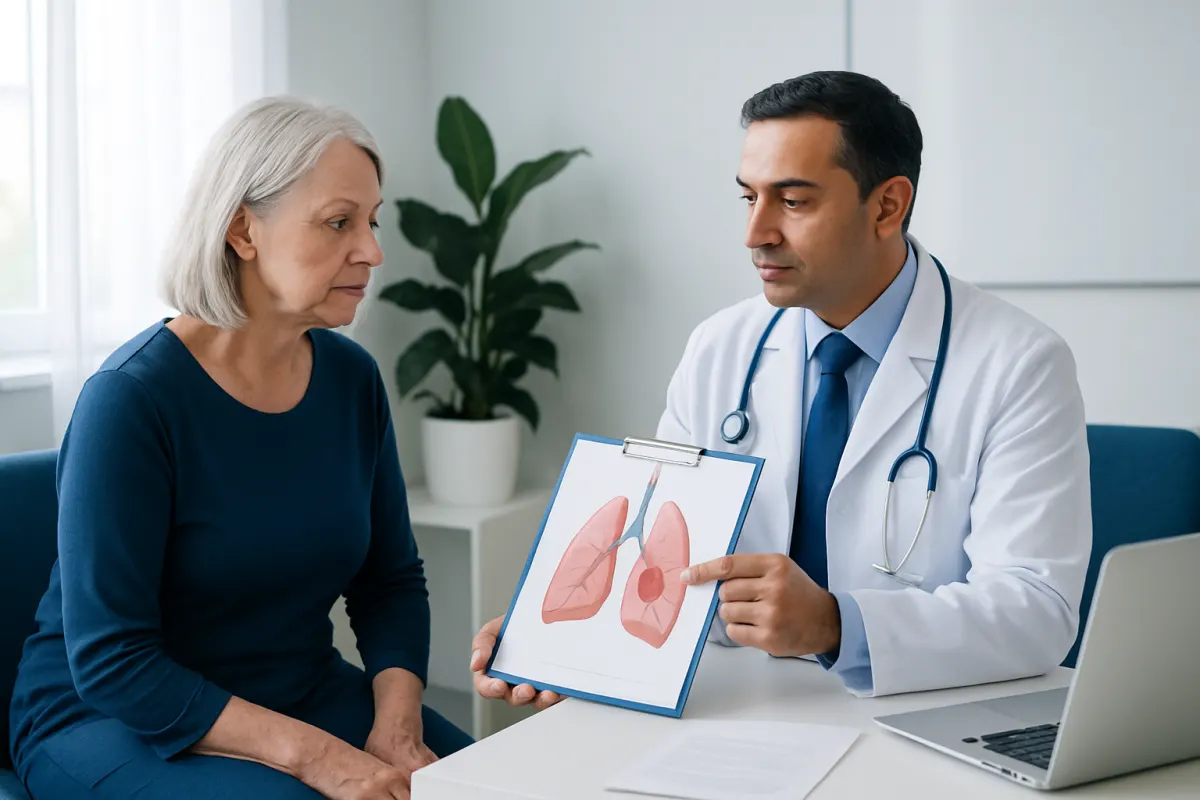
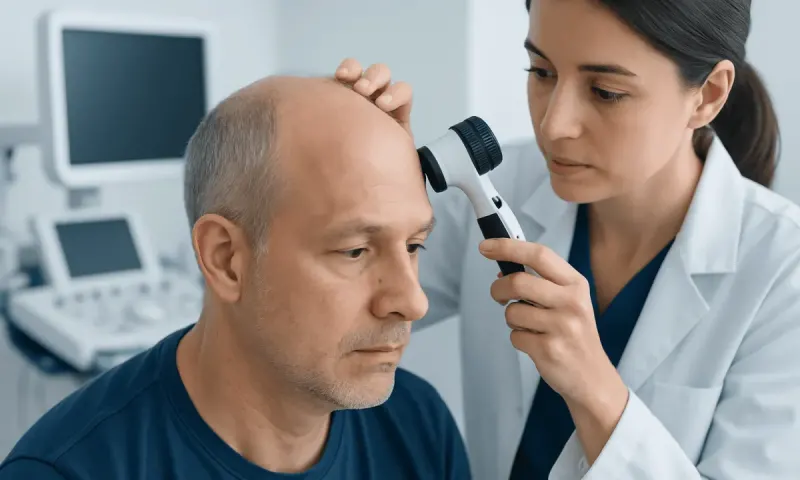
Diagnosis usually begins with a medical history and physical examination. A clinician may ask when a symptom started, whether it has changed, and whether there is a personal or family history of certain conditions. Depending on the concern, blood tests, urine tests, or other laboratory studies may provide useful information, although blood tests alone generally cannot diagnose most solid tumors.
Imaging can show the location, size, and features of an abnormal area. Common imaging studies include ultrasound, X-ray, computed tomography (CT), magnetic resonance imaging (MRI), and positron emission tomography (PET). The most appropriate test depends on the body area involved and the suspected condition.
A biopsy is often needed to confirm whether a tumor is benign or malignant. During a biopsy, a doctor removes cells or a small tissue sample for examination by a pathologist. The laboratory analysis may also include molecular or genetic testing of the tumor, which can identify features that help select treatment. In some situations, a tumor can be removed surgically and examined afterward; in others, careful imaging follow-up may be appropriate.
- Type: the tissue or cell from which the tumor developed.
- Grade: how abnormal the cells look under a microscope.
- Stage: the extent of cancer in the body, when cancer is present.
- Biomarkers: tumor characteristics that may guide targeted or immune-based treatment.
What are the modern treatment options for cancer?
Modern cancer treatment is individualized. The recommended plan depends on the cancer type, its stage and molecular features, where it is located, whether it can be removed, and the person’s general health and preferences. Many people receive more than one type of treatment, either at the same time or in sequence.
Surgery may remove a tumor and, when appropriate, nearby lymph nodes or affected tissue. Radiation therapy uses carefully planned high-energy radiation to damage cancer cells and may be used before surgery, after surgery, or as a main treatment. Systemic treatments travel through the bloodstream and include chemotherapy, hormone therapy, targeted therapy, immunotherapy, and, for some cancers, cellular or other specialized therapies.
Targeted medicines act on particular changes within cancer cells, while immunotherapy helps the immune system recognize or attack certain cancers. These options are not suitable for every diagnosis, and testing is often needed before they are considered. Cancer treatment plans also include supportive care to manage symptoms, preserve nutrition and strength, reduce side effects, and protect quality of life throughout treatment.
For some tumors, active surveillance is a safe option. This means regular appointments, tests, and imaging rather than immediate treatment. It may be recommended for selected slow-growing cancers or benign tumors when the possible harms of treatment outweigh the likely benefit at that time.
How to cope with a stage 4 cancer diagnosis?
A stage 4 cancer diagnosis can bring shock, fear, sadness, anger, uncertainty, or numbness. There is no single “right” way to respond. It can help to take in information gradually, bring a trusted person to appointments, write down questions, and ask the care team to explain the diagnosis and goals of treatment in clear language.
Stage 4 usually means that cancer has spread to a distant part of the body. Although it is often not considered curable, many stage 4 cancers can be treated for meaningful periods of time. Treatment may slow cancer growth, control symptoms, reduce complications, and support daily functioning. Prognosis depends on the cancer type, sites of spread, tumor biology, response to treatment, and the individual’s overall health.
Emotional and practical support are important parts of care. Oncology social workers, psychologists, counselors, palliative care specialists, dietitians, rehabilitation professionals, and support groups can help with distress, fatigue, pain, work concerns, caregiving, communication, and future planning. Palliative care can be provided alongside active cancer treatment and focuses on comfort, symptom management, and quality of life at any stage.
It is reasonable to seek a second opinion, particularly when treatment decisions are complex. People may also ask whether a clinical trial is suitable. A cancer specialist can explain potential options, likely benefits, possible side effects, and how treatment choices align with personal priorities.
Is it true that cancer patients are living longer now?
For many cancer types, outcomes have improved over time because of earlier detection, more precise surgery and radiation, better medicines, improved management of treatment side effects, and stronger supportive care. Advances such as molecular testing, targeted therapies, immunotherapies, and more tailored treatment plans have changed care for some patients.
However, cancer is not one disease, and progress differs by cancer type, stage, age, access to care, and tumor biology. Survival statistics describe groups of people diagnosed in the past; they cannot determine what will happen to one individual. They may also not fully reflect recently introduced treatments.
The most useful discussion about outlook is usually with the treating oncology team. They can explain what is known about a specific tumor, the aim of treatment, the factors that may influence response, and the tests that will be used to monitor progress. Honest information can coexist with hope, especially when care is focused on both disease control and quality of life.
How does a cancer diagnosis change you?
A cancer diagnosis may change daily life in physical, emotional, social, and financial ways. Appointments, testing, treatment schedules, fatigue, pain, sleep changes, and treatment side effects can affect work, family responsibilities, eating, exercise, and independence. Some people also experience changes in body image, sexuality, fertility, memory, or concentration, depending on the cancer and treatment.
Emotionally, people may move between anxiety, grief, determination, relief, uncertainty, and hope. Loved ones can have their own reactions as well. Open conversations about practical needs and emotional limits can be helpful, but people should not feel pressure to stay positive all the time or to share more than they wish.
Supportive care can help people adapt during and after treatment. This may include symptom management, mental health support, rehabilitation, nutrition advice, fertility counseling before certain treatments, and help with returning to work or regular activities. Many people find that priorities and relationships change, but adjustment is a process and support can be tailored to individual needs.
Acıbadem Health Point’s multidisciplinary specialists and JCI-accredited hospitals support international patients with tumor diagnosis, cancer treatment planning, and coordinated supportive care.
When to seek medical care
Medical assessment is appropriate for a new lump, a lump that grows or changes, unexplained bleeding, persistent pain, ongoing changes in bowel or bladder habits, unexplained weight loss, a long-lasting cough, unusual fatigue, or a change in a mole or skin lesion. These symptoms are common and often have causes other than cancer, but persistent or worsening symptoms should not be ignored.
Urgent medical care is needed for severe or sudden symptoms such as difficulty breathing, chest pain, coughing or vomiting blood, new weakness on one side of the body, seizures, confusion, severe headache with neurological changes, or uncontrolled bleeding. These symptoms can have several possible causes and should be assessed promptly.
People who have already been diagnosed with a tumor should contact their care team about new or worsening symptoms, treatment side effects, fever during cancer treatment, dehydration, or difficulty managing pain. Follow-up visits and surveillance tests are important because they allow the team to monitor the tumor, review treatment effects, and respond early to concerns.
Frequently asked questions
01Is every tumor cancer?
No. A tumor is an abnormal mass of cells, and many tumors are benign rather than cancerous. A biopsy or other clinical assessment may be needed to determine the exact type.
02Can a benign tumor become cancerous?
Most benign tumors do not become cancerous. Some types of abnormal growths can carry a higher risk of later cancer development, depending on the tissue involved. A doctor can explain whether monitoring or treatment is recommended.
03Can blood tests detect a tumor?
Blood tests can provide important information about general health, organ function, and some tumor markers. However, they usually cannot confirm or rule out most tumors by themselves. Imaging and a biopsy are often needed for a definite diagnosis.
04Does a tumor always cause symptoms?
No. Some tumors cause no symptoms and are found during imaging or examinations for another reason. Symptoms depend on the tumor’s location, size, growth rate, and effect on nearby tissues.
05What does it mean if a cancer has spread?
Cancer that has spread from its original site to a distant part of the body is called metastatic cancer. Treatment may still help control the cancer, relieve symptoms, and maintain quality of life. The treatment plan depends on the cancer type and its individual features.
06Should a person get a second opinion after a tumor diagnosis?
A second opinion can be useful, especially for a rare tumor, a complex diagnosis, or when major treatment decisions are being considered. It may confirm the diagnosis or provide additional treatment perspectives. The original care team can often help arrange this process.
This article is for general information only and is not a substitute for professional medical advice. Please consult a qualified doctor about your individual situation.
Persistent digestive symptoms? Get evaluated in Turkey
JCI-accredited · board-certified surgeons · reply within 24h
Add us as a Preferred Source to see more of our trusted health content across Google Search, AI Overviews and Discover.