Stage 3 Breast Cancer: Diagnosis and Treatment Outlook
Stage 3 breast cancer is a locally advanced breast cancer that has spread beyond the original breast tumor to nearby lymph nodes or chest structures, but not to distant organs. Treatment usually combines systemic therapy, surgery, and radiation, with plans tailored to the cancer subtype and the person’s overall health.
Stage 3 breast cancer at a glance
Stage 3 breast cancer is an advanced form of breast cancer that remains confined to the breast area and nearby tissues or lymph nodes. It has not spread to distant organs such as the bones, liver, lungs, or brain. For this reason, it is usually approached with treatment intended to control the cancer in the breast and surrounding region and, where possible, eliminate it.
This stage is often described as locally advanced breast cancer. It may involve a larger tumor, multiple nearby lymph nodes, lymph nodes above or below the collarbone, the chest wall, or the skin of the breast. Stage 3 includes subgroups called stage 3A, 3B, and 3C, which differ in the extent of local and regional involvement.
Modern care is individualized. A multidisciplinary team considers imaging findings, biopsy results, hormone receptor status, HER2 status, tumor grade, genetic features when appropriate, and a person’s health and preferences. Breast cancer care can therefore look different from one person to another, even when the stage is the same.
How stage 3 breast cancer is diagnosed and staged
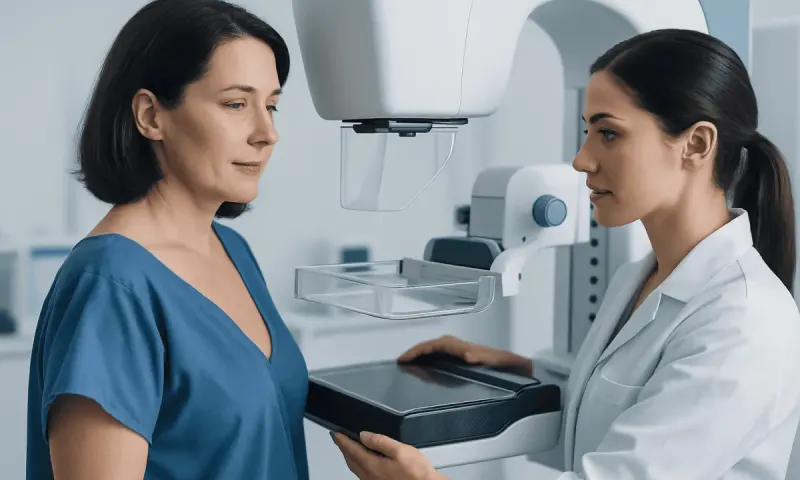
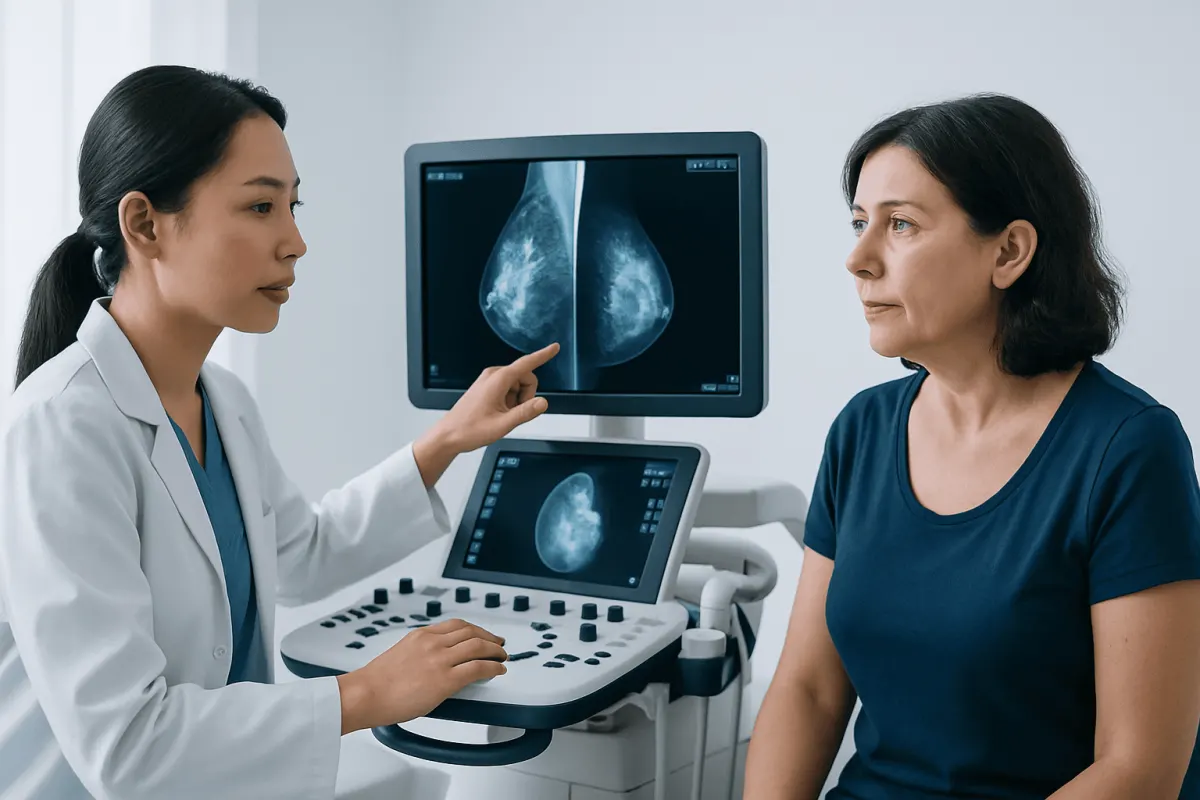
Diagnosis usually begins after a new lump, breast change, or an abnormal screening result. Diagnostic mammography and breast ultrasound are commonly used, and breast MRI may be helpful in selected situations. A core needle biopsy confirms whether cancer is present and provides tissue for laboratory testing.
The pathology report identifies the type of breast cancer and tests whether tumor cells have estrogen receptors (ER), progesterone receptors (PR), or excess HER2 protein. These biomarkers help predict which treatments are likely to be useful. The report also includes tumor grade, which describes how abnormal the cells look under a microscope.
To define the stage, clinicians combine tumor size and local involvement with information about regional lymph nodes. Imaging such as CT, PET/CT, bone scan, or MRI may be recommended when there is concern that cancer could have spread beyond the breast region. These tests help distinguish stage 3 disease from stage 4 disease and guide treatment planning.
- Stage 3A commonly involves extensive nearby lymph node involvement and may include a larger breast tumor.
- Stage 3B includes cancer affecting the chest wall or breast skin, which can cause swelling, redness, or skin changes.
- Stage 3C generally involves more extensive regional lymph nodes, including nodes near the collarbone.
Is stage 3 breast cancer still an early stage?
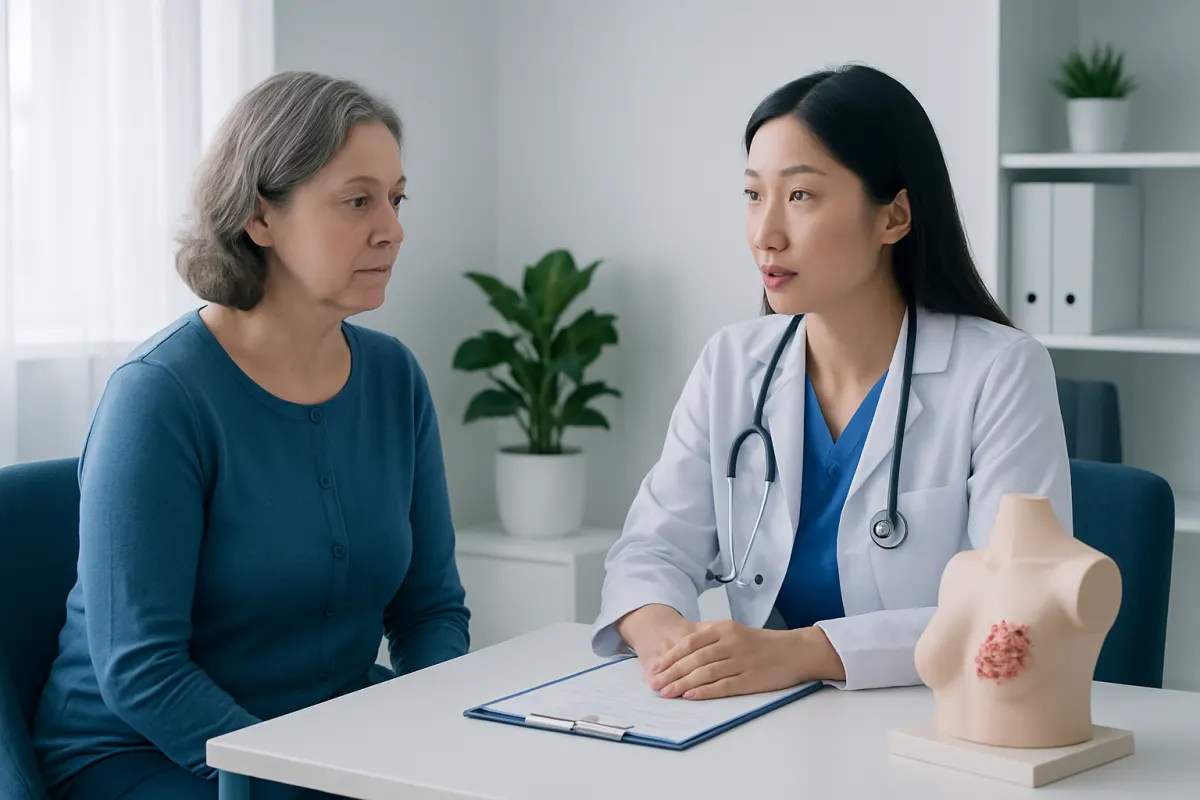
No. Stage 3 breast cancer is not usually classified as early-stage breast cancer. Early-stage disease generally refers to stages 1 and 2, when cancer is confined to the breast or involves a limited number of nearby lymph nodes. Stage 3 is considered locally advanced because it has a greater extent of regional spread.
However, locally advanced does not mean distant spread. Stage 3 breast cancer differs from stage 4 breast cancer because there is no evidence of cancer in distant organs. This distinction matters because treatment for stage 3 disease often uses several therapies in a coordinated sequence with the goal of achieving long-term disease control and, for many people, cure.
Although the diagnosis may feel overwhelming, treatment options have expanded substantially. Using medication before surgery can reduce the tumor burden, reveal how the cancer responds to therapy, and help the care team plan the next steps.
Modern treatment approaches for stage 3 breast cancer
Stage 3 breast cancer is usually treated with a planned sequence of therapies rather than a single treatment. Many people begin with systemic treatment, also called neoadjuvant therapy, before surgery. Depending on the tumor subtype, this may include chemotherapy, hormone-blocking therapy, HER2-targeted therapy, immunotherapy in selected situations, or a combination of these approaches.
Neoadjuvant treatment may shrink the tumor and affected lymph nodes, making surgery more effective or less extensive. It also provides useful information: the amount of cancer remaining at surgery can help clinicians decide whether additional treatment after surgery may lower the chance of recurrence.
Surgery may involve breast-conserving surgery or mastectomy, depending on the tumor’s extent, breast size, response to treatment, and personal preference. Lymph nodes are evaluated with sentinel node biopsy or axillary lymph node surgery when needed. Breast cancer surgery is planned carefully with attention to cancer control, appearance, recovery, and the possibility of reconstruction.
Radiation therapy is commonly recommended after surgery for stage 3 disease because it treats the breast or chest wall and regional lymph node areas. Additional systemic treatment may follow, such as endocrine therapy for hormone receptor-positive cancer or ongoing targeted treatment for HER2-positive cancer. Radiation therapy and medical therapies are selected according to the individual treatment plan.
Is stage 3 cancer considered terminal?
No. Stage 3 breast cancer is not automatically considered terminal. It is serious and requires prompt, comprehensive treatment, but it has not spread to distant parts of the body. Many people are treated with curative intent, meaning the care team aims to remove and destroy all known cancer and reduce the risk of it returning.
Outlook cannot be determined by stage alone. It is influenced by the stage subgroup, number and location of involved lymph nodes, tumor grade, ER/PR and HER2 status, response to treatment before surgery, and whether cancer is found after surgery. Individual health factors and the ability to complete recommended treatment also matter.
It can be helpful to ask the oncology team to explain the purpose of each treatment and what factors are most relevant in the individual case. Prognostic statistics describe large groups and cannot predict exactly what will happen for one person.
How quickly does grade 3 breast cancer spread?
Grade 3 breast cancer refers to cancer cells that look more abnormal and tend to divide more actively than grade 1 or grade 2 cells. In general, grade 3 tumors may behave more aggressively, but grade does not tell clinicians exactly how quickly a particular tumor will grow or spread. It is different from cancer stage: grade describes cell appearance and behavior, while stage describes where the cancer is located.
The pace of breast cancer can vary considerably. Tumor biology, including hormone receptor status, HER2 status, and other molecular characteristics, influences growth patterns and treatment sensitivity. Some higher-grade cancers respond especially well to chemotherapy or targeted treatments, which is one reason timely assessment by a breast cancer team is important.
People should avoid trying to estimate spread based only on a grade listed in a report. Imaging, pathology, clinical examination, and response to treatment together provide a much more reliable picture. The oncology team can explain what grade means in the context of the individual diagnosis.
Are people living longer with stage 4 breast cancer?
Yes, many people with stage 4 breast cancer are living longer than in previous decades, in part because of improved targeted therapies, hormone therapies, chemotherapy options, immunotherapy for selected cancers, and better supportive care. Stage 4 breast cancer means cancer has spread to distant organs or tissues, and its treatment goals differ from those for stage 3 disease.
Stage 4 breast cancer is generally treated as a long-term condition that can often be managed, rather than as disease that can usually be cured. Outcomes vary widely by breast cancer subtype, the sites of spread, treatment response, prior therapies, and overall health. New treatment options and clinical research continue to improve care for many patients.
This question is understandable after a stage 3 diagnosis, but stage 3 and stage 4 should not be treated as interchangeable terms. Accurate staging before treatment helps the team recommend the most appropriate plan and discuss realistic goals.
When to seek medical care
Anyone who notices a new breast lump, thickening, persistent breast or underarm swelling, skin dimpling, nipple inversion, unexplained nipple discharge, or a change in breast shape should arrange a medical assessment. Redness, warmth, swelling, or an orange-peel-like skin texture should also be assessed promptly, particularly if it does not resolve.
A person with a recent breast cancer diagnosis should contact their oncology team if new or worsening symptoms develop during treatment, including fever, shortness of breath, chest pain, severe weakness, uncontrolled vomiting, sudden confusion, or signs of infection. The care team can advise whether same-day assessment or emergency care is needed.
Emotional support is also part of cancer care. Counseling, support groups, rehabilitation, nutrition support, fertility discussions when relevant, and management of treatment side effects can help people remain engaged in treatment and daily life. Acıbadem Health Point’s multidisciplinary specialists and JCI-accredited hospitals provide diagnosis and treatment planning for international patients with breast cancer.
Frequently asked questions
01Can stage 3 breast cancer be cured?
Many people with stage 3 breast cancer are treated with curative intent. Treatment usually combines systemic therapy, surgery, and radiation to address disease in the breast, regional lymph nodes, and possible microscopic cancer cells. The likelihood of cure varies with tumor subtype, extent of lymph node involvement, treatment response, and other individual factors.
02Does stage 3 breast cancer always require chemotherapy?
Not always, although chemotherapy is commonly used, particularly for triple-negative and HER2-positive cancers and for many higher-risk hormone receptor-positive cancers. Some hormone receptor-positive cancers may be treated with endocrine therapy before surgery in selected circumstances. The recommended approach depends on the cancer’s biology and the person’s overall situation.
03Can surgery be performed first for stage 3 breast cancer?
In many cases, medication is given before surgery to shrink the cancer and treat possible microscopic disease early. However, the sequence can vary, and surgery may be considered first in selected situations. A breast surgeon and medical oncologist can explain why a particular sequence is recommended.
04What is the difference between stage 3 and grade 3 breast cancer?
Stage 3 describes the size and location of the cancer, including spread to nearby lymph nodes or tissues but not distant organs. Grade 3 describes how abnormal and fast-dividing the cancer cells appear under a microscope. A cancer can be stage 3 and have any grade, including grade 1, 2, or 3.
05Will stage 3 breast cancer always return after treatment?
No. Recurrence is possible, but it is not inevitable. The purpose of combined treatment and follow-up is to reduce recurrence risk and detect any concerns early. The oncology team can discuss factors that affect recurrence risk and the role of ongoing medicines after surgery.
06What follow-up is needed after treatment for stage 3 breast cancer?
Follow-up commonly includes regular clinical visits, ongoing medications when prescribed, mammography for any remaining breast tissue, and monitoring for treatment effects. Routine whole-body scans are not generally needed without symptoms or clinical concerns. The follow-up schedule is individualized by the oncology team.
This article is for general information only and is not a substitute for professional medical advice. Please consult a qualified doctor about your individual situation.
Oncology care in Turkey — second opinion and treatment plan
JCI-accredited · board-certified surgeons · reply within 24h
Add us as a Preferred Source to see more of our trusted health content across Google Search, AI Overviews and Discover.