Esophagus Malignant Tumor: Diagnosis and Treatment
An esophagus malignant tumor, also called esophageal cancer, begins in the lining of the tube that carries food from the mouth to the stomach. Early assessment of swallowing symptoms and accurate staging help a specialist team choose the most appropriate treatment, which may include surgery, chemotherapy, radiation therapy, immunotherapy, or a combination.
Overview: what an esophagus malignant tumor means
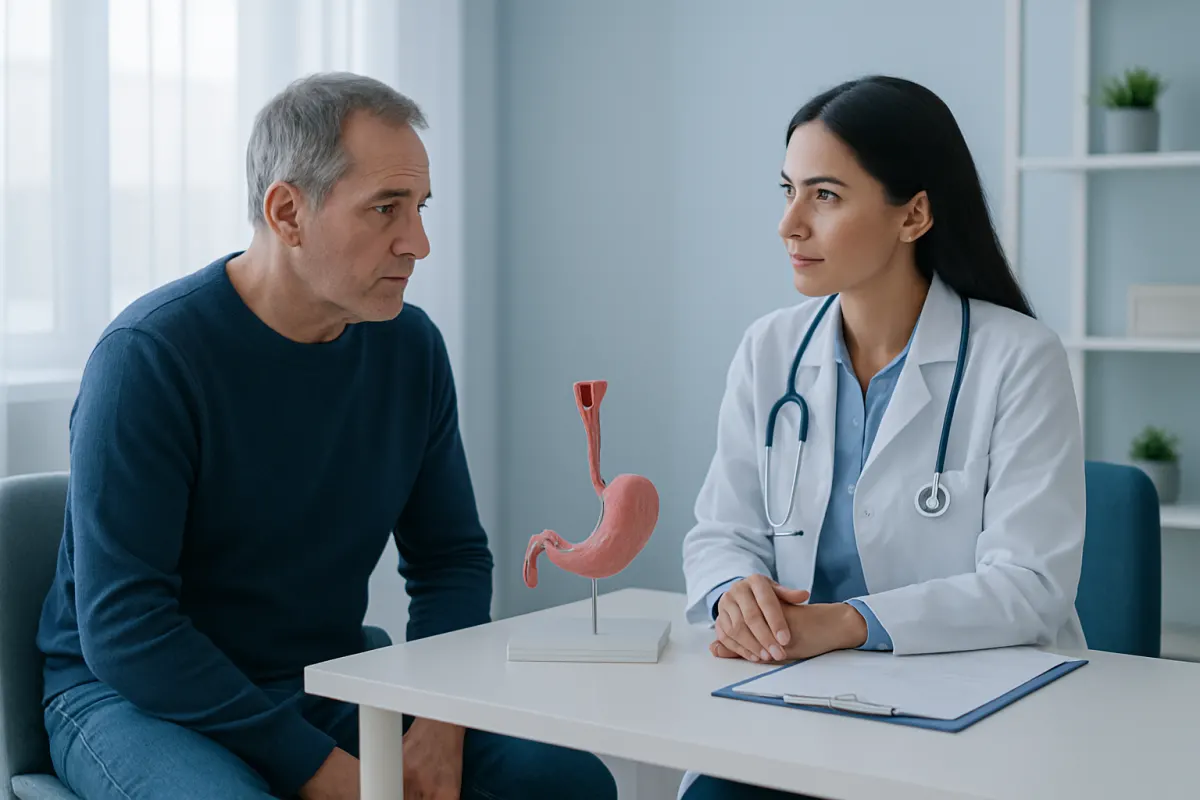
An esophagus malignant tumor is an abnormal growth of cancerous cells in the esophagus, the muscular tube that moves food and liquids from the throat to the stomach. The medical term is esophageal cancer. It may interfere with swallowing as it grows, although early cancer may cause few or no symptoms.
Most esophageal cancers are classified as either adenocarcinoma or squamous cell carcinoma. Adenocarcinoma often develops in the lower esophagus near the stomach and is commonly associated with long-standing acid reflux and Barrett’s esophagus. Squamous cell carcinoma begins in flat cells lining the esophagus and can occur in the upper or middle portion, as well as the lower portion.
Care is best planned after a complete evaluation by specialists in gastroenterology, oncology, surgery, radiology, pathology, nutrition, and supportive care. The recommended approach depends on where the tumor started, how deeply it has grown, whether it has spread, and the person’s overall health.
Symptoms and when to seek medical care
The most common symptom is dysphagia, meaning a sensation that food sticks in the throat or chest. It may begin with solid foods and become more noticeable over time. People may also adapt by eating more slowly, taking smaller bites, or avoiding certain foods before realizing that swallowing has changed.
Other possible symptoms include painful swallowing, unexplained weight loss, persistent indigestion or heartburn, chest discomfort, hoarseness, a long-lasting cough, fatigue, nausea, or vomiting. These symptoms are common in many noncancerous conditions, including reflux disease, so they do not by themselves mean cancer is present. Still, persistent or progressive symptoms deserve medical review.
When to seek medical care: A person should arrange a prompt medical appointment for new or worsening trouble swallowing, food getting stuck, unexplained weight loss, recurrent vomiting, black stools, or symptoms that do not improve as expected with routine reflux treatment. Urgent care is appropriate if a person cannot swallow liquids, has severe chest pain, vomits blood, or shows signs of dehydration.
Causes and factors that can raise risk
There is no single cause of an esophagus malignant tumor. Cancer develops when genetic changes allow cells to grow and survive abnormally. Several factors can increase risk, but having one or more risk factors does not mean a person will develop esophageal cancer.
Risk factors for adenocarcinoma include chronic gastroesophageal reflux disease, Barrett’s esophagus, obesity, smoking, and certain dietary or lifestyle factors. Barrett’s esophagus is a change in the lower esophageal lining that can occur after prolonged acid exposure; it is not cancer, but it may require monitoring in selected patients.
Risk factors for squamous cell carcinoma include tobacco use, heavy alcohol use, poor nutrition, and long-term injury or irritation to the esophagus. Age, sex, family history, and geographic background may also influence risk. Reducing tobacco exposure, limiting alcohol, maintaining a healthy weight, and managing reflux symptoms can support prevention, although they cannot eliminate risk entirely.
How esophageal cancer is diagnosed and staged
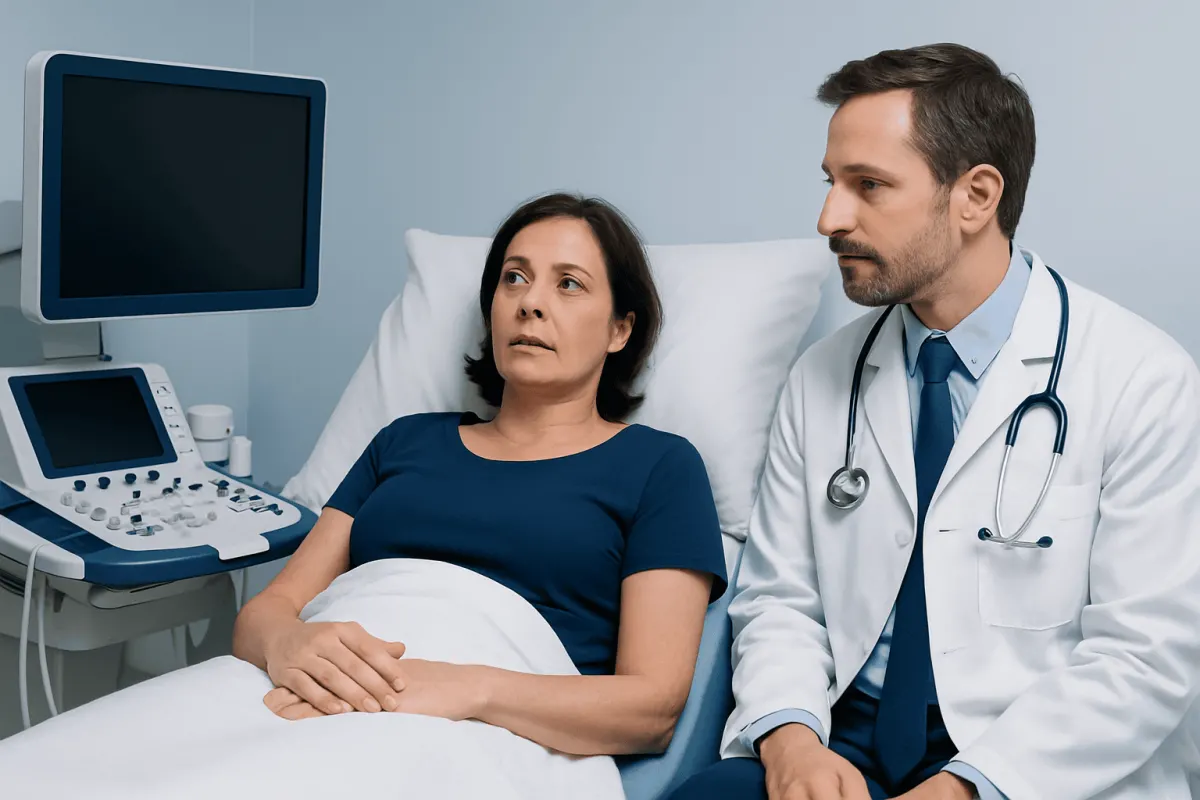
Diagnosis usually begins with a medical history, physical examination, and an upper endoscopy. During endoscopy, a clinician passes a flexible camera through the mouth to examine the esophagus and collect small tissue samples. A pathologist examines the biopsy to confirm whether cancer is present and to identify the tumor type.
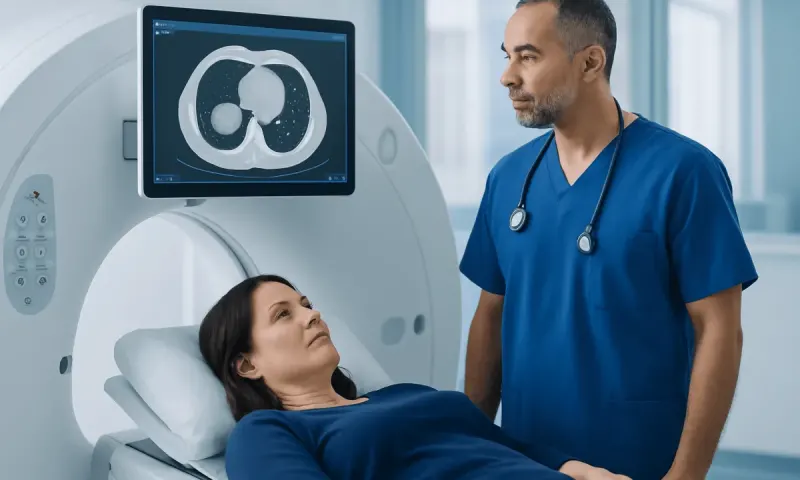
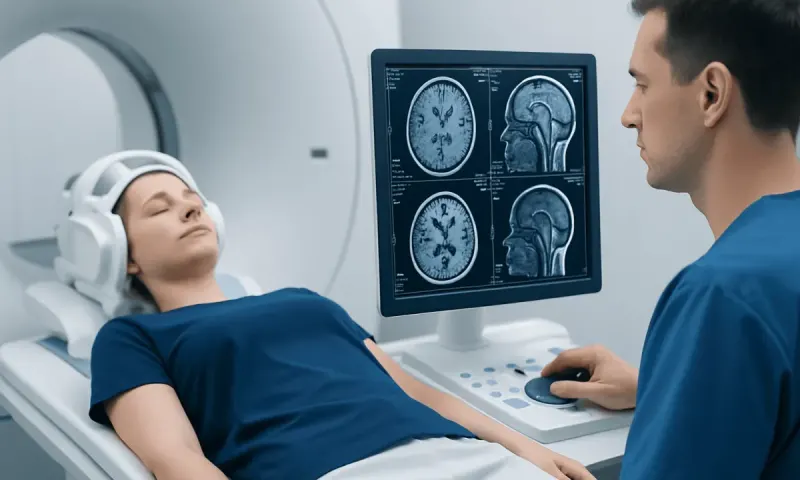
Once cancer is confirmed, staging tests show the tumor’s size, depth, lymph node involvement, and whether it has spread elsewhere. These may include endoscopic ultrasound, computed tomography, PET-CT, and selected laboratory tests. Some tumors are also tested for biomarkers or molecular features that may help guide systemic treatment choices.
Staging is generally described from localized disease, limited to the esophagus or nearby tissues, through disease that has spread to distant organs. Accurate staging is essential because it helps the team distinguish between treatment intended to remove or eradicate the cancer and treatment focused on controlling the disease, relieving symptoms, and maintaining quality of life.
Modern treatment approaches for esophageal cancer
Treatment is tailored rather than identical for every patient. Very early, superficial tumors may sometimes be removed during endoscopy using specialized techniques. For cancers that have grown deeper but remain localized, treatment commonly combines chemotherapy and radiation therapy before surgery, or chemotherapy and immunotherapy before surgery in selected situations. The aim is to shrink or control the tumor and address cancer cells that may not be visible on scans.
An esophagectomy is surgery to remove the affected part of the esophagus and reconstruct the digestive pathway, often using part of the stomach. It is a major procedure and is usually considered at centers with experienced multidisciplinary teams. Esophagectomy may be recommended when the cancer can be removed safely and a person is fit enough for surgery.
Radiation therapy may be used with chemotherapy before surgery, as definitive treatment when surgery is not suitable, or to help ease symptoms such as obstruction or pain. Drug treatment may include chemotherapy, targeted medicines for tumors with particular features, or immunotherapy. In advanced cancer, treatment may also include nutritional support, swallowing support, endoscopic dilation, stent placement, or other symptom-focused care.
Acıbadem Health Point’s multidisciplinary specialists and JCI-accredited hospitals assess and treat esophageal cancer for international patients, with treatment plans based on tumor stage, pathology, and individual needs.
What is the newest treatment for esophageal cancer?
The newest widely used advances in esophageal cancer treatment involve immunotherapy and biomarker-guided treatment. Immunotherapy medicines help the immune system recognize and attack cancer cells. They may be used with chemotherapy before surgery for some locally advanced cancers, after certain treatments, or for advanced disease, depending on the tumor type, stage, prior therapy, and test results.
Targeted treatment is another important development. Some cancers have biological features that can make them suitable for specific medicines. Testing may include markers such as HER2, PD-L1, and mismatch repair status, depending on the clinical setting. Results do not determine treatment alone, but they can expand options for appropriate patients.
New approaches continue to be evaluated in clinical trials, including newer immunotherapy combinations and personalized treatments. A “newest” treatment is not automatically the best choice for every person. The safest and most effective plan is selected by an experienced oncology team after reviewing the cancer’s stage, biology, and the patient’s overall condition.
Can esophagus cancer be cured completely?
Yes, some esophageal cancers can be cured, particularly when they are detected before they have spread to distant parts of the body. Very early tumors may be treated endoscopically, while many localized cancers are managed with a combination of chemotherapy, radiation therapy, and surgery. Whether cure is realistic depends on the cancer stage, tumor type, response to treatment, and whether the tumor can be completely removed or controlled.
When cancer has spread to distant organs, complete cure is less likely with currently available treatments. However, systemic therapy and supportive treatments can often slow disease growth, reduce symptoms, and help preserve quality of life. Some people respond well for prolonged periods, but each situation is different.
Follow-up remains important after treatment with curative intent. It may include scheduled clinical reviews, imaging or endoscopy when indicated, nutrition assessment, and support for swallowing, reflux, and recovery. Patients should discuss the goals of treatment openly with their care team at every stage.
What is the life expectancy after being diagnosed with esophageal cancer?
Life expectancy after an esophageal Prostate Cancer Diagnosis: Tests and Next Steps" class="ahp-ilk">cancer diagnosis varies widely and cannot be accurately predicted from the diagnosis alone. The most important influences include the stage at diagnosis, whether the cancer can be treated with curative intent, the tumor’s biology, response to therapy, nutritional status, other health conditions, and access to specialist care.
People with early-stage disease generally have a more favorable outlook than those with cancer that has spread to distant organs. Even within the same stage, outcomes differ between individuals. Population survival figures can provide broad context, but they cannot predict what will happen for one person and may not reflect newer treatments or an individual’s response.
A treating oncologist is best placed to discuss prognosis after reviewing imaging, pathology, treatment response, and overall health. It can be helpful for patients and families to ask what the treatment goal is, what changes might be expected, and how the team will monitor both cancer control and quality of life.
What is the best hospital in the US for esophageal cancer?
There is no single hospital that is objectively the best choice for every person with esophageal cancer in the United States. A suitable center should have a coordinated multidisciplinary program with gastroenterologists, thoracic or upper gastrointestinal surgeons, medical oncologists, radiation oncologists, radiologists, pathologists, dietitians, and supportive-care professionals experienced in esophageal cancer.
When comparing hospitals, patients may wish to ask how often the team treats esophageal cancer, whether minimally invasive and endoscopic options are available, how treatment decisions are reviewed in a tumor board, and what rehabilitation and nutrition services are offered. For someone considering surgery, experience with esophagectomy and the availability of specialized postoperative care are especially relevant.
A second opinion can be valuable, particularly when surgery is being considered or when the cancer is advanced or has uncommon features. The best choice is often a center that can provide evidence-based care, explain options clearly, coordinate services effectively, and support the patient’s practical and personal needs.
Frequently asked questions
01Is an esophagus malignant tumor the same as esophageal cancer?
Yes. An esophagus malignant tumor is another way of describing esophageal cancer, a cancer that starts in the esophagus. A biopsy is needed to confirm the diagnosis and identify the cancer type.
02How is an esophagus malignant tumor usually found?
It is commonly investigated after symptoms such as progressive trouble swallowing, weight loss, or persistent reflux-related concerns. Upper endoscopy with biopsy confirms cancer, and imaging tests help determine its stage.
03Can reflux cause esophageal cancer?
Most people with reflux do not develop esophageal cancer. However, long-standing reflux can contribute to Barrett’s esophagus in some people, and Barrett’s esophagus is associated with an increased risk of adenocarcinoma.
04What is the newest treatment for esophageal cancer?
Immunotherapy and biomarker-guided medicines are among the most important recent treatment advances. They may be used in selected patients alongside chemotherapy, before surgery, after treatment, or for advanced disease depending on clinical circumstances.
05Can esophagus cancer be cured completely?
Some early and localized esophageal cancers can be treated with curative intent. The likelihood depends on stage, tumor type, treatment response, and whether the cancer can be fully removed or eradicated.
06What is the life expectancy after being diagnosed with esophageal cancer?
Life expectancy varies greatly between individuals and depends especially on cancer stage and response to treatment. A treating oncology team can provide the most meaningful individualized outlook after complete staging and review of the person’s health.
This article is for general information only and is not a substitute for professional medical advice. Please consult a qualified doctor about your individual situation.
Medical weight-loss options in Turkey — costs & eligibility
JCI-accredited · board-certified surgeons · reply within 24h
Add us as a Preferred Source to see more of our trusted health content across Google Search, AI Overviews and Discover.