Colorectal Cancer Surgery: Steps, Recovery and Daily Life

Colorectal cancer surgery is a main treatment for many colon and rectal cancers. It removes the cancer along with a margin of healthy bowel and nearby lymph nodes, then reconnects the bowel when possible or creates a temporary or permanent stoma when needed.
How colorectal cancer surgery works
Colorectal cancer surgery removes a cancer from the colon or rectum, together with a border of nearby healthy tissue and regional lymph nodes. For many people with non-metastatic disease, surgery is a central part of treatment and may be curative. The operation is planned around the cancer’s exact location, its stage, imaging results, and the person’s overall health.
A colon resection removes the affected section of large bowel. The surgeon usually joins the two remaining healthy ends together; this is called an anastomosis. If a safe join is not possible immediately, bowel contents may be diverted through an opening on the abdomen called a stoma. A stoma may be temporary or, less commonly, permanent depending on the operation and anatomy.
Rectal cancers can require more specialized surgery because the rectum lies deep in the pelvis and close to structures that affect urinary, sexual, and bowel function. Treatment may include chemotherapy and radiotherapy before or after surgery in selected cases. The multidisciplinary team uses pathology results from the removed tissue to help determine whether additional treatment is recommended.
Information about the cancer itself, including diagnostic testing and staging, helps guide this decision-making. Patients can learn more through colorectal cancer information.
Who may be a candidate for surgery?
People may be offered surgery when the cancer appears removable and their health allows an operation. This includes many early-stage colon and rectal cancers, as well as selected cases in which cancer has spread to a limited number of sites, such as the liver or lungs, that may also be treatable. Surgery may also be needed to relieve or prevent a blockage, bleeding, or perforation caused by a tumor.
Before recommending an approach, the care team considers colonoscopy and biopsy findings, CT or MRI scans, blood tests, nutritional status, prior abdominal operations, heart and lung health, medicines, and personal treatment goals. For rectal cancer, pelvic MRI and discussion in a multidisciplinary cancer meeting are especially important for planning.
Age alone does not decide candidacy. A careful preoperative assessment looks at functional ability, frailty, other medical conditions, and the support available during recovery. If a person is not currently fit for major surgery, treatment may focus first on improving nutrition, physical conditioning, anemia, or management of chronic conditions.
Patients should be told whether the planned operation is intended to cure the cancer, control symptoms, or both. They should also have an opportunity to discuss possible changes in bowel function, stoma care, fertility, sexual health, and the practical support needed at home.
Procedure steps: from preparation to bowel reconstruction
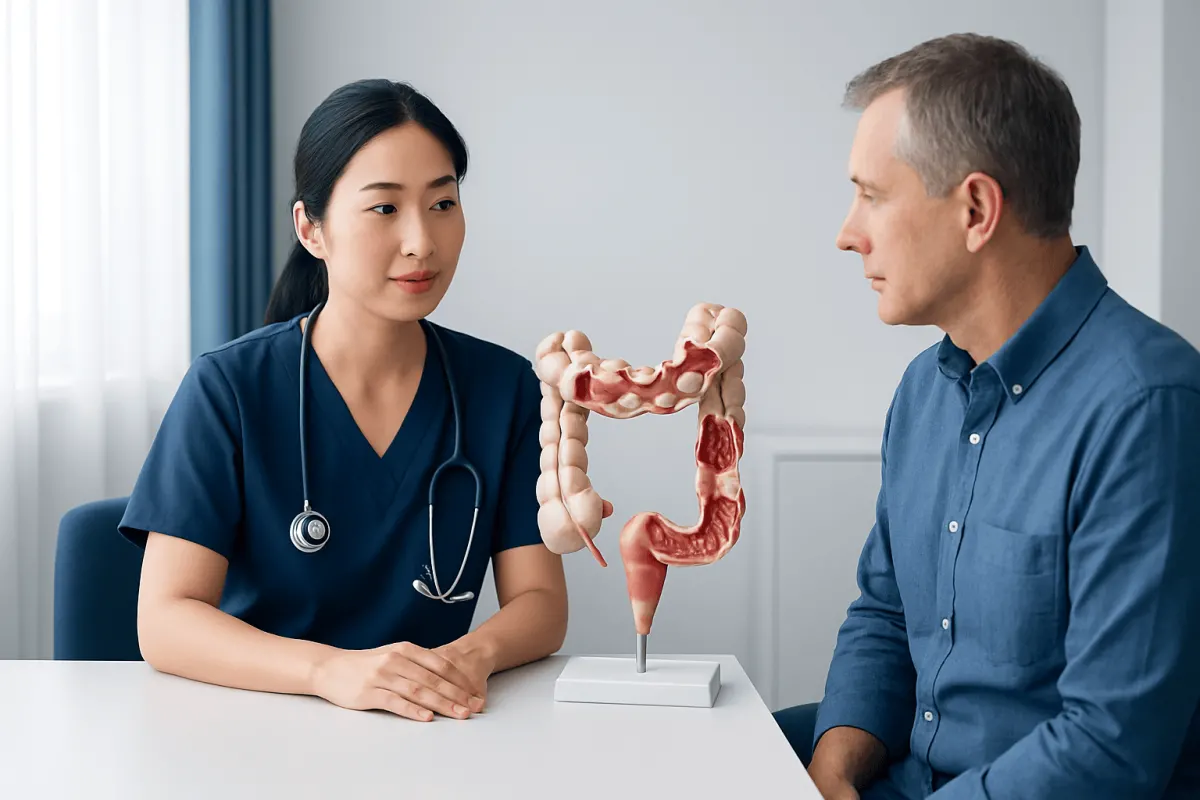
Preparation commonly includes blood tests, anesthesia assessment, scans, and instructions about eating, drinking, and bowel preparation. Some patients receive antibiotics and medication to reduce the risk of blood clots. Enhanced recovery pathways may also encourage appropriate nutrition, early movement, and clear guidance about pain management before the operation.
During surgery, the patient receives general anesthesia. The surgeon accesses the abdomen through a larger incision for open surgery or several small incisions for laparoscopic or robotic-assisted surgery. Minimally invasive approaches may offer smaller incisions and an earlier return to activity for suitable patients, but the safest technique depends on the tumor and the individual operation.
The surgeon identifies and removes the segment containing the tumor, surrounding tissue, and lymph nodes needed for accurate staging. Blood vessels supplying that section are carefully divided. The pathologist examines the specimen, including the resection margins and lymph nodes, after the operation.
Where appropriate, the bowel ends are joined together. For low rectal surgery or when there is concern about healing, a temporary ileostomy or colostomy may protect the join while it heals. Surgical treatment is individualized; patients can discuss colorectal cancer surgery options with a colorectal surgeon and oncology team.
Recovery timeline after colorectal cancer surgery
Recovery begins in hospital. Most patients are encouraged to sit up and walk with assistance as soon as it is safe, often on the day after surgery. Early movement supports circulation, lung function, and bowel recovery. The team monitors pain, fluid balance, wound healing, the return of bowel function, and any stoma output.
Hospital stay varies according to the operation, surgical approach, complications, and individual recovery. Some people go home within several days after an uncomplicated minimally invasive colon operation, while open surgery, rectal surgery, or a more complex medical situation can require a longer stay. Eating usually resumes gradually as the bowel starts working again.
How long does it take to recover from colon cancer surgery? Many people need about four to six weeks before returning to lighter routines after a straightforward colon resection, but full recovery may take two to three months or longer. Tiredness can persist, particularly when chemotherapy, anemia, nutritional difficulties, or complications are also involved. A surgeon should give individualized advice about driving, work, lifting, exercise, and travel.
At home, bowel movements may be more frequent, looser, firmer, or less predictable for a period of time. Small meals, adequate fluid intake, gradual activity, and a food diary can help identify tolerated foods. Follow-up visits review the pathology report, healing, medications, stoma care if relevant, and the plan for surveillance or additional cancer treatment.
Benefits, risks and expected changes after surgery
The principal benefit of surgery is removal of visible localized cancer and accurate assessment of lymph nodes and surgical margins. This information can clarify prognosis and guide decisions about chemotherapy or other treatments. Surgery can also address symptoms such as obstruction or bleeding and may improve comfort and nutrition when a tumor is causing bowel problems.
All major abdominal operations involve risks. These include bleeding, infection, blood clots, reactions to anesthesia, temporary slowing of the bowel, injury to nearby structures, and hernia at an incision site. A bowel connection can leak in a small proportion of cases, which may require antibiotics, drainage, another procedure, or temporary diversion with a stoma.
How painful is colon resection surgery? Pain is common in the first days after surgery, but it should be treated rather than endured. Teams often combine several approaches, such as non-opioid medicines, local or regional anesthesia techniques, and short-term stronger pain medicine when needed. Pain generally improves steadily; worsening pain, new severe pain, or pain with fever, vomiting, or abdominal swelling should be reported promptly.
What is the average quality of life like after colon resection surgery? Most people can return to meaningful daily activities and a good quality of life after healing, although adjustment takes time. Bowel habit changes, fatigue, anxiety about recurrence, dietary concerns, and stoma adaptation can affect early recovery. Rectal surgery may have a greater effect on bowel control, urinary function, or sexual function, so discussing these concerns early allows the team to offer rehabilitation, continence support, counseling, or specialist referral.
Self-care and when to seek medical care
After discharge, patients should follow their surgical team’s instructions about wound care, prescribed medicines, diet progression, activity, and stoma supplies. Gentle walking is usually helpful, while heavy lifting and strenuous exercise should wait until the surgeon advises that healing is adequate. Smoking cessation, sufficient protein and fluids, and support from family or caregivers can all aid recovery.
Is it normal to vomit 4 weeks after bowel surgery? Vomiting at four weeks is not something to ignore, especially if it is repeated or accompanied by abdominal pain, swelling, inability to eat or drink, fever, reduced stoma output, constipation, or inability to pass gas. It can occur for reasons ranging from a stomach illness or medication effect to dehydration, bowel narrowing, or obstruction. The surgical team or another qualified clinician should assess persistent or recurrent vomiting promptly.
When to seek medical care
Patients should contact their surgical team urgently for fever, increasing redness or drainage from the wound, worsening abdominal pain, persistent vomiting, a swollen abdomen, black or bloody stool, shortness of breath, chest pain, fainting, or a sudden major change in stoma output. Emergency care is appropriate for severe symptoms, uncontrolled bleeding, confusion, or difficulty breathing. New symptoms should not be assumed to be a normal part of recovery.
Acıbadem Health Point’s multidisciplinary specialists and JCI-accredited hospitals evaluate and treat colorectal cancer for international patients, including surgical planning and postoperative follow-up support.
Follow-up after surgery and long-term monitoring
Follow-up is an important part of colorectal cancer care. The schedule depends on the stage of cancer, pathology findings, treatments received, and personal risk factors. It may include clinical visits, blood tests, imaging, and colonoscopy at intervals recommended by the oncology and surgical teams.
Surveillance aims to identify recurrence or new polyps at an early stage and to address ongoing effects of treatment. Patients should keep all follow-up appointments even when they feel well. They should also report unexplained weight loss, persistent changes in bowel habits, rectal bleeding, worsening fatigue, or new abdominal symptoms.
A survivorship plan can help coordinate care between cancer specialists and primary care clinicians. It may cover physical activity, nutrition, emotional wellbeing, management of treatment effects, family history assessment, and routine preventive care. Individual recommendations are more useful than broad dietary restrictions, particularly while bowel function is still stabilizing.
Frequently asked questions
01Can colorectal cancer surgery be performed with minimally invasive techniques?
Many colon and rectal cancer operations can be performed laparoscopically or with robotic assistance in appropriately selected patients. These techniques use smaller incisions, but they are not suitable for every tumor or every person. The surgeon recommends the approach that provides the best cancer control and safety.
02Will a stoma always be needed after colorectal cancer surgery?
No. Many patients have the bowel reconnected during the same operation and do not need a stoma. A temporary or permanent stoma may be necessary when reconnecting the bowel is not safe or when the tumor location requires removal of the anus and nearby rectum.
03When can a person eat normally after colon resection?
Eating usually resumes gradually after the bowel begins functioning again, often starting with fluids and easily tolerated foods. The pace varies by operation and individual recovery. The surgical team can advise on food choices, hydration, and when to broaden the diet.
04Can bowel habits change permanently after colorectal cancer surgery?
Yes, some people have lasting changes such as more frequent stools, urgency, constipation, or looser bowel movements. These changes are often more pronounced after rectal surgery. Dietary adjustment, medication, pelvic floor rehabilitation, and specialist advice can help manage symptoms.
05What signs could suggest a complication after bowel surgery?
Symptoms that need medical review include fever, worsening pain, persistent vomiting, increasing abdominal swelling, wound drainage, inability to pass stool or gas, or a major change in stoma output. Chest pain, shortness of breath, fainting, or severe bleeding require urgent assessment. Early contact with the care team is safer than waiting for symptoms to worsen.
06Is chemotherapy always needed after colorectal cancer surgery?
Chemotherapy is not needed for every patient. The decision depends on cancer stage, lymph node findings, surgical margins, tumor features, and overall health. An oncology team reviews the pathology results and explains the expected benefits and possible side effects of any additional treatment.
This article is for general information only and is not a substitute for professional medical advice. Please consult a qualified doctor about your individual situation.
Persistent digestive symptoms? Get evaluated in Turkey
JCI-accredited · board-certified surgeons · reply within 24h
Add us as a Preferred Source to see more of our trusted health content across Google Search, AI Overviews and Discover.