Laser Hair Removal for Chin Hair: What to Expect
Hair Removal: How to Prepare and Care for Your Skin After Sessions" class="ahp-ilk">Laser hair removal for chin uses focused light energy to damage hair follicles and reduce future hair growth. It usually requires a series of treatments because hairs grow in cycles, and the best plan depends on skin tone, hair color, hormone-related hair growth and medical history.
Overview: laser hair removal for chin
Laser hair removal for chin is a medical-aesthetic procedure that uses concentrated light to heat and damage hair follicles. When the follicle is affected during its active growth phase, it is less able to produce a new hair. The aim is long-term hair reduction rather than guaranteed removal of every individual hair forever.
The chin is a common treatment area because hairs there can be coarse, visible and recurrent after shaving, plucking or waxing. Treatment is usually quick, but the area may be more sensitive than some body sites. A qualified clinician selects a laser type and settings based on the person’s skin tone, hair characteristics, recent sun exposure and health history.
Results develop gradually. Treated hairs may shed over days to weeks, while other hairs continue to appear because they were in a different growth stage at the time of treatment. A course of appointments is therefore needed to achieve a meaningful reduction in growth.
How the chin procedure is performed
Before treatment, the clinician reviews the person’s medical history, medicines, tendency to develop dark marks or scars, and any active skin problems. The chin is examined to assess hair thickness, density and skin tone. A test spot may be recommended, especially for people with darker skin or a history of sensitivity.
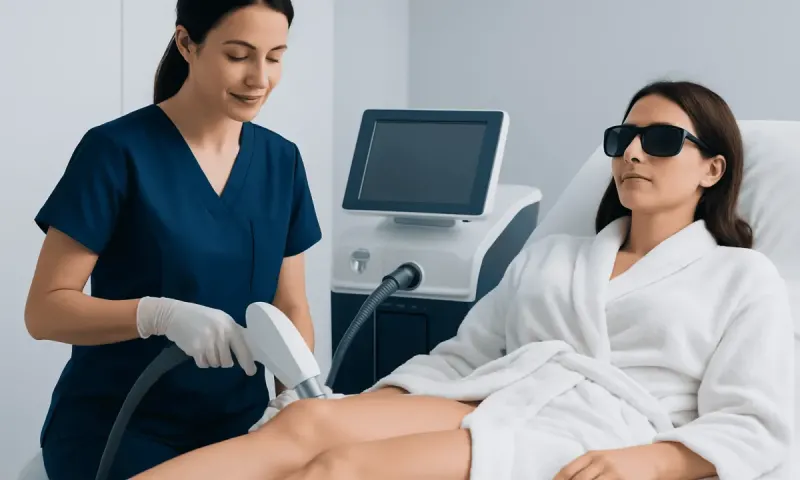
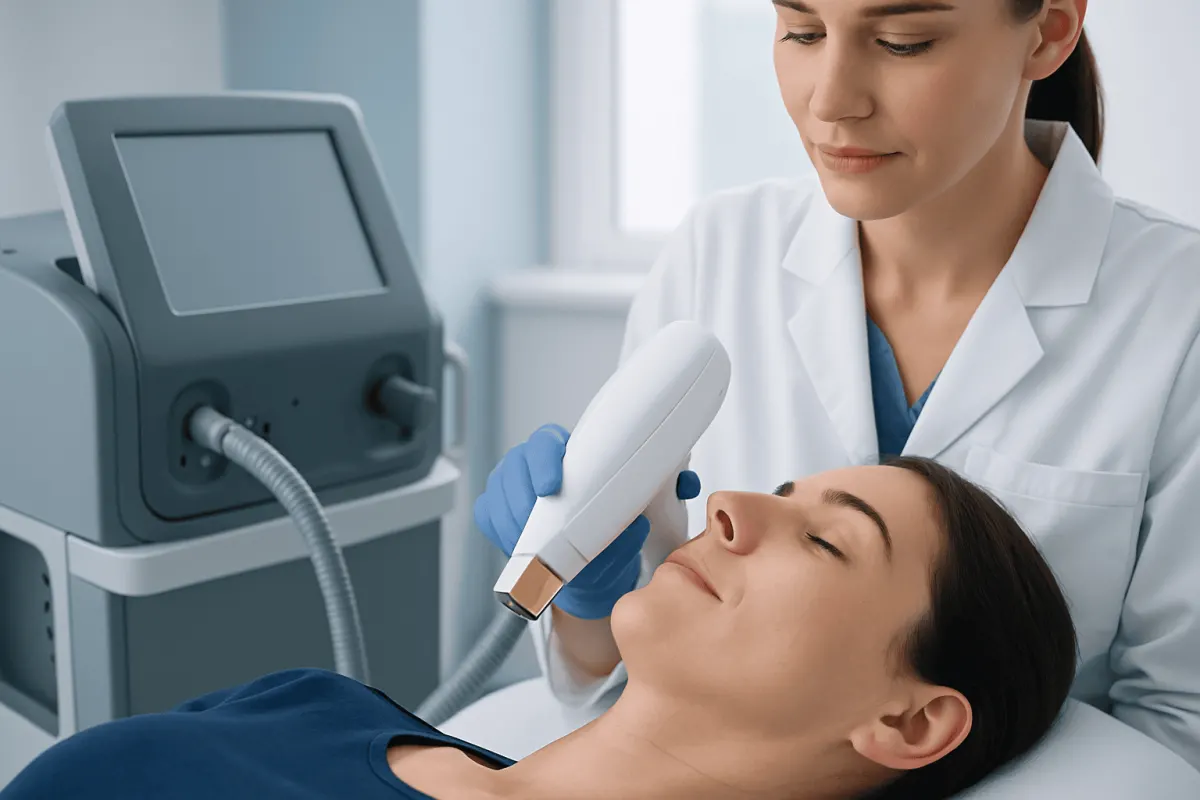
On the day, the treatment area is usually clean-shaven rather than waxed or plucked. Protective eye shields are worn. The laser handpiece is placed against the skin and delivers brief pulses of light; many devices also provide cooling to improve comfort and help protect the skin.
People often describe the sensation as a quick snap or warm prickling feeling. The session itself may take only a few minutes for the chin, although preparation and aftercare instructions add time. The provider may apply a soothing product or cool compress afterward.
Different laser systems may be chosen for different combinations of skin and hair color. This individualized approach is particularly important for reducing the risk of skin injury or pigment changes in richly pigmented skin.
How many sessions of laser hair removal do I need for my chin?

Most people need a series of sessions for chin hair because laser light is most effective when a hair is in the active growth phase. Not all follicles are active at the same time, so each session can only target a portion of the hairs present.
A clinician often plans several treatments, commonly separated by around four to six weeks for facial areas, then reviews the response. The exact number varies considerably. Hair that is dark and coarse may respond more visibly than fine, light, gray, white or red hair, which contains less pigment for the laser to target.
Hormonal influences can also affect the outcome. Some people need periodic maintenance treatments, particularly when chin hair growth is related to conditions such as polycystic ovary syndrome (PCOS) or changes in hormone levels. Treating an underlying cause where appropriate can help create a more complete care plan.
What I wish I knew before laser hair removal?
It is helpful to know that laser hair removal is a process rather than a one-time treatment. Hairs do not disappear immediately after the session, and visible improvement usually becomes clearer across a course of appointments. Consistency with recommended treatment intervals matters.
Preparation affects both safety and results. People are commonly advised to avoid tanning, sunburn and self-tanning products before treatment, as excess skin pigment can increase the chance of discoloration. Waxing, threading, epilating and plucking should usually be avoided before sessions because the follicle needs to contain a hair target; shaving is generally preferred when instructed by the clinician.
A full medication and skincare review is essential. Some medicines and topical products can make skin more sensitive to light or irritation. Retinoids, exfoliating acids and other active products may need to be paused around treatment, but only according to advice from the treating clinician or prescribing doctor.
Finally, the person should choose an experienced medical or dermatology-led service that can assess skin type, use appropriate technology and provide clear aftercare. Removal Laser Treatment: Sessions, Risks, and Results" class="ahp-ilk">Laser treatment should not be performed over active infection, open wounds or suspicious changing skin lesions without medical assessment.
Recovery and aftercare for the chin
Mild redness, warmth and small bumps around hair follicles are common immediately after treatment. These effects often settle within hours to a couple of days. A cool compress can be soothing, and the skin should be handled gently rather than scrubbed, picked or exfoliated.
Sun protection is especially important after facial laser treatment. Daily broad-spectrum sunscreen and physical sun protection can help reduce the chance of uneven pigmentation. People should avoid direct sun exposure, tanning beds and self-tanning products for the period recommended by their clinician.
For a short time, it is usually sensible to avoid heat and friction, including very hot showers, saunas, intense exercise and harsh facial products if the skin feels irritated. Makeup may be used only when the skin is intact and comfortable, following the provider’s instructions.
Between sessions, shaving or careful trimming is generally acceptable. Waxing, threading and plucking can interfere with the treatment cycle, so the clinician may advise avoiding them until the course is complete.
What's the downside of laser hair removal?
The most common downsides are temporary discomfort during treatment and short-lived redness, swelling or sensitivity afterward. Although these effects are usually mild, the chin can be tender because it is a facial area with dense follicles and regular movement.
Less common risks include blistering, crusting, burns, infection, scarring and lightening or darkening of the skin. These risks may be higher when laser settings are unsuitable for the skin type, when skin has recently been tanned, or when aftercare instructions are not followed. A careful assessment and appropriately trained provider reduce, but cannot completely remove, these risks.
Laser treatment may not work well on very light, gray, white or red hair. It can also occasionally trigger increased fine hair growth in or near the treated region, known as paradoxical hypertrichosis. This is uncommon but should be discussed during consent, especially when treating fine facial hair.
People should also be prepared for the time commitment. Multiple appointments, careful sun avoidance and possible maintenance sessions may be needed. A realistic expectation is reduced density and slower regrowth, not a guarantee that no chin hair will ever return.
Should I get laser hair removal on my chin?
Laser hair removal on the chin may be a suitable option for someone seeking longer-lasting reduction of dark, visible chin hair and who is comfortable attending several sessions. It can be particularly practical for people who experience irritation, ingrown hairs or frequent grooming needs with shaving or waxing.
A consultation is the best way to decide. The clinician can identify whether the hair is likely to respond, discuss the expected degree of reduction, assess the skin for risks, and consider alternatives such as electrolysis. Electrolysis may be useful for smaller areas or hairs with little pigment, although it also requires repeated treatment.
People with new or rapidly increasing coarse facial hair may benefit from a medical assessment before cosmetic treatment. In women, this pattern can sometimes be associated with hormonal changes. A clinician may discuss related concerns such as irregular periods, acne, scalp hair thinning or unexplained weight changes.
Acıbadem Health Point’s multidisciplinary specialists and JCI-accredited hospitals can assess unwanted hair growth and discuss appropriate laser-based and medical care options for international patients.
When to seek medical care
Medical advice is recommended before treatment if chin hair growth begins suddenly, becomes rapidly more noticeable, or occurs alongside symptoms that may suggest a hormonal change. These can include irregular menstrual periods, new severe acne, voice changes, increased body hair, scalp hair thinning or other unexpected physical changes.
After laser treatment, contact the treating clinic promptly if there is severe or worsening pain, extensive swelling, blistering, pus, fever, spreading redness, or changes in skin color that do not improve as expected. Early review can help protect the skin and guide appropriate care.
People who are pregnant, have a history of keloid scarring, use photosensitizing medicines, have an active facial skin infection, or are being treated for a skin condition should discuss suitability with a qualified doctor. Treatment plans should always be individualized rather than based on a standard package of sessions.
Frequently asked questions
01Is laser hair removal for chin permanent?
Laser hair removal can provide long-term reduction in chin hair growth, but it does not guarantee permanent removal of every hair. Some follicles may recover over time and hormonal changes can stimulate new growth. Occasional maintenance treatment may be helpful for some people.
02Can I shave my chin between laser hair removal sessions?
Shaving is usually allowed between sessions and is often preferred to plucking or waxing. It removes hair above the skin without removing the follicle that the laser needs to target. The treating clinician should provide specific instructions for timing before each appointment.
03Does chin laser hair removal hurt?
Most people feel brief warmth, stinging or a snapping sensation with each laser pulse. Modern laser devices often use cooling methods to improve comfort. Sensitivity varies by person, hair density and the laser settings required.
04Can laser hair removal work on dark skin?
Yes, laser hair removal can be performed safely on many darker skin tones when an appropriate device and carefully selected settings are used. An experienced clinician should assess the skin and may perform a test spot. Avoiding tanning and following aftercare are particularly important.
05Why is my chin hair growing back after laser treatment?
Hair growth occurs in cycles, so untreated follicles may produce visible hairs after a session. New growth may also be influenced by hormones, especially on the chin. A series of appointments is needed, and some people require maintenance treatments.
06Can I have chin laser hair removal if I have PCOS?
Many people with PCOS can have laser hair removal, and it may reduce the burden of unwanted chin hair. However, ongoing hormonal stimulation can mean more sessions or maintenance are needed. A healthcare professional can also assess and manage the underlying hormonal condition if necessary.
This article is for general information only and is not a substitute for professional medical advice. Please consult a qualified doctor about your individual situation.
Hair transplant in Turkey — costs, graft counts & a free assessment
JCI-accredited · board-certified surgeons · reply within 24h
Add us as a Preferred Source to see more of our trusted health content across Google Search, AI Overviews and Discover.