What Does Laser Hair Removal on Legs Cost?

Laser hair removal for the legs is priced individually because the treatment area, hair pattern, skin type, technology used, and planned number of sessions can differ widely. A consultation and written treatment plan are the most reliable ways to understand the expected overall cost and whether the procedure is suitable.
Laser Hair Removal Legs Cost: A Practical Overview
Laser hair removal legs cost is not one fixed amount because treatment plans are tailored to the area being treated, hair characteristics, skin tone, equipment, and the number of visits likely to be needed. Most health insurance plans consider leg hair reduction cosmetic, so patients commonly pay directly and should request a clear written estimate before starting.
A lower-leg treatment usually covers the area below the knee, while full-leg treatment generally includes the thighs and lower legs. However, clinic definitions vary: some plans include feet and toes, while others treat them as separate areas. This difference is one reason online advertisements and a laser hair removal legs cost near me search may not provide a directly comparable answer.
The legs hair removal laser price should also be considered alongside clinical quality and safety. A useful consultation explains the device proposed, who will perform the treatment, likely session scheduling, preparation requirements, aftercare, and what happens if the skin needs extra review before another session.
How much should laser hair removal cost for legs?
There is no single amount that laser hair removal should cost for legs. A responsible quote reflects the size of the treatment area, hair density and color, skin tone, local operating costs, the type of laser used, and whether the provider expects a straightforward or more individualized plan.
Patients may see pricing presented per visit, per area, or as a course of sessions. The laser hair removal cost for legs per session does not by itself show the likely overall expense, because hair grows in cycles and one session cannot reach every follicle during its active growth phase. A lower initial fee may also exclude consultation, test spots, follow-up assessments, or smaller areas such as the feet.
Before comparing offers, patients can ask for an itemized estimate that states:
- the exact areas included, such as lower legs, knees, thighs, feet, or toes;
- whether the quote is for one visit or a planned course;
- the expected review process if more sessions are appropriate;
- who performs the procedure and the type of laser available;
- what cancellation, package, and follow-up terms apply.
People asking how much is laser hair removal on legs with insurance should check their own policy directly. Cosmetic hair removal is commonly excluded, including when unwanted hair causes inconvenience, but coverage rules and exceptions differ by insurer and country.
Is it worth getting laser hair removal on legs?

Whether leg laser hair removal is worthwhile depends on a person’s goals, hair and skin characteristics, budget, and willingness to attend several appointments. It may be appealing for people who want a long-term reduction in shaving or waxing, experience frequent irritation from other hair-removal methods, or prefer a more durable grooming routine.
Its value is usually highest when the hair contains enough pigment for the selected laser to target and when the patient understands that regrowth can still occur. Fine, very light blond, red, gray, and white hair may respond less well. Shaving, waxing, depilatory creams, electrolysis, and leaving body hair untreated remain valid alternatives, depending on personal preference and skin sensitivity.
How much does laser full legs cost?
Laser full legs cost depends partly on what a clinic means by full legs. It commonly includes both the thighs and lower legs, but the knees, feet, and toes may or may not be included. Patients should ask the provider to map the intended treatment area during consultation rather than assuming that two full-leg quotes cover the same skin surface.
Full-leg treatment generally takes more time than treating only the lower legs and may require a different appointment plan. The total treatment cost also depends on the number of sessions advised after assessing hair growth cycles, prior hair-removal habits, hormone-related changes, and how the skin responds over time.
How Laser Treatment Works and Who May Be Suitable
Laser hair removal uses focused light energy that is absorbed mainly by melanin, the pigment in hair. The heat damages the hair follicle’s ability to grow a new hair while aiming to protect the surrounding skin. Different laser wavelengths may be selected for different skin tones and hair types; intense pulsed light devices are different from medical lasers, even though they may be used for similar cosmetic purposes.
The procedure tends to work best on darker, coarser hair because it provides a clearer pigment target. People with darker skin can be treated safely when an appropriate device and settings are chosen by an experienced professional, but careful assessment is important because incorrect settings can increase the risk of pigment changes or burns.
A clinician should review recent tanning or sun exposure, current medicines, skin-care products, tattoos, moles in the treatment field, active rashes, and any history of scarring or pigment changes. Treatment is usually postponed over open skin, infection, or significant irritation. It is also commonly deferred during pregnancy because safety evidence is limited. Sudden or substantial new hair growth may warrant medical assessment for a hormonal or other underlying cause before cosmetic treatment is planned.
The Procedure, Recovery Timeline, Benefits and Risks
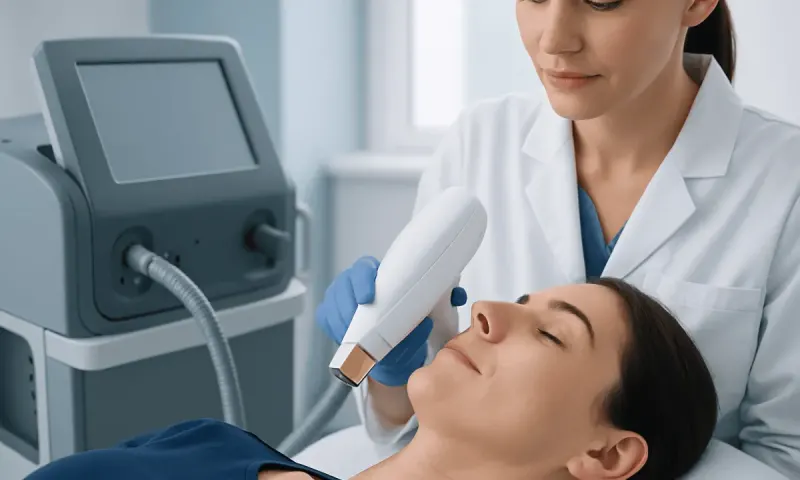
A typical appointment begins with confirmation of the treatment area, review of recent skin changes, and protective eyewear. The legs are usually shaved before treatment so that energy can be directed toward hair beneath the skin surface. Some providers may use cooling methods, a cooling gel, or a clinician-approved topical anesthetic where appropriate.
- The provider cleans and marks the treatment area if needed.
- A test spot may be performed, particularly for a first session or sensitive skin.
- The laser handpiece delivers brief pulses across small sections of the leg.
- Cooling helps improve comfort and protect the skin surface.
- The provider gives aftercare instructions and schedules review based on hair growth.
Many people describe the pulses as a brief warm snap or pinprick feeling. Mild redness and small bumps around treated follicles are common short-term reactions and often settle within hours to a few days. Treated hairs do not always disappear immediately; they may shed gradually over the following days or weeks.
After treatment, patients are generally advised to protect the legs from sun exposure, use sunscreen on exposed skin, avoid picking or exfoliating irritated areas, and follow the provider’s guidance on exercise, heat, swimming, and skin products. Waxing, plucking, or epilating between visits can interfere with treatment planning because the follicle needs hair pigment to be targeted; shaving is usually preferred if hair removal is desired between sessions.
Potential benefits include a lasting reduction in visible hair and less need for routine hair removal. Less common risks include prolonged redness, blistering, burns, crusting, infection, and lightening or darkening of the skin. Rarely, hair growth can increase in or around a treated area. Choosing a qualified provider, avoiding recent tanning, and reporting unusual symptoms promptly can reduce avoidable risk.
Can laser remove leg hair permanently?
Laser treatment is better described as long-term or permanent hair reduction rather than permanent removal of every leg hair. The U.S. Food and Drug Administration uses the term permanent hair reduction for a stable, long-term reduction in the number of hairs regrowing after a treatment course. Results vary between individuals and between body areas.
Because hairs are not all in the same growth phase at once, several sessions are usually needed to treat follicles when they are most responsive. Some people later choose maintenance treatments, especially if hormones, age, medicines, or genetics influence new hair growth. A clinician can explain what degree of reduction is realistic for the person’s hair color, skin tone, and treatment goals.
When to Seek Medical Care
Medical advice is appropriate before laser treatment for people with an active skin condition, a history of severe reactions to cosmetic procedures, recent tanning, photosensitivity, or medicines that may affect healing or sensitivity to light. A doctor should also assess rapid new hair growth, irregular menstrual cycles, acne with excess hair growth, or other changes that could suggest a hormonal condition.
After a session, patients should contact their treating provider promptly if they develop worsening pain, widespread blistering, marked swelling, increasing redness, drainage, fever, or skin changes that do not improve as advised. Urgent medical care is appropriate for severe symptoms or signs of a serious skin reaction.
For international patients seeking assessment and treatment planning, Acıbadem Health Point’s multidisciplinary specialists and JCI-accredited hospitals diagnose and treat skin and hair-related concerns in an appropriate clinical setting. A qualified clinician can help determine whether laser hair reduction is suitable and whether another approach may better meet the patient’s needs.
Frequently asked questions
01What is usually included in lower-leg laser hair removal?
Lower-leg treatment usually refers to the skin below the knees. The feet, toes, knees, and upper thighs may be separate areas, so patients should confirm the boundaries of the quote before booking.
02How many laser hair removal sessions do legs need?
Leg treatment usually requires multiple sessions because hair follicles move through different growth phases. The number and timing of visits depend on hair density, hair color, skin tone, treatment response, and the selected laser.
03Does insurance cover laser hair removal for legs?
Insurance usually does not cover leg laser hair removal when it is requested for cosmetic reasons. Anyone wondering how much does laser hair removal cost for legs with insurance should contact their insurer, because individual policies and any exceptions vary.
04Should legs be shaved before laser hair removal?
Providers commonly advise shaving shortly before the appointment so the laser can target pigment in the follicle without excessive hair above the skin. Waxing, plucking, and epilating are generally avoided before and between sessions because they remove the hair from the follicle.
05Does laser hair removal on legs hurt?
Sensations vary, but many people feel brief warmth, snapping, or pinprick-like pulses. Cooling devices and other comfort measures can help, and the provider can discuss options for sensitive areas.
06Can people with dark skin have laser hair removal on their legs?
Yes, many people with dark skin can have laser hair removal when an appropriate laser and careful settings are used. An experienced clinician should assess skin tone, recent sun exposure, hair characteristics, and any history of pigment changes before treatment.
This article is for general information only and is not a substitute for professional medical advice. Please consult a qualified doctor about your individual situation.
Hair transplant in Turkey — costs, graft counts & a free assessment
JCI-accredited · board-certified surgeons · reply within 24h
Add us as a Preferred Source to see more of our trusted health content across Google Search, AI Overviews and Discover.