How Much Does Laser Hair Removal Cost?
How much is Hair Removal: How to Prepare and Care for Your Skin After Sessions" class="ahp-ilk">laser hair removal? There is no single standard price because treatment plans depend on the body area, hair characteristics, skin tone, technology used, and the number of sessions needed. A consultation provides the safest way to receive an individualized plan and understand what is included in care.
How Much Is Laser Hair Removal?
How much is laser hair removal? The total cost varies rather than following one universal rate. It is usually influenced by the size of the body area, the number of appointments recommended, the laser system used, the clinic’s location, and the experience of the treating professional.
It is also important to ask what a quoted fee includes. Some plans may include an initial assessment, skin testing, treatment of one or more areas, follow-up advice, or planned maintenance. People considering treatment can request a written estimate after an in-person assessment, rather than comparing prices alone.
Laser hair removal is a medical-aesthetic procedure designed for long-term reduction of unwanted hair. It does not reliably remove every hair permanently, and new growth can occur with hormonal changes, aging, or other individual factors. The most appropriate plan balances expected benefit, safety, comfort, and cost.
How Laser Hair Removal Works
Laser hair removal uses concentrated light energy that is absorbed mainly by melanin, the pigment in hair. The energy is converted to heat within the hair follicle, damaging structures involved in hair growth while aiming to protect the surrounding skin.
Hair does not all grow at the same time. Lasers work best when a hair is in its active growth phase, which is why treatment is scheduled as a series of sessions spaced over time. The interval differs by body area because facial, underarm, leg, and bikini-area hair have different growth cycles.
Different devices and settings are selected according to the treatment area, skin tone, hair color, hair thickness, and history of skin sensitivity. Modern laser systems can be used on a broad range of skin tones when chosen and operated appropriately. Very light blond, gray, white, or red hair may respond less well because it contains less target pigment.
For an overview of clinician-led options, patients can explore laser hair removal treatment. A consultation is essential to determine whether Removal Laser Treatment: Sessions, Risks, and Results" class="ahp-ilk">laser treatment is likely to be effective and suitable for an individual’s needs.
Who May Be a Candidate and What Affects Planning

Many adults who want to reduce unwanted hair may be candidates for laser hair removal. Common treatment areas include the face, upper lip, chin, underarms, arms, legs, bikini line, chest, abdomen, and back. Candidacy is based on an assessment rather than on one feature, such as skin tone or hair density.
During a consultation, the clinician may ask about previous hair-removal methods, tanning, sun exposure, tendency to develop dark marks or scars, skin conditions, past cosmetic procedures, and current medicines. Some medicines or topical products can increase sensitivity to light or affect healing. Pregnancy-related considerations should also be discussed, as elective laser hair removal is commonly postponed during pregnancy.
Unwanted facial or body hair can occasionally be linked to a medical cause. For example, sudden or progressively excessive coarse hair growth in women, especially when accompanied by irregular periods, acne, scalp hair thinning, or weight changes, may warrant assessment for hormonal conditions such as polycystic ovary syndrome (PCOS). Laser treatment can address visible hair but does not treat an underlying hormonal condition.
A patch test may be recommended, particularly for darker skin tones, sensitive skin, a history of pigment changes, or use of a new device. This helps the clinician choose safer settings and observe how the skin responds before treating a larger area.
What Happens During a Laser Hair Removal Session
Before treatment, patients are usually advised to avoid tanning and to follow the clinic’s instructions about hair removal. Shaving is commonly recommended shortly before an appointment because it leaves the hair follicle in place while reducing hair above the skin. Waxing, plucking, threading, and epilating are often avoided beforehand because they remove the target hair from the follicle.
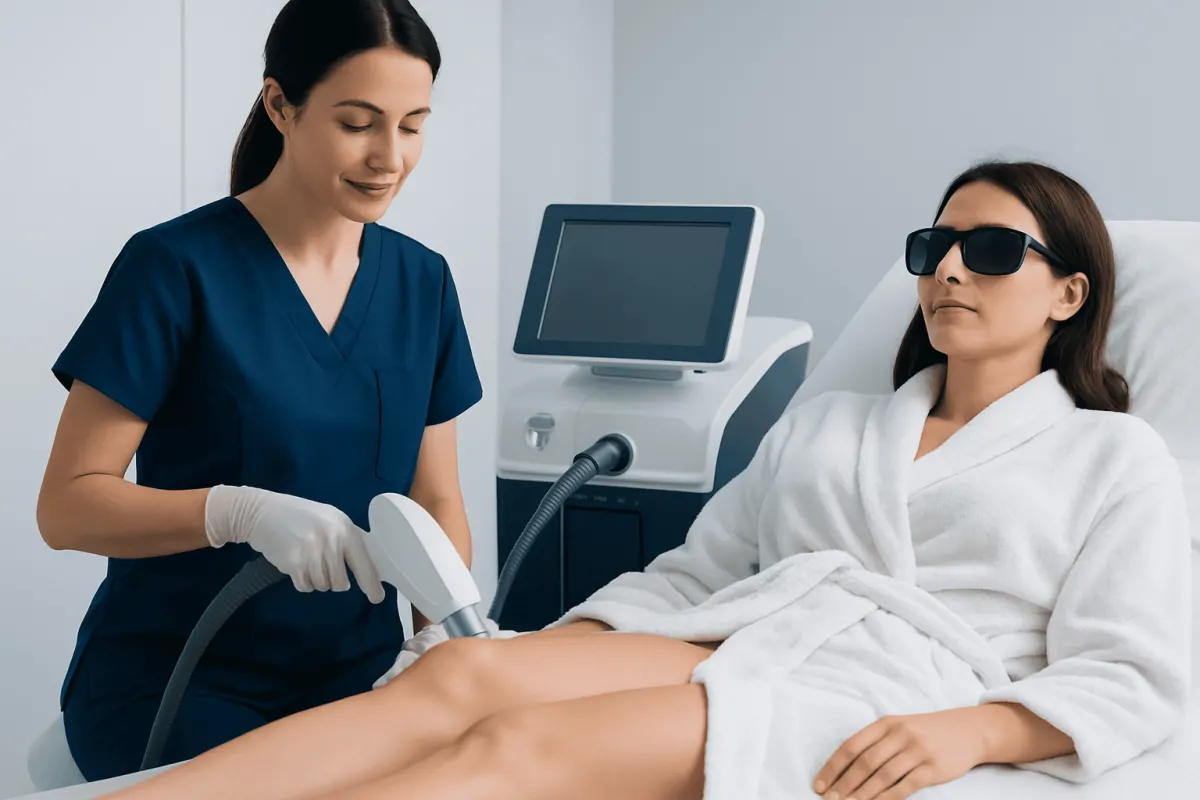
At the appointment, the skin is examined, cleansed, and marked if needed. Both the patient and treatment team wear protective eyewear. A cooling method, such as a chilled device tip, air cooling, or cooling gel, may be used to improve comfort and help protect the outer skin layer.
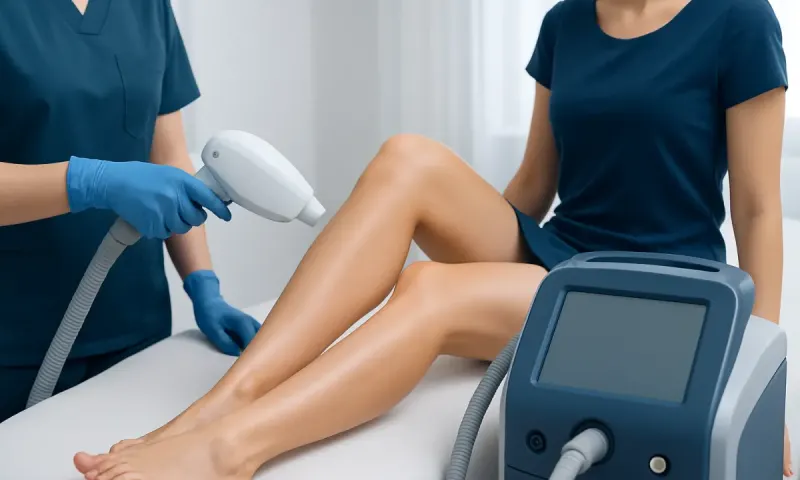
The clinician then delivers brief laser pulses across the area. Sensation is often described as warmth or a quick snapping feeling; tolerance varies with the body site, hair density, and individual sensitivity. Small areas may take only a short time, while larger areas can take longer.
Afterward, mild redness and swelling around hair follicles are common and usually settle within hours to a few days. The clinician will explain aftercare, the likely timing of the next session, and any individual changes needed to the treatment plan.
Benefits, Limits, and Possible Risks
The main potential benefit of laser hair removal is long-lasting reduction in hair growth. Treated hair may grow back more slowly, more finely, and less densely. This can reduce the need for frequent shaving, waxing, or other temporary hair-removal methods and may be helpful for people who experience irritation from these methods.
Results are gradual. Treated hairs may shed over days to weeks, and additional sessions are usually needed to target hairs entering their active growth phase. Even after a successful initial course, some people choose occasional maintenance treatment. Response differs between individuals and across body areas.
Common short-term effects include tenderness, redness, slight swelling, and a sunburn-like sensation. Less common risks include blistering, crusting, infection, scarring, or changes in skin color. Darker or lighter patches can be temporary or, rarely, longer lasting, especially if settings are unsuitable for the skin type or if the skin is exposed to strong sunlight soon after treatment.
Rarely, treatment can stimulate more noticeable hair growth in or near the treated area, a reaction sometimes called paradoxical hypertrichosis. Choosing an appropriately trained clinician, reporting any history of skin reactions, and following preparation and aftercare guidance can help reduce avoidable risks.
Recovery Timeline and Self-Care
Recovery is generally quick, and many people return to routine activities on the same day. For the first day or two, the skin may feel warm, look mildly red, or show small bumps around follicles. A cool compress may be soothing if advised by the treating clinician.
Sun protection is an important part of aftercare. Patients are generally advised to minimize direct sun exposure, avoid tanning beds, and use broad-spectrum sunscreen on exposed treated skin. Heat and friction may aggravate sensitive skin, so a clinician may recommend temporarily avoiding hot baths, saunas, strenuous exercise, fragranced products, and tight clothing on the treated area.
Hair may appear to grow after treatment before it sheds. This does not necessarily mean the session has failed; damaged hairs can take time to work out of the follicles. Between sessions, shaving is often acceptable, but plucking and waxing may interfere with the next treatment. Patients should follow their own clinic’s instructions, as advice can vary with the device and area treated.
People should contact their treatment provider promptly if they develop severe pain, blisters, marked swelling, drainage, increasing redness, or signs of an allergic-type reaction. Early advice can help manage a skin reaction appropriately.
When to Seek Medical Care
Medical assessment is advisable before cosmetic hair reduction when hair growth changes suddenly, becomes rapidly more extensive, or is accompanied by symptoms such as menstrual changes, deepening of the voice, new severe acne, unexplained weight changes, or scalp hair loss. These features may indicate a hormonal or other medical concern that should be evaluated.
A person should also speak with a doctor before treatment if they have an active skin infection, open wound, uncontrolled skin disease in the planned area, a history of abnormal scarring, or use medicines that can affect photosensitivity or healing. A dermatologist or another qualified clinician can advise whether treatment should be delayed or modified.
After laser treatment, urgent medical advice is appropriate for extensive blistering, severe or worsening pain, spreading redness, fever, pus, or eye symptoms after accidental exposure near the eye area. These complications are uncommon, but prompt assessment supports safe recovery.
Acıbadem Health Point’s multidisciplinary specialists and JCI-accredited hospitals can assess and treat concerns related to unwanted hair growth and provide laser hair removal planning for international patients.
Frequently asked questions
01How much is laser hair removal for different body areas?
The cost generally changes with the size of the treatment area and the time required for each session. Small facial areas and large areas such as the legs or back usually require different treatment plans. A clinic can provide an individualized estimate after assessing the area, hair density, skin type, and likely number of appointments.
02How many laser hair removal sessions are usually needed?
Most people need multiple sessions because hair follicles cycle through growth phases. The exact number depends on the area treated, hair and skin characteristics, hormonal influences, and response to treatment. Maintenance sessions may be useful for some people after the initial course.
03Is laser hair removal permanent?
Laser hair removal is best described as long-term hair reduction rather than guaranteed permanent hair removal. Many people experience substantially reduced regrowth, and returning hairs may be finer or lighter. Hormonal changes and other factors can lead to new growth over time.
04Does laser hair removal hurt?
Discomfort is usually brief and is often compared with a warm pinprick or the snap of a small elastic band. Cooling methods can improve comfort during treatment. Sensitivity may be greater in certain areas, but the clinician can discuss options to make the procedure more tolerable.
05Can people with dark skin have laser hair removal?
Yes, laser hair removal can be performed on many darker skin tones when an appropriate device, settings, and experienced clinician are used. The assessment is important because higher skin pigment can increase the risk of burns or pigment changes if treatment is not properly tailored. A patch test may be recommended.
06What should be avoided before and after laser hair removal?
Patients are commonly advised to avoid tanning and excessive sun exposure before and after treatment. Waxing, plucking, and epilating are often avoided before sessions because the laser needs pigment within the follicle. The treating clinic should provide individualized instructions regarding shaving, skin-care products, exercise, heat exposure, and medicines.
This article is for general information only and is not a substitute for professional medical advice. Please consult a qualified doctor about your individual situation.
Hair transplant in Turkey — costs, graft counts & a free assessment
JCI-accredited · board-certified surgeons · reply within 24h
Add us as a Preferred Source to see more of our trusted health content across Google Search, AI Overviews and Discover.