Bikini Laser Hair Removal: Sessions and Recovery

Bikini Hair Removal: How to Prepare and Care for Your Skin After Sessions" class="ahp-ilk">laser hair removal is a medical-aesthetic procedure that uses concentrated light energy to damage selected hair follicles and reduce future hair growth. It usually requires a series of sessions because hair responds best when it is in an active growth phase, and results vary with hair color, skin tone, hormones and the treatment plan.
Overview: what bikini laser hair removal does
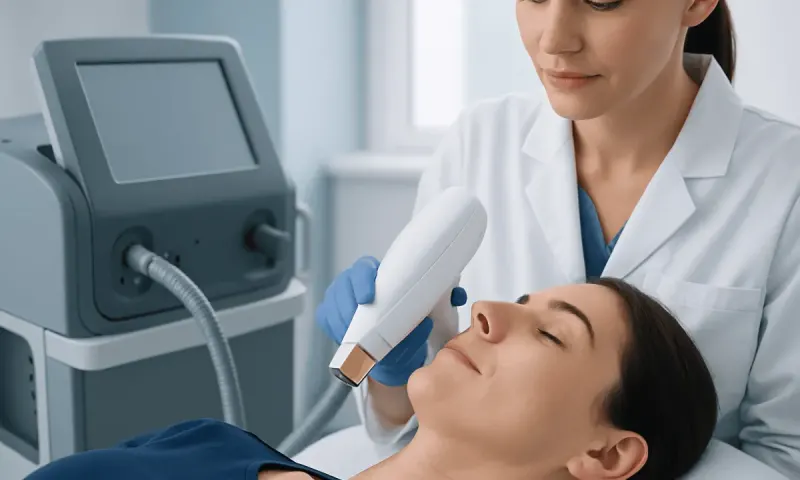
Bikini laser hair removal is a procedure designed to reduce unwanted hair in the bikini area by directing pulses of light at hair follicles. The pigment in the hair, called melanin, absorbs the light and converts it to heat. This heat can disrupt the follicle’s ability to regrow hair while aiming to leave surrounding skin unharmed.
The term “bikini area” can mean different treatment zones. A standard bikini line usually treats hair that would show outside typical underwear or swimwear. An extended bikini treatment may include more of the pubic area, while a Brazilian-style treatment generally includes most or all pubic hair and may include the area between the buttocks. The exact area should be agreed with the clinician before treatment.
Laser hair removal is best described as long-term hair reduction. Many treated hairs grow back more slowly, finer or lighter, and some follicles may stop producing visible hair. Hormonal changes, genetic factors and untreated follicles can lead to later regrowth, so maintenance treatment can be useful for some people.
Who may benefit and how suitability is assessed
People choose bikini laser hair removal for personal comfort, convenience or to reduce the need for shaving and waxing. It can be considered by adults of different genders. The most suitable approach depends on the contrast between hair and skin, hair thickness, previous hair-removal methods, medical history and personal treatment goals.
Historically, lasers worked most easily on dark, coarse hair against lighter skin. Modern devices and carefully selected settings can also be used for a broader range of skin tones, including darker skin. However, hair with very little pigment, such as white, grey, red or very light blonde hair, may respond less well because there is less melanin for the laser to target.
A consultation should include an assessment of the treatment area, a discussion of expected outcomes and a review of medications and skin history. A patch test may be advised, particularly for darker skin tones, sensitive skin or a history of pigment changes. Pregnancy is commonly a reason to postpone elective Removal Laser Treatment: Sessions, Risks, and Results" class="ahp-ilk">laser treatment because its safety in pregnancy has not been adequately established.
It is important to mention recurring ingrown hairs, rashes, scarring, genital skin conditions or symptoms that could suggest infection. These concerns may need assessment before cosmetic treatment begins.
What happens during the procedure
Before the appointment, the clinician usually confirms the planned treatment area and checks for recent tanning, irritation or other reasons to delay treatment. Hair is generally shaved shortly before or on the day of the session. Shaving leaves the follicle in place for the laser to target, whereas waxing, epilating and plucking remove the hair root and can reduce treatment effectiveness.
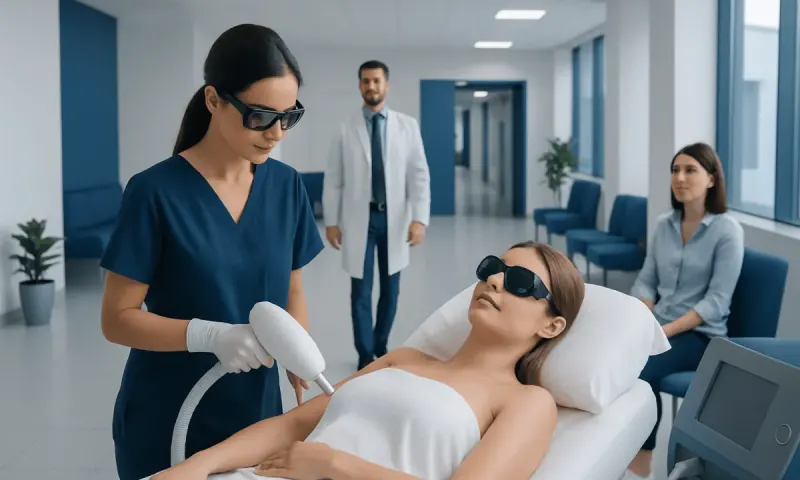
Protective eyewear is worn throughout the procedure. The skin may be cleansed, marked into sections and, depending on the device, covered with a cooling gel. Many laser systems use built-in cooling or a cooling spray to improve comfort and help protect the surface of the skin.
Each pulse may feel like a brief warm pinprick or the snap of a small elastic band. Sensation varies across the bikini area and between individuals. Treatment commonly takes minutes for a limited bikini line and longer for more extensive areas. A clinician can adjust settings and cooling methods based on comfort, skin response and safety.
Laser energy treats follicles in the active growth stage, but hairs are not all in this stage at the same time. For this reason, appointments are typically scheduled several weeks apart as part of a course. The number of sessions needed differs from person to person.
Recovery and aftercare
There is usually little or no downtime after bikini laser hair removal. Mild redness, warmth, tenderness and small bumps around treated follicles are common short-term responses. These typically improve within hours, although sensitive skin may take a few days to settle.
For the first day or two, it is sensible to keep the area cool and avoid friction. Loose, breathable underwear and clothing may be more comfortable. A cool compress can ease warmth or swelling; it should be wrapped in a clean cloth rather than applied directly as ice. Fragrance-free moisturiser may be appropriate if recommended by the treating clinician.
Hot baths, saunas, steam rooms, vigorous exercise and swimming pools can aggravate recently treated skin and are often best avoided briefly. The area should not be scrubbed, exfoliated or treated with perfumed products until it feels normal. If the bikini line may be exposed to sunlight, broad-spectrum sun protection and avoiding tanning are important because recently treated skin can be more prone to pigment changes.
Hairs may appear to continue growing for one to three weeks after a session. Often, they are being shed from the treated follicles rather than actively regrowing. They should be allowed to shed naturally; shaving is usually acceptable between sessions if the skin has recovered, but waxing and plucking should be avoided.
Results, treatment schedule and possible side effects
Early changes may be noticed after the first session, but meaningful reduction develops gradually during a course of treatments. Hair often becomes patchier, slower-growing and finer over time. A clinician will recommend an interval based on the body area, hair cycle, skin response and device used; sessions are commonly spaced by several weeks.
Results are not identical for everyone. Coarse, dark hair often responds more readily than fine or lightly pigmented hair. Conditions associated with increased androgen activity, such as polycystic ovary syndrome, can contribute to new or persistent hair growth and may mean that more treatments or maintenance are needed. Managing an underlying hormonal condition can be an important part of a broader care plan.
Common short-lived effects include redness, follicular swelling, temporary tenderness and mild itchiness. Less common risks include blistering, crusting, infection, burns, scarring or changes in skin color. These risks are reduced when an appropriately trained professional selects a suitable device and settings, performs a careful assessment and provides clear aftercare guidance.
Laser treatment should not be performed over active infection, open skin, significant sunburn or an unexplained rash. Some medicines and skincare ingredients can increase photosensitivity or irritation, so people should provide a full medication and product list during consultation rather than stopping prescribed medicine on their own.
Preparing safely for an appointment
Good preparation helps make treatment safer and more effective. People are usually advised to avoid intentional tanning, tanning beds and self-tanning products before a session. A recent tan can make it harder to select safe laser settings and may increase the chance of burns or pigment changes. The clinician will give specific timing advice based on the person’s skin and planned device.
Waxing, threading, epilating and plucking should generally be stopped in advance because the hair root needs to be present. Shaving is usually preferred shortly before treatment, as instructed. The treatment area should arrive clean and free of perfumes, deodorants, oils, topical numbing products or other products unless the clinic has advised otherwise.
People should disclose a history of cold sores, skin darkening or lightening after inflammation, <a href="https://acibademhealthpoint.com/diseases/keloid-scars/”>keloid scars, eczema, psoriasis, diabetes, immune suppression, genital infections, recent procedures and all medicines or supplements. Retinoids, exfoliating acids and certain antibiotics are examples of treatments that may require special planning. A clinician can advise whether to postpone a session or adapt the approach.
For people seeking a professionally assessed approach, laser hair removal should be performed in a setting that can evaluate skin type, hair characteristics and possible contraindications rather than relying on a one-size-fits-all protocol.
When to seek medical care
Contact the treating clinic promptly if pain, swelling, redness or warmth is worsening rather than improving, or if blisters, open skin, drainage, fever or a spreading rash develops. These signs are uncommon but may indicate a burn, infection or another reaction that needs timely assessment.
Medical advice is also appropriate for marked skin darkening or lightening, persistent itching, significant discomfort, or symptoms that do not improve as expected. Do not pick blisters or scabs, and avoid applying strong creams, antiseptics or home remedies unless advised by a healthcare professional.
Before starting treatment, a doctor or dermatologist should assess unexplained genital-area lesions, painful bumps, recurrent sores or a changing mole. Laser hair removal is not a diagnostic tool and should not delay care for a possible skin or genital health concern.
Acıbadem Health Point’s multidisciplinary specialists and JCI-accredited hospitals can assess suitability for laser hair removal and address related skin or hormonal concerns for international patients.
Frequently asked questions
01Is bikini laser hair removal permanent?
Bikini laser hair removal can provide long-term reduction in hair growth, but it does not guarantee that every hair will be permanently removed. Some hair may regrow over time, often finer or less dense, and occasional maintenance sessions may be helpful.
02How many bikini laser hair removal sessions are needed?
Most people need a series of sessions because only follicles in an active growth phase respond well at any one time. The exact number and spacing depend on the treatment area, hair thickness and color, skin tone, hormonal factors and response to treatment.
03Does bikini laser hair removal hurt?
People often describe the sensation as a quick snap, warmth or brief stinging with each laser pulse. Cooling technology and appropriate treatment settings can improve comfort, and the clinician can discuss options if a person is concerned about sensitivity.
04Can someone shave between bikini laser sessions?
Yes, shaving is generally allowed once the skin has settled after treatment. Waxing, plucking and epilating are usually avoided because they remove the hair from the follicle that the laser needs to target at the next session.
05What should be avoided after bikini laser hair removal?
For a short period, it is usually best to avoid heat, friction, vigorous exercise, saunas, hot baths, swimming and fragranced or exfoliating products on the treated area. Avoid tanning and use sun protection where the treated skin could be exposed.
06Can laser hair removal be used on dark skin?
It can be used on many darker skin tones when the correct laser type, settings and safety procedures are selected by an experienced clinician. A consultation and, in some cases, a patch test help reduce the risk of burns or pigment changes.
This article is for general information only and is not a substitute for professional medical advice. Please consult a qualified doctor about your individual situation.
Hair transplant in Turkey — costs, graft counts & a free assessment
JCI-accredited · board-certified surgeons · reply within 24h
Add us as a Preferred Source to see more of our trusted health content across Google Search, AI Overviews and Discover.