Acne Scar Removal Laser: Healing and Results Timeline
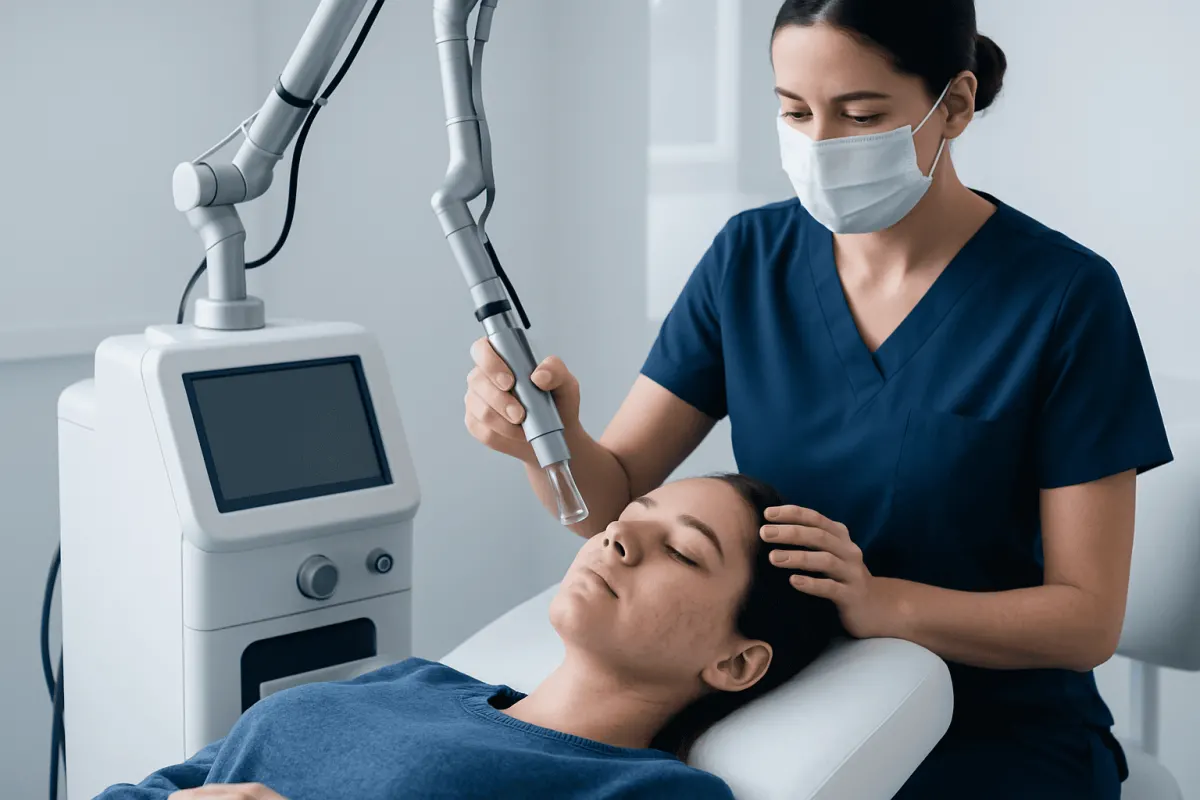
Acne scar removal laser is a commonly used dermatology procedure that may make certain acne scars less noticeable by resurfacing skin or stimulating new collagen. Most treatment effects are temporary redness, swelling, and peeling, while the visible improvement develops gradually and depends on scar type, skin tone, laser method, and aftercare.
Overview: What acne scar removal laser can do
Acne scar removal laser is generally a safe, planned procedure when it is selected and performed by a qualified skin specialist. It can improve the texture, depth, and overall visibility of certain acne scars, especially depressed scars left after inflammatory acne. It is important to know that laser treatment usually reduces the appearance of scars rather than erasing them completely.
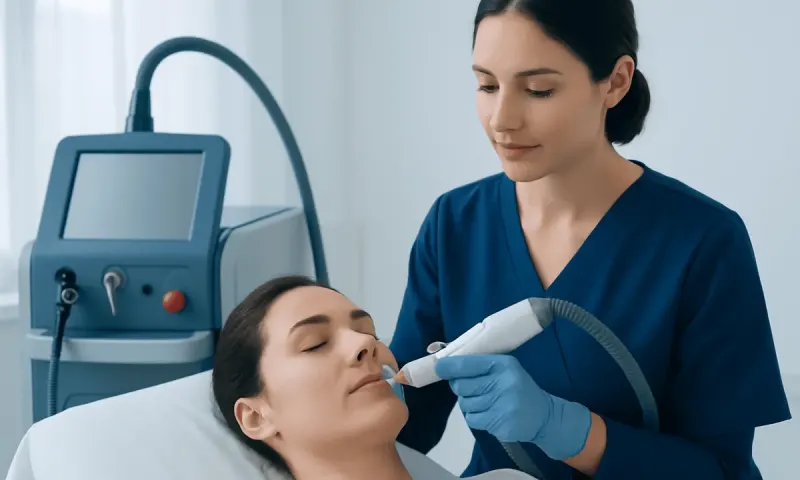
Lasers deliver controlled energy to the skin. Depending on the device, this energy removes tiny columns of damaged surface skin, heats deeper tissue to encourage collagen remodeling, or both. As the skin heals and collagen reorganizes, some scars may become smoother and blend more naturally with the surrounding skin.
Results vary because acne scars are not all alike. Rolling scars, boxcar scars, ice-pick scars, raised scars, and lingering color changes often respond differently. A clinician may recommend laser treatment alone or combine it with other approaches, such as microneedling, chemical reconstruction techniques, fillers, or scar-release procedures. Active acne should usually be controlled first; a dermatologist can also help with acne assessment and treatment.
When to seek medical care
Temporary warmth, redness, mild swelling, dryness, and flaking can be expected after many laser procedures. However, medical review is important if there is increasing rather than improving pain, marked swelling, spreading redness, blisters, pus, fever, or a new rash. These symptoms may indicate infection, an inflammatory reaction, or another problem that needs prompt assessment.
A person should also contact the treating clinic if the skin becomes unusually dark or light, develops persistent crusting, or appears to be scarring. Those with a history of cold sores should tell the clinician before treatment, because laser resurfacing around the mouth can trigger a recurrence and preventive medicine may be considered.
Before arranging a procedure, people with very recent sun exposure or tanning, active acne breakouts, eczema or other facial skin inflammation, a tendency to form thick raised scars, or a history of pigment changes after injury should seek individual advice. Pregnancy, current medicines, and recent use of certain acne treatments should also be discussed during the consultation.
Assessment and choosing the right laser
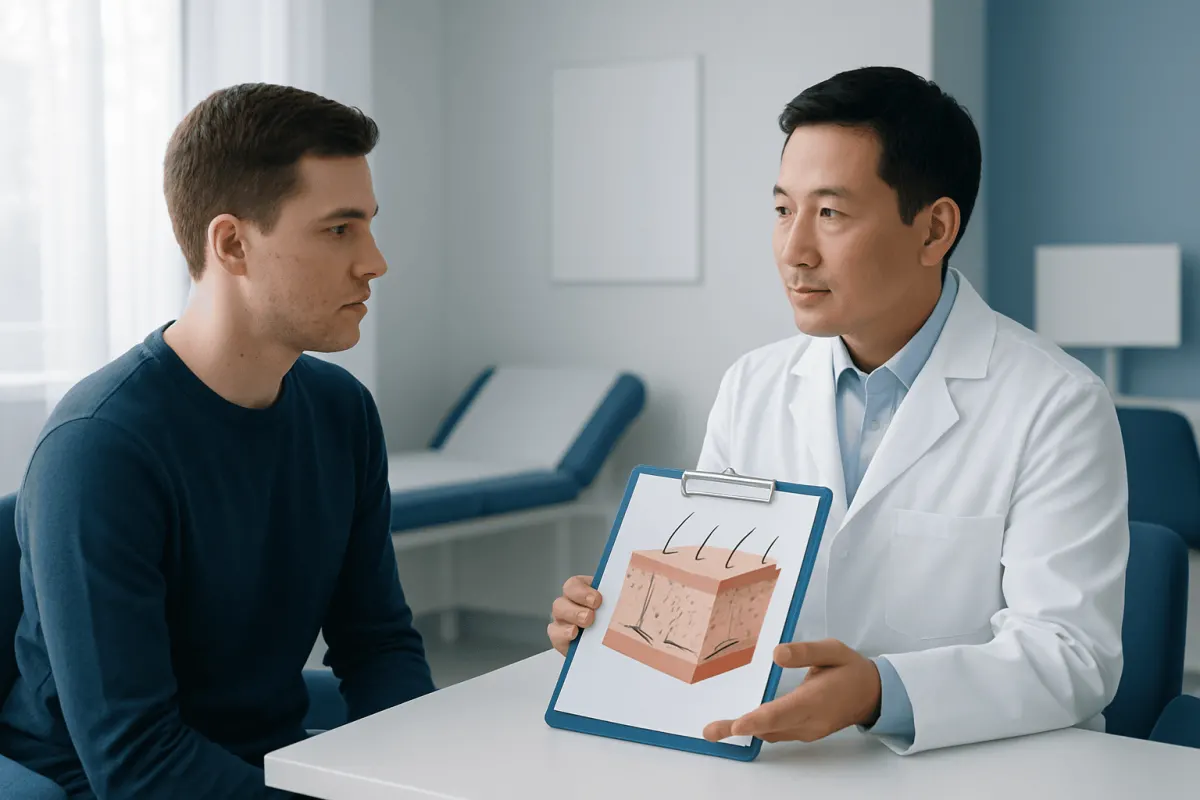
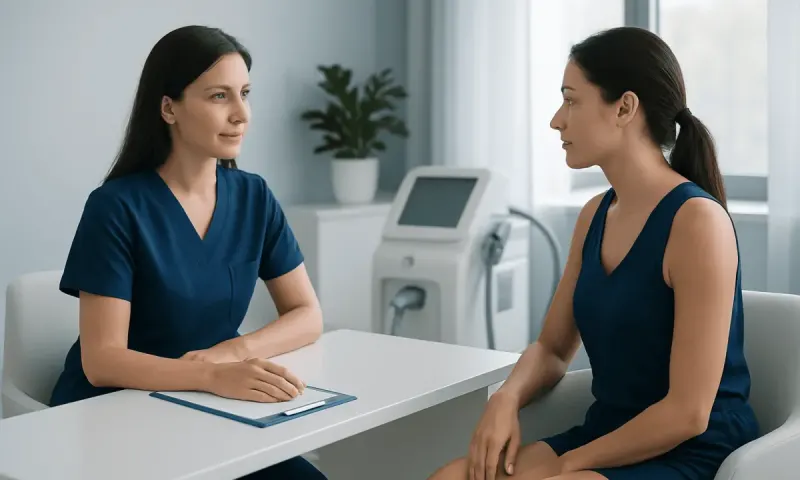
There is no single best laser for every person or every acne scar. During an assessment, a dermatologist examines the scar pattern, depth, skin texture, skin tone, current acne activity, and any signs of pigmentation. They will also ask about previous procedures, medications, sun exposure, cold sores, healing problems, and personal goals.
Fractional lasers treat small, spaced areas of skin while leaving surrounding tissue intact. They may be ablative, meaning they remove microscopic columns of skin, or non-ablative, meaning they heat tissue without removing the skin surface in the same way. Ablative fractional resurfacing can provide stronger texture improvement but generally involves more downtime. Non-ablative approaches often have a gentler recovery but may require more sessions.
Some scars need combination care. For example, tightly anchored rolling scars may benefit from release beneath the skin before resurfacing, while narrow ice-pick scars may need a targeted treatment rather than laser alone. An assessment helps establish realistic expectations and avoids treating redness, pigmentation, or active acne as though they were the same as structural scars.
- Depressed scars may respond to resurfacing and collagen stimulation.
- Raised scars need careful specialist assessment because some laser methods may not be appropriate.
- Darker skin tones can be treated, but laser settings and aftercare need particular attention to reduce pigment-related risks.
How long does it take for a laser acne scar removal to heal?
Acne scar laser treatment recovery time depends mainly on the laser type and treatment intensity. After a gentler non-ablative fractional procedure, redness and mild swelling often settle within a few days, although skin can remain slightly pink or sensitive for longer. Makeup and usual activities may be possible relatively soon if the treating clinician agrees.
After ablative fractional laser resurfacing, the skin may ooze, crust, peel, and feel tight during the early healing phase. New surface skin commonly forms over about one to two weeks, but redness can continue for several weeks and sometimes longer. The exact timeline differs between individuals, treatment settings, and areas treated.
Healing of the surface is not the same as the timeline for final results. Collagen remodeling takes place gradually over weeks to months, so improvement may continue after the skin looks healed. It is sensible to avoid scheduling treatment immediately before an important event, especially when a stronger resurfacing procedure is planned.
During recovery, patients are usually advised to use only clinician-approved gentle cleansers, moisturizers, and sun protection. Picking flakes or crusts can increase the chance of infection, scarring, or pigment change. Retinoids, exfoliating acids, scrubs, and other potentially irritating products should be restarted only when the clinician says it is appropriate.
How many sessions of laser treatment do you need for acne scars?
The number of sessions varies widely. Some people have visible improvement after one stronger ablative fractional laser treatment, while many people undergoing non-ablative fractional laser treatment need a series of sessions. The clinician may space sessions several weeks apart to allow the skin time to recover and produce collagen.
Scar depth, scar type, the selected device, skin response, and the person’s goals all influence the plan. More extensive scars may need more than one method of treatment. Rather than promising a fixed number of sessions, a responsible clinician will review progress between treatments and adapt the plan when needed.
It is also important to control new acne during the course of scar treatment. New inflammatory spots can create new scars and can complicate recovery. In some situations, broader dermatology care and acne treatment options are appropriate before or alongside scar-focused procedures.
What are the results of acne scar laser treatment before and after?
In acne scar laser removal before and after comparisons, the most meaningful changes are usually smoother skin texture, softer scar edges, and less shadowing from depressed scars. The degree of change can be subtle to substantial, but it is rarely an immediate or complete removal of scars. Lighting, camera angle, makeup, swelling, and skin hydration can all affect how photographs appear.
Immediately after treatment, the skin may look redder, rougher, or more swollen than usual. This is part of the short-term healing response and should not be judged as the final outcome. As redness fades and collagen remodeling develops, results become easier to evaluate over the following weeks and months.
Laser treatment can also improve some acne-related discoloration, but color changes and textural scars should be assessed separately. In people prone to post-inflammatory hyperpigmentation, temporary darkening can occur after laser treatment. Careful laser selection, sun avoidance, and consistent broad-spectrum sunscreen use are especially important in reducing this risk.
Is laser for acne scars worth it?
Whether laser for acne scars is worth it depends on how scars affect a person, what type of scars are present, the expected degree of improvement, the required downtime, and the individual risk profile. For a person with suitable depressed scars who wants gradual texture improvement and understands the need for recovery and possibly multiple treatments, it can be a reasonable option.
It may be less suitable when active acne is not yet controlled, when expectations are for complete scar removal, or when another treatment better matches the scar pattern. A consultation is useful for discussing alternatives, possible combinations of treatments, likely downtime, and the importance of sun protection and follow-up care.
Potential side effects include temporary redness, swelling, burning or itching, acne flares, infection, prolonged redness, and changes in skin color. Less commonly, scarring can occur. Choosing an appropriately trained dermatologist or laser specialist, following pre-treatment instructions, and reporting concerning symptoms early can help reduce risks.
Acıbadem Health Point’s multidisciplinary specialists in JCI-accredited hospitals assess and treat acne scarring for international patients, with care plans based on skin type, scar characteristics, and clinical suitability.
Preparing for treatment and protecting results
Preparation begins with an honest medication and medical-history review. The treating clinician may advise stopping certain skin-care products before treatment, avoiding tanning and direct sun exposure, and using preventive medication in selected circumstances. Patients should not stop prescribed medicines without speaking with the clinician who manages them.
After the procedure, protecting healing skin from ultraviolet light is essential. This usually includes avoiding direct sun where possible, wearing protective clothing or a hat, and using a broad-spectrum sunscreen once the skin has healed enough for it, as directed. Regular sunscreen also helps limit uneven pigmentation and helps preserve the appearance of treated skin.
A calm, simple routine is usually best during recovery. Use only recommended products, keep hands away from healing skin, avoid saunas and strenuous exercise until advised otherwise, and attend follow-up appointments. If acne recurs or scars remain distressing, the clinician can reassess whether additional laser treatment or another approach may be helpful.
Frequently asked questions
01Can laser treatment remove acne scars completely?
Laser treatment can make some acne scars less noticeable, particularly certain depressed scars, but complete removal is not usually realistic. The outcome depends on scar type, skin characteristics, laser method, and whether combination treatment is needed. A dermatologist can explain the level of improvement that is reasonable to expect.
02Is laser acne scar treatment painful?
Comfort varies with the procedure and the treatment area. A topical numbing cream is commonly used, and some stronger procedures may involve additional pain-control measures. The treating team can explain what sensations to expect and how discomfort will be managed.
03When can makeup be worn after laser treatment for acne scars?
The timing depends on the laser type and how the skin is healing. Makeup may be possible after a few days following some gentler treatments, but it should not be applied over open, oozing, or crusted skin. The treating clinician should give specific instructions based on the procedure.
04Can darker skin tones have laser treatment for acne scars?
Yes, but treatment requires careful assessment and experienced laser selection because darker skin can be more prone to post-inflammatory pigment changes. Appropriate settings, preparation, and strict sun protection can help reduce this risk. A dermatologist should individualize the plan rather than using a standard approach.
05Do acne scars return after laser treatment?
A treated scar does not usually return to its previous form, although results may vary and normal aging can affect skin over time. New acne can cause new scars, which is why ongoing acne control remains important. Some people choose further treatment to build on or maintain their improvement.
06What should be avoided after acne scar laser treatment?
Patients are commonly advised to avoid sun exposure, tanning, picking or exfoliating the skin, and unapproved active skin-care products during healing. Heavy exercise, heat exposure, and swimming may also need to be avoided temporarily, depending on the treatment. The exact instructions should come from the treating clinician.
This article is for general information only and is not a substitute for professional medical advice. Please consult a qualified doctor about your individual situation.
Explore treatments in Turkey — costs, top hospitals & a free quote
JCI-accredited · board-certified surgeons · reply within 24h
Add us as a Preferred Source to see more of our trusted health content across Google Search, AI Overviews and Discover.