Facial Laser Hair Removal: Sessions and Results

Laser hair removal for facial areas is a medical-aesthetic procedure that uses focused light to damage selected hair follicles and reduce future hair growth. It usually requires a course of treatments because facial hair grows in cycles, and results depend on hair color, skin tone, hormonal factors and the device used.
Overview: What Is Laser Hair Removal for Facial Areas?
Laser hair removal for facial areas is a procedure designed to provide long-term reduction in unwanted hair. A laser sends controlled light energy into the pigment, called melanin, in the hair shaft and follicle. The absorbed energy turns into heat and damages the follicle’s ability to produce hair, while the surrounding skin is protected as much as possible through appropriate device settings and cooling.
Common treatment areas include the upper lip, chin, jawline, cheeks, sideburns and between the eyebrows. It may be chosen by people who experience frequent stubble, ingrown hairs or irritation from shaving, waxing or threading. It is important to view the treatment as hair reduction rather than a promise of permanent removal of every hair.
Results are usually most noticeable when hair is dark and coarse relative to the skin. Modern laser systems can be used across a range of skin tones, but safe device selection and settings are especially important for darker skin because melanin in the skin can also absorb laser energy. A qualified clinician should assess individual suitability before treatment begins.
How the Facial Laser Procedure Works
Before the first appointment, the clinician reviews the person’s medical history, current medicines, tendency to pigment changes or scarring, previous hair-removal methods and recent sun exposure. The facial skin and hair are examined to select an appropriate laser type, energy level and treatment plan. A test spot may be recommended, particularly for darker skin tones, sensitive skin or a history of reactions to cosmetic procedures.
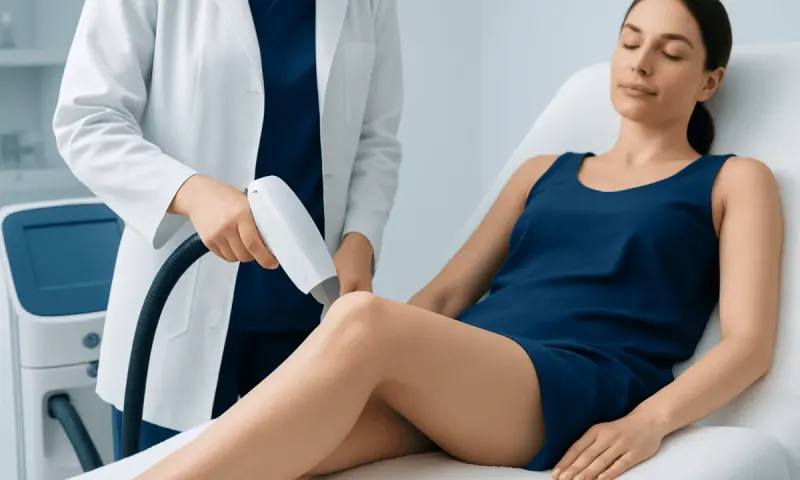
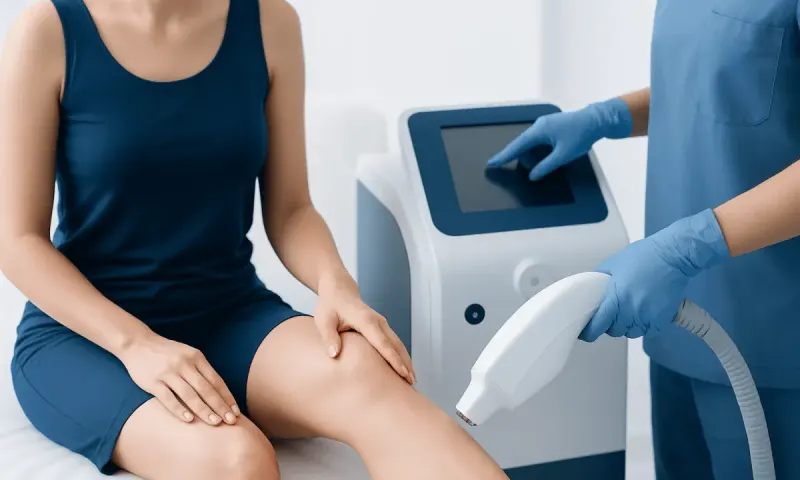
At the appointment, the treatment area is cleaned and hair may be trimmed or shaved. Both the patient and treatment provider wear protective eyewear. The laser handpiece is placed against the skin and delivers brief pulses of light. Many people describe the sensation as warmth or a quick snapping feeling. Built-in cooling or a cooling gel may improve comfort and help protect the skin.
Small areas such as the upper lip can be treated relatively quickly, while treatment of the full face takes longer. Hair is not usually pulled out during the session. Instead, treated hairs may shed gradually over the following days or weeks as the follicle responds to the laser energy.
People should avoid plucking, waxing, threading or epilating before appointments because these methods remove the hair root that the laser needs to target. Shaving or carefully trimming is generally preferred between sessions when needed, subject to the treating clinician’s advice.
Who May Benefit and Who Needs Extra Assessment?

Facial laser hair removal may be suitable for adults seeking a reduction in visible facial hair and who can commit to a series of appointments. It may also help people whose regular shaving contributes to irritation or ingrown hairs. The best candidate is not defined by one skin or hair type alone; it is someone whose hair, skin, health history and expectations have been properly assessed.
Very light blonde, red, grey and white hairs contain little pigment and may not respond well to conventional laser treatment. Fine, soft facial hair can also respond less predictably than thicker terminal hair. In some cases, especially on the face, laser stimulation of nearby fine hair has been reported. This uncommon outcome should be discussed during the consultation, particularly in people with darker skin or underlying hormonal influences.
A clinician may postpone treatment if there is an active skin infection, cold sore outbreak, open wound, significant irritation or recent sunburn in the proposed area. Some medicines and skin-care products can increase light sensitivity or skin irritation. Pregnancy-related treatment policies differ between clinics, but elective laser procedures are commonly deferred during pregnancy because safety evidence is limited.
Persistent coarse facial hair can sometimes be associated with hormonal conditions. For example, facial hair growth accompanied by irregular periods, acne, scalp hair thinning or weight changes may warrant assessment for polycystic ovary syndrome (PCOS). Laser treatment can address visible hair, but any underlying condition may also need medical management.
Preparing for Treatment and Caring for Skin Afterwards
Preparation helps reduce avoidable skin reactions. Patients are commonly advised to limit tanning, sun exposure and self-tanning products before treatment, as increased skin pigment may raise the risk of burns or discoloration. The clinician may also ask them to pause certain exfoliating or potentially irritating skin-care products for a specified period. They should provide a complete list of prescription medicines, over-the-counter products and supplements.
After treatment, mild redness, warmth and small bumps around treated follicles are common and often improve within hours to a few days. A cool compress, gentle cleanser and fragrance-free moisturizer may be comforting. The skin should be handled gently: avoid scrubs, picking, strong acids, retinoids, hot baths, steam rooms and strenuous heat exposure until the skin has settled, according to individual advice.
Daily broad-spectrum sunscreen is particularly important after facial treatment. Sun protection helps reduce the chance of post-inflammatory pigment changes and protects skin that may be temporarily more sensitive. Cosmetics can often be used once irritation has settled, but a clinician may recommend waiting if the skin remains red or tender.
Crusting, blistering or marked swelling are not expected outcomes and should be reported promptly. People with a history of cold sores around the mouth should tell their clinician before upper-lip or perioral treatment, as preventive medication may be considered in selected situations.
Results, Treatment Schedule and Maintenance
Hair grows in phases, and laser energy is most effective when a follicle is in its active growth phase. Since neighboring follicles are not always active at the same time, a single session cannot treat all hairs equally. A series of treatments spaced over time is typically needed, with the interval determined by facial location, hair growth pattern, skin response and the device used.
Many people notice that hair regrows more slowly and becomes finer or less dense after a treatment course. The degree of reduction varies. Thick dark hair generally responds better than fine or lightly colored hair, while hormonal factors can contribute to continued or renewed growth. Some people choose periodic maintenance sessions after completing an initial course.
It is normal for treated hairs to appear to grow briefly before they shed. This is often the hair being pushed out of the follicle rather than new active growth. Pulling at these hairs should be avoided; gentle washing and time are usually sufficient.
A realistic treatment plan should include discussion of expected benefits, limitations, potential side effects and alternatives. Electrolysis may be considered for small areas or hairs without enough pigment for laser treatment, although it works differently and can take more time because follicles are treated individually.
Safety, Side Effects and Choosing a Qualified Provider
When performed by a trained professional using suitable equipment and settings, facial laser hair removal is generally well tolerated. Temporary redness, swelling around follicles, tenderness and short-lived pigment changes are among the more common effects. Less common risks include burns, blisters, prolonged lightening or darkening of skin, scarring, eye injury without adequate protection and changes in acne or folliculitis.
Risk can be reduced by seeking assessment from a qualified dermatologist or appropriately trained medical-aesthetic professional, disclosing medicines and medical conditions, avoiding recent tanning and following instructions before and after each session. Device choice matters: different laser wavelengths may be selected based on skin tone and hair characteristics. A low initial setting or test patch may be safer in some circumstances.
At Acıbadem Health Point, multidisciplinary specialists and JCI-accredited hospitals can assess facial hair concerns and provide individualized laser treatment planning for international patients. A consultation should remain focused on safety, suitable expectations and whether a medical evaluation is needed before cosmetic treatment.
People should be cautious about attempting high-energy facial laser procedures at home. Home-use devices may have lower energy and may not be suitable for all skin tones or facial areas. Professional guidance is especially valuable near the eyes, on sensitive facial skin and when hair growth is associated with a possible medical condition.
When to Seek Medical Care
Medical assessment is advisable before treatment when facial hair growth is sudden, rapidly worsening or associated with other changes such as irregular menstrual periods, new severe acne, deepening of the voice, scalp hair thinning or unexplained weight changes. These symptoms do not always indicate a serious problem, but they can help a clinician decide whether hormonal testing or another evaluation is appropriate.
After laser treatment, contact the treating clinic or a doctor if there are blisters, increasing pain, significant swelling, pus, spreading redness, fever, persistent crusting or changes in skin color that do not improve. Prompt advice can help protect the skin and address possible infection or an excessive treatment reaction.
Anyone with a changing mole, unexplained facial rash or a suspected skin infection should have the area examined before laser treatment. Laser hair removal should not be used as a substitute for diagnosing a skin lesion or underlying cause of excess hair growth.
Frequently asked questions
01Is laser hair removal for facial areas permanent?
Laser treatment can produce long-term reduction in facial hair, but it does not guarantee permanent removal of every follicle. Some hairs may regrow over time, especially when hormones influence hair growth. Maintenance treatments may be useful for some people.
02How many facial laser hair removal sessions are needed?
Most people need a series of sessions because hair follicles cycle through active and resting phases. The exact number and spacing vary according to the treatment area, hair thickness, skin tone, response to treatment and hormonal factors. A clinician can provide an individualized plan after assessment.
03Does facial laser hair removal hurt?
Sensation varies, but many people feel brief warmth or a snapping sensation with each laser pulse. Cooling systems, gels or other comfort measures may be used. The upper lip can be more sensitive than some other facial areas because the skin is thin and highly innervated.
04Can laser hair removal be used on dark skin?
Yes, it can be performed on many darker skin tones when an appropriate laser, settings and experienced provider are used. Because skin pigment can absorb laser energy, careful assessment is important to reduce the risk of burns or pigment changes. A test spot may be recommended.
05Can someone shave between facial laser sessions?
Shaving or trimming is commonly allowed between sessions because it leaves the follicle in place for the next treatment. Waxing, plucking, threading and epilating are usually discouraged because they remove the hair from the root. Patients should follow the specific instructions from their treating clinician.
06Why is facial hair growing more quickly or becoming coarser?
Facial hair can change with age, genetics and normal hormonal shifts. However, sudden or pronounced growth, especially with irregular periods, acne or scalp hair loss, may need medical evaluation for a hormonal cause. Treating an underlying condition can be important alongside any hair-removal method.
This article is for general information only and is not a substitute for professional medical advice. Please consult a qualified doctor about your individual situation.
Hair transplant in Turkey — costs, graft counts & a free assessment
JCI-accredited · board-certified surgeons · reply within 24h
Add us as a Preferred Source to see more of our trusted health content across Google Search, AI Overviews and Discover.