How Much Does a Hair Transplant Cost?
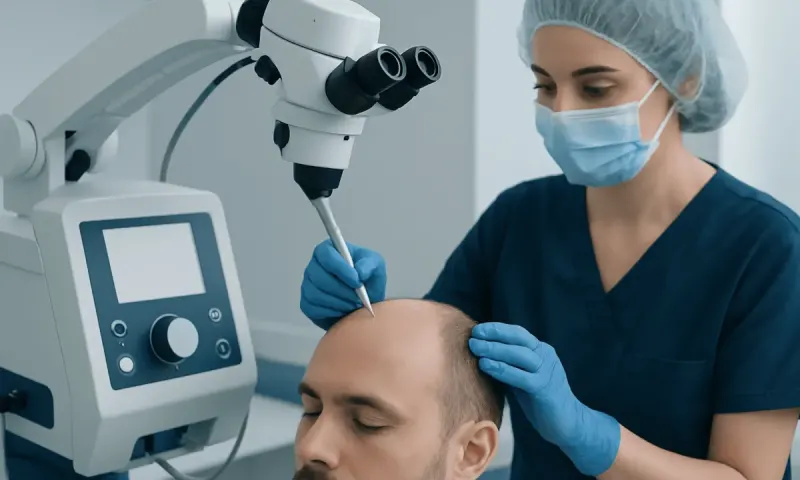
How much does a hair transplant cost depends on the individual treatment plan rather than one standard price. The main factors include the extent of hair loss, the number of grafts required, the technique used, the clinical team, location, and the level of care included before and after the procedure.
How much does a hair transplant cost?
How much does a hair transplant cost? There is no single, medically meaningful price because the total is based on an individual surgical plan. A proper estimate considers the pattern and stability of hair loss, the available donor hair, the number of follicular grafts likely to be needed, the chosen technique, where the procedure is performed, and what care is included.
It can be helpful to look beyond a headline quote. A complete plan may include consultation, scalp assessment, blood tests when appropriate, anesthesia, the surgical procedure, medications or aftercare products, follow-up visits, and arrangements for patients travelling from abroad. People should ask for a clear written explanation of what is and is not included, rather than choosing solely on the basis of cost.
The right procedure is not determined by price alone. A qualified clinician should first establish the likely cause of thinning and discuss whether surgery is suitable now, later, or not at all. For people considering treatment, hair transplant evaluation and treatment can help clarify the expected approach and recovery needs.
What a hair transplant does—and does not do
A hair transplant is a surgical procedure that moves healthy hair follicles from a donor area, commonly the back or sides of the scalp, to areas with thinning or baldness. The transplanted follicles continue their normal growth cycle after healing, which can provide a natural-looking improvement when the hairline, density, and direction of growth are carefully planned.
The procedure does not create new hair follicles. It redistributes a limited supply of donor hair, so preserving the donor area is an important part of planning. It also does not necessarily prevent hair loss from progressing in nearby, non-transplanted areas. Some people may benefit from ongoing medical treatment for hair loss, depending on the cause and their health history.
Hair transplantation is most often considered for pattern hair loss, but it may also be used in selected cases of stable hair loss from injury, burns, or certain scalp conditions. Active inflammation, infection, or scarring disease usually needs assessment and treatment before surgery is considered.
How hair transplant methods work

The two principal surgical approaches are follicular unit extraction (FUE) and follicular unit transplantation (FUT), sometimes called strip surgery. Follicular units are naturally occurring groupings of one to several hairs. Both techniques aim to preserve these units and place them into tiny recipient sites in a pattern that supports a natural appearance.
With FUE, individual follicular units are removed one at a time from the donor area using a small instrument. This usually leaves many tiny, scattered scars that may be less noticeable with shorter hairstyles, although close shaving may still reveal them. FUE can be performed manually or with assisted devices; the key consideration is the experience and planning of the surgical team, not the device alone.
With FUT, a narrow strip of donor-bearing scalp is removed and then divided into follicular units under magnification. The donor area is closed with stitches or staples and heals as a linear scar. FUT may be appropriate for some people who need a larger number of grafts or who have suitable scalp characteristics, but the best option is individual.
- Graft requirement: Larger areas of thinning generally require more grafts and more surgical time.
- Donor density and hair characteristics: Hair thickness, color contrast, curl, and density can influence the visual result.
- Hair-loss progression: A conservative, age-appropriate plan can help protect future options.
- Previous procedures: Prior transplants, scars, or limited donor supply may make planning more complex.
Who may be a candidate for a hair transplant?
Good candidates generally have a diagnosis that is compatible with transplantation, adequate donor hair, realistic expectations, and a stable or reasonably predictable pattern of hair loss. A consultation should include a detailed medical history, review of medications, examination of the scalp and donor area, and discussion of family history where relevant.
Not every type of hair shedding should be treated with surgery. Sudden diffuse shedding may occur after illness, major stress, nutritional deficiency, hormonal changes, or some medications, and it may improve when the underlying cause is addressed. Patchy hair loss can have autoimmune, fungal, or other causes that require medical diagnosis first. A clinician may recommend blood tests, scalp examination, or dermatology review before deciding on treatment.
Age alone does not determine candidacy, but people with rapidly changing hair loss may be advised to wait or consider medical management first. A transplant should be planned with the future in mind, including the possibility of further thinning. The surgeon should explain what degree of density is realistically achievable and whether more than one procedure could be considered over time.
What happens during the procedure and recovery?
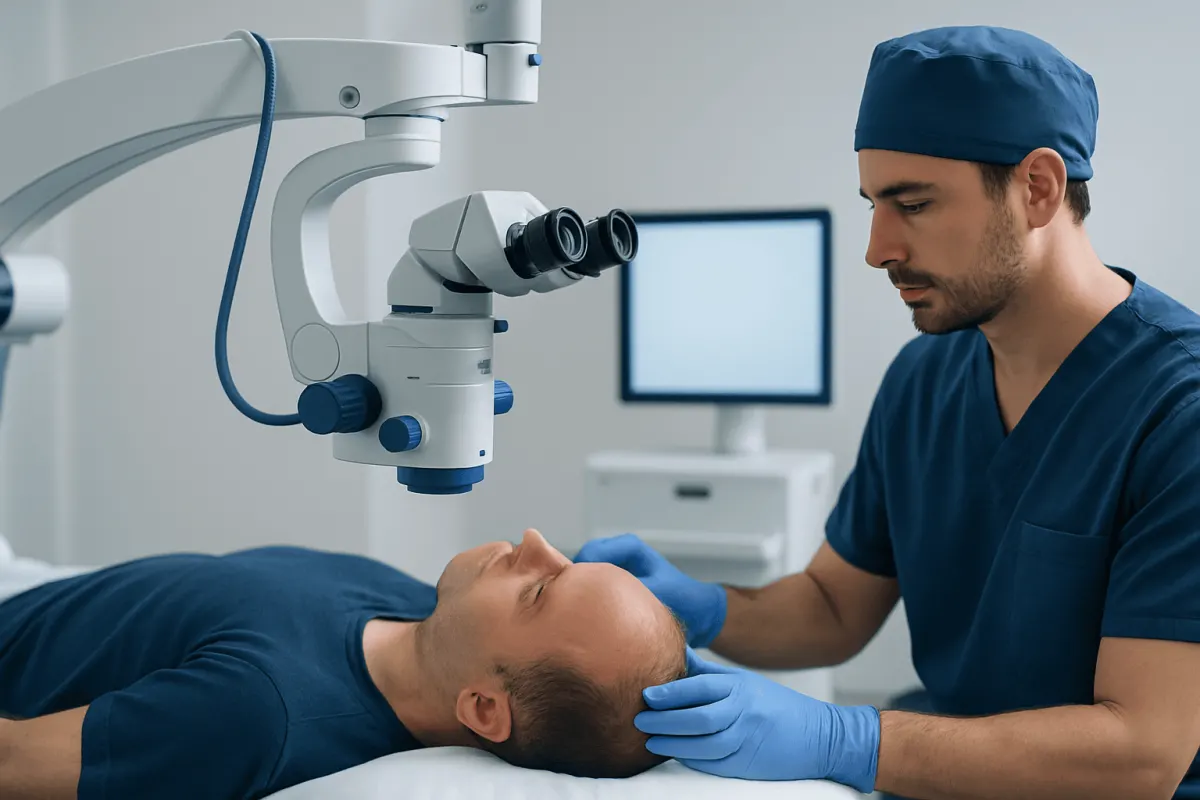
Hair transplantation is typically performed as an outpatient procedure using local anesthesia, sometimes with additional medication to support comfort when clinically appropriate. The scalp is prepared, donor follicles are harvested through FUE or FUT, and the surgeon creates carefully positioned recipient sites. The grafts are then placed according to the planned hairline, angle, and distribution.
Procedure time varies with the number of grafts and the technique used. Patients receive instructions on washing, sleep position, physical activity, sun protection, and medicines after the procedure. The newly placed grafts need gentle handling during the first days, and it is important to attend planned follow-up appointments.
Mild swelling, tenderness, redness, and small crusts can occur during early healing. In many cases, the transplanted hairs shed within the first weeks; this is expected and does not usually mean the follicles have been lost. New growth is gradual, often becoming more noticeable over several months, while final maturation of texture and density may take longer.
Recovery plans should be individualized. People should avoid returning to strenuous exercise, wearing tight headwear, or using hair and scalp products until their clinical team says it is safe. Smoking can impair wound healing, so clinicians commonly advise avoiding tobacco and nicotine products around surgery.
Benefits, limitations, and possible risks
For suitable candidates, hair transplantation can provide long-lasting hair growth in treated areas because the transplanted follicles retain many characteristics of their donor site. Careful graft placement can restore framing around the face, soften visible thinning, or improve coverage in selected areas. Outcomes depend on donor supply, hair characteristics, surgical technique, healing, and ongoing hair loss.
It is equally important to understand limitations. Transplantation cannot restore unlimited density or replace a severely depleted donor area. Existing hair may continue to thin, which can change the overall appearance over time. Medical therapies may be discussed to help preserve non-transplanted hair, but they are not appropriate for everyone and should be prescribed or recommended by a qualified clinician.
All surgical procedures carry risks. These can include bleeding, infection, swelling, temporary numbness, discomfort, visible scarring, inflammation of follicles, delayed healing, uneven growth, and an appearance that does not meet expectations. A temporary shedding of nearby existing hair, sometimes called shock loss, may occur. Choosing an appropriately trained medical team and following aftercare advice can help reduce risk, although no procedure is risk-free.
Planning safely and when to seek medical care
Before committing to surgery, patients should seek a consultation with a qualified doctor experienced in diagnosing hair and scalp conditions. Useful questions include who will perform each stage of the procedure, which technique is recommended and why, how graft needs were estimated, what scar pattern is expected, what follow-up is provided, and how future hair loss will be managed. Any provider should give balanced information about benefits, limitations, risks, and alternatives.
Medical assessment is particularly important for sudden hair loss, patchy loss, scalp pain, itching, scaling, redness, pustules, or scarring. These symptoms can indicate a condition that needs treatment before cosmetic surgery is considered. People should also arrange medical care promptly after a procedure if they develop worsening pain, increasing redness or swelling, fever, discharge, persistent bleeding, or other signs of infection.
For international patients, Acıbadem Health Point’s multidisciplinary specialists and JCI-accredited hospitals can assess hair loss and provide hair transplant care with coordinated planning and follow-up. A consultation can help ensure that decisions are based on scalp health, donor availability, and realistic long-term goals rather than cost alone.
Frequently asked questions
01Why is there no single answer to how much a hair transplant costs?
Hair transplantation is tailored to the person’s pattern of hair loss, donor hair supply, and desired coverage. The technique, estimated graft number, surgical team, clinic location, anesthesia, and aftercare services can all affect the overall treatment plan. A consultation is the safest way to receive an individualized estimate.
02Is a hair transplant covered by health insurance?
Hair transplantation for common pattern hair loss is often considered a cosmetic procedure and may not be covered by insurance. Coverage rules differ by insurer, country, and the medical reason for treatment. Patients can contact their insurer directly and ask the clinic for an itemized plan before proceeding.
03How many grafts will a person need?
The number of grafts depends on the size and location of thinning, donor density, hair characteristics, and the desired degree of coverage. A surgeon also needs to preserve enough donor hair for the long term. Graft estimates should be discussed after an in-person or appropriately conducted clinical assessment.
04Is FUE better than FUT?
Neither technique is best for every person. FUE removes individual follicular units and typically leaves small scattered scars, while FUT removes a donor strip and leaves a linear scar. The right choice depends on donor characteristics, hairstyle preferences, graft needs, previous surgery, and the clinician’s assessment.
05When will results from a hair transplant be visible?
Early shedding of transplanted hairs is common in the weeks after the procedure. New growth generally begins gradually over the following months, and the appearance continues to mature over a longer period. Individual healing and growth patterns vary, so the treating team can give the most relevant timeline.
06Can transplanted hair fall out later?
The visible hair shafts may shed soon after surgery as part of the normal healing cycle, while the implanted follicles remain in the scalp. Transplanted follicles are often relatively resistant to pattern hair loss, but results can still be affected by healing, donor quality, and ongoing loss of nearby natural hair. Continued medical follow-up may help with long-term planning.
This article is for general information only and is not a substitute for professional medical advice. Please consult a qualified doctor about your individual situation.
Hair transplant in Turkey — costs, graft counts & a free assessment
JCI-accredited · board-certified surgeons · reply within 24h
Add us as a Preferred Source to see more of our trusted health content across Google Search, AI Overviews and Discover.