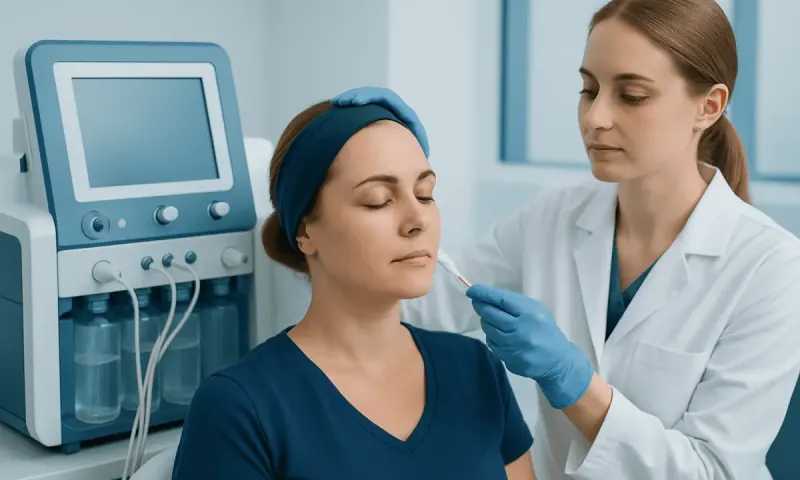
Face Treatments for Skin, Volume and Facial Contour
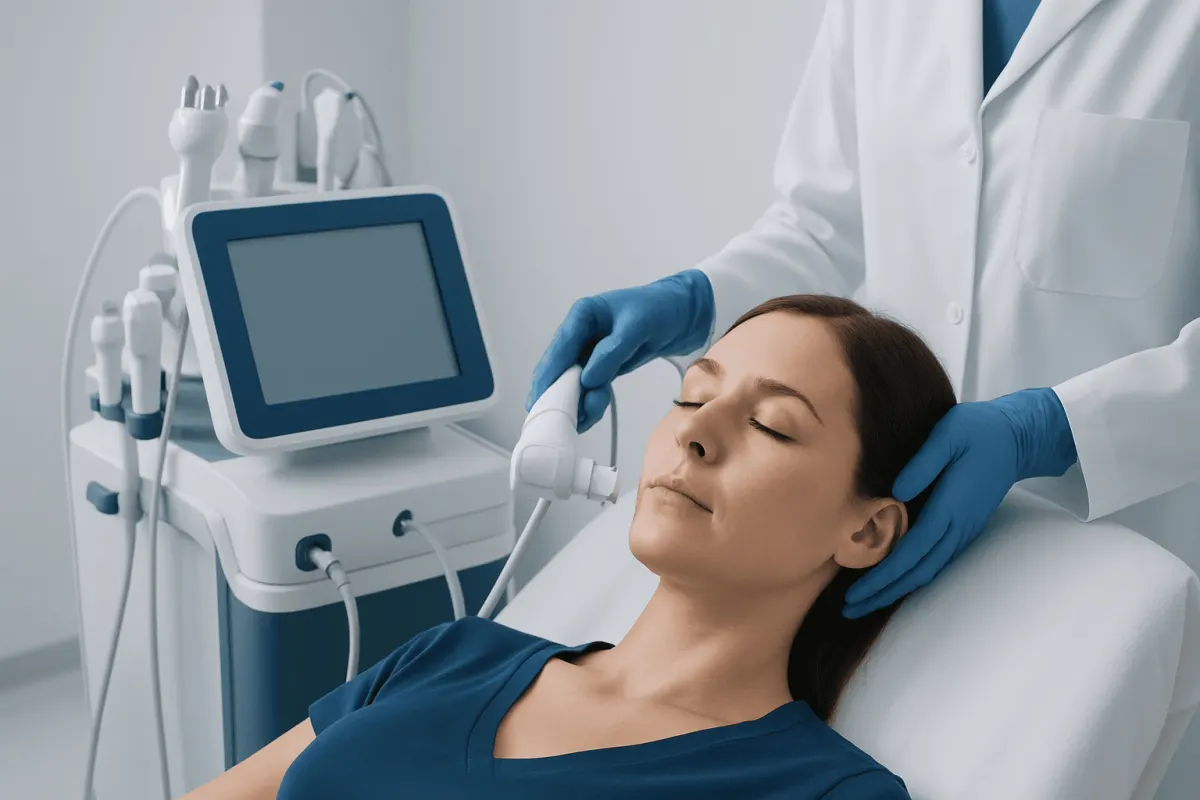
Face treatments range from skin-focused procedures such as chemical peels and laser therapy to injectable and surgical options that address wrinkles, volume changes, scars or facial contour. The safest choice depends on a person’s goals, skin type, health history and the experience of the treating clinician.
What are face treatments?
Face treatments are medical or cosmetic procedures intended to improve the appearance, texture or balance of facial skin and underlying tissues. They may be chosen for concerns such as fine lines, wrinkles, pigmentation, acne scars, enlarged pores, sun-related changes, loss of facial volume, sagging skin or changes in facial contours.
They range from non-invasive skin treatments with little or no downtime to injections, energy-based procedures and surgery. The right option depends on the concern, the person’s skin characteristics, their general health and how much recovery time they can allow. Face treatments can create a fresher or more balanced appearance, but they cannot permanently stop ageing or guarantee a particular result.
A qualified clinician should first clarify whether the concern is cosmetic, dermatological or related to an underlying health condition. For example, persistent facial redness, rapidly changing pigmentation, painful acne or a new skin lesion may need medical evaluation rather than a cosmetic procedure alone.
Common types of face treatments
Skin-focused treatments aim to improve the surface and quality of the skin. These may include professional chemical peels, microneedling, light or laser-based procedures, and selected treatments for acne scarring or uneven pigmentation. Each works differently: some encourage skin renewal, while others target pigment, blood vessels or deeper collagen support.
Injectable treatments may temporarily soften dynamic wrinkles caused by facial muscle movement or restore volume that has decreased over time. Fillers may be used in areas such as the cheeks, lips, jawline or under-eye region when clinically appropriate. Injectable procedures require careful facial assessment because facial anatomy is complex and uncommon but serious complications can occur if material enters a blood vessel.
For more noticeable skin laxity or contour changes, surgical procedures may be considered. A facelift, eyelid surgery, brow lift, chin procedure or facial fat grafting may address selected structural concerns. Surgery generally produces longer-lasting changes than non-surgical options, but involves anaesthesia or sedation in some cases, incisions and a longer recovery period.
Many people benefit from a staged plan rather than multiple procedures at once. A clinician may recommend addressing skin health first, then considering volume, wrinkles or laxity based on individual goals and safety considerations.
Choosing the right procedure
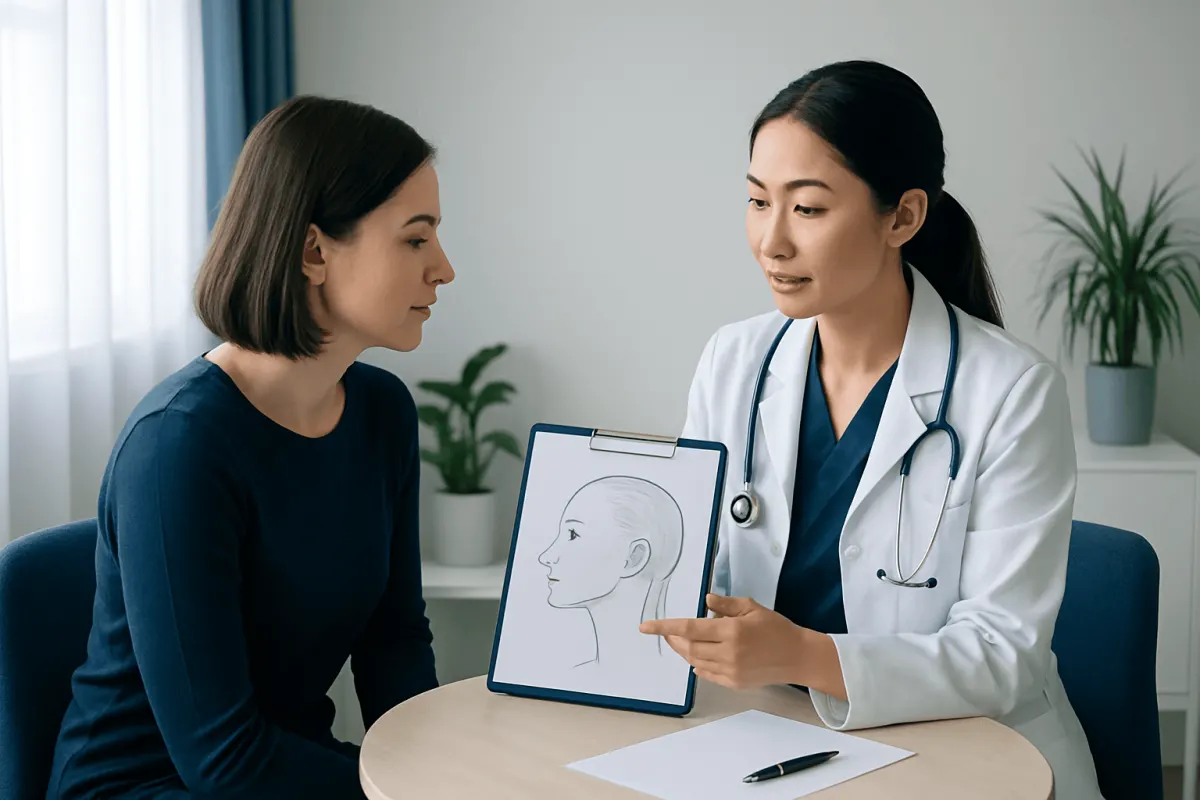
A good treatment plan begins with a consultation rather than a procedure. The clinician should ask about the main concern, desired changes, previous treatments, skin sensitivity, allergies, medicines, medical conditions and any tendency to develop scars or pigmentation changes. Photographs may be used for planning and to compare changes over time with consent.
Skin tone and skin type matter when choosing peels, lasers and other energy-based treatments. Some people have a higher likelihood of post-inflammatory hyperpigmentation or other pigment changes after irritation or injury to the skin. Selecting an appropriate device, treatment intensity and pre- and post-procedure skincare can reduce, but not eliminate, these risks.
It is important to discuss what a result can realistically achieve. Treatments that improve fine lines may not correct significant loose skin, while volume replacement will not treat every type of wrinkle. A responsible clinician will explain alternatives, expected longevity, possible side effects, the need for repeat sessions and the option of choosing no treatment.
People should be cautious about unregulated products, informal injection settings and procedures performed by unqualified providers. Treatments involving needles, prescription medicines, lasers or surgery should be carried out in an appropriately regulated clinical setting by suitably trained professionals.
What happens during a face treatment procedure?
The procedure depends on the type of face treatment. Before many skin procedures, the face is cleansed and the eyes may be protected. A topical anaesthetic cream may be used for treatments that cause discomfort. A chemical peel is applied for a controlled period, while a laser or microneedling device is moved over selected areas according to an individualized plan.
Injectable procedures typically involve marking treatment areas, cleaning the skin and using a fine needle or cannula to place the product. The clinician may use a local anaesthetic or a product that contains anaesthetic. Mild pressure, brief stinging, swelling or bruising can occur. The person should receive clear instructions about what to expect and whom to contact if symptoms are concerning.
Surgical face treatments require more detailed planning. This may include a preoperative health assessment, discussion of anaesthesia, instructions about medicines and smoking, and planning for assistance after the procedure. Incision placement, tissue adjustment and closure depend on the operation being performed.
Before consenting, patients should understand the anticipated benefits and limitations, common side effects, uncommon serious risks and the recovery plan. They should also have enough time to ask questions and decide without pressure.
Recovery and aftercare
Recovery from face treatments can range from a few hours of mild redness to several weeks of swelling and bruising. After a light peel, microneedling session or some laser procedures, temporary warmth, dryness, flaking or sensitivity may occur. Stronger resurfacing treatments can produce more pronounced redness and peeling, and require closer aftercare.
After injections, mild swelling, tenderness, bruising or temporary unevenness may be present. People are commonly advised to avoid touching or massaging the treated area unless specifically instructed, and to follow individual advice about exercise, makeup, alcohol and heat exposure. Instructions vary by product and treatment area, so the treating clinician’s advice should take priority.
Following facial surgery, swelling and bruising usually improve gradually rather than immediately. Keeping follow-up appointments, resting as advised, avoiding strenuous activity until cleared, protecting incisions and taking prescribed medicines correctly all support recovery. Smoking and nicotine products can impair wound healing and should be discussed well before surgery.
For nearly all procedures, gentle cleansing, moisturizer if recommended and daily broad-spectrum sun protection are important. Avoid exfoliants, retinoids and active skincare products until the clinician confirms that the skin barrier has recovered. Picking peeling skin or scabs can increase the risk of scarring, infection and pigment changes.
Results, duration and realistic expectations
Results develop on different timelines. Injectable wrinkle treatments may begin to take effect over several days, while fillers may create an immediate change that settles as swelling resolves. Collagen-stimulating procedures, including some microneedling and energy-based treatments, often improve gradually over weeks or months as the skin remodels.
The duration of results varies with the procedure, the treated area, individual metabolism, skin quality, sun exposure, smoking, weight changes and ageing. Some treatments are designed as a course of sessions, while others need maintenance at intervals. Surgical procedures can have longer-lasting effects, although the face continues to age naturally.
Before-and-after photographs can be useful when interpreted carefully. Lighting, facial expression, makeup, positioning and image editing can affect appearance, so photographs should not be viewed as a promise of an identical outcome. The best goal is an improvement that is appropriate to the individual’s anatomy and preferences.
Skin health remains important after any procedure. Consistent sun protection, adequate sleep, balanced nutrition, smoking avoidance and management of skin conditions can help preserve results and may reduce the need for more intensive treatments over time.
Safety, side effects and when to seek medical care
Common short-term effects of face treatments include redness, swelling, tenderness, dryness, bruising, peeling and temporary changes in skin sensation. Possible risks vary by procedure and can include infection, scarring, pigment changes, burns, prolonged swelling, asymmetry, poor wound healing or an unsatisfactory cosmetic result.
Medical care should be sought promptly after a facial procedure for severe or worsening pain, rapidly increasing swelling, spreading redness, pus, fever, blisters, a rash with breathing difficulty, or wounds that appear to be opening. After injectable treatments, urgent assessment is particularly important for unusual severe pain, pale or dusky skin, mottled discoloration, visual changes, drooping eyelid, severe headache or other neurological symptoms.
People should also arrange a non-urgent medical review for persistent acne, eczema, rosacea-like flushing, darkening of the skin after treatment or symptoms that do not improve as expected. A dermatologist or qualified clinician can assess whether further treatment, a change in skincare or investigation of another condition is needed.
Acıbadem Health Point’s multidisciplinary specialists and JCI-accredited hospitals provide assessment and treatment planning for international patients considering facial procedures. An in-person consultation helps ensure that recommendations are tailored to health needs, anatomy and informed preferences.
Frequently asked questions
01Are face treatments safe?
Face treatments are generally safest when they are selected appropriately and performed by qualified, experienced clinicians in a regulated setting. Every procedure has potential side effects and risks, so medical history, skin type, treatment goals and aftercare should be reviewed beforehand.
02How long does recovery from face treatments take?
Recovery depends on the treatment. Some non-invasive procedures cause redness or sensitivity for hours to a few days, while stronger resurfacing procedures and facial surgery can require weeks of healing. The clinician can provide a recovery estimate based on the exact procedure and the individual’s health.
03Can face treatments remove wrinkles permanently?
No face treatment permanently stops ageing or removes all wrinkles. Some procedures temporarily relax wrinkle-causing muscles, improve skin texture or restore volume, while surgery may improve laxity for longer. Maintenance treatments and daily sun protection may help preserve improvement.
04Which face treatment is best for acne scars?
The best approach depends on the scar type, skin tone, active acne and degree of scarring. Options may include microneedling, chemical peels, <a href="https://www.acibademhealthpoint.com/blog/hair-removal-laser-treatment-sessions-risks-and-results/" title="Hair Removal Laser Treatment: Sessions, Risks, and Results" class="ahp-ilk">laser treatment, subcision, fillers or a combination of methods. A dermatologist should assess scars before treatment, especially when active acne or pigmentation concerns are present.
05Should a person stop skincare products before a facial procedure?
Some products, particularly retinoids, exfoliating acids and irritating active ingredients, may need to be paused before and after certain treatments. The timing differs by procedure and skin condition, so it is important to follow the treating clinician’s instructions rather than stopping prescribed medicines independently.
06When should someone delay a face treatment?
A procedure may need to be postponed during an active skin infection, cold sore outbreak, severe acne flare, sunburn or unexplained rash. Pregnancy, breastfeeding, certain medications, recent procedures and health conditions can also affect which treatments are appropriate. A clinician can advise on safe timing and alternatives.
This article is for general information only and is not a substitute for professional medical advice. Please consult a qualified doctor about your individual situation.
Explore treatments in Turkey — costs, top hospitals & a free quote
JCI-accredited · board-certified surgeons · reply within 24h
Add us as a Preferred Source to see more of our trusted health content across Google Search, AI Overviews and Discover.