Light Chemical Peel: Skin Peeling and Recovery

A light chemical peel is a superficial skin-resurfacing procedure that uses a mild chemical solution to remove part of the outermost skin layer. It can help improve uneven tone, rough texture, mild acne and fine lines, with relatively brief downtime when performed and followed appropriately.
Overview: what is a light chemical peel?
A light chemical peel, also called a superficial chemical peel, is a procedure that applies a carefully selected chemical solution to the skin. The solution loosens and exfoliates damaged cells in the outermost layer, encouraging renewal of the skin surface. It is commonly used on the face and may also be used on areas such as the neck, chest or hands when appropriate.
Common peel agents include alpha-hydroxy acids, such as glycolic or lactic acid, beta-hydroxy acids such as salicylic acid, and certain low-strength combination solutions. The best choice depends on the person’s skin type, sensitivity, concerns and goals. A clinician may recommend this approach for dullness, uneven texture, mild discoloration, fine lines, acne or post-acne marks.
Unlike medium and deep chemical peels, a light peel does not aim to reach deeper layers of the skin. Recovery is usually shorter, but the improvement is also more subtle and gradual. Several treatments, spaced according to a clinician’s advice, may provide more noticeable and sustained results.
What happens during the procedure?
Before treatment, a dermatologist or trained aesthetic clinician reviews the person’s concerns, skin history, allergies, previous procedures and current medicines or skin-care products. It is important to mention a history of cold sores, keloid scarring, darker marks after skin irritation, eczema, psoriasis, pregnancy, or use of acne medicines and retinoids. These factors can affect whether a peel is suitable and how it should be performed.
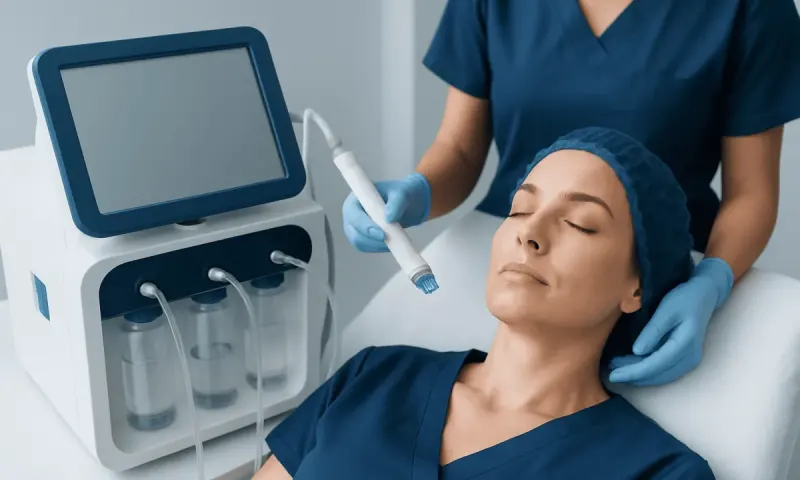
On the day, the skin is cleansed and protected around sensitive areas such as the eyes and lips. The peel solution is then applied for a controlled period. Mild tingling, warmth, stinging or itching can occur during application. The clinician may neutralize the peel, depending on the product used, then apply soothing products and sunscreen.
The procedure itself often takes less than an hour, although consultation and skin preparation add time. A light chemical peel is usually performed as an outpatient treatment, so the person can return home afterward. They should plan to avoid intense sun exposure, strenuous exercise and important social events for several days if possible, as visible redness or flaking can occur.
What can I expect after a light chemical peel?

Immediately after a light chemical peel, the skin may look pink or red and feel warm, tight, dry or mildly sensitive. These effects often settle over the first day or two. Some people experience only light dryness, while others develop fine flaking or visible peeling, particularly around the nose, mouth and chin.
Peeling commonly begins within a few days and may last several days. The amount of peeling is not a reliable measure of how well the treatment worked. Skin renewal continues even when peeling is minimal, so it is important not to scrub, pick or pull at loose skin.
As the surface heals, the skin can temporarily be more sensitive to products and sunlight. Gentle cleansing, a bland moisturizer and broad-spectrum sunscreen are usually central to aftercare. The clinician may provide individualized instructions based on the peel used and the person’s skin condition.
- Redness, dryness and mild swelling may occur temporarily.
- Fine flaking or peeling can appear over the following days.
- Makeup may be suitable after a short interval if the skin is intact and the clinician agrees.
- Smoother, more even-looking skin may become clearer as irritation settles.
How long does it take to heal from a light chemical peel?
Most people recover from a light chemical peel within about three to seven days, although the exact timing varies with the peel agent, skin sensitivity, treatment area and aftercare. Mild redness may fade within hours to a few days, while dryness and flaking can continue for up to a week. People with sensitive skin may need a little longer before the skin feels fully settled.
During recovery, the skin barrier is temporarily more vulnerable. Keeping the routine simple can support healing: use a gentle cleanser, a fragrance-free moisturizer if recommended, and broad-spectrum sunscreen every day. A clinician may advise when to restart active products such as retinoids, exfoliating acids, benzoyl peroxide or vitamin C, as restarting too soon can cause irritation.
Although the surface may look improved after the first week, final visible benefits develop gradually as the skin completes its renewal cycle. If significant redness, swelling, pain, blistering, crusting or worsening discoloration occurs, the person should contact the treating clinician promptly rather than trying to manage it with additional over-the-counter products.
What not to do after a light chemical peel?
After a light chemical peel, people should avoid actions that irritate the healing skin or increase the risk of uneven pigmentation. This includes picking, rubbing or exfoliating flakes; using scrubs, cleansing brushes, strong acids or at-home peels; and applying retinoids or acne treatments before the clinician says they can be restarted. Harsh, fragranced or alcohol-based products may also sting and should generally be avoided during the early recovery period.
Sun exposure is particularly important to avoid. Freshly treated skin can burn more easily and may be more likely to develop dark or light marks after ultraviolet exposure. Broad-spectrum sunscreen, shade, a wide-brimmed hat and other protective clothing are useful even on cloudy days. Tanning beds should be avoided.
It is also sensible to postpone activities that create excess heat, friction or sweating for the time advised by the clinician. These may include vigorous exercise, hot yoga, saunas, steam rooms and swimming in chlorinated pools. Waxing, threading, depilatory creams, facial shaving and other hair-removal methods should be delayed until the skin has healed.
Is a light chemical peel worth it?
A light chemical peel may be worthwhile for someone seeking gradual improvement in skin brightness, surface smoothness, mild acne, clogged pores, fine lines or uneven tone with limited downtime. It is generally not designed to correct deep wrinkles, pronounced scars, severe sun damage or substantial skin laxity. A consultation helps align the expected results with the person’s concerns.
Its value often comes from being customizable and repeatable. A treatment plan may combine peels with a simple home skin-care routine, sun protection or other clinician-recommended approaches. For acne-related concerns, management may also include evaluation of the underlying condition and tailored therapy for acne.
All chemical peels carry some risk, including prolonged irritation, infection, scarring and changes in skin color, especially when the wrong peel strength is used or aftercare is not followed. These risks are generally lower with superficial procedures but are not absent. Choosing a qualified professional with experience treating a range of skin tones is an important part of safe decision-making.
Who should consider extra caution?
Not everyone is an ideal candidate for a light chemical peel at a particular time. Treatment may need to be postponed when there is an active skin infection, open wound, severe sunburn, flare of eczema or another inflammatory skin condition. People who are prone to cold sores may need preventive planning if a peel is being performed around the mouth.
Those with darker skin tones or a personal history of post-inflammatory hyperpigmentation need especially individualized assessment. Any skin injury or inflammation can sometimes lead to temporary or persistent darkening. Pre-treatment skin preparation, conservative peel selection and diligent sun protection can help reduce risk.
A clinician should also review prescription and nonprescription medicines, including isotretinoin, topical retinoids, anticoagulants and products containing exfoliating acids. For people considering broader treatment for skin concerns, a dermatology consultation can determine whether a peel, medical skin care or another procedure is most appropriate.
When to seek medical care
Contact the treating clinician promptly if symptoms seem more severe than expected, including increasing pain, marked swelling, spreading redness, blisters, pus, fever, extensive crusting or signs of an allergic reaction. New or worsening dark patches, pale patches, prolonged redness or delayed healing should also be assessed. Early guidance can help prevent complications and avoid further irritation.
Anyone with an active facial rash, suspected infection or a sudden change in a mole or other skin lesion should seek medical evaluation rather than attempting to treat the area with a cosmetic peel. A chemical peel is not a diagnostic test and should not be used to conceal a potentially serious skin concern.
Acıbadem Health Point’s multidisciplinary specialists and JCI-accredited hospitals provide assessment and treatment planning for international patients with dermatologic and aesthetic concerns. A qualified clinician can advise whether a light chemical peel is suitable and give personalized instructions for safe recovery.
Frequently asked questions
01How long does it take to heal from a light chemical peel?
Healing from a light chemical peel commonly takes about three to seven days. Redness often improves first, followed by dryness or light flaking. Recovery can take longer in sensitive skin or after a stronger superficial peel.
02Is a light chemical peel worth it?
A light chemical peel can be a useful option for mild texture changes, dullness, uneven tone, acne and fine lines when a person wants limited downtime. Results are usually gradual rather than dramatic, and several sessions may be advised. A clinician can help determine whether it matches the person’s goals.
03What not to do after a light chemical peel?
Do not pick or peel flaking skin, use scrubs or strong active ingredients, or restart retinoids and exfoliating acids too early. Avoid sun exposure, tanning, hot environments and strenuous activity for the period advised by the clinician. Use only gentle products recommended for recovery.
04What can I expect after a light chemical peel?
Temporary redness, warmth, tightness, dryness and fine peeling are common. These effects generally improve over several days, revealing smoother and brighter-looking skin as healing progresses. The amount of visible peeling can vary and does not predict the result.
05Does a light chemical peel hurt?
Most people feel temporary tingling, stinging or warmth while the solution is on the skin. This is usually brief and manageable, especially with superficial peels. Tell the clinician if discomfort is intense or continues after the treatment.
06How soon will I see results from a light chemical peel?
Some people notice a fresher appearance once redness and flaking settle, often within about a week. Improvements in texture and tone may continue to develop over the following weeks. A series of treatments may be recommended for certain concerns.
This article is for general information only and is not a substitute for professional medical advice. Please consult a qualified doctor about your individual situation.
Explore treatments in Turkey — costs, top hospitals & a free quote
JCI-accredited · board-certified surgeons · reply within 24h
Add us as a Preferred Source to see more of our trusted health content across Google Search, AI Overviews and Discover.