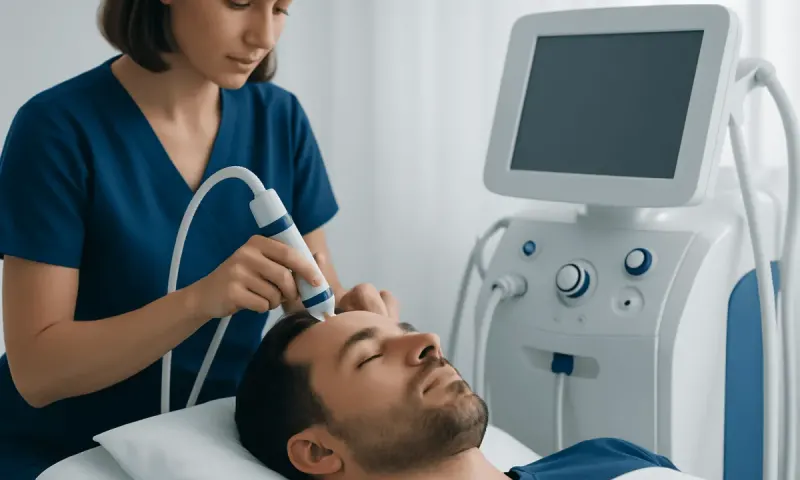
Professional Skin Treatments: Who Is a Good Candidate and What Results Are Realistic?

Professional skin treatments can address concerns such as uneven tone, acne scars, fine lines, redness, and sun damage. The best candidates are people with clear goals, healthy skin habits, and an evaluation by a qualified dermatologist or skin specialist to match treatment choice with realistic expectations.
Overview of Professional Skin Treatments
Professional skin treatments are non-surgical or minimally invasive procedures used to improve the appearance and health of the skin. Common goals include softening fine lines, reducing acne scars, improving uneven pigmentation, calming certain types of redness, refining pores, and creating a smoother texture. These treatments are usually performed by dermatologists, plastic surgeons, or trained medical skin-care professionals working under medical supervision.
There is no single treatment that is best for everyone. Options range from light chemical peels and facials to microneedling, laser resurfacing, intense pulsed light, radiofrequency-based treatments, and injectable procedures used alongside skin therapies. The right choice depends on the person’s skin type, medical history, comfort with downtime, and the concern being treated.
In general, professional skin treatments offer improvement rather than perfection. Many people notice fresher-looking skin, more even tone, or gradual softening of scars and lines, but complete removal of every mark or wrinkle is not realistic. An honest consultation helps define what can reasonably be achieved and how many sessions may be needed.
Who Is a Good Candidate?
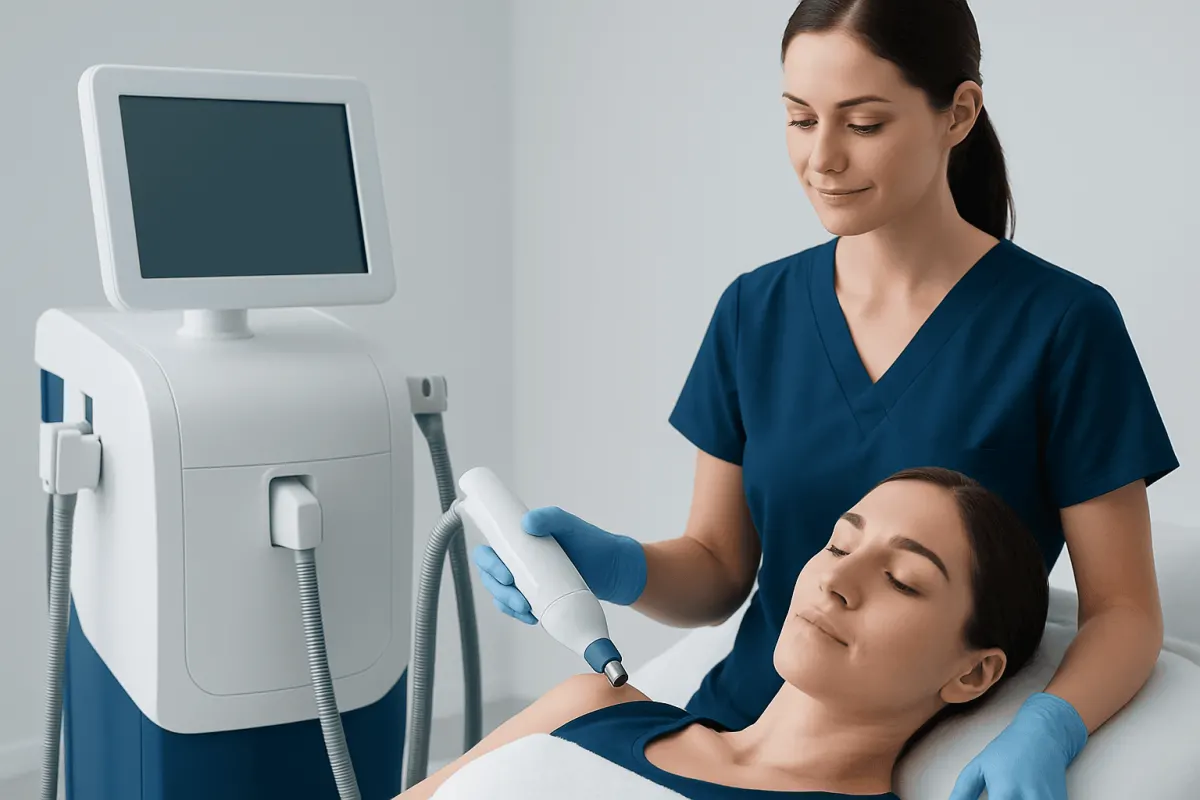
A good candidate for professional skin treatments is someone with a specific skin concern and a clear understanding of what they hope to improve. They should be in good general health, able to follow before-and-after instructions, and prepared for the fact that some treatments require maintenance. People who expect subtle, natural-looking improvement often feel most satisfied because their goals align well with what many procedures can deliver.
Suitable candidates may want help with acne scars, sun spots, rough texture, enlarged pores, fine lines, or mild skin laxity. Others seek treatment for redness, dullness, or uneven skin tone. During an assessment, the clinician reviews skin sensitivity, tendency to scar, active breakouts, recent tanning, use of medications such as retinoids, and any history of pigmentation problems after irritation.
Not everyone should have every treatment. A person may need to postpone treatment if they have an active skin infection, a severe eczema flare, an open wound, recent significant sun exposure, or certain medical conditions that affect healing. Pregnancy, a history of <a href="https://acibademhealthpoint.com/diseases/keloid-scars/”>keloid scars, autoimmune skin disease, or use of medicines that increase photosensitivity can also influence which procedures are appropriate.
Skin tone matters as well. People with medium to dark skin can often benefit greatly from professional procedures, but some lasers and aggressive peels require extra caution because of a higher risk of post-inflammatory hyperpigmentation. An experienced specialist can often adjust energy settings, choose safer technologies, or recommend alternatives such as microneedling when appropriate.
Common Treatment Options and What They Help
Different professional skin treatments target different layers of the skin. Surface-focused treatments, such as light chemical peels, can improve dullness, mild pigmentation, and uneven texture. Deeper approaches, including certain lasers and medium-depth peels, may help more with scars, sun damage, and wrinkles but usually involve more downtime and stricter aftercare.
Microneedling creates controlled micro-injuries that stimulate collagen production. It is commonly used for acne scars, fine lines, and texture concerns. Laser-based procedures can target redness, pigment, scars, and photoaging. Depending on the device, treatment may remove thin layers of skin or work beneath the surface to trigger collagen remodeling through laser treatment.
Chemical peels use carefully selected acids to exfoliate or renew the skin. A superficial chemical peel may brighten and smooth the complexion with limited recovery time, while stronger peels can address deeper discoloration or fine lines but require closer supervision. Other options include light-based procedures for redness, radiofrequency for tightening, and supportive skin-care plans that improve and maintain results.
For patients whose main concern is persistent breakouts or scarring related to acne, treatment planning may also include evaluation for acne. Addressing active inflammation before resurfacing often improves safety and makes later scar treatments more effective.
What Results Are Realistic?
Realistic results depend on the concern being treated, the starting condition of the skin, and the procedure chosen. Many professional skin treatments can make skin look smoother, clearer, brighter, or firmer, but they do not stop natural aging or permanently erase every pore, scar, or wrinkle. Improvement is often gradual because collagen remodeling takes time.
For example, mild discoloration or dullness may improve after one or two sessions of a superficial treatment, while acne scars and deeper wrinkles usually need a series of treatments over several months. Some concerns respond very well but still remain partially visible. A scar may become softer and less noticeable rather than disappear completely, and pigmentation may fade significantly but can return with sun exposure.
It is also important to understand maintenance. Professional treatments can reset or improve the skin, but long-term results depend on everyday care. Sun protection, gentle cleansing, moisturization, and clinically appropriate products recommended by a doctor help preserve gains. Smoking, frequent tanning, and inconsistent skin care can limit or shorten results.
Photos taken under consistent lighting are often more useful than day-to-day mirror checks because small changes can be hard to notice. A qualified clinician should explain the likely degree of improvement, possible side effects, expected recovery time, and whether repeat sessions will be needed before treatment begins.
How Doctors Choose the Right Treatment
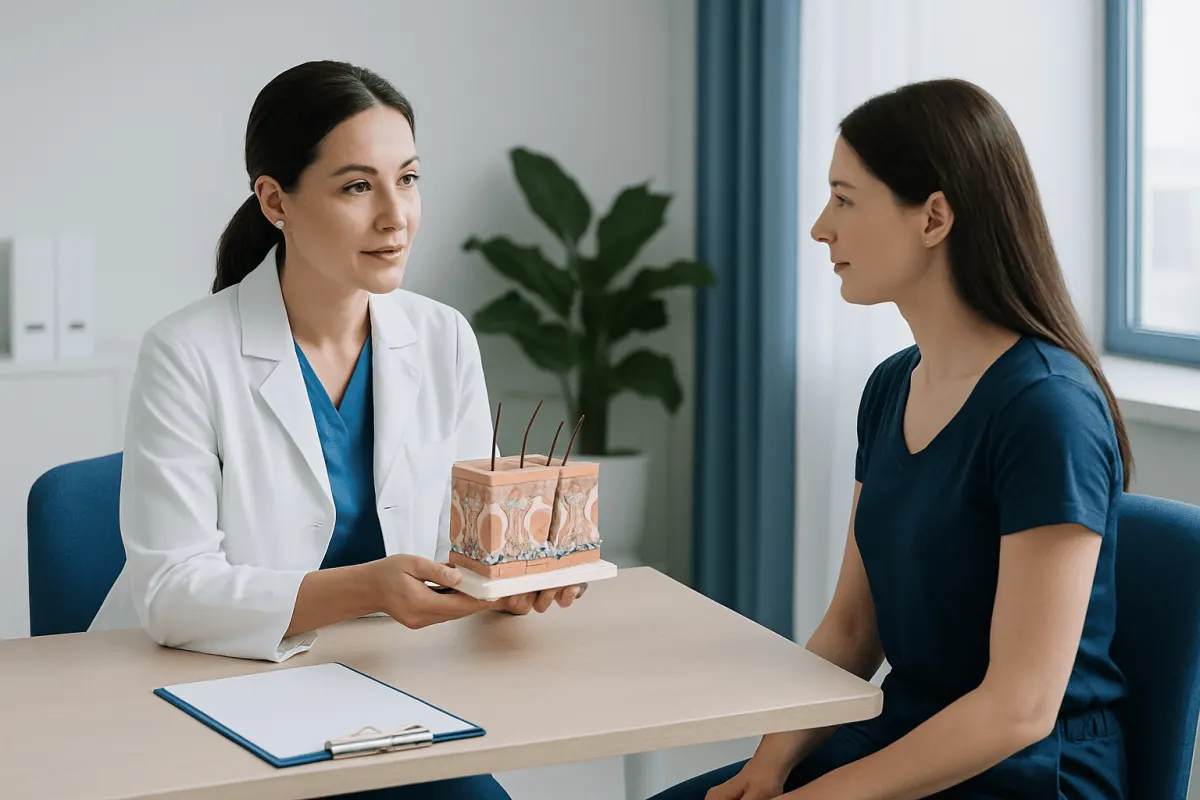
Choosing the right professional skin treatment begins with a detailed consultation. The clinician examines skin tone, thickness, oiliness, sensitivity, signs of sun damage, acne activity, and scar type. They also ask about prior procedures, medications, allergies, herpes simplex outbreaks around the mouth, and whether the person develops dark marks after minor irritation.
The treatment plan should match the main goal. For redness and visible vessels, a light-based treatment may be considered. For textural acne scars, microneedling or fractional resurfacing may be more suitable. For uneven pigmentation, a combination of topical therapy, sun avoidance, and carefully selected peels or laser procedures may be recommended. Sometimes the safest plan is to prepare the skin first before moving to a stronger procedure.
Doctors also balance effectiveness against recovery time. Someone who prefers little downtime may choose a series of gentler treatments. Another person may accept a longer recovery period for potentially greater improvement in one or two sessions. Cost and convenience may matter too, but the safest and most effective option should guide the decision.
In complex cases, especially when scars, pigment disorders, or chronic inflammatory conditions are involved, a dermatologist may assess whether another underlying condition is present. For example, recurring redness or sensitivity may need medical evaluation rather than purely cosmetic treatment, and ongoing pigment concerns can overlap with conditions such as melasma.
Safety, Preparation, and Aftercare
Safety depends heavily on proper patient selection, experienced practitioners, and careful aftercare. Before treatment, people are often advised to avoid tanning, protect the skin from the sun, and pause certain irritating products if a doctor recommends it. Some may need pretreatment skin care to strengthen the skin barrier or reduce the risk of pigment changes.
After treatment, the skin may be red, dry, tight, flaky, or mildly swollen for a period that varies from hours to days or longer, depending on the procedure. Gentle cleansing, regular moisturization, and strict use of broad-spectrum sunscreen are usually essential. Picking at peeling skin or returning to intense sun exposure too soon can increase irritation and affect healing.
Potential side effects can include temporary redness, sensitivity, acne-like breakouts, infection, and changes in pigmentation. More intensive treatments may rarely cause scarring or prolonged healing. These risks are usually reduced when the treatment is performed by a qualified professional who understands skin type differences and gives clear aftercare instructions.
People should contact their doctor if they develop increasing pain, extensive swelling, discharge, fever, severe blistering, or a rash that seems to worsen instead of gradually settling. Prompt advice helps manage complications early and safely.
When to See a Dermatologist or Skin Specialist
A specialist consultation is helpful when over-the-counter products are not improving a skin concern, when a person is considering laser or peel procedures, or when there is uncertainty about the cause of a skin change. Professional assessment is especially important for deep acne scars, persistent pigmentation, recurring redness, or sensitive skin that reacts easily to products.
Medical review is also recommended before treatment if there is a history of cold sores, abnormal scarring, chronic skin disease, recent isotretinoin use, or frequent sun exposure. A doctor can explain whether treatment should be delayed, modified, or combined with medical therapy first. This approach often leads to better and safer results.
People should seek prompt evaluation for moles or lesions that change in size, shape, or color, for non-healing sores, or for sudden widespread rashes, because these concerns need diagnosis rather than cosmetic treatment. Aesthetic procedures should never replace appropriate medical care for a potentially serious skin problem.
Near the end of the care pathway, some patients value access to coordinated services that include dermatology, aesthetic medicine, and follow-up planning. Acıbadem Health Point’s multidisciplinary specialists in JCI-accredited hospitals diagnose and treat a wide range of skin concerns for international patients, helping match treatment plans to individual skin needs and recovery goals.
Frequently asked questions
01How long do professional skin treatment results last?
It depends on the treatment and the skin concern. Some results, such as brighter skin after a light peel, may last for weeks to months, while collagen-stimulating treatments can continue improving over time. Maintenance sessions and daily sun protection usually help results last longer.
02Are professional skin treatments painful?
Many people describe these treatments as mildly uncomfortable rather than painful. Sensations vary by procedure and may include warmth, tingling, stinging, or a light snapping feeling. Topical numbing or cooling methods are often used when appropriate.
03Can people with sensitive or darker skin have these treatments?
Yes, but treatment choice and settings need careful planning. Sensitive skin may need gentler approaches, and darker skin tones may require techniques that lower the risk of pigment changes. A qualified dermatologist or skin specialist can recommend the safest option.
04How many sessions are usually needed?
Some concerns improve after one session, but many treatment plans involve a series of visits. Acne scars, texture changes, and deeper pigmentation often respond best to repeated treatments spaced over time. The doctor usually advises a schedule based on the severity of the concern and the chosen method.
05What should someone avoid before and after treatment?
This varies by procedure, but recent tanning, unprotected sun exposure, and irritating skin products are commonly avoided. After treatment, strict sun protection and gentle skin care are especially important. A clinician should give personalized instructions before the appointment.
06Can professional skin treatments replace a good home skincare routine?
No. Professional procedures can improve skin more quickly or target deeper concerns, but they work best alongside consistent daily care. Cleansing gently, moisturizing, and using sunscreen regularly help maintain and support treatment results.
This article is for general information only and is not a substitute for professional medical advice. Please consult a qualified doctor about your individual situation.
Explore treatments in Turkey — costs, top hospitals & a free quote
JCI-accredited · board-certified surgeons · reply within 24h
Add us as a Preferred Source to see more of our trusted health content across Google Search, AI Overviews and Discover.