Facial Peel Options for Smoother, Clearer Skin
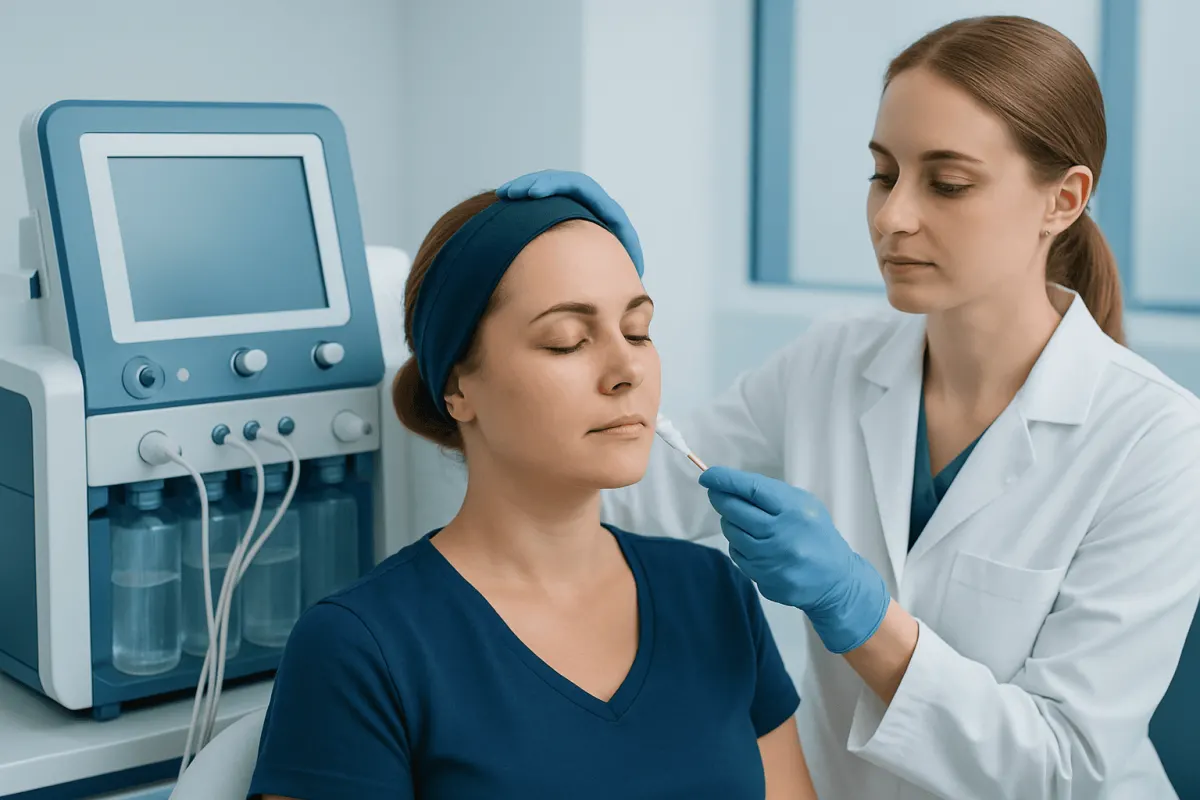
A facial peel, also called a chemical peel, uses a carefully selected solution to remove damaged outer skin layers and encourage renewed skin growth. It may improve uneven tone, rough texture, acne-related marks and fine lines, while recovery and risks vary substantially by the peel’s depth.
Facial peel overview: what the procedure does
A facial peel is a skin-resurfacing procedure in which a clinician applies a chemical solution to the face for a controlled period. The solution loosens or removes selected layers of skin, allowing the skin to renew itself. As healing occurs, the surface may become smoother and more even in color.
Peels are commonly considered for dull or rough texture, sun-related discoloration, mild fine lines, some acne marks, and certain forms of uneven pigmentation. They do not stop skin aging, erase all scars, or replace treatment for active skin disease. Results are usually gradual and depend on the concern being treated, the peel selected and consistent sun protection afterward.
There are three broad depth categories. Superficial peels act mainly on the outermost layer and may be repeated as a course of treatment. Medium-depth peels reach deeper into the epidermis and upper dermis, producing more visible peeling and a longer recovery. Deep peels reach further into the dermis and are used only for selected concerns under close medical care.
How a facial peel procedure is planned and performed
A safe facial peel begins with an assessment of the person’s skin concerns, natural skin tone, medical history, allergies, tendency to develop cold sores, medications and previous cosmetic procedures. The clinician also asks about recent sun exposure, pregnancy or breastfeeding, and use of products that can make skin more sensitive, such as retinoids or exfoliating acids.
During the appointment, the skin is cleansed and the eyes, lips and sensitive areas may be protected. The chosen peel solution is then applied in a controlled way. Mild stinging, warmth, tingling or temporary whitening of the treated skin can occur, depending on the solution and depth. Some peels are neutralized or removed after a short time, while others work for a defined period after application.
A clinician may recommend skin preparation before treatment, such as pausing irritating products or using a prescribed topical product. This is particularly important when treating melasma or post-inflammatory hyperpigmentation. For acne-related concerns, a broader plan may include dermatology care rather than relying on a peel alone.
Peels should be performed by a qualified medical professional or an appropriately trained practitioner working within local standards of care. At-home exfoliating products are not equivalent to a professionally selected peel, and strong products can cause burns or uneven pigmentation when used incorrectly.
Recovery after a facial peel: what to expect

Recovery varies more by peel depth than by the product name. After a superficial facial peel, the skin may look mildly red or feel dry and tight for a few hours to several days. Fine flaking can occur, although some superficial peels produce little visible peeling. Makeup may be avoided for a short period if the skin is irritated.
Medium-depth peels typically cause clearer redness, swelling, darkening or crusting followed by noticeable peeling. The new skin can look pink and remain sensitive to sunlight for weeks. Deep peels involve more extensive wound care and monitoring, and recovery may take several weeks or longer. They are not appropriate for everyone.
Aftercare generally includes a bland moisturizer or ointment recommended by the treating clinician, gentle cleansing and avoiding picking, rubbing or removing loose skin. Direct sun exposure, tanning, hot baths, saunas, swimming pools, strenuous exercise and potentially irritating skin-care ingredients may need to be avoided temporarily. Broad-spectrum sunscreen and protective clothing are essential once the clinician says they can be used.
People should follow the individual instructions supplied by their clinician, as aftercare differs between solutions and depths. Starting exfoliants, retinoids, fragranced products or hair-removal treatments too soon can delay healing and increase irritation.
What's the worst day after a chemical peel?
For many people having a superficial or medium-depth chemical peel, the most uncomfortable period is often the first one to three days. The skin may feel tight, warm, itchy or swollen, and redness can become more noticeable before peeling begins. With medium-depth peels, visible darkening and shedding may be most apparent several days after treatment.
There is no single “worst day” for every facial peel. The timing depends on the type and strength of the peel, the area treated, the person’s skin sensitivity and the aftercare plan. A deep peel follows a different recovery course and requires direct medical guidance.
Expected discomfort should be manageable with the clinician’s recommended aftercare. Increasing rather than improving pain, extensive blistering, spreading redness, pus, fever or rapidly worsening swelling are not routine recovery features and should be assessed promptly.
How long does it take to heal from a facial peel?
Healing from a superficial facial peel may take a few days, though subtle redness or dryness can persist briefly. Many people can resume normal activities quickly while continuing gentle skin care and sun protection. A course of superficial peels may be used when gradual improvement is preferred.
Medium-depth peels often need about one to two weeks for the skin surface to heal, but pinkness and sun sensitivity may last longer. Deep facial peels can require several weeks of initial healing, followed by months in which the skin continues to mature and its color gradually settles.
“Healed” does not always mean that final results are visible. New collagen formation and pigment settling take time, and a clinician may wait before deciding whether another procedure is appropriate. People should avoid scheduling an important event too close to a peel, particularly a medium or deep treatment.
Does your face look different after a chemical peel?
After a chemical peel, the face temporarily looks different because of redness, swelling, dryness, darkened areas and peeling. Once healing is complete, the intended changes may include smoother-feeling skin, a brighter appearance and less noticeable superficial discoloration or fine lines. These changes should look like skin renewal rather than a change in facial structure.
Results depend on the initial concern and peel depth. A facial peel can improve some superficial acne marks and uneven tone, but deeper scars, pronounced wrinkles and sagging skin may need other approaches. A qualified clinician can explain whether a peel is likely to help a particular concern and whether laser skin resurfacing or another procedure may be more suitable.
Temporary or longer-lasting pigment changes can occur, especially after inflammation or sun exposure. This risk can be higher in people with darker skin tones or a history of post-inflammatory hyperpigmentation, but careful selection, preparation and aftercare can help reduce it.
What are the downsides of a chemical peel?
The downsides of a chemical peel include temporary redness, burning or stinging, swelling, dryness, crusting, peeling and the need to avoid sun exposure and irritating skin products during recovery. The deeper the peel, the greater the downtime and the higher the potential for complications. Results can also be limited, and more than one superficial treatment may be needed.
Less common but important risks include prolonged redness, changes in skin color, acne flare-ups, milia, infection, scarring and reactivation of cold sores in people who carry herpes simplex virus. Incorrect peel selection or application can cause a chemical burn. People prone to <a href="https://acibademhealthpoint.com/diseases/keloid-scars/”>keloid scars, those using certain acne medicines, and those with active infections or inflamed skin need individualized medical advice.
A peel may not be the best choice when the main concern is active acne, severe rosacea, eczema, open wounds or very recent tanning. In these situations, treating the underlying condition first may be safer. A consultation can help distinguish cosmetic texture concerns from conditions requiring medical evaluation, including melasma.
When to seek medical care
Medical advice is important before a facial peel for anyone with a history of dark marks after inflammation, cold sores, keloid scarring, eczema, psoriasis, rosacea, allergies, autoimmune illness, diabetes, immune suppression or recent isotretinoin use. A clinician should also review prescription medicines and current skin-care products to reduce avoidable complications.
After a peel, urgent medical assessment is appropriate for severe or escalating pain, marked swelling, large blisters, bleeding, fever, spreading redness, foul-smelling drainage, pus or symptoms of an allergic reaction such as breathing difficulty. Contact the treating clinician if redness, crusting or discoloration is worsening rather than gradually improving.
Acıbadem Health Point’s multidisciplinary specialists and JCI-accredited hospitals assess and treat skin concerns for international patients. A dermatologist can recommend an evidence-based plan that considers skin health, expected recovery and individual goals.
Frequently asked questions
01Is a facial peel painful?
A facial peel may cause stinging, warmth, tingling or a burning sensation during and shortly after application. The intensity depends on the peel depth and solution used. Clinicians can discuss comfort measures and what sensations to expect before treatment.
02Can a facial peel remove acne scars?
A facial peel may improve mild, superficial acne marks and uneven pigmentation left after acne. It is less effective for deep, pitted or tethered scars, which may need procedures such as microneedling, <a href="https://www.acibademhealthpoint.com/blog/hair-removal-laser-treatment-sessions-risks-and-results/" title="Hair Removal Laser Treatment: Sessions, Risks, and Results" class="ahp-ilk">laser treatment, subcision or other dermatologist-led care. The best option depends on the scar type and skin tone.
03Can I wear makeup after a chemical peel?
Makeup should usually be avoided until the skin barrier has recovered and the treating clinician says it is appropriate. Applying makeup over irritated, peeling or open skin can cause further irritation and may increase infection risk. After superficial peels, this may be a short interval, while deeper peels require longer.
04Should skin peel after every facial peel?
No. Visible peeling is not required for a peel to have an effect, particularly with superficial treatments. Some people experience only mild dryness or fine flaking. Trying to force more peeling with stronger products can damage the skin.
05How soon can someone exercise after a facial peel?
The timing depends on the peel depth and the clinician’s instructions. Heat, sweating and increased blood flow can worsen redness and irritation, so vigorous exercise is often postponed for at least a short period. Medium and deep peels may require more restrictions during early healing.
06Can a chemical peel make pigmentation worse?
It can. Inflammation after a peel may lead to darker or lighter areas of skin, particularly in people with darker skin tones or a history of pigment changes. Appropriate peel selection, careful preparation, gentle aftercare and diligent sun protection help lower this risk.
This article is for general information only and is not a substitute for professional medical advice. Please consult a qualified doctor about your individual situation.
Explore treatments in Turkey — costs, top hospitals & a free quote
JCI-accredited · board-certified surgeons · reply within 24h
Add us as a Preferred Source to see more of our trusted health content across Google Search, AI Overviews and Discover.