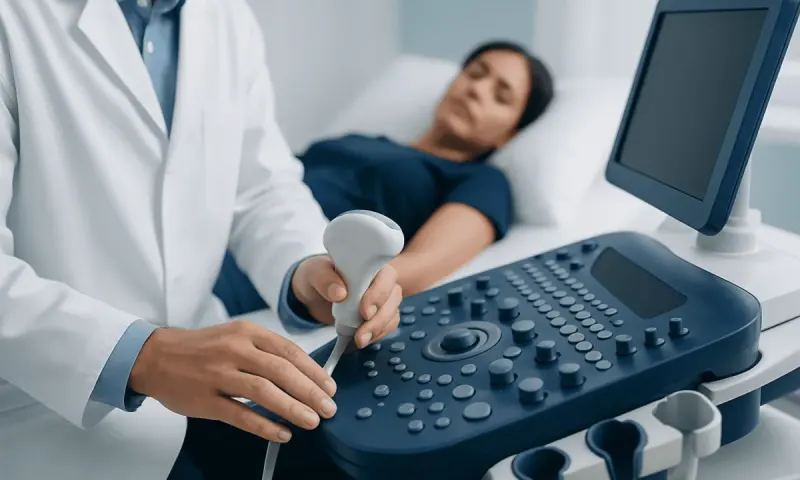
Can You Get an STD From Touching or Skin Contact?
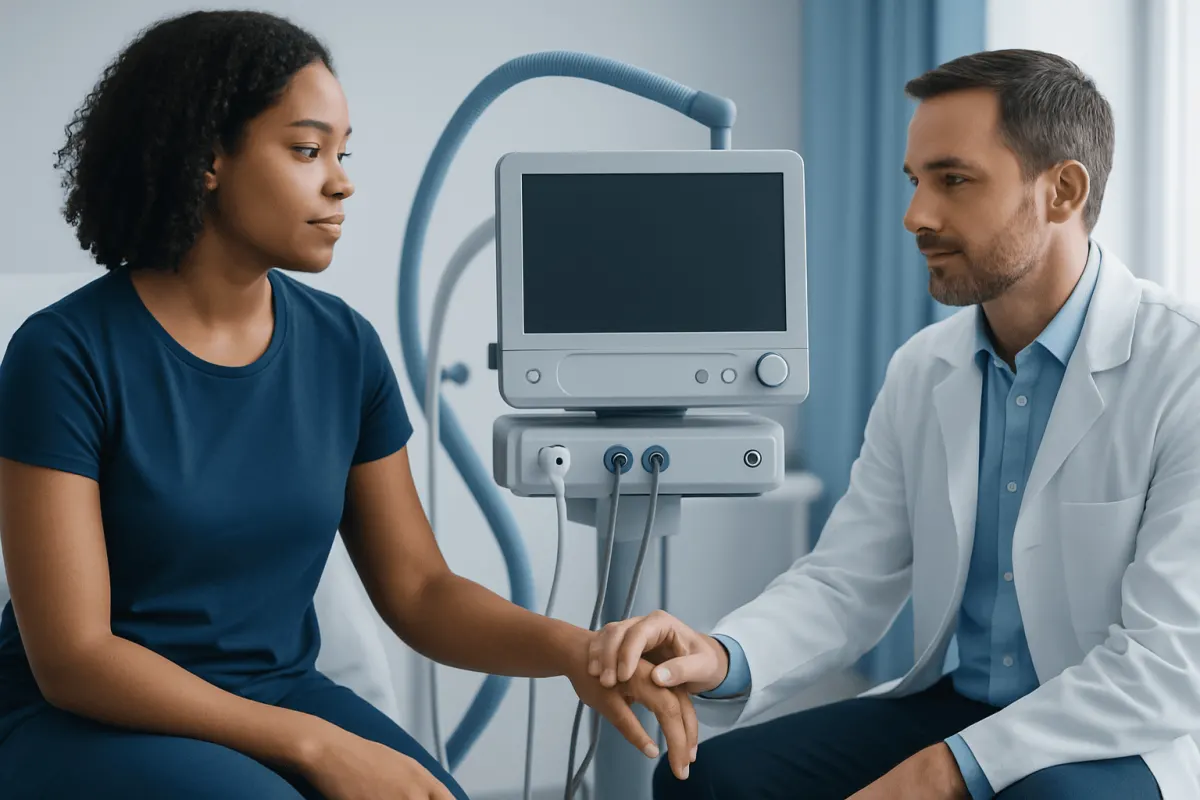
Most everyday touching, including handshakes, hugs, sharing objects, or touching intact skin, does not spread sexually transmitted infections (STIs). A few infections can pass through direct skin-to-skin or mucosal contact during sexual activity, especially when sores, rashes, or infected genital skin are involved.
Can You Get an STD From Touching?
Can you get an STD from touching? In most situations, no. Everyday touch such as shaking hands, hugging, sitting near someone, sharing food, using the same toilet, or touching dry household surfaces does not spread sexually transmitted infections (STIs), also called STDs.
The important exception is direct, close contact with infected skin, sores, or mucous membranes during sexual activity. Some infections can spread even without penetration when genital, anal, or oral areas touch. The likelihood depends on the infection, whether visible lesions are present, the type of contact, and whether barriers such as condoms or dental dams were used.
It is understandable to feel concerned after intimate contact, particularly if the situation was unexpected. However, many worries after casual touch do not represent a meaningful STI risk. A clinician can help assess the specific exposure calmly and decide whether testing, treatment, or simple observation is appropriate.
Which Types of Touch Carry Little or No Risk?
STIs generally need a route into the body or close contact with infected skin or secretions. They do not typically survive or spread efficiently through ordinary social contact. HIV, for example, is not transmitted through casual touch, sweat, saliva during everyday contact, toilet seats, swimming pools, towels, or shared utensils.
Touching someone’s arm, back, leg, or hand is not considered an STI exposure when the skin is intact. Similarly, touching genital clothing or bedding is not usually a route of transmission. Washing hands after contact with body fluids is a sensible hygiene practice, but it is not necessary to avoid normal social interaction with someone who has an STI.
Risk may be different if a person directly touches fresh fluid from an active sore or lesion and then immediately touches their own eyes, mouth, genitals, anus, or broken skin. This is still uncommon, but it is one reason clinicians may ask detailed questions about what happened rather than relying on the word “touching” alone.
- Handshakes, hugs, and casual skin contact: no meaningful STI risk.
- Sharing clothing, towels, toilet seats, or dishes: not a usual STI transmission route.
- Touching intact skin with clean hands: no meaningful STI risk.
- Direct contact with a genital sore or rash: may carry risk for certain infections.
STIs That Can Spread Through Skin-to-Skin Contact

A small number of infections may spread through direct contact with affected skin, especially during intimate sexual contact. Herpes simplex virus can spread when it contacts oral or genital skin or mucosa. Transmission is more likely when blisters or sores are present, although herpes can sometimes spread when no symptoms are visible.
Human papillomavirus, or HPV, can spread through genital skin-to-skin contact. Some HPV types cause genital warts, while others can contribute to cancers over time. Vaccination offers important protection against several HPV types, and condoms reduce risk, although they do not cover all nearby skin.
Syphilis can spread through direct contact with a syphilis sore, which may occur on the genitals, anus, rectum, lips, or mouth. These sores can be painless and may not always be noticed. Molluscum contagiosum, a viral skin infection that causes small raised bumps, may also spread through close skin contact, including sexual contact in adults.
Infections such as chlamydia, gonorrhea, trichomoniasis, hepatitis B, and HIV are more commonly transmitted through sexual fluids, blood, or direct mucosal exposure rather than a brief touch of ordinary skin. Their risk is generally associated with vaginal, anal, or oral sex, or with specific blood exposure circumstances.
What Symptoms May Need Medical Review?
Many STIs cause no symptoms, so the absence of symptoms cannot always rule out infection after a relevant sexual exposure. When symptoms do occur, they can vary widely and may also be caused by non-STI conditions such as irritation, yeast infections, urinary tract infections, skin conditions, or allergies.
It is helpful to arrange a medical review for new genital, anal, or oral changes, especially if they develop after sexual contact. A clinician can examine the area and determine whether testing is needed. Avoid applying strong creams or picking at lesions before an assessment when possible, as this can make diagnosis more difficult.
- Blisters, sores, ulcers, crusting, or painful cracks around the mouth, genitals, or anus
- A new rash, clusters of bumps, or wart-like growths
- Unusual vaginal, penile, or rectal discharge
- Burning or pain with urination, pelvic pain, testicular pain, or rectal discomfort
- Unexplained swollen glands, fever, or a widespread rash after a possible exposure
Symptoms do not identify a specific STI on their own. Prompt, confidential medical assessment is the most reliable way to clarify the cause and protect both the individual and partners.
How Doctors Assess Exposure and Test for STIs
A doctor will usually begin by asking what type of contact occurred, when it happened, whether there were visible sores or body fluids, whether condoms or other barriers were used, and whether either person has symptoms. These questions are routine and confidential. Accurate details help avoid unnecessary tests while ensuring important risks are not missed.
Testing may involve a urine sample, blood test, or swab from the throat, vagina, cervix, penis, rectum, or a visible sore. Swabbing an active lesion can be particularly useful for suspected herpes or syphilis. The most suitable test and the right testing time depend on the infection being considered, because some tests may not detect a very recent infection.
If the exposure was recent, a clinician may recommend testing now, repeat testing later, or both. They may also discuss vaccination, including hepatitis B and HPV vaccination where appropriate. A sexual health professional can advise about partner notification and temporary precautions if there is a diagnosed infection.
Testing should not be delayed when there is a new ulcer, blistering rash, significant pain, or a partner known to have an STI. Early evaluation can support timely treatment and reduce the chance of onward transmission.
Practical Prevention and Self-Care After Intimate Contact
Barrier methods, including external condoms, internal condoms, and dental dams, lower the risk of many STIs during vaginal, anal, and oral sex. They are most effective when used correctly and consistently from the start of contact. Because some infections spread from uncovered skin, barriers reduce but cannot eliminate the risk of herpes, HPV, syphilis, or molluscum contagiosum.
It is best to avoid sexual contact with areas that have unexplained sores, blisters, rashes, or warts until they have been assessed. If a person has touched a suspected lesion, washing hands with soap and water is reasonable. They should avoid touching their eyes, mouth, or genitals until hands have been washed, particularly if there may have been contact with fluid from a sore.
Routine STI screening can be valuable for sexually active people based on their age, anatomy, partners, practices, pregnancy status, and local clinical guidance. Open conversations with partners about testing, symptoms, and prevention can make informed decisions easier. Vaccination against HPV and hepatitis B is an additional preventive measure for eligible people.
Self-treatment with leftover antibiotics or unverified online remedies is not recommended. Different infections require different tests and treatments, and inappropriate medication can delay the right diagnosis.
When to Seek Medical Care
Medical care is appropriate if a person develops sores, blisters, a genital rash, discharge, pain when urinating, pelvic pain, testicular pain, or rectal symptoms after intimate contact. They should also seek advice if a current or recent partner reports an STI diagnosis, even if they feel well.
Urgent medical assessment is important for severe genital pain, rapidly spreading rash, fever with a new rash or sores, eye redness or pain after possible contact with a lesion, or symptoms during pregnancy. These situations may have causes other than an STI, but timely evaluation is important.
For concerns after casual, nonsexual touch alone, reassurance is often all that is needed. For any uncertainty about a specific encounter, a qualified clinician or sexual health service can provide individualized guidance without judgment. Acıbadem Health Point’s multidisciplinary specialists and JCI-accredited hospitals can assess sexual health concerns and arrange appropriate testing and treatment for international patients.
Frequently asked questions
01Can you get an STD from touching someone’s hand?
No. STIs are not spread through normal hand-to-hand contact, including handshakes. The only unusual concern would involve direct contact with fresh material from an active lesion followed immediately by contact with a person’s own eyes, mouth, genitals, anus, or open wound.
02Can STIs spread through fingering or hand-to-genital contact?
The risk is generally low, but it is not always zero. Skin-to-skin infections such as herpes, HPV, syphilis, or molluscum contagiosum may potentially spread if an active lesion contacts genital or anal skin. Risk is higher when there are visible sores, cuts, or direct transfer of infected secretions.
03Can you get an STI from a toilet seat, towel, or shared clothing?
This is not considered a typical route of STI transmission. Most STIs require close sexual contact, direct contact with infected skin, or exposure to specific body fluids. Ordinary hygiene, including not sharing personal items when someone has a contagious skin condition, is usually sufficient.
04Can herpes spread from touching a sore?
Herpes can spread through direct contact with an active sore or infected skin. A person who touches a sore should wash their hands and avoid touching their eyes, mouth, or genital area before doing so. A clinician can assess symptoms or a relevant exposure and advise whether testing is useful.
05Should a person get tested after touching someone who has an STI?
Testing is not usually needed after ordinary casual touch. It may be appropriate after direct sexual skin-to-skin contact, contact with a visible sore, or exposure to genital secretions, depending on the circumstances. A healthcare professional can recommend the right tests and timing.
06How soon after possible STI exposure do symptoms appear?
Timing differs greatly between infections, and many STIs cause no noticeable symptoms. Some skin changes may appear within days or weeks, while other infections may be detected only through testing later. New sores, rash, discharge, pain, or a known partner diagnosis should prompt medical advice rather than waiting for symptoms to resolve on their own.
This article is for general information only and is not a substitute for professional medical advice. Please consult a qualified doctor about your individual situation.
Explore treatments in Turkey — costs, top hospitals & a free quote
JCI-accredited · board-certified surgeons · reply within 24h
Add us as a Preferred Source to see more of our trusted health content across Google Search, AI Overviews and Discover.