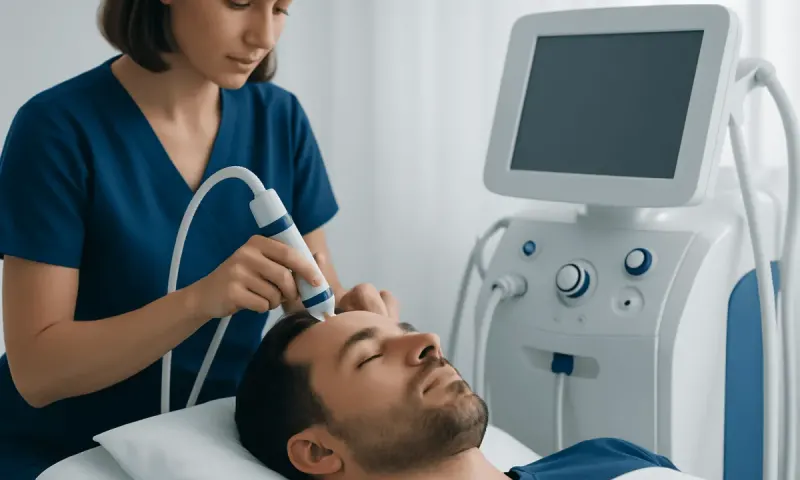
Creatine and Hair Loss: What Research Shows
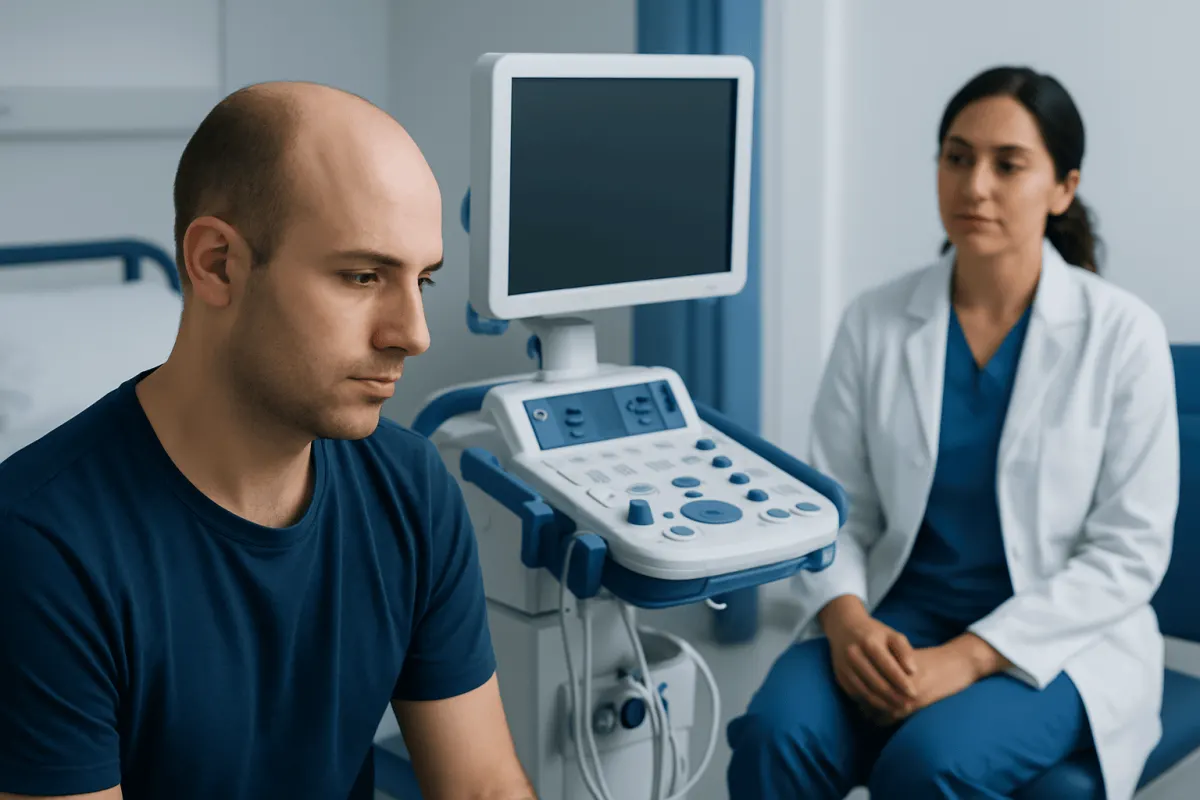
Current evidence does not show that creatine directly causes hair loss. One small study found a temporary rise in a hormone linked with male-pattern hair loss, but it did not measure hair shedding, and later research has not confirmed that creatine causes baldness.
Creatine hair loss: what the evidence shows
Creatine hair loss is a common concern, especially among people who use creatine for strength training or athletic performance. At present, research does not show that creatine directly causes hair loss. The concern largely comes from a small study that found increased dihydrotestosterone (DHT) levels after short-term creatine use in rugby players; the study did not assess hair shedding, hair density or baldness.
DHT is an androgen that can contribute to androgenetic alopecia, also called male- or female-pattern hair loss, in genetically susceptible people. However, a higher hormone level in one study does not prove that a supplement causes hair loss. Subsequent studies have not consistently replicated the DHT finding, and no high-quality clinical trial has demonstrated that creatine leads to measurable hair loss.
For most healthy adults, creatine is among the most extensively studied sports supplements when used appropriately. Individual responses differ, however. Someone who notices new shedding or visible thinning after starting any supplement should consider other possible explanations and discuss the change with a qualified clinician.
How hair loss may happen and who may be at risk
Hair growth occurs in cycles. It is normal to lose some hairs each day as older hairs enter a resting phase and later shed. Noticeable thinning can develop when follicles gradually become smaller, when more hairs move into the shedding phase, or when inflammation or damage affects the scalp or hair shaft.
The most common cause of progressive thinning is hereditary pattern hair loss. In people with this tendency, hair follicles in certain scalp areas are sensitive to androgens, including DHT. The pattern may include a receding hairline or crown thinning in men, and widening of the part or diffuse thinning over the top of the scalp in women. This condition can be explored further through androgenetic alopecia information.
Other common causes of shedding include recent fever or illness, major emotional or physical stress, rapid weight loss, restrictive diets, low iron stores, thyroid disorders, childbirth, scalp conditions and certain medicines. Tight hairstyles, heat damage and chemical treatments can also lead to breakage that may be mistaken for hair shedding.
- A family history of pattern hair loss may increase concern about any possible hormone-related trigger.
- Sudden, diffuse shedding often has causes other than inherited baldness.
- Patchy loss, itching, scaling, pain or scarring needs medical assessment rather than self-treatment alone.
Can you recover from creatine hair loss?

Because creatine has not been established as a direct cause of hair loss, there is no specific, proven “creatine hair loss recovery” process. Recovery depends on what is actually causing the shedding or thinning. If a temporary trigger is identified and resolved, such as illness, nutritional restriction or a medication effect, hair growth often improves gradually over several months.
If a person believes shedding began after starting creatine, stopping it for a period may be a reasonable personal choice while arranging medical advice. It is helpful to record when the supplement was started, when changes were first noticed, recent illnesses, dietary changes, stressors and any new medications. Photos taken under similar lighting and hairstyle conditions can help document true change over time.
Where inherited pattern hair loss is present, hair recovery may be incomplete without targeted treatment. A dermatologist can examine the scalp and discuss evidence-based options, including hair transplant treatment for suitable patients with stable, established hair loss. Treatment decisions should be individualized, particularly for women who are pregnant, planning pregnancy or breastfeeding.
Does hair grow back after quitting creatine?
Hair may grow back after quitting creatine if the shedding was temporary and related to a reversible factor, but it cannot be assumed that creatine was the cause. Hair follicles work slowly, so visible improvement is usually not immediate. New growth may take several months to become noticeable, and fuller density can take longer.
If hair loss continues after stopping creatine, or if it had started before creatine use, another cause becomes more likely. Pattern hair loss can progress gradually regardless of supplement use, particularly in people with a family history. A clinician may review the pattern of loss, scalp health, medical history and, when appropriate, blood tests for conditions that can contribute to shedding.
People searching for creatine hair loss before and after comparisons should be cautious with online images. Lighting, hair length, wet versus dry hair, styling, scalp visibility and camera angle can make normal variation look dramatic. A consistent photo record and professional assessment offer a more reliable way to evaluate changes.
Why don't doctors recommend creatine?
Doctors do recommend creatine in some situations, but not universally. Creatine is not essential for everyone, and a clinician may advise against unsupervised use when a person has kidney disease, is taking medicines that can affect kidney function, is dehydrated, or has a medical condition that requires individualized nutrition and exercise guidance.
Some clinicians are also cautious because supplements are regulated differently from prescription medicines in many countries. Product purity, ingredient accuracy and appropriate use can vary. Choosing products that have undergone independent quality testing may reduce, but cannot eliminate, these concerns.
For healthy adults, creatine is generally considered well studied at commonly used amounts, particularly for improving performance during repeated high-intensity exercise. It may cause water-related weight gain or digestive discomfort in some people. A doctor or sports dietitian can help determine whether it fits an individual’s goals, health history and training plan.
What happens after 1 month of creatine?
After one month of creatine, some people notice a small increase in body weight, often related to increased water stored within muscle cells rather than body fat. Those doing regular resistance or high-intensity training may experience improvements in repeated short-burst exercise performance. Results vary with training, diet, sleep and the type of activity.
Some users notice no obvious change. Others may develop mild stomach upset, cramping or bloating, particularly if they take more than they tolerate or do not drink enough fluids. These symptoms should be discussed with a clinician if they persist or are significant.
There is no established expectation that hair should thin after one month of creatine. New noticeable shedding at this time should not automatically be attributed to the supplement. Reviewing recent health events, diet, stress and family history can provide important context, and a healthcare professional can assess whether further evaluation is needed.
Practical steps for hair and supplement safety
A balanced diet with adequate protein, iron, zinc and other nutrients supports normal hair growth. Extreme calorie restriction and rapid weight loss can trigger shedding, so sustainable nutrition is important for both training and hair health. Avoid starting several new supplements at once, as this makes it harder to identify the cause of unwanted effects.
If continuing creatine, follow product instructions and discuss its use with a healthcare professional when there is kidney disease, a chronic health condition, pregnancy or breastfeeding, or use of regular medicines. Do not rely on “hair-support” supplements without confirming whether a nutritional deficiency or medical condition is present.
For hereditary thinning, early discussion with a dermatologist is useful because treatment may help preserve existing hair. Depending on the cause and clinical findings, options may include topical treatments, oral medicines in appropriate patients, treatment for scalp disease, nutritional correction or procedural approaches such as PRP hair treatment.
Acıbadem Health Point’s multidisciplinary specialists and JCI-accredited hospitals assess hair and scalp concerns for international patients, with care plans guided by the individual diagnosis rather than assumptions about a single supplement.
When to seek medical care
Medical care is advisable when hair loss is sudden, clearly worsening, patchy, associated with scalp pain, redness, itching, scaling or sores, or accompanied by changes in general health. A prompt assessment is also appropriate when hair loss follows a new medicine, occurs with fatigue or unexplained weight changes, or causes significant distress.
A dermatologist or primary care clinician may examine the scalp, review medications and supplements, ask about family history and decide whether testing is appropriate. It is useful to bring a list of all products being used, including creatine, protein powders, vitamins, herbal preparations and pre-workout products.
Hair loss is common and often manageable. Identifying its type and cause is more helpful than assuming that creatine is responsible, and timely advice can support a realistic plan for protecting hair and overall health.
Frequently asked questions
01Does creatine cause hair loss?
Current research does not prove that creatine causes hair loss. The concern came largely from a small study showing a possible rise in DHT, but it did not measure hair loss and later research has not confirmed a direct link. People with a personal or family history of pattern hair loss may still choose to monitor changes with a clinician.
02Can you reverse creatine hair loss?
There is no confirmed form of hair loss that is known to be caused by creatine and requires a unique reversal strategy. If shedding is temporary and a reversible trigger is addressed, regrowth may occur over time. Persistent or patterned thinning should be assessed because it may reflect hereditary hair loss or another medical cause.
03How long does creatine hair loss recovery take?
If hair shedding is due to a temporary trigger, improvement is usually gradual rather than immediate. New hairs may become noticeable after several months, while restoration of visible density can take longer. The timeline depends on the underlying cause, the hair-growth cycle and whether pattern hair loss is also present.
04Should someone stop taking creatine if they notice shedding?
Stopping creatine temporarily can be a reasonable precaution if shedding began soon after starting it and the person is concerned. However, it is important not to assume the supplement is the cause, because illness, stress, nutrition, thyroid problems and hereditary thinning are common alternatives. A clinician can help investigate persistent or significant hair loss.
05Is DHT the reason people worry about creatine and hair loss?
Yes. DHT can contribute to androgenetic alopecia in genetically susceptible people, and one small study found increased DHT after creatine supplementation. This finding does not establish that creatine causes hair loss, and it has not been consistently replicated. Hair loss itself was not measured in that study.
06Can women take creatine without losing hair?
There is no evidence that creatine causes hair loss specifically in women. Women can develop hair shedding for many reasons, including iron deficiency, thyroid disease, hormonal changes, stress and postpartum changes. Anyone with new or progressive thinning should seek individualized medical advice.
This article is for general information only and is not a substitute for professional medical advice. Please consult a qualified doctor about your individual situation.
Hair transplant in Turkey — costs, graft counts & a free assessment
JCI-accredited · board-certified surgeons · reply within 24h
Add us as a Preferred Source to see more of our trusted health content across Google Search, AI Overviews and Discover.