PCOS Hair Loss: Causes, Treatment, and Regrowth

PCOS hair loss commonly causes gradual thinning over the top of the scalp or a widening part, rather than sudden complete baldness. Although recovery is gradual, early assessment and treatment can help reduce shedding and support regrowth where follicles remain active.
PCOS Hair Loss: What It Is and What Results to Expect
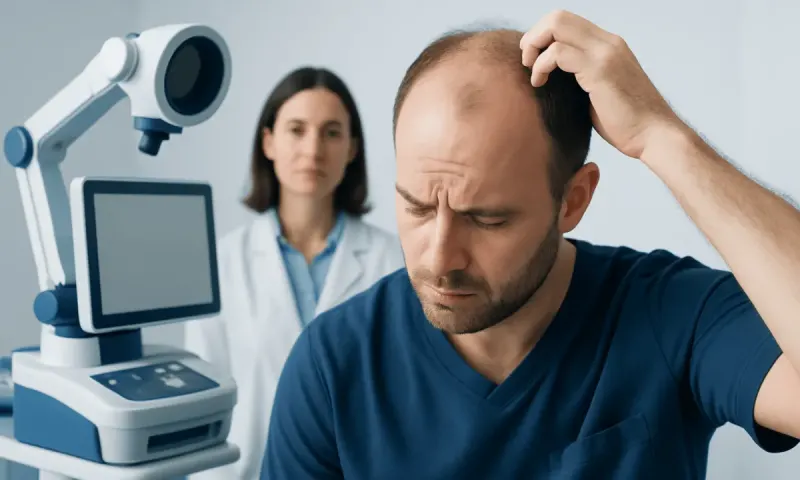
PCOS hair loss is a common symptom of polycystic ovary syndrome (PCOS), a hormonal condition that can increase the effect of androgens, often called male-type hormones, on the hair follicles. It usually appears as progressive thinning on the crown or front of the scalp, a widening central part, or reduced overall hair density. The hairline at the temples may also become less dense, but complete baldness is uncommon.
There is no single procedure that immediately reverses hair loss from PCOS. Care usually focuses on confirming the cause, reducing ongoing follicle miniaturization and supporting new growth. For many people, shedding slows first; visible thickening may take several months because hair grows in cycles.
The outlook depends on how long thinning has been present, the degree of follicle miniaturization, genetic tendency and whether other causes of hair loss are also present. Starting treatment early can be helpful because follicles that are still active have a greater potential to produce thicker hairs.
How PCOS Affects the Hair Growth Cycle
Hair follicles naturally rotate through growing, resting and shedding phases. In PCOS, androgen sensitivity can gradually shorten the growth phase and make affected scalp follicles smaller. Over time, each follicle may produce hairs that are finer, shorter and less pigmented. This process is called follicular miniaturization and is also involved in androgenetic, or pattern, hair loss.
PCOS can cause a combination of scalp thinning and increased facial or body hair. This may feel confusing, but the response to androgens differs between body areas: androgens can stimulate terminal hair growth on the face and body while contributing to scalp follicle miniaturization in genetically susceptible individuals.
Not every person with PCOS develops hair thinning, and not all scalp thinning in someone with PCOS is caused by the condition. Stress, childbirth, major weight change, restrictive eating, acute illness and some medicines can trigger temporary shedding, known as telogen effluvium. A careful evaluation is important before assuming PCOS is the only explanation.
Signs, Patterns and Other Possible Causes

PCOS-related thinning often develops slowly. A person may notice more scalp showing under bright light, a broader part line, less volume in a ponytail or increased shedding while brushing or washing. The scalp itself is usually normal, without significant pain, scaling or scarring.
Other PCOS features may include irregular or absent periods, acne, unwanted facial or body hair, weight changes and difficulty with ovulation. However, hair loss alone cannot diagnose PCOS. Diagnosis is based on a clinician’s assessment of symptoms, medical history and, when appropriate, laboratory tests and imaging. More information about the broader condition is available in polycystic ovary syndrome (PCOS).
Several conditions can resemble or add to pattern thinning. These include low iron stores, thyroid disorders, low protein intake, zinc deficiency in selected situations, autoimmune alopecia areata, traction from tight hairstyles and inflammatory scalp diseases. Patchy smooth bald areas, broken hairs, marked scaling, burning or scalp tenderness suggest that another diagnosis may be present.
- Gradual crown or part-line thinning is more consistent with pattern hair loss.
- Diffuse shedding after a stressor may suggest telogen effluvium.
- Round patches of hair loss may suggest alopecia areata.
- Redness, pain, pustules or shiny scar-like skin requires dermatology assessment.
Assessment and Diagnosis
A clinician will ask when the hair changes began, whether shedding is sudden or gradual, how periods and other PCOS symptoms have changed, and whether there have been recent illnesses, pregnancy, dietary changes, stressors or new medications. They will also ask about family history, hair-care practices and use of supplements.
Scalp examination helps identify the distribution of thinning and signs of inflammation or scarring. A dermatologist may examine the scalp with dermoscopy, a magnified lighted device that can show variation in hair shaft thickness and other features of pattern hair loss. In uncertain cases, a scalp biopsy may be considered, although it is not needed for most people.
Blood testing is individualized. Depending on the history and examination, a clinician may assess thyroid function, blood count, iron stores and selected hormone levels. Testing should be interpreted in context, since normal hormone results do not exclude PCOS-related follicle sensitivity and abnormal results may have causes other than PCOS.
Treatment Options: Medical Care and Procedures
Treatment is tailored to the person’s goals, pregnancy plans, symptoms and health history. Topical minoxidil is commonly used for female pattern hair loss and can help prolong the growth phase of the hair cycle. It needs regular use, and temporary increased shedding can occur early as follicles shift through the cycle. Results are usually assessed after several months, and stopping treatment may lead to gradual loss of the benefit.
Clinicians may also discuss ways to manage the hormonal features of PCOS. Depending on individual circumstances, this can include combined hormonal contraception or medicines that reduce androgen effects. These medicines are not suitable for everyone and some require reliable contraception because of possible risks during pregnancy. A dermatologist, gynecologist or endocrinologist can help coordinate care.
For selected patients, a specialist may consider oral hair-growth treatment or anti-androgen therapy. These are prescription options that require assessment for potential side effects, interactions, blood-pressure considerations and pregnancy safety. Hair transplantation may be discussed only after the pattern of loss is stable and medical causes have been evaluated; it does not correct the hormonal driver of thinning.
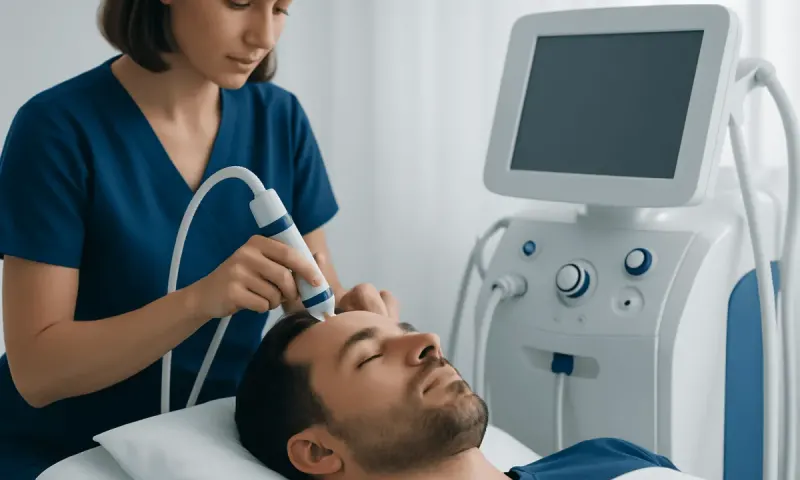
Some clinics offer procedures such as platelet-rich plasma injections or low-level light devices. Evidence is still evolving, and response varies. They should not replace a clear diagnosis or established medical treatment. A specialist can explain whether a hair transplant evaluation or another approach is appropriate for the individual situation.
Recovery Timeline, Results and Daily Hair Care
Hair recovery is gradual. If a treatment is effective, reduced shedding may be noticed before new growth is obvious. Fine new hairs may appear over subsequent months, while fuller cosmetic improvement can take longer because scalp hair grows slowly. The aim is often to preserve existing hair and improve density, rather than to promise complete restoration.
Consistency matters. Follow-up visits allow the clinician to review shedding, photographs, scalp findings and medication tolerance. Using comparable photographs—taken in the same lighting, with the same parting and hair condition—can be more useful than judging day-to-day changes in the mirror.
Gentle styling can reduce breakage while treatment is underway. This includes avoiding repeated tight braids, extensions or slick styles; limiting high heat and harsh chemical processing; using conditioner; and handling wet hair carefully. Camouflage products, volumizing styles, hair fibers and wigs may also provide confidence while waiting for treatment effects.
Balanced nutrition supports general hair health, but supplements are not automatically beneficial. Iron, vitamin D or other supplements should generally be taken only when a clinician identifies a likely need, since excessive supplementation can be harmful or delay recognition of another cause.
Supporting PCOS and Protecting Hair Health
PCOS management can support overall health and may help address factors that contribute to androgen-related symptoms. For people with insulin resistance or weight-related health concerns, a sustainable eating pattern, regular physical activity, adequate sleep and stress management can be valuable components of care. These steps are not a substitute for medical treatment of hair loss, and hair changes may still require specific therapy.
Crash diets and rapid weight loss can increase shedding. A gradual, nourishing approach that includes sufficient protein and a range of nutrient-rich foods is generally more supportive of hair growth than restrictive plans. A registered dietitian can offer tailored advice when dietary needs, weight concerns or metabolic conditions are involved.
It can also help to avoid starting multiple new products at once. A simple routine makes it easier to identify irritation or to understand whether a treatment is helping. If dandruff, itch or scalp inflammation is present, treating the scalp condition may improve comfort and reduce avoidable breakage.
When to Seek Medical Care
Medical assessment is advisable when hair thinning is new, persistent, distressing or accompanied by irregular periods, acne, new facial hair growth or other symptoms suggestive of PCOS. A clinician can determine whether PCOS is contributing and rule out other conditions that may need different treatment.
Prompt care is especially important for sudden heavy shedding, round or patchy bald areas, scalp pain, redness, scaling, pustules or a shiny scar-like appearance. These features are not typical of uncomplicated PCOS-related pattern thinning and may require timely dermatology review.
People who are pregnant, trying to conceive, breastfeeding or considering pregnancy should discuss all hair-loss treatments with a clinician before starting them. Acıbadem Health Point’s multidisciplinary specialists and JCI-accredited hospitals can assess PCOS-related hair concerns and coordinate dermatology, endocrinology and women’s health care for international patients.
Frequently asked questions
01Can PCOS hair loss grow back?
PCOS hair loss may improve when the underlying hormonal factors and any additional contributors are addressed. Regrowth is most likely when follicles remain active, but it is usually gradual and may be incomplete if thinning has been present for a long time. Ongoing treatment is often needed to maintain improvement.
02What does hair loss from PCOS look like?
It most often looks like thinning on the top of the scalp, a widening center part or reduced density around the crown. Hair may become finer over time rather than falling out in large, clearly defined patches. Patchy hair loss or an inflamed scalp should be assessed for another cause.
03Is there a procedure that cures PCOS hair loss?
No single procedure cures PCOS hair loss. Medical treatment, management of PCOS symptoms and scalp-focused care are usually the main approaches. Procedures such as platelet-rich plasma or hair transplantation may be considered in selected cases, but they do not replace evaluation of the hormonal cause.
04How long does treatment for PCOS hair loss take to work?
Hair grows slowly, so meaningful changes commonly take several months. Reduced shedding may occur before visible thickening, and a clinician may use photos or scalp examination to monitor progress. Treatment should be reviewed if hair loss continues to worsen or side effects occur.
05Can taking vitamins stop PCOS hair loss?
Vitamins can help if a confirmed nutritional deficiency is contributing to shedding, but they do not reliably treat androgen-related pattern thinning on their own. Unnecessary supplements may cause side effects or interact with medicines. A clinician can advise whether blood tests or targeted supplementation are appropriate.
06Should someone with PCOS avoid washing their hair often?
Regular washing does not cause PCOS hair loss. Hairs that shed during washing were usually already in the shedding phase, so washing may simply make the loss more noticeable. Gentle cleansing and avoiding excessive heat, traction and harsh chemical treatments can help minimize breakage.
This article is for general information only and is not a substitute for professional medical advice. Please consult a qualified doctor about your individual situation.
Hair transplant in Turkey — costs, graft counts & a free assessment
JCI-accredited · board-certified surgeons · reply within 24h
Add us as a Preferred Source to see more of our trusted health content across Google Search, AI Overviews and Discover.