What Is a Good Treatment for Hair Loss?

A good treatment for hair loss starts with identifying why shedding or thinning is happening. Many causes are treatable, and early assessment can help preserve existing hair while selecting realistic options for regrowth or restoration.
Overview: finding a good treatment for hair loss
A good treatment for hair loss is one that addresses the cause of shedding or thinning rather than relying on a single product for everyone. Depending on the diagnosis, treatment may involve treating an underlying medical condition, improving nutrition where a deficiency exists, using evidence-based medicines, changing damaging hair-care practices, or considering a hair restoration procedure.
Hair loss is common and can affect the scalp, eyebrows, beard, or other body hair. It may develop gradually, as in hereditary pattern hair loss, or appear suddenly after physical stress, illness, a medication change, childbirth, restrictive dieting, or scalp inflammation. Some forms are temporary, while others may progress without treatment.
Hair grows in cycles. It is normal to shed some hairs daily, but noticeable widening of a part, reduced ponytail volume, recession at the hairline, bald patches, or increased scalp visibility may indicate a hair-loss condition. A qualified clinician can distinguish normal shedding from a condition that needs treatment.
What is the most effective treatment for hair loss?
The most effective treatment for hair loss depends on the diagnosis. For androgenetic alopecia, also called male- or female-pattern hair loss, topical minoxidil is commonly used to help prolong the growth phase of hair. Some adults may also be candidates for prescription treatments that affect hormonal pathways, but these require medical assessment because suitability, risks, and pregnancy considerations differ between individuals.
For telogen effluvium, a form of diffuse shedding often triggered by illness, stress, childbirth, rapid weight change, or surgery, the priority is identifying and correcting the trigger. Hair frequently begins to recover over time once the body has recovered, although visible improvement may take several months because hair growth is slow.
Inflammatory, autoimmune, fungal, or scarring forms of hair loss need specific medical treatment. For example, alopecia areata may require dermatologist-directed therapies, while scalp fungal infection requires antifungal medicine rather than cosmetic products. Prompt diagnosis is especially important if there is pain, burning, scaling, pustules, or loss of eyebrow hair.
Hair transplantation may be an effective long-term restoration option for selected people with sufficient stable donor hair and pattern hair loss. It redistributes follicles from denser areas of the scalp to thinning areas, but it does not stop future loss in untreated hair. Many people benefit from a broader plan that also protects their existing hair.
Causes and risk factors for thinning hair

Genetics and hormones are among the most common influences on progressive thinning. Pattern hair loss can occur in people of any sex and may run in families. In women, thinning is often most apparent along the central part or crown, while men may notice recession at the temples or thinning at the crown.
Other possible causes include iron deficiency, thyroid disorders, inadequate protein or calorie intake, major illness, fever, surgery, childbirth, emotional stress, and certain medications. Tight hairstyles, repeated bleaching, chemical straightening, frequent heat styling, and traction from extensions can also contribute to breakage or traction alopecia.
Some causes affect the scalp directly. Psoriasis, seborrheic dermatitis, eczema, fungal infection, and inflammatory disorders can disrupt healthy hair growth. Hair loss can also be associated with autoimmune disease. A medical review is helpful before taking supplements, because excess amounts of some nutrients can be harmful and supplements only help when a relevant deficiency is present.
People should avoid assuming that all shedding is hereditary. Changes in menstrual patterns, acne, new facial hair growth, fatigue, weight changes, or other symptoms may provide useful clues and should be discussed during an assessment.
Diagnosis: how clinicians identify the cause
A clinician usually begins by asking when the hair loss started, how quickly it changed, whether it is shedding or breakage, and whether there were recent illnesses, operations, diets, stressors, pregnancies, or medication changes. Family history and routine hair-care practices are also relevant.
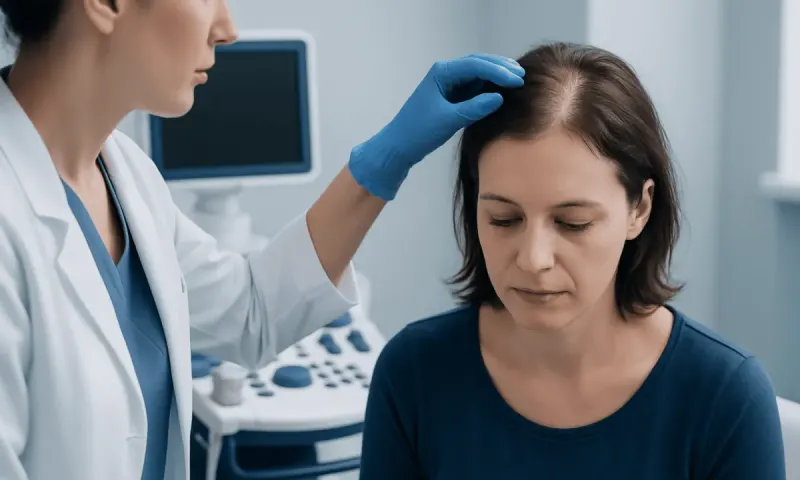
The scalp and hair are examined for the distribution of thinning, broken shafts, inflammation, scaling, scarring, and the condition of hair follicles. In some cases, a dermatologist may gently assess shedding, examine the scalp with magnification, or take a small scalp biopsy when the diagnosis remains uncertain.
Blood tests may be considered when symptoms or examination findings suggest a contributing condition. These can include tests for iron status, thyroid function, nutritional concerns, or hormonal factors. Testing is individualized; extensive testing is not necessary for every person with gradual hereditary thinning.
Clear diagnosis supports realistic expectations. Hair treatments generally require consistency and time, and it is often easier to preserve existing follicles than to restore areas where follicles have been permanently lost.
Treatment options and hair transplant procedures
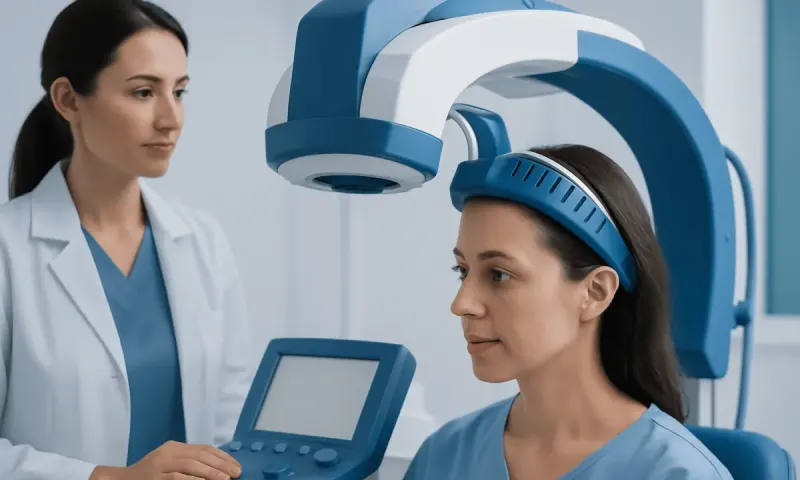
Non-surgical treatment may include topical minoxidil, prescription medicines when clinically appropriate, management of scalp disease, and treatment of an identified nutritional or medical cause. A dermatologist can explain the expected benefits, possible side effects, and the time needed to judge a response. Stopping an effective medicine may allow the underlying hair-loss process to resume.
Hair transplantation is usually considered for stable pattern hair loss rather than sudden diffuse shedding or active inflammatory scalp disease. During the procedure, healthy follicular units are collected from a donor area, commonly the back or sides of the scalp, and placed into areas of thinning. Follicular unit extraction and follicular unit transplantation are established surgical approaches; the appropriate technique depends on scalp characteristics, donor supply, hairstyle preferences, and surgical planning.
After a transplant, small crusts, temporary swelling, tenderness, or mild numbness can occur. Transplanted hairs often shed within the first weeks; this is an expected part of the growth cycle and does not necessarily mean the follicles are lost. New growth commonly starts gradually after several months, with maturation continuing over many months.
Results vary according to donor hair quality, the extent of current and future hair loss, surgical technique, healing, and adherence to aftercare. A responsible consultation should discuss donor-area limits, likely density, whether more than one session may be needed, and the value of medical treatment to protect non-transplanted hair.
How to avoid hair loss after surgery?
Temporary shedding after a major operation is often telogen effluvium. The physical stress of surgery, anesthesia, recovery, blood loss, infection, reduced food intake, or rapid weight change can shift more hairs into the shedding phase. It commonly becomes noticeable a few months after the event and is often temporary.
It may not be possible to prevent all post-surgical shedding, but recovery habits can reduce avoidable contributors. Patients should follow their surgical team’s nutrition and medication guidance, eat enough protein and calories during recovery when permitted, maintain hydration, and report prolonged vomiting, poor intake, heavy bleeding, or symptoms of anemia. They should not begin high-dose supplements unless a clinician recommends them.
Gentle hair care is sensible while shedding is active. This includes avoiding tight styles, harsh chemical treatments, excessive heat, and aggressive brushing. If hair loss is severe, continues beyond several months, becomes patchy, or is accompanied by scalp symptoms, a dermatologist can check for other causes.
After a hair transplant, the surgeon’s instructions take priority. Patients are commonly advised to protect grafts from friction and trauma, follow washing guidance carefully, avoid strenuous activity for the recommended period, and attend follow-up appointments.
Should I cut my hair if it's thinning female?
Cutting hair does not make follicles grow more hair or stop female-pattern thinning. Hair length is determined by the shaft above the scalp, whereas hair growth takes place within follicles in the scalp. However, a shorter or layered style may make thinning less noticeable, reduce the appearance of split ends, and feel easier to manage during shedding.
For some women, avoiding heavy extensions, very tight braids, buns, or ponytails is more important than choosing a particular length. Repeated traction can damage follicles over time, especially around the hairline. A loose style, gentle detangling, and reduced heat or chemical exposure can help limit breakage.
Female hair thinning deserves medical assessment when it is new, rapidly progressive, or accompanied by irregular periods, acne, increased facial hair, fatigue, or scalp discomfort. Treatment can be more effective when started early, before there is marked loss of density.
What shampoo does a dermatologist recommend for female hair loss?
There is no single shampoo that reliably regrows hair in female-pattern hair loss. Dermatologists often recommend a gentle shampoo chosen for the person’s scalp type, such as a fragrance-free product for sensitive skin or an anti-dandruff shampoo when dandruff or seborrheic dermatitis is present. Clean hair and scalp care can improve comfort and reduce breakage, but shampoo alone does not replace medical treatment for follicle-related hair loss.
Medicated shampoos may be useful when there is scaling, itch, or inflammation, but the best choice depends on the cause. Some products marketed for “hair growth” may improve the feel or appearance of the hair shaft, yet evidence for meaningful regrowth varies. People should be cautious about expensive products that promise rapid or permanent regrowth.
When using topical hair-loss treatments, patients should ask their clinician how to fit washing and styling into the treatment routine. They should also report burning, marked redness, persistent itching, or flaking, as irritation can sometimes be caused by a product or its ingredients.
Acıbadem Health Point’s multidisciplinary specialists and JCI-accredited hospitals can assess hair and scalp concerns and discuss appropriate medical or surgical options for international patients.
Frequently asked questions
01Can hair loss grow back on its own?
Some hair loss can improve without specific hair-growth treatment, particularly shedding related to illness, childbirth, stress, nutritional restriction, or surgery. Recovery may take months because hair growth is gradual. Hereditary pattern hair loss usually does not fully reverse without ongoing management.
02How long does it take for hair loss treatment to work?
Most treatments need several months before changes can be assessed. Early improvement may be reduced shedding rather than obvious new growth. A clinician can advise when to review progress and whether the treatment plan should be adjusted.
03Is hair transplant permanent?
Transplanted follicles are generally selected from areas that are more resistant to pattern hair loss, so they can provide long-lasting growth. However, surrounding non-transplanted hair may continue to thin over time. Ongoing medical management may help preserve existing hair when appropriate.
04Does washing hair every day cause hair loss?
Regular washing does not cause follicle-related hair loss. Hairs that are already in the shedding phase may come out during washing, which can make shedding seem more noticeable. Gentle washing and conditioning can help reduce tangling and breakage.
05When should someone seek medical care for hair loss?
Medical assessment is recommended for sudden hair loss, bald patches, rapidly worsening thinning, scalp pain, redness, scaling, or pustules. It is also important to seek advice when hair loss follows a new medicine, is associated with other symptoms, or causes significant distress. Early diagnosis can identify treatable causes and protect remaining hair.
06Can vitamins stop hair loss?
Vitamins and minerals can help if testing confirms a deficiency that contributes to shedding. They are unlikely to stop hereditary hair loss when no deficiency is present. Taking high doses without medical advice is not recommended, as excess supplements can cause side effects.
This article is for general information only and is not a substitute for professional medical advice. Please consult a qualified doctor about your individual situation.
Hair transplant in Turkey — costs, graft counts & a free assessment
JCI-accredited · board-certified surgeons · reply within 24h
Add us as a Preferred Source to see more of our trusted health content across Google Search, AI Overviews and Discover.