What Causes a Receding Hairline?
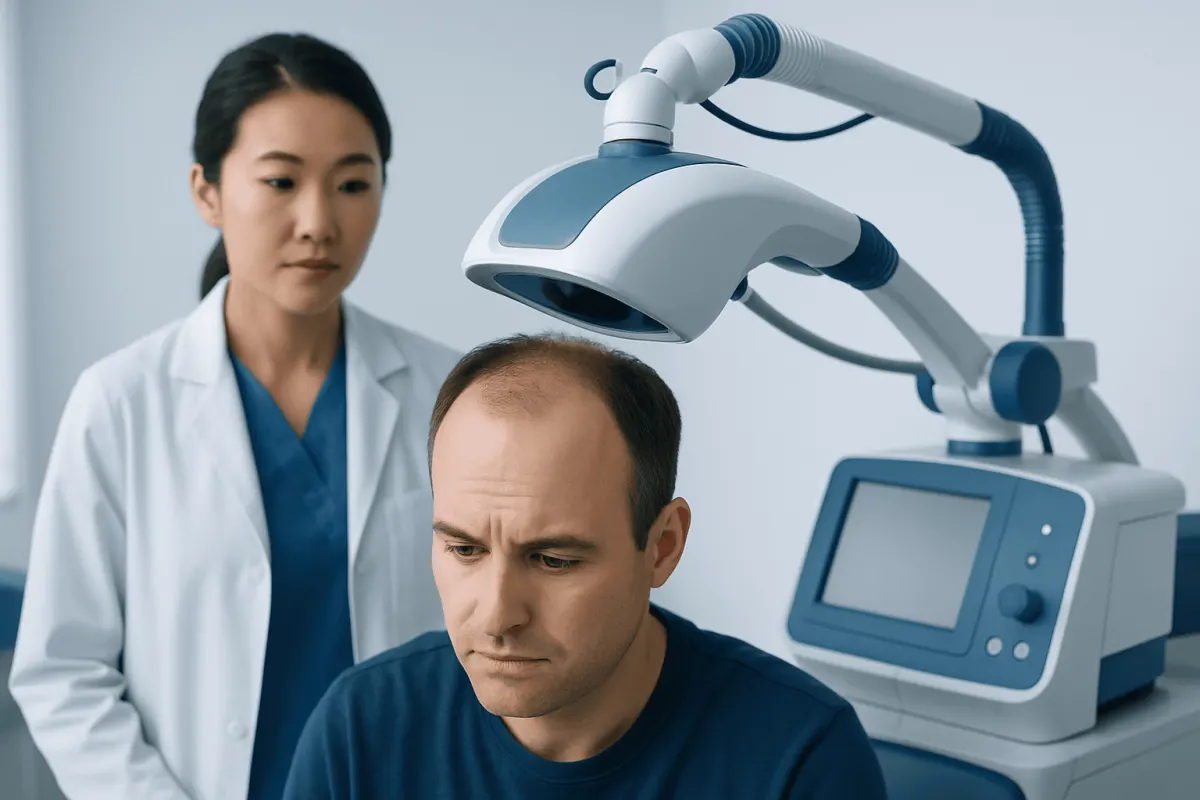
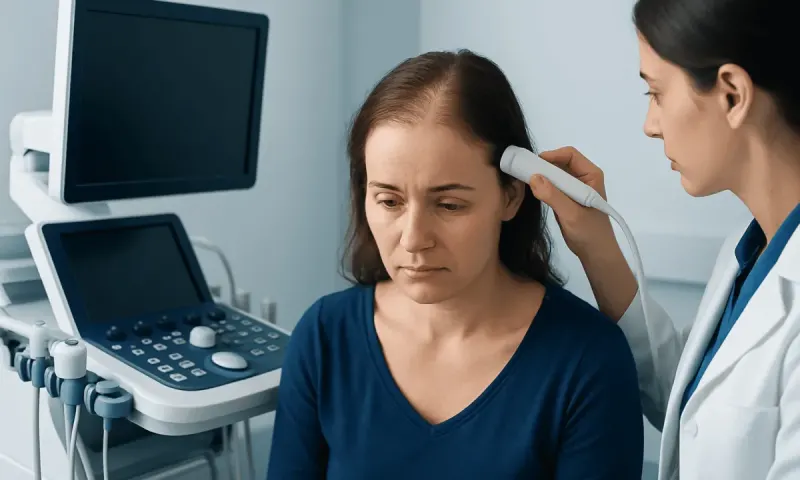
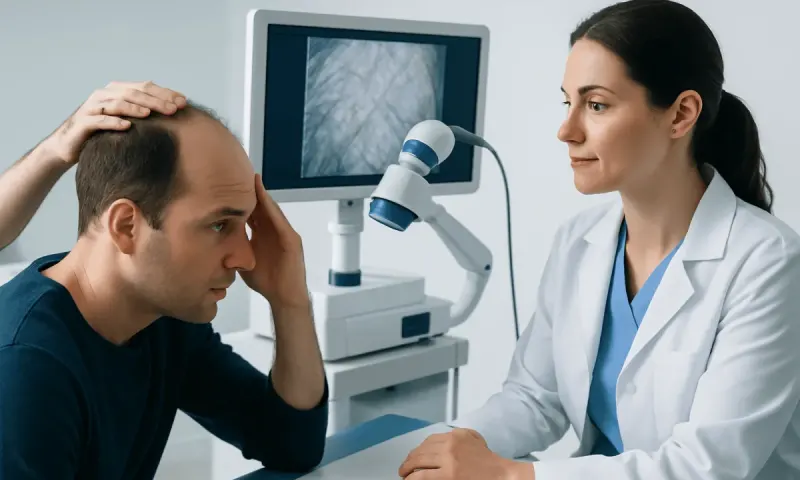
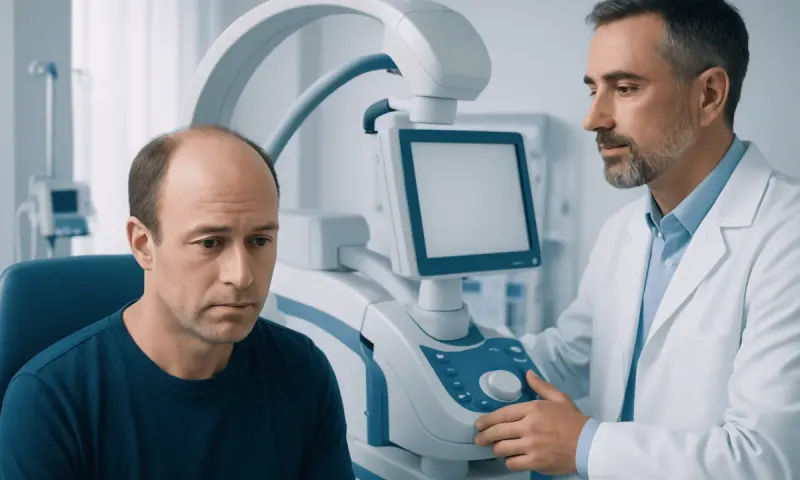
A receding hairline is most often caused by hereditary pattern hair loss, in which follicles gradually become smaller under the influence of genetics and hormones. Other causes, including hairstyles that pull on the hair, stress-related shedding, nutritional problems, medications, and inflammatory scalp disorders, may also play a role and should be assessed when hair loss is sudden or unusual.
Overview: What Causes a Receding Hairline?
What causes receding hairline? The most common cause is genetic pattern hair loss, a gradual process in which susceptible hair follicles become smaller and produce finer, shorter hairs over time. Hormonal influences are involved, particularly androgen activity in people with inherited follicle sensitivity.
A changing hairline is not always permanent pattern hair loss. Repeated tension from hairstyles, a recent illness or major stressor, low iron or other nutritional issues, thyroid conditions, certain medicines, and inflammatory scalp diseases can affect the hairline or increase shedding. The pattern, speed of change, scalp appearance, and medical history help a clinician identify the likely cause.
Hair loss can affect confidence, but it is common and often manageable. A medical assessment is particularly useful before starting treatment, because the most suitable approach depends on whether follicles are miniaturizing, temporarily shedding, damaged by traction, or affected by a scalp condition.
How Hairline Recession Develops
Hair grows in cycles. Each follicle moves through a growing phase, a brief transition, and a resting phase before the hair sheds and a new strand begins to grow. In androgenetic alopecia, also called pattern hair loss, genetically sensitive follicles progressively miniaturize. The growth phase becomes shorter, and hairs become thinner until some follicles produce little visible hair.
In men, this often begins with recession at the temples and can create an M-shaped pattern, sometimes followed by thinning at the crown. This is the typical answer to what causes receding hairline in men and what causes receding hairline in young men. In women, hairline recession is less typical than widening of the central part or diffuse thinning, but frontal thinning can occur, especially with traction, hormonal changes, or some forms of scarring alopecia.
Not every high hairline is hair loss. Some people naturally have a higher or uneven hairline, and a mature hairline may develop after puberty without progressing to significant baldness. Comparing photographs over time and examining the density and thickness of hairs near the hairline can be helpful.
Causes and Risk Factors in Men, Women, and Young People

Genetics are the strongest risk factor for pattern hair loss. It can be inherited from either side of the family and may occur in people of any sex. Age increases the likelihood, but it is possible to notice what causes receding hairline at 20 or even earlier: inherited sensitivity may begin producing visible temple recession in the late teens or twenties.
For people asking what causes receding hairline in women, common considerations include female-pattern hair loss, menopause-related hormonal changes, iron deficiency, thyroid disorders, polycystic ovary syndrome, and hair practices that repeatedly pull on the edges. What causes receding hairline in women over 60 may include age-related follicle changes and female-pattern hair loss, while medications, nutritional status, and scalp disease should still be reviewed when the change is new or rapid.
What causes receding hairline in teens can differ from adult pattern loss. A maturing hairline may be normal after puberty, but tight braids, ponytails, extensions, chemical processing, restrictive eating, stress, and medical conditions can also contribute. A teenager with rapidly worsening thinning, scalp symptoms, or hair loss elsewhere should be evaluated rather than self-treating.
- Family history: relatives with patterned thinning or early hairline recession.
- Hormonal changes: androgen sensitivity, menopause, thyroid disease, or other endocrine conditions.
- Traction: repeated pulling from tightly worn styles, headwear, or extensions.
- Physical stress: fever, surgery, childbirth, marked weight loss, or severe illness can trigger diffuse shedding.
- Scalp inflammation: itching, scaling, tenderness, or smooth shiny areas may indicate a condition requiring specialist care.
Can Your Receding Hairline Grow Back?
Whether a receding hairline can grow back depends on its cause and how long follicles have been affected. Temporary shedding after illness, nutritional deficiency, medication changes, or stress may improve when the trigger is addressed. Hair affected by early pattern loss may sometimes become thicker or remain stable with appropriate treatment, although results vary and treatment usually needs to be continued to maintain benefit.
Hair regrowth is less likely when follicles have been permanently damaged, such as in longstanding traction alopecia or scarring alopecia. In these conditions, prompt diagnosis matters because treating inflammation or removing tension can help protect the remaining follicles.
A clinician may recommend evidence-based medical therapies for suitable adults after reviewing medical history, pregnancy plans where relevant, and possible adverse effects. Over-the-counter or online products should not replace assessment when hair loss is sudden, patchy, painful, or associated with redness and scale.
At What Age Does Your Hairline Recede?
There is no single age at which a hairline recedes. A mature hairline may become noticeable after puberty, while genetic pattern hair loss can begin during the late teens, twenties, thirties, or later. Some people never develop meaningful recession, even with a family history.
Early onset does not automatically mean rapid progression. The pace is highly individual and can be affected by genetics, hormone sensitivity, overall health, hair-care practices, and whether another condition is causing shedding. A gradual change over years is more consistent with pattern hair loss than a sudden change over weeks or months.
Photographs taken in similar lighting and hairstyle conditions can help document change. Rather than relying on a single image or comparing to others, it is more useful to look for ongoing temple recession, widening of the part, reduced density, or a growing difference in hair strand thickness.
How Do I Stop My Hairline From Receding?
It may not always be possible to completely stop inherited hairline recession, but early, individualized care can often slow progression and help preserve existing hair. A dermatologist or qualified doctor can review the pattern of loss, examine the scalp, and consider blood tests when symptoms or history suggest iron deficiency, thyroid disease, hormonal concerns, or another contributing condition.
Gentle hair care is important for everyone. Avoid consistently tight hairstyles, harsh chemical treatments, excessive heat, and forceful brushing. Adequate protein and a balanced diet support normal hair growth, but supplements should only be used to correct a documented or strongly suspected deficiency; taking high doses without guidance is not a proven solution and can sometimes be harmful.
For appropriate candidates, medical treatment may be discussed for pattern hair loss. Options can include topical therapy and prescription medicines, selected according to sex, age, health history, and reproductive considerations. If hair loss has stabilized and there is sufficient donor hair, hair transplant surgery may be considered to restore selected areas of the hairline.
Hair transplant surgery moves healthy follicular units, usually from the back or sides of the scalp, into carefully planned recipient sites. It does not stop future loss in non-transplanted hair, so clinicians often discuss long-term hair preservation as part of planning.
Hair Transplant Procedure: Candidacy, Recovery, Benefits and Risks
Hair transplantation is generally considered for adults with a stable or reasonably predictable hair-loss pattern, healthy donor density, realistic expectations, and no uncontrolled scalp disease. It may be less suitable when hair loss is rapidly progressing, donor supply is limited, or scarring and inflammation have not been adequately treated. A consultation helps determine whether medical care, observation, or surgery is the most appropriate next step.
During the procedure, a specialist designs a natural-looking hairline that considers facial proportions, age, likely future hair loss, and available donor hair. Follicles are collected using an appropriate technique, prepared under magnification, and placed into tiny recipient sites at planned angles and densities. It is usually performed with local anesthesia, and the duration depends on the treatment area and number of grafts.
Small crusts and mild swelling or discomfort can occur in the first days. Transplanted hairs commonly shed within the first several weeks; this is expected and does not necessarily mean the grafts have failed. New growth usually begins gradually over subsequent months, with maturation continuing for many months. The benefits can include permanent redistribution of transplanted follicles and improved hairline framing, while risks include bleeding, infection, temporary shock shedding, scarring, uneven growth, and an unnatural result if planning is poor.
Acıbadem Health Point’s multidisciplinary specialists and JCI-accredited hospitals can assess hair-loss causes and discuss suitable treatment options for international patients.
When to Seek Medical Care
Medical advice is recommended when a receding hairline is new, progressing quickly, or causing concern. A clinician can help separate common pattern loss from reversible causes and identify scalp disorders that may need early treatment.
Seek assessment promptly for patchy hair loss, marked shedding, hair loss involving eyebrows or body hair, scalp pain, burning, pus, thick scale, redness, or smooth shiny areas without visible follicle openings. These features are not typical of uncomplicated hereditary recession and may indicate inflammation, infection, or scarring.
It is also sensible to arrange a review when hair loss begins after a new medicine, substantial dietary change, recent childbirth, severe illness, or major weight loss. People with irregular periods, acne, excess facial hair, fatigue, or other symptoms of hormonal or thyroid change should mention these during the appointment.
Frequently asked questions
01Why is Gen Z balding so fast?
It can appear that Gen Z is balding faster because social media makes hairline changes more visible and encourages earlier attention to mild thinning. Genetic pattern hair loss can begin in the late teens or twenties, just as it has in previous generations. Tight hairstyles, stress, restrictive diets, illness, and scalp conditions may also contribute for some individuals, but there is no single explanation for every case.
02What causes a receding hairline in men?
In men, a receding hairline is most commonly caused by androgenetic alopecia, an inherited sensitivity of hair follicles to androgen-related effects. It often begins at the temples and progresses gradually. Other possibilities include traction from hairstyles, scalp inflammation, illness-related shedding, and medication or nutritional factors.
03What causes a receding hairline in women?
Women can have frontal thinning from female-pattern hair loss, hormonal changes, traction alopecia, thyroid disorders, low iron, and inflammatory scalp conditions. A clearly receding frontal hairline is less typical than diffuse thinning or a widening part, so clinical assessment can be especially helpful. New recession after menopause can occur, but it still deserves evaluation if it is rapid or accompanied by scalp symptoms.
04Can minoxidil help a receding hairline?
Topical minoxidil may help some adults with early pattern hair loss by supporting follicles in the growth phase. Response varies, and it generally needs ongoing use to maintain any benefit. A doctor or pharmacist can advise whether it is appropriate, particularly during pregnancy, breastfeeding, or when there are scalp conditions.
05Is a receding hairline always hereditary?
No. Heredity is the most common explanation for gradual hairline recession, but it is not the only cause. Repeated tension, recent physical stress, nutritional deficiencies, endocrine disorders, medicines, and scarring scalp diseases can also affect the hairline.
06Can tight hairstyles cause permanent hairline loss?
Yes, repeated pulling can cause traction alopecia, especially around the temples and edges of the scalp. In early stages, reducing tension may allow regrowth. Longstanding traction can permanently damage follicles, so changing hair practices early and seeking care for persistent loss is important.
This article is for general information only and is not a substitute for professional medical advice. Please consult a qualified doctor about your individual situation.
Hair transplant in Turkey — costs, graft counts & a free assessment
JCI-accredited · board-certified surgeons · reply within 24h
Add us as a Preferred Source to see more of our trusted health content across Google Search, AI Overviews and Discover.