Cosmetic Surgery Clinics: Choosing Safe, Trusted Care
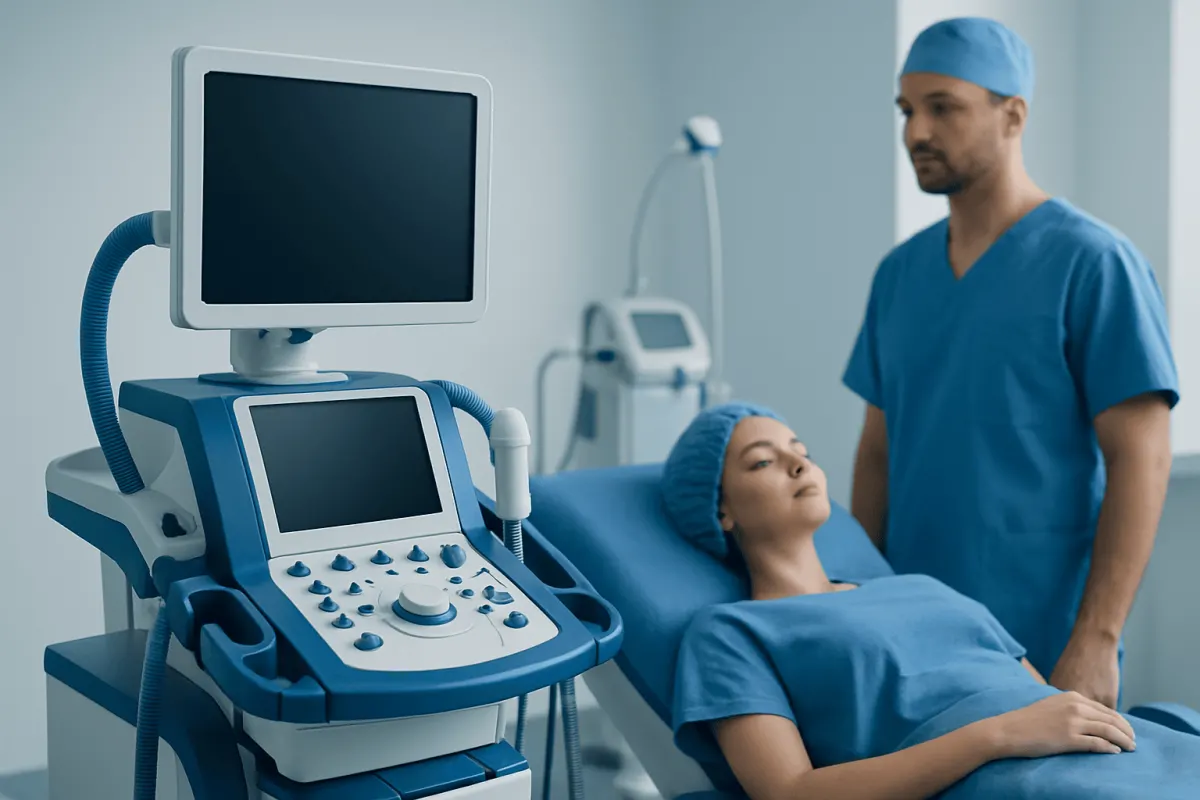
Cosmetic surgery clinics assess whether an elective appearance-focused procedure is suitable, explain realistic outcomes, perform surgery safely and provide structured follow-up. Choosing a qualified surgical team and allowing adequate recovery time are central to achieving a safe, satisfying result.
Overview: What Cosmetic Surgery Clinics Provide
Cosmetic surgery clinics are healthcare settings where people can explore elective procedures designed to alter, restore or enhance physical appearance. A reputable clinic should offer a thorough consultation, clear information about benefits and limitations, surgery by appropriately qualified clinicians, anesthesia planning where needed, and follow-up care during healing. Cosmetic surgery is different from reconstructive surgery, which aims to restore form or function after congenital differences, trauma, cancer treatment or illness.
Procedures may involve the face, breasts, body or skin. Common examples include rhinoplasty, eyelid surgery, breast surgery, liposuction, abdominoplasty and facelifts. The best choice is personal and should be based on a person’s goals, health, anatomy, lifestyle and willingness to follow aftercare instructions—not on trends, edited images or pressure from others.
Published cosmetic surgery procedures statistics can describe broad changes in demand, but they cannot predict whether a procedure is appropriate for an individual. A consultation with a board-qualified plastic surgeon or the relevant specialist is the right setting to discuss likely results, scars, downtime, alternatives and the possibility that the desired outcome may not be achievable safely.
How Cosmetic Surgery Works and Who May Be a Candidate
Cosmetic procedures work by reshaping tissue, removing or redistributing fat, tightening skin, changing volume, or refining specific facial or body features. Depending on the operation, treatment may be performed under local anesthesia with sedation or under general anesthesia. The surgeon selects techniques according to the area being treated, the quality and elasticity of the skin, underlying anatomy and the person’s goals.
Suitable candidates are generally adults in good overall health who have stable expectations and understand that surgery creates scars and requires recovery. A clinician may ask about medical conditions, previous operations, allergies, medications and supplements, smoking or nicotine use, alcohol or recreational drug use, and a history of clotting or wound-healing problems. Pregnancy plans, weight changes and sun exposure may also be relevant for some procedures.
A careful assessment also considers emotional readiness. Cosmetic surgery may improve confidence for some people, but it cannot reliably resolve relationship difficulties, workplace concerns or distress about every aspect of appearance. People with persistent, intrusive worries about perceived flaws may benefit from additional mental health support before making a surgical decision. A responsible clinic can recommend delay, another treatment or no procedure when surgery is unlikely to serve the person’s wellbeing.
- Bring a list of medications, supplements and prior procedures to the consultation.
- Discuss realistic goals using unedited clinical examples when available.
- Ask who will perform the operation, administer anesthesia and provide after-hours support.
- Plan time away from work, caregiving and strenuous activity before booking surgery.
The Procedure: From Consultation to Follow-Up
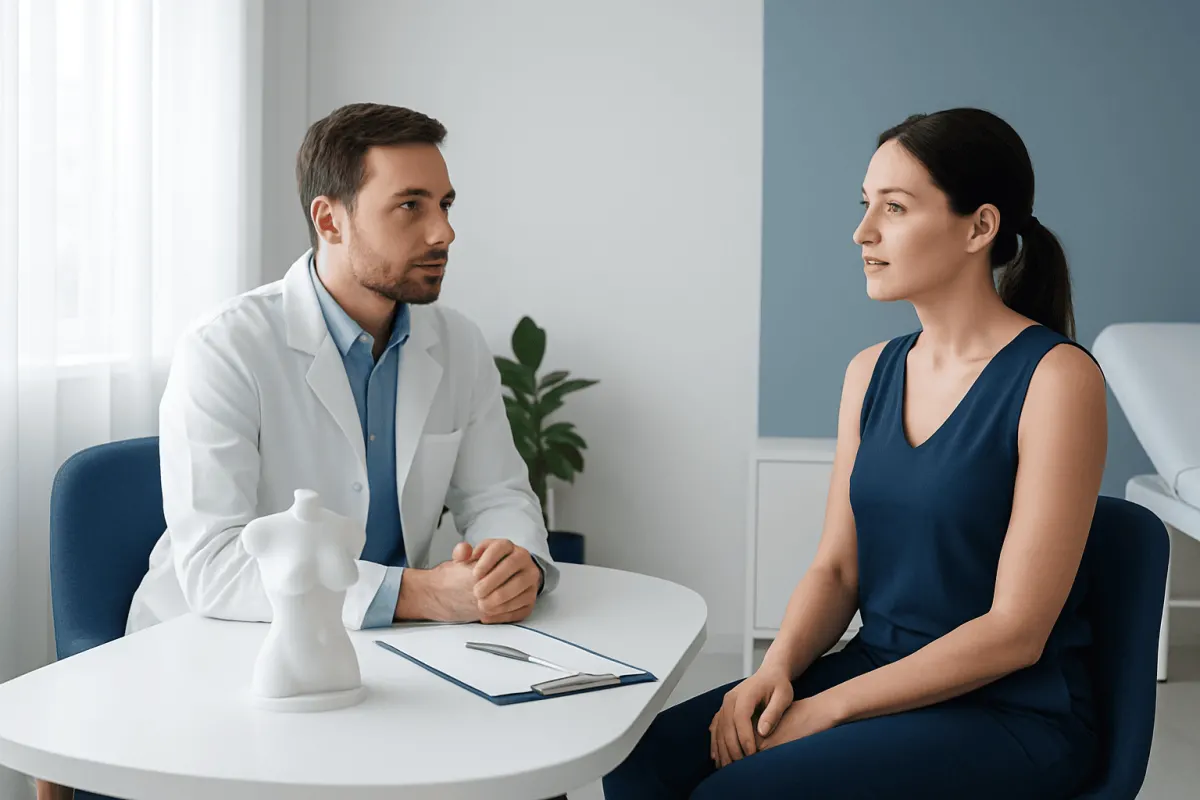
The process usually starts with a consultation and examination. The surgeon listens to the person’s concerns, assesses anatomy and skin quality, explains appropriate options and discusses expected scars, recovery and complications. Photographs or measurements may be used for clinical planning. If surgery is chosen, preoperative testing may be arranged based on age, health history and the planned anesthetic.
Before the procedure, the team reviews consent, confirms the surgical plan and provides instructions about eating and drinking, medications, nicotine avoidance, transport home and support after anesthesia. On the day, the surgical area is marked as needed, anesthesia is given and the operation is performed using sterile techniques. Incisions are usually placed where scars can be less visible, although no scar can be completely guaranteed to disappear.
After surgery, monitoring continues until it is safe to leave the recovery area or hospital. Some procedures are outpatient operations, while others require overnight observation. Written instructions commonly cover wound care, compression garments, activity limits, bathing, pain management, follow-up appointments and warning signs. Patients considering comprehensive facial or body procedures can review plastic surgery treatment options as part of a consultation-led decision.
Follow-up appointments allow the team to check healing, remove sutures or drains when appropriate, adjust dressings and answer questions. A cosmetic surgery revision policy should be discussed before surgery. It should explain how concerns are assessed, the usual waiting period before judging a final result, potential costs or exclusions, and why revision is sometimes medically inappropriate or best delayed until tissues have healed.
Recovery Timeline, Comfort and Expected Results
Cosmetic surgery recovery times differ considerably by procedure and by person. In the first few days, swelling, bruising, tightness, fatigue and discomfort are common. Many people can manage these symptoms with prescribed or recommended medicines, rest, elevation when advised, gentle movement and practical help at home. The care team will explain which symptoms are expected and which require prompt contact.
For smaller facial procedures, many people feel ready for quiet daily activities within about one to two weeks, although residual swelling may last longer. Larger operations, such as an abdominoplasty, body lift or combined procedures, often need several weeks away from strenuous activity. Healing beneath the skin continues for months, and scars commonly mature gradually over a year or longer. The final appearance should not be judged during early swelling or asymmetry.
Recovery is not the same as returning to work. A person may resume desk-based work before they are cleared for exercise, heavy lifting, swimming, contact sports or driving. Safe timing depends on the procedure, anesthesia, use of pain medicines, wound healing and the surgeon’s assessment. People travelling for surgery should avoid treating travel arrangements as a substitute for follow-up, as in-person postoperative review may be important.
Some facilities describe themselves as cosmetic surgery recovery centers. What matters most is that postoperative support is medically appropriate: staff should provide clear discharge instructions, escalation pathways and access to the operating surgeon or a qualified clinical team. A recovery stay cannot remove the need for careful planning, attending follow-up and seeking help for concerning symptoms.
Benefits, Risks and How to Reduce Avoidable Problems
The possible benefit of cosmetic surgery is an appearance change that aligns more closely with a person’s individual preference. Some people also report improved comfort in clothing or greater confidence. Outcomes vary, however, and surgery cannot promise a particular emotional response, social result or level of satisfaction. Reviewing what is realistically achievable is an essential part of informed consent.
All surgery carries risks. These can include bleeding, fluid collection, infection, delayed wound healing, unfavorable scarring, contour irregularities, altered sensation, asymmetry, blood clots and reactions to anesthesia. Some risks are temporary, while others can be long-lasting or require further treatment. Revision surgery may be considered for selected concerns, but it also has risks and is not always needed or advisable.
Risk reduction begins with choosing an appropriately trained, licensed surgeon and an accredited surgical setting. It also includes openly sharing health information, stopping nicotine products for the period advised by the surgeon, maintaining adequate nutrition, arranging support at home and following instructions on wound care and activity. Combining multiple operations can sometimes be appropriate, but it may increase operative time and recovery demands; this should be discussed individually.
Acıbadem Health Point’s multidisciplinary specialists and JCI-accredited hospitals diagnose and treat patients seeking cosmetic surgical care, including international patients, with treatment decisions guided by individual assessment and follow-up needs.
What Is the Hardest Cosmetic Surgery to Recover From?
There is no single procedure that is hardest for every person, because recovery depends on the extent of surgery, individual health, pain sensitivity, support at home and whether procedures are combined. Operations involving larger areas of tissue, muscle repair or several body regions are often more demanding than minor procedures. Abdominoplasty, lower body lift, extensive liposuction and combined body-contouring surgery are commonly associated with longer restrictions and more intensive early recovery.
For example, an abdominoplasty may include tightening of the abdominal wall as well as removal of skin and fat. Standing upright, coughing, getting in and out of bed, and moving around may be uncomfortable initially. A body lift may involve long incisions and careful positioning, which can make sleep and mobility more challenging in the first phase of healing.
“Hardest” should not be the only decision factor. A surgeon can explain the expected recovery burden of each option, whether staging procedures may be safer than combining them, and what assistance will be needed at home. The safest plan is one that matches the person’s health, goals and ability to recover without rushing.
How Painful Is Plastic Surgery Recovery?
Plastic surgery recovery can involve mild to significant discomfort, but pain experiences differ substantially between people and procedures. Patients may describe soreness, pressure, tightness, burning around incisions or aching as swelling develops. Pain is usually most noticeable in the first several days and generally improves step by step, although sensitivity, numbness or intermittent discomfort can continue during healing.
The surgical team creates an individualized plan to support comfort. This may include prescribed or non-prescription pain medicines when medically suitable, compression garments, elevation, cold therapy only when specifically advised, and gradual walking. Medicines should be taken exactly as instructed, and patients should avoid adding supplements or medicines that could increase bleeding risk unless the clinician approves them.
Severe pain, pain that suddenly worsens, or pain with marked swelling, fever, shortness of breath, chest pain or one-sided leg swelling is not something to manage alone. The patient should contact the surgical team urgently or seek emergency care according to local guidance. Early communication can help clinicians assess whether healing is proceeding normally.
When to Seek Medical Care
Patients should contact their surgical clinic promptly if they have increasing redness, warmth, swelling, drainage with an unpleasant odor, a persistent fever, worsening pain, an opening in the incision, or vomiting that prevents drinking fluids or taking prescribed medication. The team can advise whether an urgent examination is needed and may identify a complication before it becomes more serious.
Emergency assessment is needed for symptoms such as difficulty breathing, chest pain, fainting, confusion, severe uncontrolled bleeding, sudden facial weakness or a painful swollen leg. These symptoms can have causes unrelated to cosmetic surgery but should always be assessed without delay. Patients should use local emergency services rather than wait for a routine appointment.
After the initial recovery period, it is sensible to return to the surgeon if scars become unusually raised or painful, asymmetry persists beyond the expected healing phase, sensation changes are troubling, or there are concerns about the result. The clinician can distinguish normal healing changes from issues that need treatment and discuss whether observation, non-surgical care or later revision may be appropriate.
Frequently asked questions
01How long does it take to recover from cosmetic surgery?
Recovery time ranges from several days for some minor procedures to weeks or months for larger operations. Many people return to light daily tasks before swelling resolves or they are cleared for exercise. The surgeon’s individual instructions are the safest guide for returning to work, driving, lifting and sport.
02What has happened to Dr. Phil's wife's face?
It is not appropriate or medically reliable to diagnose a public figure’s appearance from photographs, interviews or online discussion. Facial changes can reflect lighting, makeup, aging, weight changes, dental work, medical conditions or cosmetic treatments, among many other factors. Only the individual and their treating clinicians can accurately discuss personal medical or cosmetic care.
03What should a person ask cosmetic surgery clinics during a consultation?
They should ask about the surgeon’s qualifications, the setting where surgery will occur, expected benefits, scars, risks, anesthesia, recovery restrictions and follow-up arrangements. It is also helpful to ask how complications are handled and to review the clinic’s cosmetic surgery revision policy. A patient should feel able to take time before deciding.
04Can cosmetic surgery be combined with more than one procedure?
Sometimes procedures can be combined, but this is not suitable for everyone. Combining operations may reduce the number of anesthetics and recovery periods, yet it can also increase operative time, blood loss and recovery demands. A surgeon should assess the person’s health and explain whether staging treatment would be safer.
05When can someone exercise after cosmetic surgery?
Light walking is often encouraged soon after surgery to support circulation, but the exact timing depends on the procedure and medical history. Heavy lifting, vigorous exercise, swimming and contact sports usually need to wait until wounds have healed and the surgeon gives clearance. Returning too soon can increase swelling, bleeding or wound complications.
06Will cosmetic surgery scars disappear completely?
All incisions create scars, although surgeons aim to place them as discreetly as possible. Scars usually change over time, often becoming flatter and lighter over months, but they do not disappear completely. Skin type, genetics, wound healing, sun exposure and aftercare can influence their final appearance.
This article is for general information only and is not a substitute for professional medical advice. Please consult a qualified doctor about your individual situation.
Oncology care in Turkey — second opinion and treatment plan
JCI-accredited · board-certified surgeons · reply within 24h
Add us as a Preferred Source to see more of our trusted health content across Google Search, AI Overviews and Discover.