Calf Augmentation Price: Costs and Care Considerations
Calf augmentation price cannot be reliably quoted as one standard amount because the final cost depends on the chosen technique, the complexity of treatment, the surgical setting and the care included before and after surgery. A consultation with a qualified plastic surgeon helps patients understand whether implants, fat transfer or another approach is suitable and what their individualized treatment plan may involve.
Calf Augmentation Price: What Does the Total Cost Include?
Calf augmentation price varies because there is no single procedure or identical treatment plan for every patient. The most accurate answer comes after an in-person assessment, when the surgeon can determine whether calf implants, fat transfer, or another approach is appropriate and explain the fees involved. A safe comparison should consider the complete care pathway rather than a headline figure alone.
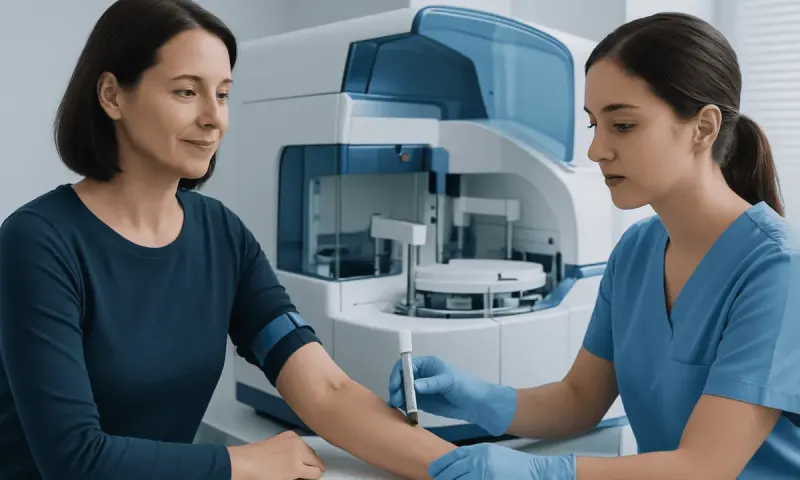
A calf augmentation surgery cost estimate may include the surgeon’s professional fee, anesthesia, operating-room or hospital charges, implants when used, medical tests, compression garments, medications and scheduled follow-up visits. If fat transfer is planned, the estimate may also reflect liposuction and preparation of the collected fat. Revision surgery, additional fat-grafting sessions, travel and accommodation are not always included, so patients should ask for a written, itemized plan.
Price can also be influenced by the extent of correction, whether one or both calves are treated, the surgical facility, the experience and credentials of the clinical team, and the level of aftercare required. Decisions should be based on safety, communication and realistic expectations, not cost alone.
How Does Calf Augmentation Work?
Calf augmentation is a cosmetic or reconstructive procedure intended to improve lower-leg contour and create the appearance of greater calf volume. Some people seek it because their calves remain relatively small despite exercise, while others have asymmetry related to genetics, injury, a congenital difference, muscle loss or a neurological condition. The best approach depends on the amount and location of volume needed, skin and soft-tissue quality, and the person’s overall health.
Implant-based augmentation typically uses shaped silicone implants placed through a small incision, often in the crease behind the knee. The surgeon creates a pocket beneath the connective tissue covering the calf muscle or, in selected cases, in another carefully planned tissue plane. Implant selection and placement aim to achieve a proportionate contour while protecting nearby nerves and blood vessels.
Fat transfer, also called fat grafting, removes fat from one area of the body with liposuction and injects processed fat into the calf. This may suit people who prefer to use their own tissue and have sufficient donor fat. It can produce a softer contour, but some of the transferred fat is naturally absorbed during healing, and more than one session may be considered. Patients can learn more about calf augmentation treatment options during a specialist consultation.
Is There a Surgery to Make Your Calves Bigger?

Yes. Calf implants and fat transfer are surgical options that can make the calves appear larger or more balanced. Implants are generally used when a patient wants a more defined and durable increase in volume, particularly in the inner calf area. Fat transfer may be useful for modest enlargement, contour refinement or treatment of selected asymmetries.
Not every small calf requires surgery. Strength training can increase muscle size in some people, although genetics, muscle anatomy and prior medical conditions affect how much change is possible. Injectable fillers are sometimes discussed for body contouring, but their suitability, longevity and safety in the calf area require careful assessment and they are not a substitute for surgery in every situation.
A consultation should include discussion of the person’s goals, photographs where appropriate, a physical examination and review of muscle strength and gait. The surgeon should also explore possible underlying causes of new or marked asymmetry. Cosmetic treatment should not delay assessment of weakness, pain, numbness or circulation-related symptoms.
Who May Be a Candidate for Calf Augmentation?
Potential candidates are adults in generally good health who have stable weight, realistic expectations and a clear reason for seeking contour change. They may have naturally underdeveloped calves, noticeable side-to-side differences, volume loss after an injury, or concerns following previous surgery. A surgeon assesses whether the concern is primarily related to muscle bulk, fat distribution, skin laxity or skeletal shape.
People considering surgery should be prepared to follow recovery instructions, including activity restrictions and follow-up appointments. Smoking or nicotine use can impair wound healing, so clinicians may recommend stopping before and after an operation. Patients should share all medications, supplements, allergies, previous operations and history of bleeding, clotting or wound-healing problems.
Calf augmentation may need to be postponed or avoided in people with uncontrolled medical conditions, active infection, significant circulation problems, or expectations that surgery cannot safely meet. A person with progressive weakness, unexplained calf wasting or a change in walking ability may need medical investigation before any aesthetic procedure is considered.
What Happens During the Procedure?
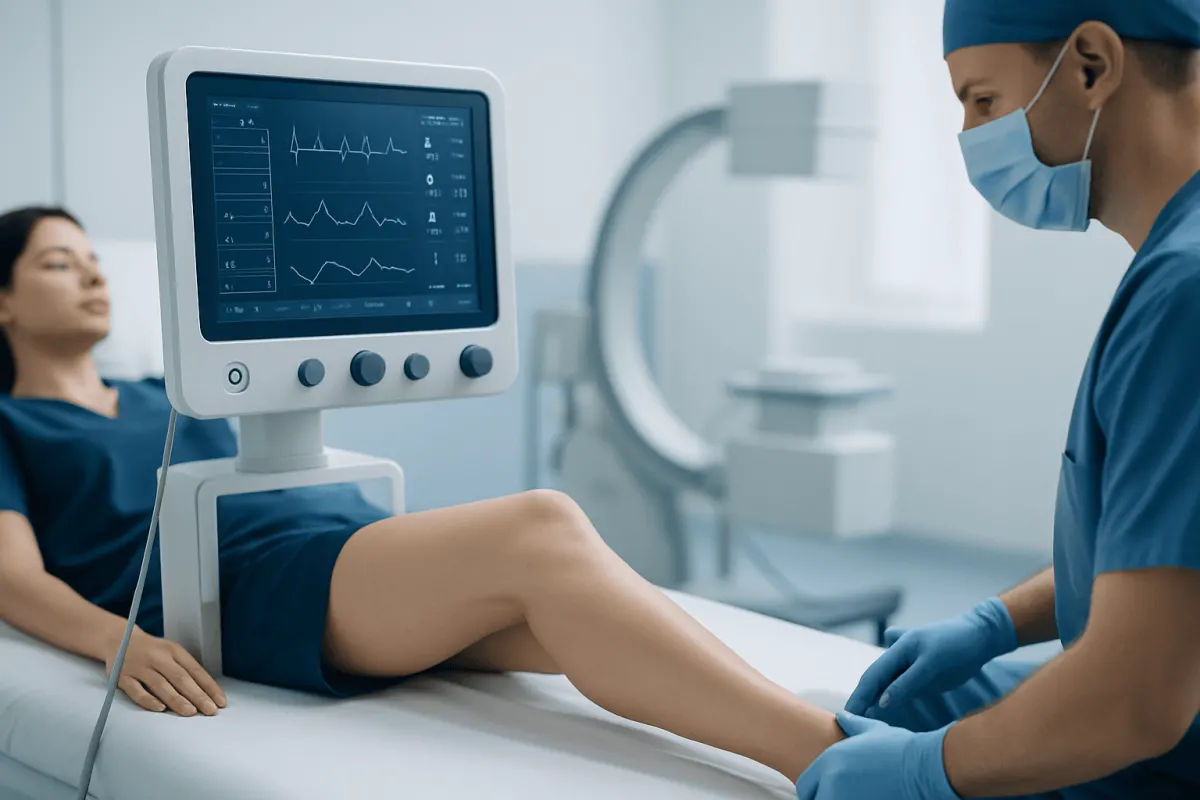
Before surgery, the surgeon discusses the desired contour, evaluates the legs while standing and moving, and plans the treatment. Photographs and measurements may be used for surgical planning. The care team provides instructions about eating and drinking before anesthesia, medication adjustments, transport home and the need for support during early recovery.
For implant surgery, anesthesia is administered and the surgeon makes an incision in a discreet location, commonly behind the knee. A pocket is created for each implant, the implant is positioned and symmetry is checked before the incision is closed. Dressings and compression may then be applied. The precise operative technique varies according to anatomy and the planned implant location.
For fat transfer, liposuction is first performed on an agreed donor area, such as the abdomen, flanks or thighs. The collected fat is processed and carefully injected in small amounts throughout the planned calf region. This technique involves recovery in both the donor and recipient areas. Patients should ask their surgeon what type of anesthesia, setting and aftercare are recommended for their individual procedure.
Calf Augmentation Recovery Time, Benefits and Risks
Calf augmentation recovery time differs between implant surgery and fat transfer and depends on the extent of treatment. Swelling, bruising, tightness and soreness are common initially. Walking is usually encouraged in a controlled way to support circulation, but patients may need to limit long walks, vigorous exercise, heavy lifting and activities that place substantial strain on the calves until the surgeon confirms that healing is progressing well.
Compression garments may be recommended to help manage swelling and support the treated tissues. The early appearance is not the final result because swelling settles gradually. With fat transfer, the long-term contour becomes clearer only after the body has completed the healing and fat-retention process. Follow-up appointments allow the team to check wounds, comfort, mobility and symmetry.
Potential benefits include fuller calves, improved leg proportion and reduced visibility of selected asymmetries. Risks include bleeding, infection, fluid accumulation, scarring, changes in sensation, wound-healing problems, asymmetry, implant movement, capsular tightening around an implant, dissatisfaction with contour and the possible need for revision surgery. Fat transfer also carries the possibility of uneven absorption, lumps, contour irregularity or the need for further grafting. Rare but serious complications, including blood clots, require prompt medical attention.
How Much Do Calf Implants Cost?
The cost of calf implants depends on the type and number of implants, surgical complexity, anesthesia, hospital or operating-facility fees, professional fees and aftercare. A quote should clarify whether it covers preoperative assessment, implants, garments, routine follow-up and any expected tests. It is also helpful to ask which costs may apply if additional care or revision is needed.
Patients should be cautious about comparing implant surgery using a single advertised price. Lower estimates may exclude anesthesia, facility charges, implants, consultation fees or postoperative care. A transparent discussion with a qualified surgeon supports informed financial planning and helps ensure that safety standards are not compromised.
Payment arrangements, insurance coverage and documentation differ by country and by whether surgery is cosmetic or reconstructive. Purely aesthetic calf augmentation is commonly not covered by health insurance, while reconstruction after trauma or disease may be assessed differently depending on the policy and clinical circumstances.
Are Calf Implants Worth It?
Whether calf implants are worth it is personal and depends on a patient’s goals, anatomy, willingness to accept recovery and risks, and understanding of the likely result. Implants may offer a relatively predictable, lasting increase in volume for appropriately selected patients. However, they are medical devices and can require future assessment or, occasionally, further surgery.
A useful consultation focuses on what surgery can reasonably improve rather than promising perfection. Patients may benefit from asking to see examples of results relevant to their body type, learning where scars are expected, discussing alternatives and understanding how the surgeon manages complications. Taking time to consider the decision can support satisfaction.
Emotional well-being also matters. Surgery is generally most appropriate when a person is pursuing a change for themselves, rather than responding to pressure from others or expecting it to resolve broader concerns about self-esteem. If body-image distress is persistent or disruptive, discussing it with a qualified mental health professional can be helpful alongside surgical advice.
How Much Are Turkish Calf Implants?
There is no reliable single answer to how much Turkish calf implants cost because treatment plans, hospital standards, implant choices, anesthesia and follow-up arrangements differ widely. International patients should request a personalized written quotation after a clinical review, and should confirm exactly what is included before making travel plans. An online estimate cannot replace a medical examination or guarantee final eligibility.
When arranging treatment abroad, patients should consider surgeon qualifications, the accreditation and emergency capabilities of the facility, language support, postoperative monitoring and plans for care after returning home. It is important to allow sufficient time in the destination country for the recommended early follow-up and to avoid long-distance travel until the treating team considers it appropriate.
Acıbadem Health Point’s multidisciplinary specialists and JCI-accredited hospitals diagnose and treat patients from abroad, with individualized assessment and coordination of care. Patients should ask directly about surgical planning, recovery support, documentation and arrangements for communicating with their home healthcare professionals.
When to Seek Medical Care
Anyone considering calf enlargement should arrange a consultation with a qualified plastic surgeon rather than relying on online images or informal advice. Medical review is especially important when one calf has recently become smaller, larger, weaker, painful or numb, as these symptoms can have causes that need assessment before cosmetic treatment.
After calf surgery, patients should contact their surgical team promptly for worsening pain, increasing redness or warmth, drainage from the incision, fever, new numbness, significant asymmetry or swelling that does not improve as expected. These symptoms do not always mean a serious complication, but timely assessment is important.
Urgent medical care is needed for sudden severe calf swelling or pain, a cold or pale foot, chest pain, shortness of breath, coughing blood, fainting or confusion. These symptoms can indicate conditions that require immediate evaluation and should not be managed solely at home.
Frequently asked questions
01What is included in calf augmentation price?
The total price may include the surgeon’s fee, anesthesia, operating-facility charges, implants or fat-processing costs, prescribed garments and follow-up appointments. In some plans, preoperative tests, medications, revision procedures, travel and accommodation may be separate. Patients should request an itemized written estimate.
02How much do calf implants cost?
Calf implant costs vary substantially by country, facility, implant type, number of implants, surgeon and the amount of care included. A safe and meaningful estimate requires a consultation and examination. Comparing only a headline price may overlook important costs such as anesthesia, hospital care and follow-up.
03Are calf implants worth it?
For some appropriately selected patients, calf implants can provide a durable improvement in calf volume and proportion. Whether they are worthwhile depends on personal goals, acceptance of scars and recovery, understanding of possible complications and realistic expectations. A detailed consultation is the best way to weigh benefits against risks and alternatives.
04How much are Turkish calf implants?
There is no single standard price for calf implants in Türkiye because surgical plans and hospital services differ. International patients should obtain a personalized written estimate that explains what is included, such as implants, anesthesia, hospital care, follow-up and any travel-related support. Quality, safety and postoperative planning should be considered alongside cost.
05Is there a surgery to make your calves bigger?
Yes. Calf implants and fat transfer are surgical methods used to increase calf volume or improve asymmetry. Implants may provide a more defined volume increase, while fat transfer uses a person’s own fat and may be suited to more subtle contour enhancement. A plastic surgeon can advise which option, if any, is appropriate.
06What is calf augmentation with fat cost based on?
Calf augmentation with fat cost is influenced by the amount of liposuction required, the donor areas treated, fat processing, injection technique, anesthesia and the number of sessions anticipated. Because some transferred fat may be absorbed, a surgeon may discuss the possibility of additional treatment. The final plan should be individualized after examination.
07How long is calf augmentation recovery time?
Initial recovery commonly involves temporary swelling, bruising, tightness and reduced activity. The timing for returning to work, exercise and long-distance travel depends on the procedure, healing progress and the physical demands involved. Patients should follow their surgeon’s specific instructions and attend planned postoperative reviews.
This article is for general information only and is not a substitute for professional medical advice. Please consult a qualified doctor about your individual situation.
Explore treatments in Turkey — costs, top hospitals & a free quote
JCI-accredited · board-certified surgeons · reply within 24h
Add us as a Preferred Source to see more of our trusted health content across Google Search, AI Overviews and Discover.