Ankle Surgery Recovery: When Can You Bear Weight?
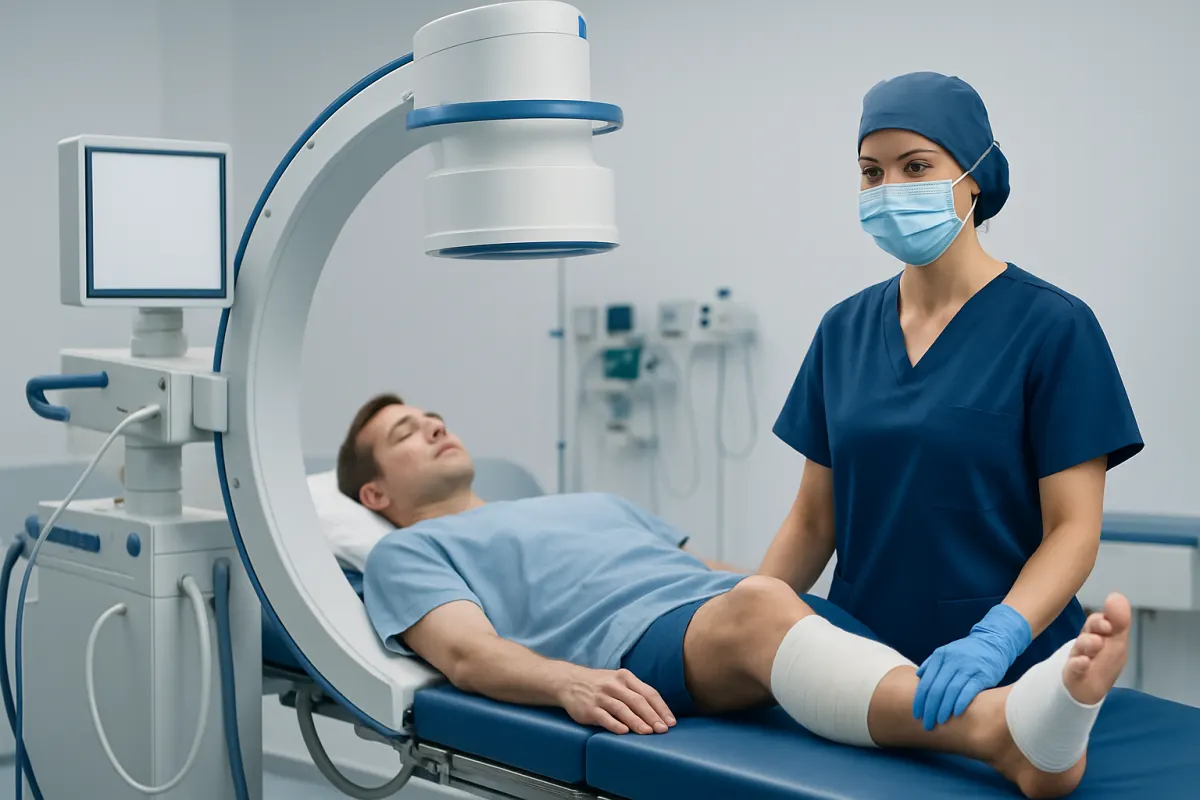
Ankle surgery recovery usually progresses from swelling control and protected movement in the first days to gradual weight-bearing and rehabilitation over several weeks or months. The exact timeline depends on the operation, the underlying injury or condition, bone healing, general health and the surgeon's instructions.
Overview: what ankle surgery recovery involves
Ankle surgery recovery is a staged process that protects healing tissues while gradually restoring movement, strength and walking ability. Many people need a splint, boot, cast or brace at first, and some must avoid putting weight through the operated foot for a period of time. A surgeon’s plan takes priority because the safe pace differs substantially between procedures.
Surgery may be recommended for an unstable fracture, severe ligament injury, tendon problem, arthritis, joint damage, infection or persistent symptoms that have not improved with non-surgical care. Procedures range from minimally invasive arthroscopy to reconstruction, fracture fixation or joint replacement. Recovery is therefore not defined by one universal timeline.
The early priorities are protecting the surgical site, controlling swelling, managing pain safely and recognizing possible complications early. Later priorities include rebuilding ankle flexibility, calf strength, balance and normal walking mechanics. Regular follow-up appointments allow the care team to check wound healing and, where relevant, confirm bone healing with imaging.
Why surgery may be recommended and who may be a candidate
An ankle operation is considered when the expected benefits outweigh the risks of surgery and recovery. For example, surgery may stabilize a displaced or unstable fracture, repair or reconstruct ligaments after chronic ankle instability, remove tissue causing joint symptoms, address selected tendon injuries, or treat severe arthritis when pain and loss of function are significant.
Before recommending surgery, an orthopedic surgeon considers symptoms, physical examination findings, X-rays and sometimes CT or MRI scans. They also review activity needs, work demands, smoking status, circulation, diabetes, medications, bone health and previous treatments. These factors can affect both surgical planning and the rate of healing.
Not everyone with ankle pain or an ankle injury requires an operation. Bracing, activity modification, physiotherapy, medicines, injections in selected cases and supportive footwear may be appropriate alternatives. A shared discussion should cover the diagnosis, the intended outcome, non-surgical options, likely recovery restrictions and the individual’s goals.
Preparation may include managing chronic health conditions, arranging help at home, planning mobility aids and discussing whether adjustments are needed for medicines that affect bleeding or healing. Stopping smoking or nicotine use before and after surgery is particularly important because nicotine can impair wound and bone healing.
How ankle surgery works: typical steps and early care

The specific surgical technique depends on the diagnosis. Fracture surgery may realign bone fragments and secure them with plates, screws or other fixation devices. Ligament reconstruction may use repaired tissue or a graft to restore stability. Arthroscopy uses a small camera and instruments through small incisions, while more extensive surgery may require a larger incision to reach the joint, tendons or bones.
Most procedures are performed with anesthesia so the person does not feel pain during surgery. Depending on the procedure and health needs, it may be done as day surgery or require a hospital stay. Afterward, the ankle is usually protected in a dressing and splint, boot or cast. The leg may feel numb for a time if a nerve block was used.
At discharge, the team provides instructions about weight-bearing, wound care, bathing, elevation, medicines, follow-up and safe use of crutches, a walker or knee scooter. It is important not to remove or change dressings unless instructed. Driving should be avoided until the surgeon confirms it is safe, particularly after surgery on the right ankle or while taking medicines that can impair reaction time.
For people considering specialist assessment, ankle surgery evaluation and treatment can help clarify the suitable procedure and expected rehabilitation plan.
Ankle surgery recovery timeline: from the first days to return to activity
During the first 1 to 2 weeks, pain, bruising and swelling are expected, although they should become more manageable with the prescribed plan. Resting with the ankle elevated above heart level when possible can reduce swelling. The person may be asked to keep the dressing dry, move the toes and knee regularly, and use mobility aids without placing weight on the ankle if instructed.
At roughly 2 weeks, the wound is commonly reviewed and stitches or staples may be removed if appropriate. The surgeon may change the splint to a cast, boot or brace. Whether weight-bearing can begin at this stage depends on the procedure and healing. Following restrictions carefully is important even if pain has improved, because healing bone, ligaments and tendons can still be vulnerable.
Across the following weeks, many people begin a graduated program of ankle motion and, when cleared, partial then full weight-bearing. Physiotherapy may focus on reducing stiffness, restoring range of motion, strengthening the calf and supporting muscles, and retraining balance. Swelling can remain noticeable for months, especially later in the day or after increased activity.
Return to office-based work may be possible earlier than return to physically demanding work, depending on pain control, mobility and the ability to elevate the leg. Higher-impact exercise, running and sport often require a longer period of rehabilitation and medical clearance. Full recovery can take several months, and some complex operations or severe injuries can take longer.
How long after ankle surgery can I walk normally?
Walking normally after ankle surgery may take several weeks to several months. Some less extensive procedures allow early protected walking in a boot, while fracture fixation, tendon repair, ligament reconstruction and joint replacement may require a period without weight-bearing followed by gradual progression. A limp may persist while swelling, stiffness, weakness and reduced confidence improve.
Normal walking means more than being able to put weight on the foot. It includes walking without substantial pain, a protective limp or unsafe compensation through the knee, hip or back. Regaining this pattern requires adequate healing, ankle mobility, calf strength and balance.
The surgeon and physiotherapist will advise when to move from crutches or other aids to a boot, supportive shoe and unrestricted walking. Progress should not be accelerated simply because symptoms feel better. If walking causes a marked increase in pain, swelling or instability, the person should pause, follow the care plan and contact the clinical team for guidance.
What are the worst days after ankle surgery?
For many people, discomfort and swelling are most noticeable during the first few days after surgery, particularly as anesthesia or a nerve block wears off. The first week can also feel challenging because mobility is limited, sleep may be disrupted and the need to keep the leg elevated can interfere with usual routines.
Symptoms should generally trend toward improvement rather than become progressively worse. Pain control works best when medicines are used exactly as prescribed or recommended, alongside non-medication measures such as elevation and rest. Some prescribed pain medicines can cause drowsiness, nausea or constipation, so the care team may advise practical measures to reduce these effects.
Emotional frustration is also common during early recovery, especially for people who are used to being active or independent. Preparing support with meals, transport, work arrangements and daily tasks can reduce stress. Persistent severe pain, tightness in the cast or splint, new numbness, cold toes or escalating swelling should be reported promptly rather than managed alone.
What I wish I knew before ankle surgery?
Many people find it helpful to know that recovery is often more demanding than the operation itself. The need for crutches or other mobility aids, reduced independence, swelling that lasts longer than expected and the time needed for rehabilitation can all affect daily life. Planning the home environment before surgery can make a meaningful difference.
Useful preparations include arranging a safe place to rest with the leg elevated, removing trip hazards, preparing easy meals, considering shower safety and organizing help with children, pets, shopping and transport. Loose clothing that fits over a cast or boot may also be useful. The person should confirm whether stairs can be managed safely and ask for training with mobility aids before leaving the hospital.
It is also important to ask clear questions: How long must weight be avoided? When can the dressing get wet? When can work, driving, travel and exercise resume? Which symptoms require urgent contact? Keeping written instructions and attending every follow-up visit helps prevent confusion during recovery.
Rehabilitation is not an optional extra for many procedures. Completing the recommended exercises and therapy sessions supports recovery of function while avoiding movements that could damage healing structures.
How many days should I rest after ankle surgery?
Most people need substantial rest and leg elevation during the first several days after ankle surgery, but complete inactivity for a prolonged period is usually not the goal. The appropriate amount of rest depends on the operation, pain, swelling, medical history and weight-bearing instructions. The surgeon may encourage safe movement of the toes, knee and hip, as well as short activity periods using mobility aids.
Rest means protecting the ankle from load and avoiding activities that increase swelling or risk a fall. It does not necessarily mean staying in bed all day. Unless advised otherwise, regular gentle movement, changing position and following clot-prevention instructions can support circulation and general wellbeing.
As recovery advances, activity increases gradually according to medical guidance. Returning too quickly to standing, walking, exercise or work can worsen swelling and may endanger a repair. Conversely, avoiding all movement beyond the recommended period can contribute to stiffness and weakness. The safest plan is the individualized schedule provided by the surgical team.
Benefits, risks and when to seek medical care
Potential benefits of ankle surgery include improved alignment or stability, reduced pain, better ability to walk and greater participation in daily activities. However, outcomes depend on the original condition, the type of surgery, rehabilitation and individual healing. Even after technically successful surgery, some people may have ongoing stiffness, swelling, altered sensation or limitations with high-impact activity.
Possible risks include infection, bleeding, blood clots, wound healing problems, nerve or blood vessel injury, persistent pain, stiffness, failure of bone or soft tissue to heal as expected, hardware-related symptoms and the need for further treatment. The surgical team explains the risks that are most relevant to the planned procedure and personal health history.
When to seek medical care: Contact the surgical team urgently for increasing redness, warmth, drainage or a bad smell from the wound; fever; worsening pain not relieved by the plan; a cast or dressing that feels excessively tight; new numbness; pale, blue or cold toes; or a sudden inability to move the toes. Seek emergency care for chest pain, shortness of breath, coughing blood, fainting, or new painful swelling in the calf, as these can be signs of a serious complication.
Acıbadem Health Point’s multidisciplinary specialists and JCI-accredited hospitals provide assessment, surgical treatment and rehabilitation planning for international patients. Ongoing follow-up with the treating surgeon and rehabilitation team remains central to a safe ankle surgery recovery.
Frequently asked questions
01How long does ankle surgery recovery take?
Ankle surgery recovery can take weeks to months, depending on the procedure and the reason for surgery. Bone, tendon and ligament healing usually require a gradual return to activity, and swelling may continue for several months. The operating surgeon can provide the most accurate timeline for an individual case.
02When can I put weight on my foot after ankle surgery?
Weight-bearing may be allowed immediately after some procedures, but it may be restricted for several weeks after others. The timing depends on the stability of the repair and the tissues that need to heal. A person should only begin weight-bearing when specifically cleared by their surgeon.
03How long after ankle surgery can I walk normally?
Some people walk with support within a few weeks, but walking without a limp may take several months. Normal walking depends on healing, motion, strength, balance and pain control, not just the ability to place the foot on the ground. Physiotherapy often helps restore a safer and more natural gait.
04What are the worst days after ankle surgery?
The first few days are often the most uncomfortable because swelling can increase as anesthesia wears off and mobility is limited. The first week may also be difficult due to sleep disruption and the need to elevate the leg. Symptoms should gradually improve, rather than steadily worsen.
05How many days should I rest after ankle surgery?
Most people need focused rest and elevation for the first several days, but the exact duration varies. The surgeon may still recommend safe movement of the toes, knee and hip, as well as brief activity with mobility aids. Weight-bearing and activity restrictions should be followed exactly.
06Can swelling last for months after ankle surgery?
Yes, mild to moderate swelling can persist for several months, particularly after standing, walking or rehabilitation exercises. It should generally improve over time with rest, elevation and gradual activity progression. Sudden or worsening swelling, especially with calf pain or breathing symptoms, needs urgent medical assessment.
07When can I drive after ankle surgery?
Driving should wait until the person can safely control the vehicle, is no longer using impairing pain medicine and has been cleared by the surgeon. This is especially important after right ankle surgery, when braking response may be affected. Restrictions vary by procedure, mobility aid use and recovery progress.
This article is for general information only and is not a substitute for professional medical advice. Please consult a qualified doctor about your individual situation.
Joint and spine care in Turkey — expert assessment & treatment
JCI-accredited · board-certified surgeons · reply within 24h
Add us as a Preferred Source to see more of our trusted health content across Google Search, AI Overviews and Discover.