Cosmetic Surgery Abroad: Planning for Safe Care
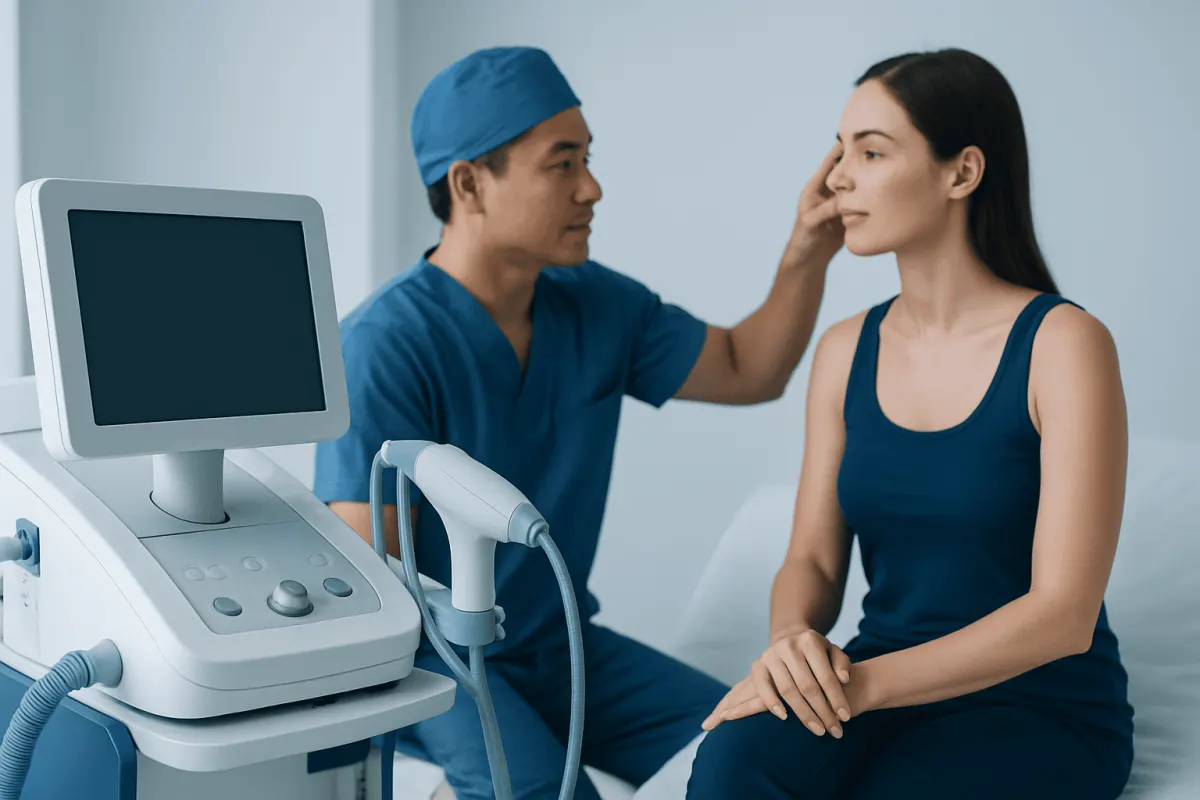
Cosmetic surgery abroad involves travelling to another country for an elective procedure such as breast surgery, body contouring, facial surgery or hair restoration. Safe planning depends less on the destination alone and more on choosing appropriately qualified clinicians, a properly accredited hospital, clear communication and a realistic recovery plan.
Overview: what cosmetic surgery abroad involves
Cosmetic surgery abroad means travelling internationally for an elective procedure intended to change or refine appearance. It may include facial procedures, breast surgery, body-contouring surgery, liposuction, rhinoplasty, hair restoration or non-surgical aesthetic treatments. People may consider cosmetic surgery travel for access to a particular specialist, availability of a procedure, privacy, family connections or convenience.
The decision should be approached as healthcare rather than as a holiday purchase. A safe plan includes a medical consultation before travel, an individual assessment of suitability, a clear explanation of benefits and limitations, reliable anaesthesia and hospital services, and practical arrangements for recovery and follow-up. The same standards are important for cosmetic surgery outside United States as they are in any other setting.
Results vary with the procedure, anatomy, skin quality, healing, lifestyle factors and the surgeon’s technique. Cosmetic surgery can improve a feature that concerns a person, but it cannot guarantee a particular appearance or resolve broader concerns about self-image. An experienced specialist should discuss what is medically realistic and whether surgery is the right option.
How cosmetic surgery works and who may be a candidate
Cosmetic procedures abroad are tailored to the body area and treatment goal. Surgery may remove or reposition tissue, reshape bone or cartilage, tighten skin, transfer fat, place an implant, or improve contour through suction-assisted fat removal. Some procedures are performed under local anaesthesia with sedation, while others need general anaesthesia and a hospital stay.
A suitable candidate is generally in good overall health, has stable weight where relevant, does not smoke or is willing to stop well before and after surgery, and has realistic expectations. The surgeon will review medical conditions, allergies, medications, previous operations, pregnancy plans when relevant, and factors that may affect wound healing or anaesthetic safety.
People with uncontrolled medical conditions, active infection, untreated bleeding problems, significant nicotine use or unrealistic expectations may need to postpone surgery or consider alternatives. Emotional readiness also matters. A consultation should allow time to ask questions without pressure and to decide whether the proposed operation matches the person’s goals.
- Ask who will perform the operation and what specialist training they hold.
- Confirm where surgery and recovery will take place and what emergency services are available.
- Discuss scars, expected changes, revision possibilities and limitations honestly.
- Share all medicines, supplements, medical history and prior cosmetic procedures.
Planning and step-by-step procedure journey
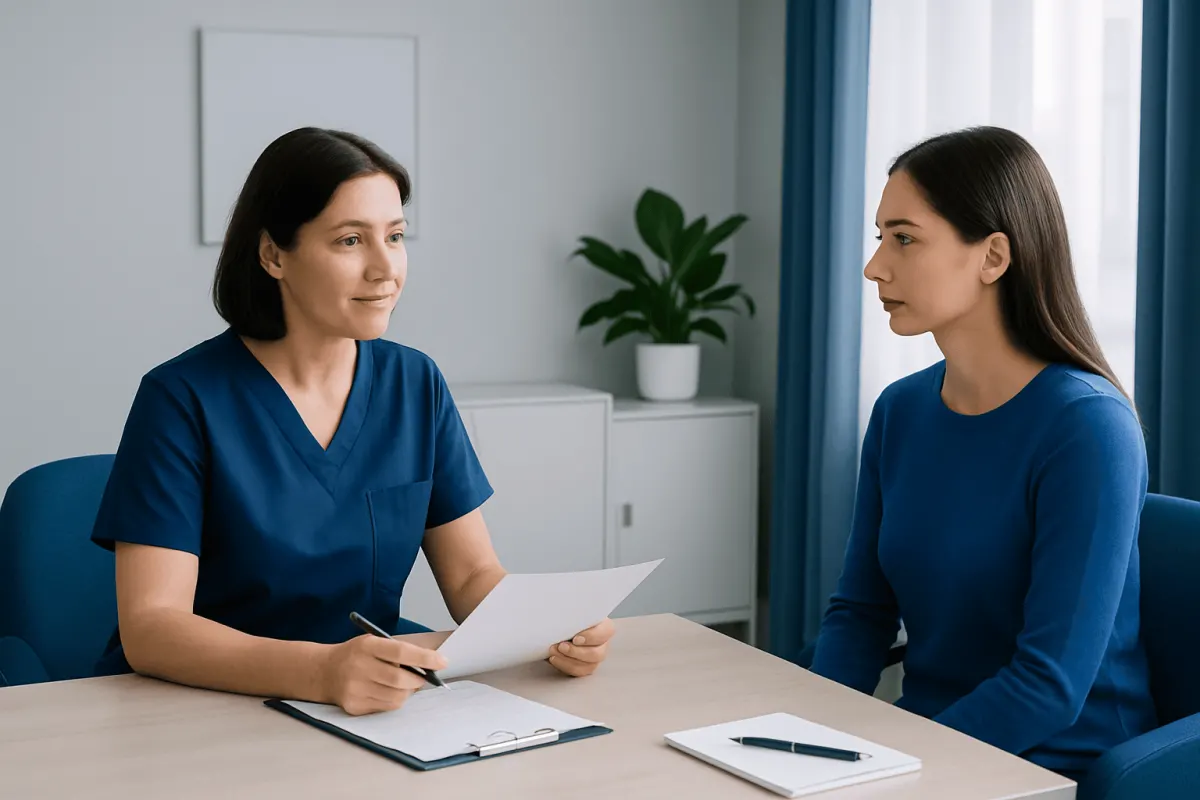
Before travelling, patients should have a detailed remote or in-person consultation with the treating team. This usually includes medical history, photographs or examination where appropriate, discussion of goals, consent information and a proposed treatment plan. A responsible provider explains what cannot be assessed fully from photographs and confirms suitability again after an in-person examination.
After arrival, the process commonly includes a pre-operative assessment, laboratory or other tests if clinically indicated, review by the surgeon and anaesthesia team, surgical markings for some body procedures, and confirmation of consent. On the day of surgery, the operation is performed in an appropriately equipped operating room. The length of the procedure depends on its type and whether more than one operation is being considered.
After surgery, patients are monitored in a recovery area and may stay overnight if needed. They receive instructions on wound care, activity, pain relief, compression garments when relevant, medications and follow-up appointments. For procedures such as rhinoplasty, swelling can change gradually over many months, so early appearance is not the final result.
Combining operations can reduce the number of separate anaesthetics and recovery periods, but it can also make surgery longer and recovery more demanding. The surgical team should decide whether combination treatment is appropriate based on a person’s health, the procedures planned and safety considerations rather than convenience alone.
Recovery timeline and expected results
Recovery after cosmetic surgery varies considerably. The first few days usually involve rest, swelling, bruising, soreness and limited mobility, depending on the procedure. Patients should stay locally long enough for early review and should not schedule sightseeing, strenuous activity or long journeys immediately after surgery.
During the first one to two weeks, many people need help with daily activities and may have dressings, drains, splints or compression garments. Desk work may be possible sooner after some procedures, but return-to-work timing should be confirmed individually. Heavy lifting, vigorous exercise, swimming and sun exposure may need to be avoided for longer.
Swelling often improves in stages. Scars can remain pink, firm or raised at first and generally mature slowly over months. With liposuction, contour changes may become clearer as swelling settles; maintaining stable weight helps preserve the result. Follow-up care remains important after returning home, particularly if a wound concern or unexpected symptom develops.
Flights after surgery require careful timing. Immobility during travel can contribute to blood-clot risk, and cabin travel may be uncomfortable while swelling is present. The surgeon should provide personal guidance on when it is safe to fly, based on the operation, recovery progress and individual risk factors.
Benefits, limitations and possible risks
Potential benefits of cosmetic surgery include a change in shape, proportion, contour or visible signs of ageing that aligns more closely with a person’s goals. Some procedures can also improve comfort, clothing fit or confidence. Benefits are personal and should be considered alongside the recovery period, scars, cost of follow-up and possibility that the final result differs from expectations.
All surgery has risks. These include bleeding, infection, fluid collection, delayed wound healing, noticeable scarring, altered sensation, asymmetry, anaesthetic reactions, blood clots and the need for revision surgery. Risks differ by procedure and may be greater with smoking, obesity, diabetes, certain medications, previous surgery or combining extensive operations.
Travel can add practical risks when follow-up is fragmented or patients fly too soon. Before committing to cosmetic surgery abroad, patients should know who will provide urgent advice after discharge, how operative records will be shared, and where they can seek care once home. A local doctor may be able to assess an issue, but may not have access to the original surgical plan unless records are available.
Choosing a hospital with robust clinical governance, qualified anaesthesia professionals, infection-prevention practices and access to emergency care is essential. Advertising, social-media images and testimonials do not replace credential checks, a clinical assessment and a full discussion of risk.
How to choose a destination and provider
There is no single best country for cosmetic surgery, because standards can vary within every country. The best choice is one where the individual can access an appropriately trained, licensed surgeon; an accredited or regulated facility; transparent communication; safe anaesthesia; and realistic aftercare. Language support can be useful, but it should never replace direct communication with the clinical team.
Likewise, there is no universally safest country for plastic surgery. Safety is determined by the specific clinician, hospital systems, procedure complexity, patient health and ability to manage complications. Patients should independently verify professional registration and specialty credentials through the relevant national medical authority or professional board where possible.
A careful planning checklist includes reviewing the surgeon’s relevant experience, asking about the facility and anaesthesia team, receiving written aftercare instructions, understanding the cancellation and revision policy, and arranging suitable accommodation with a responsible adult available after surgery. It is also wise to obtain travel insurance that clearly states what is and is not covered for planned treatment and complications.
Acıbadem Health Point’s multidisciplinary specialists and JCI-accredited hospitals diagnose and treat aesthetic surgical concerns for international patients, with pre-operative assessment and coordinated follow-up planning. Patients considering surgical body reshaping can learn more about abdominoplasty as one possible procedure, while discussing whether it is suitable for their individual circumstances.
When to seek medical care
Patients should contact their surgical team promptly if they develop increasing pain that is not controlled by prescribed treatment, rapidly worsening swelling, persistent bleeding, wound separation, fever, spreading redness, foul-smelling drainage, repeated vomiting or new concerns about their appearance or recovery. Early assessment can prevent a minor problem from becoming more serious.
Urgent emergency care is needed for symptoms such as chest pain, shortness of breath, coughing blood, fainting, confusion, one-sided leg swelling or severe sudden pain. These symptoms may have causes unrelated to surgery, but they require immediate medical assessment, especially after an operation or prolonged travel.
Before leaving the destination country, patients should have clear written discharge information, contact details for the operating team and copies of relevant medical records. On returning home, they should tell any treating clinician about the procedure, the date it was performed and all medications received.
What is the hardest cosmetic surgery to recover from?
There is no single procedure that is hardest for everyone, because recovery depends on the extent of surgery, a person’s health, pain tolerance, support at home and whether procedures are combined. Operations that involve large areas of tissue or major muscle repair, such as an abdominoplasty with muscle tightening, body lift or extensive combined body-contouring surgery, are often considered among the more demanding recoveries.
These procedures may limit standing upright, lifting, sleeping positions and normal movement during the first stages of healing. Facial surgery, breast surgery and rhinoplasty can also have substantial recovery needs, although their challenges differ. The surgeon should explain expected restrictions and help patients plan practical support before surgery.
What is the best country to go to for cosmetic surgery?
The best country is not defined by popularity, online promotion or a single ranking. It is the place where a patient can receive appropriate assessment and treatment from a properly credentialed surgeon in a regulated, well-equipped facility, with clear communication and dependable follow-up.
Patients should compare individual providers rather than assuming all care in a destination is alike. They should also consider travel distance, the need to remain nearby for reviews, availability of medical records, local legal protections and the practical ability to return if further care is needed.
Why does Dr. Phil's wife look different?
It is not appropriate to diagnose or speculate about any public figure’s appearance, including Dr. Phil’s wife, Robin McGraw, without reliable information directly confirmed by that person or their clinicians. A person’s appearance may change over time for many reasons, including ageing, makeup, lighting, hairstyle, weight changes, photography, medical treatment or elective cosmetic procedures.
Public images do not provide enough information to determine whether someone has had a particular procedure. Decisions about cosmetic treatment should instead be based on an individual consultation, health assessment and personally meaningful goals.
What is the safest country for plastic surgery?
No country can be considered automatically safest for every type of plastic surgery or every patient. Safety depends on the qualifications and experience of the surgical and anaesthesia team, the standards of the hospital or clinic, the patient’s health, the complexity of the operation and access to emergency and follow-up care.
For cosmetic surgery travel, patients can improve safety by choosing accredited facilities, verifying licensure, avoiding rushed decisions, disclosing their full health history and staying in the area until the surgeon advises that travel is appropriate. A provider who discusses risks openly and encourages time for consideration is an important part of safe care.
Frequently asked questions
01How long should someone stay abroad after cosmetic surgery?
The appropriate length of stay depends on the operation, the patient’s recovery and the need for early follow-up. The surgeon should advise when travel is safe, and patients should avoid making inflexible return arrangements before receiving this guidance.
02Can a person fly home after cosmetic surgery?
Many people can fly after recovery has progressed sufficiently, but the timing varies by procedure and individual risk factors. Flying too soon may be uncomfortable and can complicate monitoring; long flights also require attention to mobility and blood-clot prevention advice from the surgical team.
03What documents should a patient request before returning home?
Patients should request a discharge summary, procedure details, medication list, aftercare instructions and contact information for the treating team. It is helpful to have records in a language that can be understood by clinicians at home.
04Is it safe to combine multiple cosmetic procedures abroad?
It may be appropriate for selected patients, but combined surgery can lengthen anaesthesia time and make recovery more challenging. The decision should be based on a detailed medical assessment and the surgeon’s judgment about safety, not on convenience or scheduling alone.
05How can patients check a cosmetic surgeon’s credentials?
Patients can ask about specialty training, licensing, board or professional society membership and experience with the proposed procedure. Whenever possible, these details should be verified through official medical regulatory bodies and the hospital or clinic should explain its accreditation and emergency arrangements.
06What should someone do if they have a problem after returning home?
They should contact the original surgical team promptly and seek local medical assessment when advised or when symptoms are concerning. Emergency symptoms such as chest pain, breathing difficulty, fainting or severe swelling require immediate emergency care.
This article is for general information only and is not a substitute for professional medical advice. Please consult a qualified doctor about your individual situation.
Hair transplant in Turkey — costs, graft counts & a free assessment
JCI-accredited · board-certified surgeons · reply within 24h
Add us as a Preferred Source to see more of our trusted health content across Google Search, AI Overviews and Discover.