At-Home Laser Lipo Devices: What They Can Do
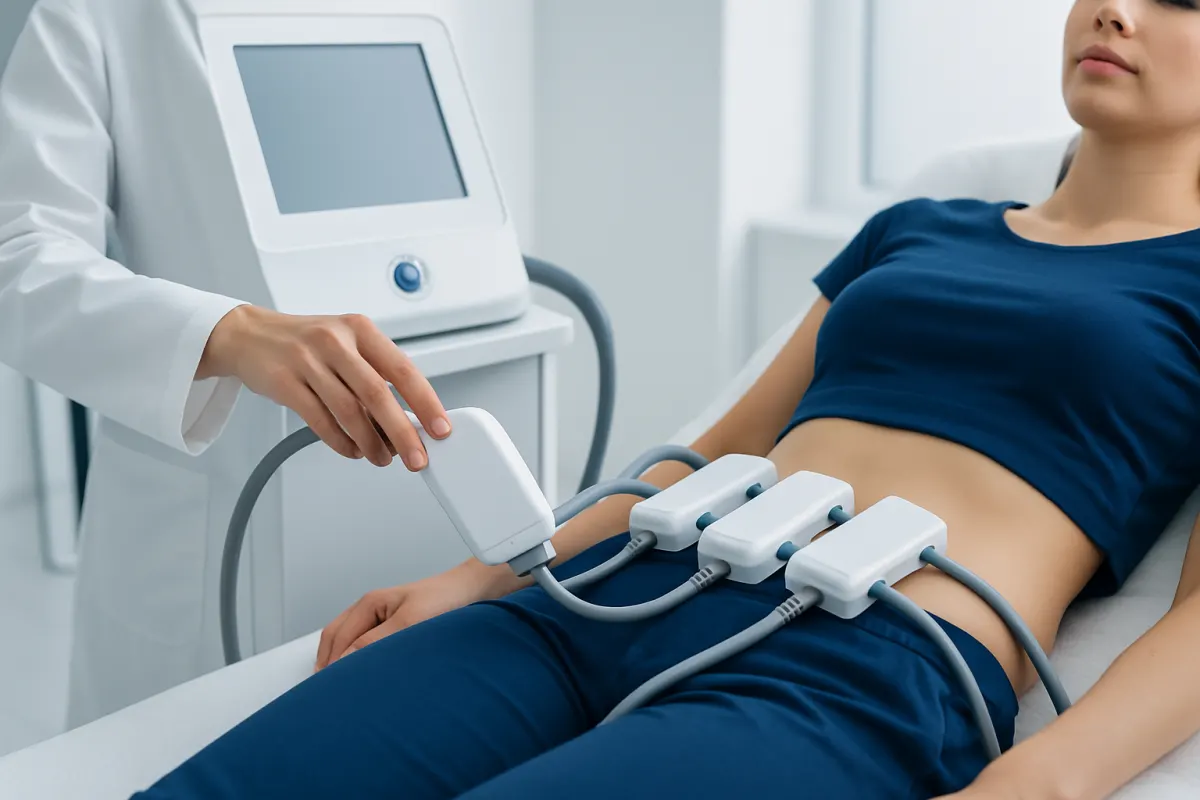
At home laser lipo usually refers to consumer light- or heat-based body-contouring devices, not surgical laser liposuction. These products may offer modest, temporary changes for some people, while clinically meaningful fat reduction generally requires an assessment and treatment by a qualified medical professional.
At Home Laser Lipo: What It Means
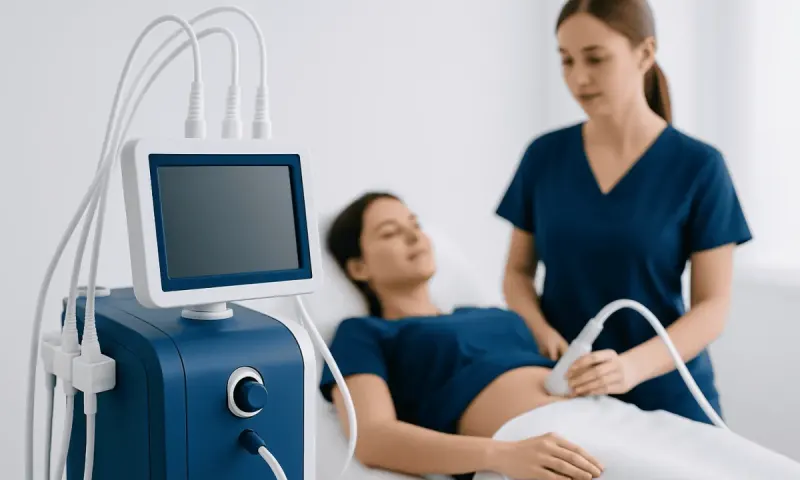
At home laser lipo is a broad term used for handheld, belt-style or pad-based devices marketed for body contouring. Depending on the device, these products may use low-level light, radiofrequency energy, heat, massage or suction. They are often promoted for areas such as the abdomen, thighs, hips or upper arms.
These devices should not be confused with laser-assisted liposuction, a medical procedure performed by a trained clinician. During professional laser liposuction, a laser fiber is placed beneath the skin through very small incisions. The energy helps disrupt fat and may support skin tightening in selected patients, while a cannula is used to remove fat cells.
Neither home devices nor professional laser liposuction are treatments for obesity, and neither replaces healthy eating, regular movement or medical weight-management care when needed. The most suitable option depends on a person’s goals, body area, health history and the amount and type of tissue involved.
How Laser Lipo Works
Professional laser-assisted liposuction is designed to contour localized fat deposits that have not responded as expected to lifestyle measures. After anesthesia is given, the clinician makes small entry points in the skin and inserts a thin laser fiber into the fatty layer. Laser energy heats and disrupts fat cells and can coagulate small blood vessels, after which liquefied fat is commonly removed with gentle suction.
The procedure is not intended to produce major weight loss. Instead, it can improve the shape and proportion of a defined area, such as the abdomen, flanks, thighs, upper arms, chin or back. Skin elasticity is important because the skin must adapt to the new contour after fat is removed.
At-home devices do not reach fat in the same controlled way as a medical laser fiber placed under the skin. Their effects, if present, are usually subtle and may relate to temporary changes in fluid, skin temperature or surface appearance rather than permanent removal of a large amount of fat.
People considering a clinical procedure can discuss laser liposuction with a qualified plastic surgeon or dermatologist who offers body-contouring procedures. A consultation helps establish whether the treatment goal is realistic and whether another approach may be safer or more appropriate.
Who May Be a Candidate?

Good candidates for professionally performed laser liposuction are generally adults who are close to a stable, healthy weight and have localized areas of fat. They should have realistic expectations and understand that body contouring refines shape rather than treating overall weight gain. People with reasonably good skin elasticity often see the most predictable contour changes.
A clinician will review medical conditions, previous operations, allergies, medications, smoking or nicotine use, and any history of abnormal scarring or poor wound healing. Pregnancy, breastfeeding, active skin infection, uncontrolled medical conditions and certain bleeding risks can affect whether a procedure should be postponed or avoided.
At-home devices also require caution. A person should read the manufacturer’s instructions and avoid using a device on broken, irritated, numb or infected skin. Medical advice is particularly important for people who are pregnant, have implanted electronic devices, have reduced sensation, have a history of cancer treatment in the area, or have conditions affected by heat or light exposure.
- Persistent abdominal enlargement, pain or a new lump should be assessed rather than treated with a contouring device.
- A protruding abdomen may be related to factors other than subcutaneous fat, including abdominal muscle separation, hernia, bloating or internal medical conditions.
- People seeking substantial weight reduction may benefit from structured nutritional, activity and medical support instead of a cosmetic procedure alone.
What Happens During Professional Laser Lipo?
The process begins with a consultation and physical examination. The clinician discusses the desired treatment areas, photographs may be taken for medical planning, and the skin may be marked while the person is standing. Pre-procedure instructions can include avoiding nicotine and discussing medicines or supplements that may increase bleeding risk; any medication changes should only be made with the prescribing clinician’s guidance.
On the day of treatment, the area is cleaned and anesthesia is provided. This may be local anesthesia with sedation or general anesthesia, depending on the areas being treated, the volume of fat and the treatment plan. Small incisions are made in discreet locations, and a fluid solution may be introduced to help numb the area and reduce bleeding.
A thin laser fiber is passed through the fatty tissue in a controlled manner. Once the fat has been treated, it may be removed through a narrow suction tube. The entry points are then closed or dressed, and a compression garment is often applied to help limit swelling and support the new contour.
Procedure length varies considerably with the number and size of treatment areas, as well as the anesthesia used. A clinician can provide an individualized estimate during consultation, along with instructions for transport home and support during the first recovery period.
Recovery Timeline, Benefits and Risks
After clinical laser liposuction, swelling, bruising, tenderness, numbness and fluid drainage from small incision sites can occur. Many people can perform light daily activities within a few days, but the timing of work, driving, exercise and travel should follow the treating clinician’s specific advice. Compression garments are commonly worn for a defined period.
During the first few weeks, swelling can make the treatment area look uneven or fuller than expected. The contour typically becomes easier to assess over the following weeks and months as healing progresses. Maintaining a stable weight can help preserve the result because removed fat cells do not return, although remaining fat cells can enlarge with weight gain.
Potential benefits include a more defined contour in selected areas and, for some patients, a degree of skin tightening. Risks include bleeding, infection, burns, fluid accumulation, prolonged swelling or numbness, irregular contours, asymmetry, scarring, changes in skin pigmentation, anesthesia-related complications and the need for further treatment. Rarely, more serious complications can occur.
Choosing an appropriately trained clinician, sharing a complete medical history and carefully following aftercare guidance all help reduce avoidable risk. Acıbadem Health Point’s multidisciplinary specialists and JCI-accredited hospitals diagnose and treat patients seeking medically supervised body-contouring care, including international patients.
How Long Does Laser Lipo Take to Show Results?
After professional laser liposuction, an early shape change may be visible once initial swelling begins to improve, often over several weeks. However, final contour results commonly take a few months because the body needs time to resolve swelling and for the skin and soft tissue to settle.
The exact timeline varies according to the treatment area, the amount of fat removed, skin elasticity, individual healing and whether additional procedures were performed. Follow-up visits allow the clinician to check healing and discuss whether the progress is within the expected range.
Results from at-home devices, if noticeable, are usually less dramatic and may require repeated use according to the product instructions. Claims of rapid or permanent fat loss from a consumer device should be approached carefully, particularly when they are not supported by clear independent clinical evidence.
Does Laser Lipo at Home Work?
At-home laser lipo devices may produce modest cosmetic changes for some users, but they do not provide the same degree of fat removal or contouring as medical laser liposuction. The evidence and regulatory status differ between products, and a device cleared or marketed for one purpose should not be assumed to produce permanent fat loss.
Some devices may temporarily alter the appearance of the skin or circumference of an area, especially when used alongside a stable diet and regular physical activity. These changes can be difficult to separate from normal shifts in hydration, posture, lighting and body weight. They should not be considered a substitute for clinical care.
Safety also matters. Misuse can cause burns, irritation or discomfort, particularly if a device is used for too long, at excessive intensity or over vulnerable skin. A person should stop using the product if pain, blistering, marked redness, numbness or skin changes occur and seek medical advice when appropriate.
Can You Show Me Pictures of the Belly Area Before and After Laser Lipo?
Before-and-after images can help explain what abdominal contouring may achieve, but they cannot reliably predict an individual result. Images should be viewed critically: body position, lighting, camera angle, clothing, timing after treatment and weight changes can all make a difference in how the abdomen appears.
During a consultation, a qualified clinician may show appropriately consented clinical photographs of people with similar body characteristics and treatment goals. They can explain the recovery stage at which photographs were taken and identify factors that may affect the outcome, including loose skin, muscle separation, scars and the distribution of abdominal fat.
It is important to distinguish between subcutaneous fat, which lies beneath the skin and may respond to liposuction, and visceral fat, which lies deeper around internal organs. Liposuction does not remove visceral fat. A clinician can assess whether abdominal fullness is likely to be addressed by body contouring or whether another evaluation is needed.
How to Maximize Laser Lipo Results
The best way to support results after professionally performed laser liposuction is to follow the individualized aftercare plan. This may include wearing compression garments as directed, taking prescribed medicines correctly, attending follow-up appointments and gradually resuming activity only when cleared by the treating team.
Long-term contour maintenance is supported by stable weight habits: a balanced eating pattern, regular physical activity, adequate sleep and avoiding smoking or nicotine. Rapid weight fluctuations can alter the appearance of treated and untreated areas. Good hydration and gentle walking during recovery may be recommended, but the clinician should guide the timing and intensity of exercise.
For home devices, use only as directed and keep expectations modest. There is no safe shortcut that can replace an appropriate evaluation, consistent lifestyle habits or a properly performed procedure. People with concerns about loose skin, substantial fat distribution changes or weight management should discuss the available options with a healthcare professional.
When to Seek Medical Care
Urgent medical assessment is needed after a procedure for trouble breathing, chest pain, fainting, severe or increasing pain, rapidly expanding swelling, heavy bleeding, a high fever, or one-sided leg swelling. These symptoms are uncommon but require prompt evaluation. Patients should use the emergency contact information given by their treating team or seek emergency care when necessary.
A clinician should also be contacted for increasing redness, warmth, pus-like drainage, worsening skin discoloration, blisters, persistent fever, or an incision that appears to be opening. Concerns such as increasing asymmetry, a hard or painful area, or ongoing fluid leakage should be discussed at follow-up rather than managed independently.
Before pursuing any at-home body-contouring device, medical advice is advisable if there is unexplained abdominal swelling, a painful lump, skin disease, reduced sensation or a significant medical condition. A proper assessment protects health and helps ensure that the chosen approach matches the underlying concern.
Frequently asked questions
01Is at home laser lipo the same as laser liposuction?
No. At-home laser lipo generally refers to consumer body-contouring devices used on the skin surface. Laser-assisted liposuction is an invasive medical procedure in which a clinician uses a laser fiber beneath the skin and removes fat with suction.
02Does at home laser lipo cause weight loss?
At-home devices are not designed to produce meaningful weight loss and should not be used as a treatment for obesity. Any visible change may be subtle and temporary. Sustainable weight management usually requires dietary, activity and, when appropriate, medical support.
03How painful is professional laser liposuction?
Anesthesia is used during the procedure, so pain is managed at the time of treatment. During recovery, soreness, tenderness and bruising are common and are usually managed with the aftercare plan provided by the clinician. Severe or worsening pain should be reported promptly.
04Are laser lipo results permanent?
Fat cells removed through liposuction are permanently removed from the treated area. However, remaining fat cells can enlarge if a person gains weight, and untreated areas can also change over time. Stable weight habits help maintain the contour result.
05What areas can be treated with laser liposuction?
Common areas include the abdomen, flanks, thighs, upper arms, chin, back and certain areas around the knees. Suitability depends on the amount of localized fat, skin quality and overall health. A consultation is needed to decide which areas can be safely treated.
06Can home laser lipo devices burn the skin?
Yes, heat- or light-based devices can cause irritation or burns if used incorrectly or on unsuitable skin. Users should follow the product instructions exactly and stop use if they experience pain, blistering, marked redness or altered sensation. Medical advice should be sought for significant skin injury.
This article is for general information only and is not a substitute for professional medical advice. Please consult a qualified doctor about your individual situation.
Medical weight-loss options in Turkey — costs & eligibility
JCI-accredited · board-certified surgeons · reply within 24h
Add us as a Preferred Source to see more of our trusted health content across Google Search, AI Overviews and Discover.