Broken Ankle Recovery Time: What to Expect
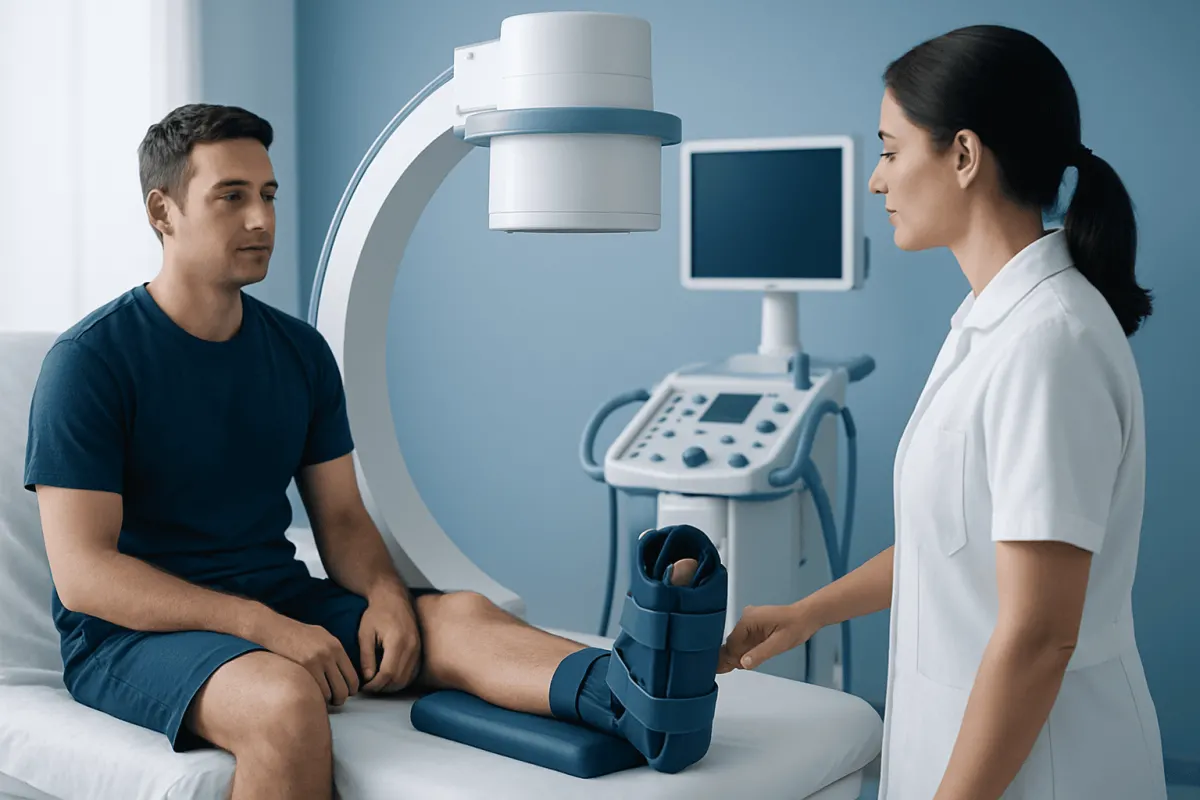
Broken ankle recovery time commonly involves about 6 to 12 weeks for the fracture to unite, although swelling, stiffness and reduced strength can continue for months. Recovery varies with the fracture pattern, whether surgery is needed, overall health and adherence to the care plan.
Overview: how long does a broken ankle take to recover?
Broken ankle recovery time is commonly 6 to 12 weeks for the bone to heal enough for progressively increasing activity. Many people need several additional months to regain full ankle movement, strength, balance and comfort during longer walks, work duties or sport. A simple, stable fracture may recover sooner than a displaced, multiple-bone or surgically treated fracture.
An ankle fracture means one or more of the bones forming the ankle joint have broken: the lower end of the tibia (shinbone), fibula (outer lower-leg bone), or both. The injury may be stable, meaning the joint remains well aligned, or unstable, meaning the bones or supporting ligaments allow the ankle joint to shift. Stable fractures may be managed with a boot or cast, while unstable fractures often need an operation to restore alignment.
Healing is not a race. The treating orthopaedic team uses symptoms, examination findings and repeat imaging to decide when it is safe to put weight through the foot, stop using a boot, return to driving, resume work or restart sport. Individual instructions should always take priority over a general timeline.
What determines broken ankle recovery time?
Recovery depends first on the fracture itself. Doctors consider which bone is affected, whether there is more than one fracture, how far fragments have moved, whether the joint surface is involved and whether the ligaments that hold the ankle stable are injured. Open fractures, in which bone communicates with a skin wound, and fractures associated with dislocation need urgent specialist care and often have a longer recovery.
Personal factors also matter. Smoking or nicotine use, poorly controlled diabetes, poor nutrition, reduced circulation, osteoporosis and certain medicines may interfere with bone healing or wound healing. Age alone does not determine recovery, but other health conditions and pre-injury fitness can influence rehabilitation needs.
It is important to follow restrictions carefully. Walking too early on an unstable fracture can move the bones out of position, while avoiding prescribed movement for too long can contribute to stiffness and weakness. A personalised plan helps balance protection with safe recovery of function.
- Stable, non-displaced fractures may be treated without surgery.
- Displaced or unstable fractures may require fixation to restore joint alignment.
- Swelling may last for months, especially later in the day, even when the bone is healing well.
Treatment approach: cast or boot versus surgery
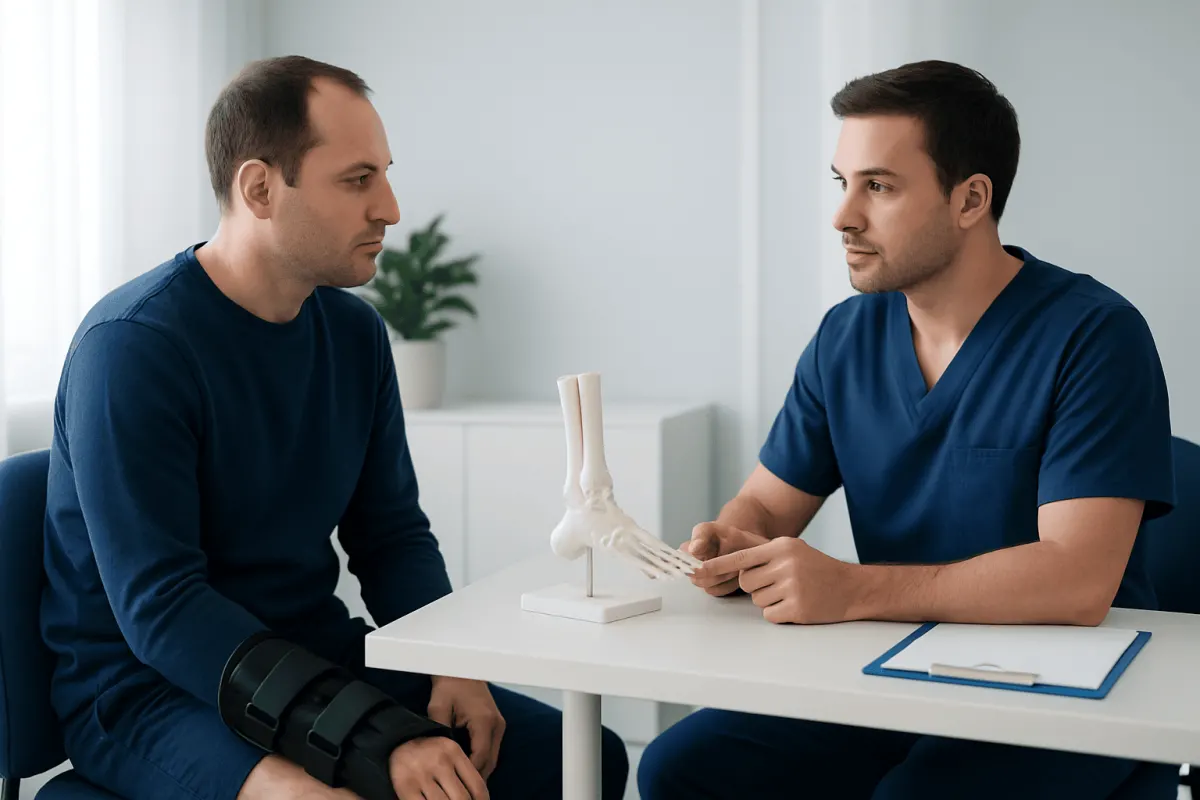
For a stable fracture, clinicians may use a splint initially while swelling settles, followed by a cast or removable walking boot. The device protects the ankle while the bone heals. Some fractures can tolerate early, protected weight-bearing; others require a period of no weight-bearing with crutches, a walker or another mobility aid. This decision should be made by the treating clinician, not based on pain alone.
Surgery is generally considered when the ankle joint is unstable, the bones are displaced, there is a fracture-dislocation, or alignment cannot be maintained in a cast. The aim is to put the joint surfaces back into the best possible position so they can heal and move normally. Orthopedic care includes assessment of fracture stability, imaging review and a rehabilitation plan suited to the injury and person.
During ankle fracture surgery, the patient receives anaesthesia and the surgeon makes carefully placed incisions near the fracture. Bone fragments are repositioned, then held with plates, screws, rods or other fixation devices where needed. X-ray imaging is commonly used during the operation to check alignment. The wounds are closed and the ankle is protected in a splint, cast or boot while early healing begins.
Surgery can improve alignment and stability, but it also has potential risks, including infection, bleeding, blood clots, nerve or blood-vessel injury, stiffness, persistent pain, delayed union, nonunion, prominent hardware and later post-traumatic arthritis. The care team discusses the expected benefits and individual risks before recommending an operation.
Broken ankle recovery timeline: week by week
Days 1 to 2 weeks: Pain, bruising and swelling are usually most noticeable early on. Elevating the foot, using prescribed or clinician-recommended pain relief, keeping the cast or splint dry and following weight-bearing instructions can support comfort and protection. Follow-up may include repeat X-rays after swelling changes. Toes should remain warm, normally coloured and movable unless the clinician advises otherwise.
Weeks 2 to 6: The fracture begins forming a healing bridge of new bone. Depending on stability and treatment, the person may remain non-weight-bearing or begin a carefully supervised progression. Stitches are often removed after surgery during this period, if appropriate. Gentle movement of the toes, knee and hip is usually encouraged, while ankle movement begins only when the clinician says it is safe.
Weeks 6 to 12: X-rays may show enough healing to allow more weight-bearing, transition from cast to boot, or weaning from the boot. Rehabilitation often becomes more active, with exercises for ankle range of motion, calf strength and balance. Limping, stiffness and swelling after activity remain common at this stage and do not necessarily mean the fracture has failed to heal.
Months 3 to 6 and beyond: Many people return to everyday walking, although endurance and confidence may still be limited. Higher-impact activity, uneven ground, physically demanding work and sports may require longer rehabilitation and clinician clearance. Some complex fractures continue improving for a year or more. Follow-up is important if pain, swelling or function stops improving.
Can you walk on a broken ankle after 3 weeks?
Some people can begin limited, protected walking after three weeks, but many cannot. Whether walking is safe depends on the exact fracture, its stability on imaging, whether surgery was performed, the type of immobilisation used and the orthopaedic surgeon’s instructions. Being able to tolerate pain does not confirm that the fracture can safely bear weight.
A stable fracture treated in a boot may sometimes have an earlier weight-bearing plan. In contrast, an unstable fracture or a fracture repaired with plates and screws may require a longer period of non-weight-bearing to protect the repair. The person should use crutches, a walker or other prescribed aid until the team confirms it is safe to progress.
Walking without clearance can cause pain, loss of alignment or delayed healing. If there is uncertainty about the plan, it is safer to contact the treating clinic than to test the ankle independently.
What are the signs that a broken ankle is healing?
Common signs of progress include gradually less pain at rest, reduced tenderness around the fracture, decreasing bruising, improved ability to move the toes and ankle when permitted, and better tolerance of the rehabilitation activities prescribed. Swelling generally improves slowly, but it can increase temporarily after standing or exercise for several months.
The most reliable confirmation comes from follow-up assessment. A clinician checks ankle alignment, circulation, skin and wound healing where relevant, as well as pain and function. X-rays show whether the fracture is maintaining its position and forming new bone. Symptoms alone cannot prove that the bone has fully united.
Recovery is rarely perfectly linear. A busier day can cause a short-lived increase in soreness or swelling. However, worsening pain, new deformity, increasing redness or drainage from a surgical wound, fever, numbness, or a sudden inability to bear the amount of weight previously tolerated should be assessed promptly.
What speeds up ankle fracture healing?
There is no safe shortcut that makes a fracture heal immediately. The most effective approach is to create the right conditions for normal healing: protect the ankle as instructed, attend follow-up visits, progress weight-bearing only when cleared and complete rehabilitation exercises as advised. Regular review allows the plan to be adjusted if healing is slower or faster than expected.
A balanced diet with sufficient protein, calcium and vitamin D supports general bone health. A clinician may assess dietary intake or recommend testing if there is concern about deficiency. Avoiding smoking, vaping nicotine and other nicotine products is especially important because nicotine can impair bone and wound healing. Limiting alcohol and managing long-term conditions such as diabetes can also support recovery.
Sleep, hydration and gradual activity within the care plan are useful foundations. People should avoid unproven supplements or devices marketed as rapid bone-healing solutions unless their clinician recommends them. Physical therapy is valuable not only for mobility but also for reducing the risk of persistent weakness, altered walking mechanics and repeat injury.
How long does ankle surgery with plates and screws take to heal?
After ankle surgery with plates and screws, bone healing commonly takes about 6 to 12 weeks, but return to full function often takes several months. The plates and screws hold the bone in the correct position while the body repairs the fracture; they do not make the bone instantly strong. The exact recovery plan differs according to fracture complexity, soft-tissue injury, surgical findings and follow-up X-rays.
Early recovery focuses on incision care, swelling control, pain management and protecting the repair. The surgeon will explain whether the person must avoid weight-bearing and for how long. Once healing is sufficiently advanced, rehabilitation usually progresses from restoring movement to rebuilding strength, balance, gait and activity tolerance.
Most implants remain in place unless they cause symptoms or there is another clinical reason to remove them. A small number of people notice irritation from hardware, particularly around the outer ankle where tissue coverage is thin. Any ongoing pain should be discussed with an orthopaedic specialist rather than assumed to be caused by the metalwork.
Acıbadem Health Point’s multidisciplinary specialists and JCI-accredited hospitals provide diagnosis, surgical treatment and rehabilitation planning for international patients with ankle fractures.
When to seek medical care
A suspected broken ankle should be assessed urgently, especially after a significant twist, fall, direct impact or sports injury. Medical assessment is important when there is severe pain, inability to take steps, marked swelling, deformity, tenderness directly over the ankle bones, or a sound or sensation of cracking at the time of injury. X-rays are often used to distinguish a fracture from a sprain and to assess alignment.
Emergency care is needed if the ankle looks deformed, bone is visible, there is uncontrolled bleeding, the foot is cold, pale or blue, or there is numbness or loss of movement in the toes. These signs can indicate a serious injury affecting circulation, nerves or the skin.
During recovery, contact the care team promptly for increasing pain despite treatment, a tight cast with numbness or colour change in the toes, fever, spreading redness, wound drainage, calf pain or swelling, chest pain or shortness of breath. These symptoms require timely assessment and should not be managed by changing the treatment plan at home.
Frequently asked questions
01How long before a broken ankle stops hurting?
Pain is usually most intense in the first days after injury and then gradually improves over several weeks. Mild aching, stiffness or swelling after activity can continue for months, particularly after a more severe fracture or surgery. Increasing pain rather than gradual improvement should be discussed with a clinician.
02When can someone return to work after a broken ankle?
Return to work depends on the job, the injured side, treatment and mobility restrictions. Desk-based work may be possible earlier with suitable arrangements, while jobs requiring standing, lifting, climbing, driving or walking on uneven surfaces may require a longer absence. A treating clinician can provide advice based on functional recovery and safety requirements.
03When can someone drive after an ankle fracture?
Driving should wait until the person is no longer in a cast or boot that impairs control, is not taking sedating pain medicine, and can safely perform an emergency stop. For a right ankle injury, this commonly takes longer because that foot operates the pedals. Insurance and local legal requirements should also be checked.
04Is swelling normal months after an ankle fracture?
Yes, mild swelling can remain for several months, particularly after standing, walking or warm weather. Elevation, gradual activity progression and any compression recommended by the clinician may help. New, rapidly worsening or one-sided calf swelling should be assessed promptly.
05Do plates and screws need to be removed after ankle surgery?
In many cases, plates and screws are left in place permanently after the fracture heals. Removal may be considered if hardware causes persistent irritation, pain or other complications, but it is not routine for everyone. The decision is made with the orthopaedic surgeon after reviewing symptoms, healing and imaging.
06Can an ankle fracture lead to arthritis later?
An ankle fracture that involves the joint surface or causes significant cartilage damage can increase the chance of post-traumatic arthritis in the future. Restoring and maintaining good joint alignment, along with rehabilitation, may help reduce this risk. Persistent pain, stiffness or swelling after recovery should be reviewed by an orthopaedic clinician.
This article is for general information only and is not a substitute for professional medical advice. Please consult a qualified doctor about your individual situation.
Joint and spine care in Turkey — expert assessment & treatment
JCI-accredited · board-certified surgeons · reply within 24h
Add us as a Preferred Source to see more of our trusted health content across Google Search, AI Overviews and Discover.