Top-Rated Breast Lift Surgeons: Choosing Safely

Choosing among top rated breast lift surgeons involves more than online reviews. A safe choice is a qualified plastic surgeon who can explain realistic options, assess individual health needs and perform surgery in an appropriately accredited facility.
Overview: choosing a breast lift surgeon safely
People searching for top rated breast lift surgeons should focus first on verified qualifications, breast surgery experience, clear communication and safe surgical settings rather than ratings alone. A good surgeon listens carefully, explains what a breast lift can and cannot achieve, discusses risks openly and develops an individualized plan.
A breast lift, medically called mastopexy, is a surgical procedure that raises and reshapes breasts affected by drooping, changes after pregnancy or breastfeeding, weight changes, aging, or natural differences in breast shape. The procedure removes excess skin and reshapes breast tissue; it may also reposition the nipple and areola.
Online searches for a top rated breast lift surgeon or the top breast lift surgeons in US can be a starting point, but they do not replace a clinical consultation. Surgical suitability depends on breast anatomy, skin quality, general health, future pregnancy plans, smoking status and the person’s own aesthetic priorities.
How to find a good breast lift surgeon?
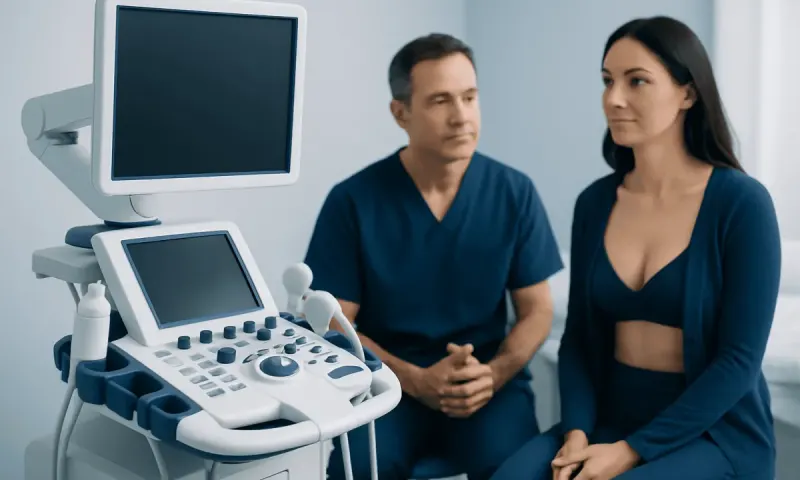
A practical first step is to verify that the surgeon is trained and certified in plastic surgery by the relevant national board or professional authority in the country where surgery will take place. Patients should also confirm that the procedure will be performed in an accredited hospital or surgical facility with appropriate anesthesia and emergency support.
Experience matters, but it should be specific. During a consultation, a person can ask how often the surgeon performs breast lifts, which techniques they commonly use, and whether they have experience with similar concerns, such as substantial skin laxity, breast asymmetry, previous breast surgery or breast changes after weight loss.
Before-and-after photographs may help show the surgeon’s approach. Images should include patients with broadly similar breast shape and skin characteristics, show consistent views and lighting, and demonstrate healed results rather than only immediate postoperative changes. No photograph can predict an individual outcome, but it can support an informed discussion.
- Verify qualifications, professional registration and facility accreditation.
- Ask about the surgeon’s experience with mastopexy and revision procedures.
- Discuss scars, expected breast shape, nipple position and likely limitations.
- Make sure the surgeon provides clear information about aftercare and follow-up.
- Consider a second consultation if there is uncertainty or pressure to decide quickly.
How a breast lift works and who may be a candidate
Breast lift surgery reshapes the breast by removing excess skin, lifting breast tissue and repositioning the nipple-areola complex when needed. Depending on the degree of drooping and the desired change, the incision may be around the areola, around the areola with a vertical incision down the lower breast, or include an incision in the breast crease. The surgeon recommends an approach based on anatomy and goals.
People may consider a breast lift when breasts sit lower on the chest, nipples point downward, the areolae have stretched, or the breast shape has changed after pregnancy, breastfeeding, weight change or aging. Breasts may be lifted without changing their size, although some people choose to discuss an implant or fat transfer if they also wish to restore volume. Others may benefit from a breast reduction when breast size contributes to discomfort.
Suitable candidates are generally in good overall health, have stable weight, understand that scars are permanent although they often fade over time, and have realistic expectations. Smoking and nicotine exposure can impair wound healing, so surgeons commonly ask patients to stop nicotine products well before and after surgery. A clinician should also review medications, supplements, prior operations, mammography history and any personal or family history of breast disease.
For a detailed discussion of surgical approaches and preparation, patients may explore breast lift surgery with a qualified plastic surgeon.
What is the 45-55 rule for breasts?
The “45-55 rule” is an informal aesthetic concept sometimes discussed in cosmetic surgery. It generally refers to the visual proportion of breast fullness above and below the nipple: about 45% above the nipple and 55% below it. It is not a medical rule, a measure of breast health or a standard that every breast should meet.
Natural breast shape varies widely according to genetics, age, body proportions, skin elasticity, breast tissue and prior pregnancy or weight change. Some people prefer more upper-pole fullness, while others prefer a softer, more natural slope. A breast lift can improve nipple position and contour, but it may not create substantial upper-breast fullness without an additional volume procedure.
Rather than using a fixed ratio, a responsible surgeon assesses proportions in the context of the individual’s chest width, breast volume, symmetry, tissue quality and goals. The safest plan is one that prioritizes healthy tissue handling, realistic expectations and a proportionate result rather than a trend or formula.
Step-by-step: what happens during breast lift surgery
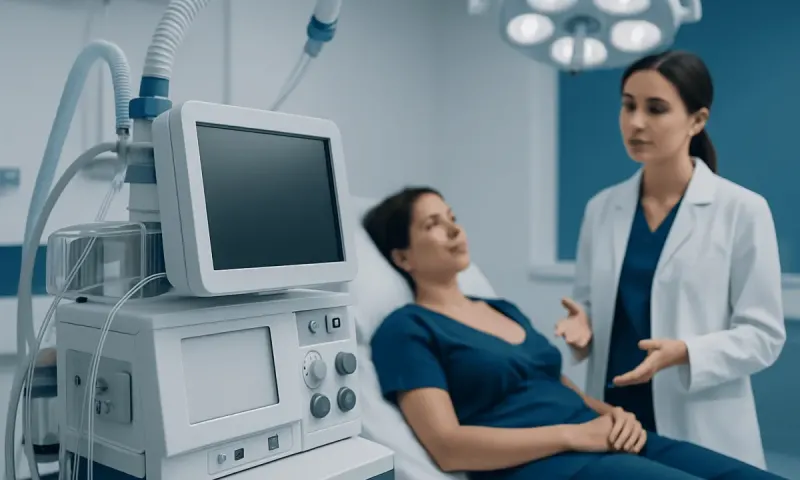
The process begins with a consultation and examination. The surgeon reviews health history, discusses goals, examines breast position and skin quality, and may take measurements and clinical photographs for planning. They explain incision options, expected scars, whether an implant or reduction may be considered, and what results are realistic for the individual.
On the day of surgery, the surgical team confirms the treatment plan and marks the skin while the patient is standing. Breast lift surgery is usually performed under general anesthesia. The surgeon makes the planned incisions, removes excess skin, reshapes breast tissue and moves the nipple-areola complex to a higher position while keeping it connected to its blood supply when possible.
The incisions are then closed with sutures, and dressings or a supportive surgical bra are applied. Some patients return home the same day, while others may need observation depending on the procedure and individual health considerations. The care team provides instructions for pain management, wound care, bathing, activity restrictions and follow-up visits.
Patients should understand that a breast lift does not stop future aging, gravity, pregnancy or weight fluctuations from changing breast shape. Maintaining a stable weight and wearing supportive bras when appropriate may help preserve comfort and contour over time.
Recovery, benefits and possible risks
Recovery after a breast lift happens in stages. Swelling, bruising, tightness and discomfort are common in the early days and usually improve gradually. Most people need to limit lifting, strenuous exercise and activities that place pressure on the chest for the period advised by their surgeon. Follow-up appointments allow the surgical team to monitor wound healing and answer questions.
Many patients can return to light daily activities within about one to two weeks, but the timing varies. Exercise and heavy lifting often require a longer pause. Breast shape continues to settle as swelling resolves, and incision scars can take many months to mature. The surgeon will provide individualized advice because recovery differs with the technique used, overall health and whether other procedures are performed at the same time.
Potential benefits include a higher breast position, improved contour, better nipple orientation and easier clothing fit. Some people also report greater comfort and confidence in their body image. However, results should be viewed as improvement rather than perfection, since some degree of asymmetry is normal and can remain after surgery.
Possible risks include bleeding, infection, delayed wound healing, noticeable scars, changes in nipple or breast sensation, asymmetry, fluid collection, anesthesia-related complications and the need for revision surgery. Breastfeeding may still be possible after a lift, but it cannot be guaranteed. These points should be discussed carefully before consenting to surgery.
How to tell if a plastic surgeon is good?
A good plastic surgeon combines appropriate credentials with careful clinical judgment. They conduct a thorough assessment, ask about medical history and goals, explain options in understandable language, and make clear that surgery may not be suitable for everyone. They should welcome questions rather than rush the consultation.
Strong communication includes discussing both benefits and limitations. The surgeon should explain where scars may be located, whether the desired breast shape is achievable, how future pregnancy or weight changes may affect the result, and what recovery requires. They should also describe possible complications and how the team manages concerns after surgery.
Warning signs include guaranteed results, pressure to book quickly, reluctance to discuss risks, vague answers about qualifications, or surgery proposed without a proper examination and health review. A reliable clinician will also be comfortable if a patient chooses to seek a second opinion.
For international patients, Acıbadem Health Point’s multidisciplinary specialists and JCI-accredited hospitals can assess and treat people considering breast lift surgery, with care plans shaped around individual health needs and follow-up arrangements.
What not to say to a plastic surgeon?
There is no need for a patient to find perfect words during a consultation. Honest communication is the most helpful approach. It is important not to hide smoking or nicotine use, medications, supplements, allergies, previous operations, medical conditions, pregnancy plans or concerns about recovery, because this information can affect surgical safety and planning.
It is also helpful to avoid presenting edited images or a celebrity’s appearance as an exact result to copy. Reference photographs can communicate preferences, but every person has different anatomy, skin quality and healing patterns. A surgeon can explain which aspects of a reference image may or may not be realistic.
Patients should feel able to say that they are nervous, uncertain or not ready to decide. Asking direct questions about complications, scars, revision policies, time away from work and activity restrictions supports informed consent. A trustworthy surgeon will make space for these conversations without judgment.
When to seek medical care
Anyone considering a breast lift should arrange a consultation with a qualified plastic surgeon before making decisions. A prompt medical assessment is especially important for a new breast lump, persistent focal breast pain, nipple discharge, skin dimpling, nipple inversion that is new, redness that does not settle, or other unexpected breast changes. Cosmetic surgery should not delay evaluation of possible breast health concerns.
After surgery, patients should contact their surgical team promptly if they develop worsening pain, increasing swelling on one side, heavy bleeding, fever, spreading redness, drainage with an unpleasant odor, shortness of breath, chest pain or any symptom that feels concerning. Urgent symptoms should be assessed through local emergency services.
Routine breast health screening should continue according to age, personal risk and local recommendations. A breast lift does not remove the need for breast awareness, regular clinical care or appropriate imaging when advised by a doctor.
Frequently asked questions
01How long do breast lift results last?
Breast lift results can be long-lasting, but breasts continue to change with aging, gravity, pregnancy and weight fluctuations. Stable weight, avoiding smoking and following the surgeon’s postoperative guidance may help maintain the result. A surgeon can explain what is realistic based on skin quality and breast tissue.
02Does a breast lift make breasts larger?
A breast lift raises and reshapes existing breast tissue but does not substantially increase breast volume. Some people choose an implant or fat transfer when they also want more fullness, particularly in the upper breast. These options have different benefits and risks and should be discussed individually.
03Will there be scars after a breast lift?
Yes. A breast lift requires incisions, so scars are expected. Their location and length depend on the technique needed to correct the degree of skin laxity and drooping. Scars usually fade over time but do not disappear completely.
04Can a person breastfeed after a breast lift?
Some people can breastfeed after a breast lift, but the ability to do so cannot be guaranteed. It may depend on the surgical technique, how much tissue is moved and individual healing. Anyone planning future pregnancy or breastfeeding should discuss this before surgery.
05How should patients evaluate online reviews for breast lift surgeons?
Reviews may offer insight into communication, organization and patient experience, but they cannot confirm surgical skill or safety by themselves. Patients should verify qualifications, ask about relevant experience and ensure that surgery is performed in an accredited setting. A thorough consultation is more informative than a star rating alone.
06Is a breast lift painful?
Discomfort, pressure and tightness are common after surgery, especially in the first days. The surgical team provides a plan for pain relief and activity restrictions to support recovery. Severe or worsening pain should be reported promptly because it may need assessment.
This article is for general information only and is not a substitute for professional medical advice. Please consult a qualified doctor about your individual situation.
Medical weight-loss options in Turkey — costs & eligibility
JCI-accredited · board-certified surgeons · reply within 24h
Add us as a Preferred Source to see more of our trusted health content across Google Search, AI Overviews and Discover.