Recovery Time for Breast Implants: Week by Week
Recovery time for breast implants varies by implant placement, surgical technique, individual healing, and whether a lift or replacement is performed. Most people are mobile on the day of surgery, return to light routines within 1–2 weeks, and need several months for swelling to settle and the breasts to take on a more natural position.
Overview: How Long Is Recovery Time for Breast Implants?
The recovery time for breast implants is usually measured in stages rather than a single endpoint. Most patients are able to walk carefully on the day of surgery and resume desk-based or light daily activities after about 1–2 weeks. However, swelling, tightness, altered sensation, and the gradual settling of the implants can continue for several months.
The recovery timeline for breast augmentation depends on whether implants are placed above or below the chest muscle, the incision location, implant size, the person’s general health, and whether another procedure is done at the same time. A surgeon provides individualized guidance because safe activity limits and healing expectations differ from person to person.
Breast augmentation is an elective surgical procedure that uses silicone gel or saline implants to change breast volume, shape, or symmetry. It may be chosen for cosmetic reasons or as part of reconstruction after breast surgery. A detailed consultation helps a patient understand benefits, limitations, expected scars, future monitoring, and recovery needs.
How Breast Implant Surgery Works and Who May Be a Candidate
During breast implant surgery, the surgeon makes an incision, creates a pocket for the implant, positions the implant either under the breast tissue or partly/fully under the chest muscle, and closes the incision. The procedure is commonly performed under general anesthesia. The choice of implant and placement is based on body proportions, skin and tissue characteristics, desired outcome, health history, and the surgeon’s assessment.
Suitable candidates are generally adults in good overall health who have realistic expectations and are able to follow postoperative instructions. A consultation should include discussion of medical conditions, medications and supplements, smoking or nicotine use, prior breast surgery, family history of breast cancer, and plans for pregnancy or weight change. Nicotine can impair wound healing, so surgeons commonly advise stopping it well before and after surgery.
Breast implants are not lifetime devices. Some people later choose or need further surgery because of complications, changes in body shape, implant rupture, capsular contracture, or a wish to change implant size. Patients should discuss long-term surveillance and the possibility of future procedures before deciding on surgery.
Step-by-Step: What Happens on Surgery Day
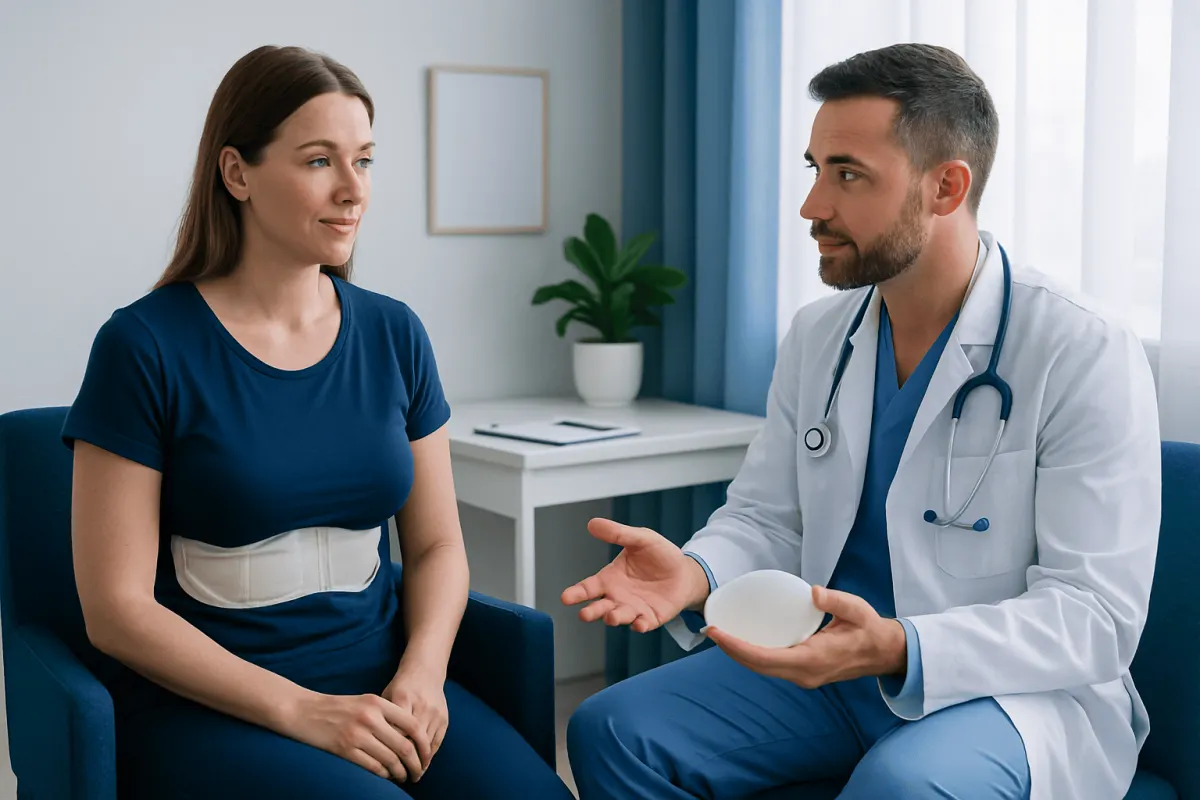
Before surgery, the clinical team reviews the operative plan, consent, anesthesia, and recovery arrangements. Patients are usually asked to arrange an adult to take them home and stay with them initially, as anesthesia and pain medicines can affect alertness and coordination. The surgeon marks the skin while the patient is standing to guide incision placement and implant positioning.
In the operating room, anesthesia is administered and the chest is prepared in a sterile manner. The surgeon places the implants through the agreed incision, checks breast shape and symmetry, and closes the incisions. A supportive surgical bra or dressing may be applied. The duration of surgery varies according to the planned technique and whether additional procedures are performed.
After monitoring in a recovery area, most patients go home the same day unless their care team recommends observation. Early instructions commonly cover wound care, prescribed medicines, sleeping position, gentle walking, showering, support garments, driving, and follow-up appointments. Written instructions should be followed even if advice from friends or online sources differs.
Recovery Timeline for Breast Implants
First 24–72 hours: The breasts often feel sore, high, tight, and swollen. Fatigue, temporary nausea from anesthesia, and limited arm movement can occur. Short, frequent walks around the home support circulation, but patients should avoid lifting, pushing, pulling, or reaching overhead unless their surgeon has said it is safe.
Days 4–14: Discomfort generally improves, although swelling and bruising may still be present. Many people return to sedentary work or light routines during this period, depending on how they feel and the demands of their job. Driving should wait until the patient is no longer taking sedating pain medicine and can safely perform an emergency stop without pain or restriction.
Weeks 3–6: The breasts may begin to soften and settle, but they can still sit higher than their eventual position. Surgeons often allow a gradual return to low-impact exercise, while heavy lifting, running, swimming, and upper-body strength training may remain restricted. Incisions continue to heal and should be protected from sun exposure.
Months 2–6 and beyond: Residual swelling usually continues to resolve, scars mature, and sensation may gradually return or change. Final shape is not immediate, especially when implants are under the muscle. Follow-up visits help the surgeon assess healing and answer questions about bra use, exercise, scar care, and breast imaging.
What Are the Worst Days After Breast Implants?
For many patients, the first 2–3 days are the most uncomfortable days after breast implants. The chest may feel pressured or unusually tight, particularly when implants are placed beneath the chest muscle. Swelling, difficulty finding a comfortable sleeping position, and needing help with routine tasks can also make this period challenging.
Discomfort should gradually improve rather than intensify. Taking prescribed or recommended pain relief as directed, resting, drinking fluids, eating light nourishing meals, wearing the recommended support garment, and taking gentle walks can support comfort and recovery. Ice or heat should only be used if the surgeon specifically approves it, because practices vary.
One breast may appear more swollen than the other during early healing, but a sudden change in size, significant one-sided swelling, severe pain, or increasing redness should be reported promptly. Patients should not compare their recovery too closely with another person’s, as recovery experiences can differ substantially.
How Long Are You in Bed After Breast Implants?
Patients are not usually advised to stay in bed for long after breast implant surgery. They typically rest for much of the first day or two, but are encouraged to get up for brief, gentle walks as soon as they are steady and their care team says it is safe. Movement helps reduce stiffness and supports normal circulation.
For the first several days, practical support is often helpful for meals, household tasks, childcare, and getting in and out of bed. Sleeping on the back with the upper body slightly elevated is commonly recommended early on, although the preferred position and duration should be confirmed with the operating surgeon. Sleeping on the stomach is generally avoided until healing is further advanced.
Bed rest does not speed healing and may make a person feel more stiff or uncomfortable. The goal is a balance of rest and safe light activity. A patient should avoid strenuous chores, carrying heavy bags, lifting children, or exercise until cleared by the surgeon.
Recovery After Implant Replacement or Breast Implants With a Lift
The recovery time for breast implant replacement surgery can be similar to, shorter than, or longer than the first augmentation, depending on the reason for surgery and the work required. Replacement may involve removing scar tissue, changing the implant pocket, correcting asymmetry, or treating complications. These factors can affect discomfort, restrictions, and the time needed for the breasts to settle.
Recovery time for breast implants and lift is often longer than for implants alone because a breast lift reshapes and removes excess skin in addition to placing or changing implants. There may be more incision lines, wound-care needs, and restrictions while the skin and breast tissues heal. Scars can take many months to mature, and final breast position may take time to develop.
Patients considering revision surgery should have a clear discussion about the surgical plan, expected scars, likely recovery, and whether staged procedures are appropriate. Breast augmentation surgery should always be planned with a qualified plastic surgeon who can tailor the approach to the patient’s anatomy and goals.
What I Wish I Knew Before Breast Implants?
Many patients later say they wished they had understood that recovery is a process, not a quick return to normal. The breasts may initially look high, firm, or uneven, and it can take months for swelling to settle and tissues to adapt. Early appearance is not the final result.
It is also important to know that implants require lifelong awareness rather than being a one-time decision. Patients should attend recommended follow-up visits, tell breast-imaging professionals about their implants, and seek assessment for persistent changes such as pain, hardening, swelling, a new lump, or a change in breast shape. The surgeon can explain the appropriate monitoring approach for the implant type used.
Thoughtful preparation can make recovery easier. This may include arranging time away from physically demanding work, preparing meals, setting up a comfortable sleeping area, organizing assistance at home, and reviewing all medicines and supplements with the surgical team. Patients should feel comfortable asking questions about risks, revision surgery, breastfeeding considerations, and the limits of what surgery can achieve.
What Does the 45-55 Rule Mean for Breast Augmentation?
The “45-55 rule” is not a recognized medical guideline or a standardized rule used in breast augmentation. Online sources may use the phrase to describe personal preferences about breast proportions, implant size, or recovery expectations, but it does not replace an individualized surgical assessment.
Breast implant planning should not be based on a simple formula. A qualified surgeon considers chest width, breast base dimensions, skin quality, existing breast tissue, body proportions, desired fullness, and the risks of using an implant that is too large for the tissues. These factors are more clinically meaningful than an informal numerical rule.
Patients should ask their surgeon to explain how implant dimensions, projection, placement, and incision choices may affect the result and recovery. Trying implant sizers or using imaging tools may be helpful in some consultations, but they provide an estimate rather than a guarantee of a particular outcome.
Benefits, Risks, and When to Seek Medical Care
Potential benefits of breast implants include increased breast volume, improved symmetry, restoration of volume after pregnancy or weight change, and a breast shape that better matches a patient’s preferences. Satisfaction depends on realistic expectations, careful surgical planning, and understanding that natural aging and weight changes can still affect the breasts over time.
Possible risks include bleeding, infection, changes in nipple or breast sensation, scarring, asymmetry, implant malposition, rupture or deflation, rippling, fluid collection, and capsular contracture, in which scar tissue around an implant becomes firm or tight. Rare implant-associated conditions have also been reported; the surgeon should explain relevant implant safety information and symptoms to monitor.
When to seek medical care: Patients should contact their surgical team urgently for fever, worsening redness or warmth, pus-like drainage, rapidly increasing swelling, severe or escalating pain, a wound that opens, or a sudden breast-shape change. Emergency care is needed for chest pain, trouble breathing, fainting, or symptoms of a severe allergic reaction. Acıbadem Health Point’s multidisciplinary specialists and JCI-accredited hospitals can assess and treat breast implant concerns for international patients.
Frequently asked questions
01When can someone return to work after breast implants?
Many people return to desk-based work in about 1–2 weeks, but recovery varies. Jobs involving lifting, frequent arm movement, physical labor, or long shifts may require more time away. The operating surgeon should provide work-specific advice.
02When can exercise restart after breast implant surgery?
Gentle walking is commonly encouraged early in recovery, while strenuous exercise is usually delayed. The timing for running, swimming, yoga, lifting weights, and chest exercises depends on the procedure and healing progress. Patients should restart activity only according to their surgeon’s plan.
03How long does swelling last after breast implants?
Noticeable swelling is common during the first weeks and generally improves gradually. Smaller changes can continue for several months as the tissues relax and the implants settle. Persistent or worsening swelling, especially on one side, should be assessed by a clinician.
04Are breast implants painful after surgery?
Pain and tightness are expected after surgery, particularly during the first few days. The degree of discomfort varies by person and may be greater with implants placed under the chest muscle. Pain should improve over time; severe or worsening pain needs medical advice.
05Can a person sleep on their side after breast implant surgery?
Many surgeons recommend sleeping on the back at first, often with the upper body slightly elevated. The recommended duration varies based on implant placement and the individual procedure. Patients should ask their surgeon when side sleeping is appropriate for them.
06Is recovery longer for a breast lift with implants?
It can be. A lift adds skin reshaping and additional incisions, which may mean more wound care and a longer period before strenuous activity is safe. The surgeon can give a recovery plan based on the extent of the lift and implant procedure.
This article is for general information only and is not a substitute for professional medical advice. Please consult a qualified doctor about your individual situation.
Explore treatments in Turkey — costs, top hospitals & a free quote
JCI-accredited · board-certified surgeons · reply within 24h
Add us as a Preferred Source to see more of our trusted health content across Google Search, AI Overviews and Discover.