How Much Do Breast Implants Cost in 2025?

For people asking how much do breast implants cost 2025, there is no single reliable figure because the total depends on the country or region, surgeon, implant choice, operating facility, anesthesia, required tests and aftercare. A written, itemized consultation estimate is the safest way to understand the expected cost and any potential future expenses.
Breast Implant Costs in 2025: What the Total Usually Includes
When researching how much do breast implants cost 2025, it is important to compare complete treatment estimates rather than a single advertised price. Breast augmentation is a surgical procedure, and the total can include the surgeon’s professional fee, implants, anesthesia, operating-room or hospital charges, preoperative assessment, laboratory testing, medications, surgical garments and follow-up appointments. Some estimates may also include routine aftercare, while others list it separately.
Costs may differ substantially between countries, cities and individual facilities. They can also change with currency exchange rates, local regulations, hospital standards and the experience of the surgical team. Searches for how much do breast implants cost in 2024, how much do breast implants cost 2023, how much do breast implants cost 2022, or how much do breast implants cost 2023 California may show historical or location-specific figures, but these should not be assumed to represent current, all-inclusive costs.
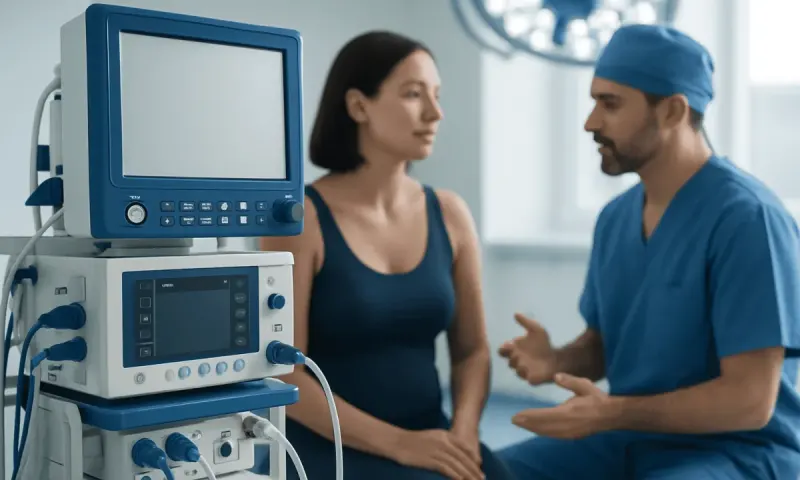
A consultation with a board-qualified plastic surgeon allows the person to receive an individualized plan. The estimate should clearly state what is included, what may create an additional charge, whether revision care is covered in any circumstance, and how follow-up will be arranged. For a fuller overview of the operation itself, patients can review breast augmentation treatment information.
How Breast Augmentation Works and Who May Be a Candidate
Breast augmentation is a procedure that changes breast size, shape or symmetry using implants, or in selected cases fat transfer. Implants have an outer silicone shell and may be filled with saline or silicone gel. They are available in different shapes, profiles and sizes. A surgeon helps the patient choose an option that suits their anatomy, skin and breast tissue, health status, lifestyle and aesthetic goals.
Suitable candidates are generally adults in good overall health who have realistic expectations and can make an informed decision about the benefits, limits and long-term responsibilities of implants. People may seek augmentation after natural breast underdevelopment, pregnancy-related volume loss, weight change, breast asymmetry or reconstructive surgery. The procedure should not be rushed in response to external pressure or an unrealistic image of the expected result.
During assessment, the surgeon reviews medical history, medicines and supplements, smoking or nicotine use, prior breast procedures and family history of breast disease. A breast examination and, when appropriate, age- and risk-appropriate imaging may be recommended. Pregnancy, breastfeeding, uncontrolled chronic illness, active infection and certain concerns about wound healing may mean surgery should be delayed or require additional planning.
What Happens During Breast Implant Surgery
Breast implant surgery is usually performed under general anesthesia in an accredited surgical facility or hospital. Before the procedure, the surgeon marks the planned incision areas and confirms the agreed implant plan. Incisions may be placed in the breast crease, around the lower edge of the areola or in the armpit, depending on the anatomy, implant type and surgical approach.
The surgeon creates a pocket for each implant either beneath the breast tissue and above the chest muscle, or partly or fully beneath the chest muscle. The selected implant is inserted, positioned and assessed for symmetry before the incisions are closed. The approach is individualized; no implant type or placement is automatically best for every person.
Many patients return home on the day of surgery with a responsible adult, though the care setting depends on clinical circumstances. The surgical team provides instructions on pain control, dressing care, supportive garments, sleeping position, activity limits and follow-up. Patients should follow these instructions closely and avoid changing dressings or restarting medicines without medical advice.
Recovery, Expected Benefits and Possible Risks
Recovery varies, but swelling, tightness, bruising and discomfort are common in the first days after surgery. Desk-based activity may be possible after a period determined by the surgeon, while lifting, strenuous exercise and upper-body training usually need to wait until healing is sufficiently advanced. Breasts can initially appear higher or feel firm; the final shape settles gradually over the following weeks to months.
Potential benefits include increased breast volume, improved symmetry and better balance between breast size and body proportions. Some people also find that clothing fits differently after surgery. However, breast augmentation cannot guarantee a particular cup size, eliminate all asymmetry or prevent future changes caused by aging, pregnancy, weight change or skin elasticity.
Possible surgical risks include bleeding, infection, fluid collection, changes in nipple or breast sensation, visible scarring, wound-healing problems and anesthesia-related complications. Implant-specific concerns include capsular contracture, rupture or deflation, shifting, rippling, pain and the need for revision surgery. Rarely, implants have been associated with breast implant-associated anaplastic large cell lymphoma, a type of immune-system cancer that should be assessed promptly if late swelling, a lump or persistent pain develops around an implant.
Implants are not lifetime devices. Someone asking how much is it to get breast implants replaced or how much does it cost to change breast implants should plan for a new assessment rather than assume a routine replacement date. The cost of revision or removal depends on the reason for surgery, the condition of the implant and capsule, whether replacement is desired, and whether additional procedures such as a breast lift are needed.
What Is the Cheapest Type of Breast Implants?
Saline implants may sometimes have a lower device cost than silicone gel implants. They are filled with sterile saltwater after placement, whereas silicone implants are pre-filled with silicone gel. However, the implant’s price is only one part of the total surgical cost, so saline implants do not always make the overall procedure substantially less expensive.
The best implant should be selected based on safety, the patient’s anatomy and the desired appearance and feel—not price alone. Silicone gel implants may be preferred in some situations because of their feel or reduced visible rippling, while saline implants can have other practical advantages. A qualified plastic surgeon can explain the available approved options and their expected follow-up needs.
Choosing an unusually low-priced procedure can create avoidable risks if it means inadequate preoperative screening, poor-quality facilities, limited follow-up or unclear responsibility for complications. A transparent estimate and appropriate surgical standards are essential parts of safe decision-making.
What Is the Cheapest State to Get Breast Implants?
There is no single safest or most reliable answer to which state is the cheapest for breast implants. Prices can vary even within the same state because of surgeon expertise, facility accreditation, operating costs, anesthesia services, implant selection and what is included in the quote. A lower initial price may not include expenses such as laboratory tests, postoperative garments, medications, travel, accommodation or revision care.
When comparing locations, patients should prioritize qualified surgical care, recognized facility standards, clear communication and realistic access to follow-up. Traveling for surgery can be appropriate for some people, but it requires careful planning for preoperative assessment, recovery near the surgical center and medical care after returning home. Flying or long-distance travel too soon after an operation should be discussed with the surgeon.
International patients should request a written treatment plan before travel and ask who will provide urgent advice after discharge. Acıbadem Health Point’s multidisciplinary specialists and JCI-accredited hospitals assess and treat international patients who are considering breast augmentation and related breast procedures.
What's Cheaper, Breast Lift or Implants?
A breast lift and breast implants address different concerns, so they should not be viewed as interchangeable choices based only on cost. Breast implants primarily add volume, while a breast lift, also called mastopexy, reshapes and raises breast tissue and the nipple position when drooping is present. The appropriate procedure depends on the person’s breast shape, skin quality, amount of volume loss and goals.
In some cases, a lift alone may be suitable; in others, implants alone may be appropriate. When both sagging and significant volume loss are present, combining the procedures may offer a more balanced result, but it can involve a more complex operation and different cost considerations. A surgeon should explain whether one procedure, a combination, or a staged approach is clinically appropriate.
Comparisons should include the possible future need for implant monitoring, replacement or revision. Patients considering changes in breast shape after pregnancy, breastfeeding or substantial weight loss may also benefit from discussing the timing of surgery and whether their weight has stabilized.
Will Insurance Pay for Breast Implants and When to Seek Medical Care
Health insurance usually does not pay for cosmetic breast augmentation, because it is generally considered an elective procedure. However, insurance coverage may be available in certain reconstructive situations, such as breast reconstruction after mastectomy or treatment for breast cancer, congenital breast differences, or repair after trauma. Coverage rules differ by insurer, policy and country, so patients should obtain written confirmation before treatment.
People with implants should seek medical care promptly for sudden breast enlargement, increasing pain, redness, warmth, fever, drainage from an incision, a new lump, significant change in breast shape, or a suspected implant deflation or rupture. These symptoms do not always indicate a serious problem, but they need timely clinical assessment. Routine breast screening should continue according to national guidance and personal risk, with the imaging team informed about implants.
Anyone considering surgery should arrange a formal consultation rather than relying on online price comparisons. The clinician can discuss goals, alternatives, risks, recovery, future imaging and the likely full cost of care. They can also advise whether a breast lift, implant removal, replacement, or another approach may better match the individual’s needs.
Frequently asked questions
01How much do breast implant surgery cost?
The total cost of breast implant surgery varies widely and should include more than the implant itself. Key elements include the surgeon’s fee, anesthesia, facility charges, preoperative tests, medicines, garments and follow-up appointments. An itemized quote from the surgical team is the most useful way to compare options.
02How much do breast implants cost in 2025?
There is no single universal 2025 cost because prices differ by country, city, facility, implant type and the complexity of the operation. A lower advertised amount may exclude anesthesia, hospital charges or aftercare. Patients should ask for a written estimate that explains all included and possible additional costs.
03How much is it to get breast implants replaced?
Replacement costs depend on why the implants are being changed and whether there are concerns such as rupture, capsular contracture, implant movement or changes in breast tissue. The procedure may involve removal, replacement, capsule surgery, a breast lift or other corrective work. A surgeon needs to examine the patient before providing a meaningful estimate.
04Do breast implants need to be replaced every 10 years?
Breast implants do not have an automatic replacement deadline. They are not lifetime devices, but they are usually replaced or removed when there is a complication, a change in preference or a clinical reason to do so. Regular follow-up and appropriate imaging or assessment help identify concerns early.
05Will insurance pay for breast implants?
Insurance generally does not cover implants placed only for cosmetic breast augmentation. It may cover reconstruction in eligible medical circumstances, including some cases after mastectomy, trauma or congenital differences. Patients should confirm benefits, approvals, exclusions and out-of-pocket responsibilities directly with their insurer.
06Can breast implants affect mammograms?
Implants can make some breast tissue more difficult to view on a standard mammogram, but specialized imaging views can be used. Patients should tell the screening center that they have implants when booking and at the appointment. Breast screening recommendations should still be followed according to age and individual risk.
This article is for general information only and is not a substitute for professional medical advice. Please consult a qualified doctor about your individual situation.
Explore treatments in Turkey — costs, top hospitals & a free quote
JCI-accredited · board-certified surgeons · reply within 24h
Add us as a Preferred Source to see more of our trusted health content across Google Search, AI Overviews and Discover.