Breast Augmentation Surgeon: Choosing Your Specialist
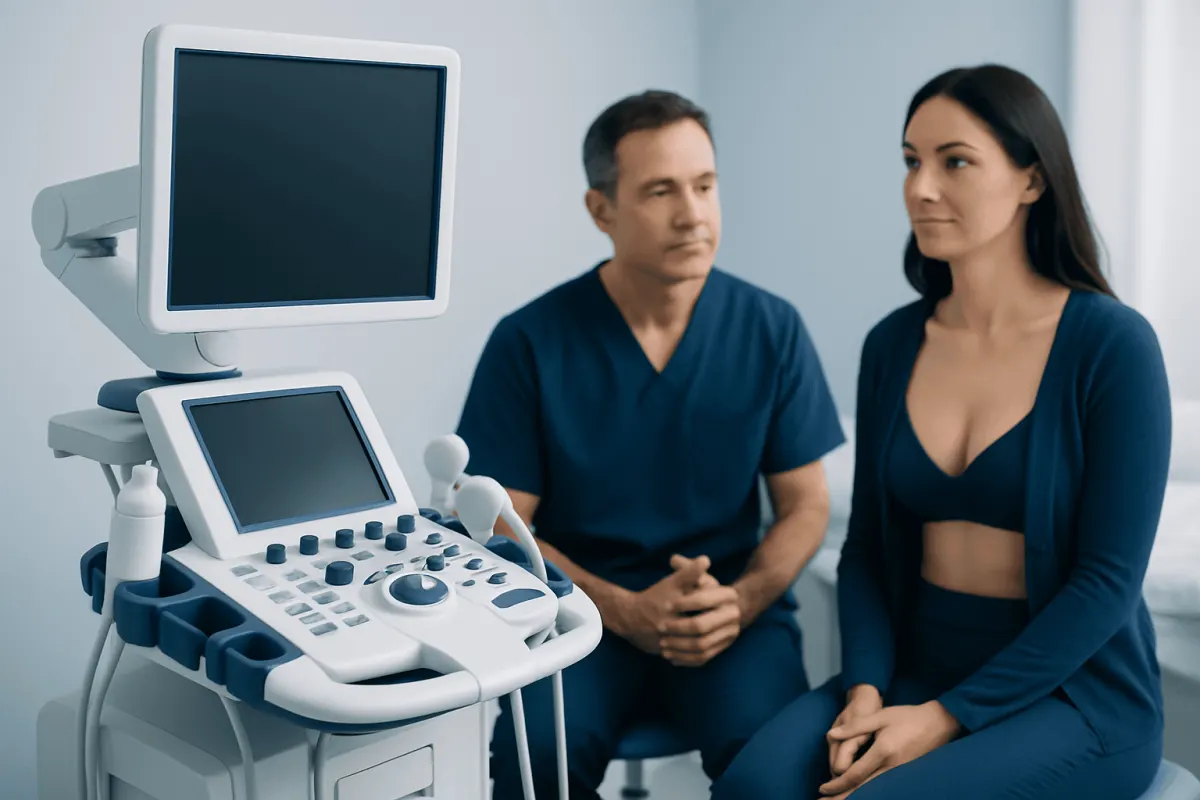
A breast augmentation surgeon is a board-qualified plastic surgeon who assesses a person’s goals, health and anatomy, then performs breast implant surgery using an individualized surgical plan. Recovery usually involves early activity restrictions, gradual return to normal routines and follow-up care while swelling settles and the breasts take their more natural position.
Overview: What Does a Breast Augmentation Surgeon Do?
A breast augmentation surgeon is a plastic surgeon who evaluates whether breast implant surgery is appropriate, explains the available options and performs the procedure. Breast augmentation can increase breast volume, restore fullness after pregnancy or weight changes, improve breast symmetry, or reconstruct breast contour in selected situations. The aim is not a single “ideal” result, but a result that is proportionate, medically suitable and aligned with the individual’s informed preferences.
The surgeon’s role extends beyond the operation itself. A thorough consultation includes medical history, breast examination, discussion of expectations, implant choices, possible scars, recovery requirements and longer-term follow-up. For an overview of surgical choices and planning, patients can explore breast augmentation treatment.
Breast augmentation does not treat breast disease or replace routine screening. It also cannot guarantee perfect symmetry, prevent normal breast changes with age or pregnancy, or ensure that further surgery will never be needed. Clear communication with the surgical team is essential for making a well-informed decision.
Candidacy and Planning With a Breast Augmentation Surgeon
People considering breast augmentation are usually healthiest when they are adults, are physically well enough for anesthesia and surgery, have stable weight, do not smoke or are able to stop as advised, and have realistic expectations. A consultation is also an opportunity to discuss emotional readiness and whether the decision is personal rather than driven by outside pressure.
The surgeon reviews previous operations, medicines, allergies, family history of breast cancer, pregnancy and breastfeeding plans, and conditions that may affect healing or bleeding. Depending on age, symptoms and personal risk, breast imaging may be recommended before surgery. Any new lump, nipple discharge, skin change or unexplained breast pain should be assessed before cosmetic surgery is planned.
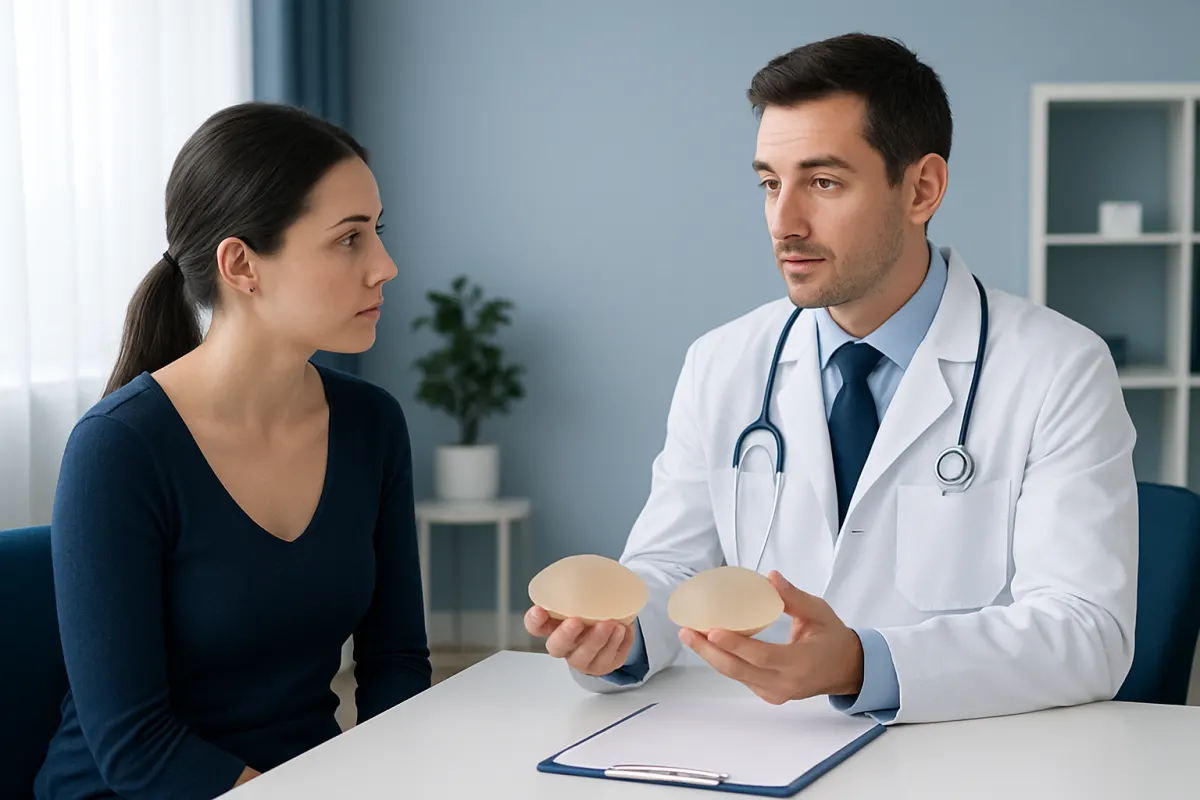
During planning, the surgeon may discuss saline or silicone gel implants, implant profile, texture where available, and placement above or below the chest muscle. Options have different advantages and limitations. Implant selection should be based on chest dimensions, tissue coverage, lifestyle, desired appearance and safety considerations rather than cup size alone.
- Incision sites: may include the breast crease, edge of the areola or underarm area, depending on the plan.
- Placement: implants may sit above the chest muscle or partly/fully beneath it.
- Combined procedures: a breast lift may be considered when significant drooping is present, as implants alone do not reliably correct it.
How Breast Augmentation Surgery Works: Step by Step
Breast augmentation is generally performed in an operating room under general anesthesia. Before surgery, the surgeon marks the planned incision and breast landmarks while the patient is standing. The procedure commonly takes a few hours, although timing varies with the surgical approach and whether another procedure, such as a lift, is being performed.
After anesthesia is given, the surgeon makes the agreed incision and creates a pocket for the implant. The pocket may be placed in front of or behind the pectoral muscle. The implant is inserted, its position and symmetry are checked, and the incision is closed. Dressings and a supportive surgical bra or garment may be applied; some patients may have temporary drains, although these are not needed in every case.
Patients are observed as they wake from anesthesia and are usually discharged the same day when it is clinically appropriate. They need a responsible adult to accompany them and remain available during the first night. The team provides individualized instructions about wound care, showering, pain relief, sleeping position, driving, work and follow-up appointments.
Patients should follow their surgeon’s instructions rather than comparing their recovery with someone else’s. Surgical techniques, implant position, overall health and the physical demands of daily life all influence the recovery experience.
Recovery Timeline and Early Self-Care
During the first several days, it is common to have soreness, chest tightness, swelling, bruising and fatigue. Discomfort is often more noticeable when implants are placed beneath the muscle because the muscle has been stretched. Prescribed or recommended pain medicines should be taken only as directed, and patients should avoid medicines or supplements that the surgeon has advised them not to use.
Most people can take short, gentle walks on the day of surgery or soon afterward. Walking supports circulation and helps reduce the risks associated with prolonged inactivity. However, lifting, pushing, pulling, strenuous housework, vigorous arm movements and upper-body exercise are usually restricted for several weeks. Many people need approximately one to two weeks away from desk-based work, while physically demanding work may require more time.
Swelling generally improves over the first weeks, but implants can initially sit higher and feel firmer than expected. They gradually settle as tissues heal. Follow-up visits allow the surgeon to assess incisions, breast position and recovery progress. Final breast shape and scar maturation may continue to evolve over several months.
Helpful recovery habits include drinking fluids, eating fiber-containing foods, resting with the upper body slightly elevated if advised, wearing the recommended support garment and attending all follow-up visits. Nicotine products can impair wound healing and should be avoided according to the surgical team’s guidance.
How Long Is Bed Rest After Breast Implants?
Strict bed rest is usually not recommended after breast implants. While patients should rest and limit activity during the first day or two, brief, gentle walks are commonly encouraged as soon as it is safe to do so. Remaining in bed for long periods can increase stiffness and may raise the risk of blood clots in susceptible individuals.
The amount of rest needed depends on the operation, anesthesia, pain control and the person’s general health. Many patients benefit from arranging help with meals, childcare, pets and household tasks for several days. They should not drive while taking sedating pain medicine or until they can safely perform an emergency stop and turn the steering wheel comfortably.
Sleeping on the back with the upper body supported is often advised early on, but the exact position and duration should come from the operating surgeon. Side sleeping, stomach sleeping, lifting and exercise can be resumed only when the surgical team confirms that healing is progressing appropriately.
What Is the Hardest Cosmetic Surgery to Recover From?
There is no single cosmetic procedure that is objectively the hardest to recover from for every person. Recovery depends on the extent of surgery, number of areas treated, anesthesia, pain tolerance, health conditions, support at home and whether complications occur. Larger operations involving several body areas, major tissue rearrangement or muscle repair may involve a longer and more demanding recovery than a straightforward breast augmentation.
Breast augmentation is commonly an outpatient procedure, but it still requires preparation and respect for activity restrictions. Early tightness, limited arm movement and fatigue can make the first days challenging. Combining breast augmentation with a lift or other body-contouring procedure generally increases recovery needs.
A surgeon can give a more realistic estimate after assessing the planned technique, work demands and home support. Patients should be cautious about social-media comparisons, because recovery experiences and visible healing timelines vary widely.
What's the Worst Day After Breast Augmentation?
Many people find the first one to three days after breast augmentation the most uncomfortable, as anesthetic effects wear off and swelling and muscle tightness become more noticeable. However, there is no universal “worst day.” Some patients feel most uncomfortable on the first night, while others notice increased tightness around the second or third day.
Symptoms should generally become more manageable rather than steadily worsen. Using pain relief as instructed, taking short walks, resting, avoiding overuse of the arms and having practical support at home can make the early period easier. The surgeon should be contacted if pain suddenly increases, is not controlled by the prescribed plan, or occurs with marked swelling, redness or other concerning symptoms.
It is normal for the breasts to look high, swollen or uneven early in healing. This does not predict the final outcome. Follow-up examinations are the safest way to determine whether recovery is proceeding as expected.
How to Poop After Breast Augmentation?
Constipation can occur after breast augmentation because anesthesia, reduced movement, dehydration, dietary changes and some pain medicines can slow the bowel. Patients should follow their surgeon’s postoperative instructions, drink adequate fluids if permitted, take gentle walks and choose fiber-rich foods such as fruits, vegetables, whole grains and legumes as tolerated.
It is important not to strain, particularly during the first days after surgery when the chest may feel sore. If constipation is a concern, patients can ask the surgeon, anesthesiology team or pharmacist whether a stool softener or laxative is appropriate for them. They should not start a medication without checking for interactions or individual reasons to avoid it.
Medical advice is needed for severe abdominal pain, repeated vomiting, inability to pass stool or gas with significant bloating, blood in the stool, or constipation that does not improve with the care plan. These symptoms may have causes unrelated to the breast procedure and should not be ignored.
Benefits, Risks and When to Seek Medical Care
Potential benefits of breast augmentation include improved volume, contour and symmetry, and some people report greater comfort with clothing choices or body image. Results are personal and should be considered alongside the possibility of scars, changes in sensation and future procedures. Implants are not considered lifetime devices; rupture, capsular contracture, visible rippling, displacement or changes in breast tissue can lead to revision or removal in the future.
Other possible complications include bleeding, infection, fluid collection, delayed wound healing, anesthesia-related problems, asymmetry, persistent pain and unsatisfactory cosmetic outcome. Rare implant-associated conditions have been reported, including breast implant-associated anaplastic large cell lymphoma, which is most often linked with certain textured implants. A qualified surgeon should explain current implant safety information and monitoring recommendations before consent.
When to seek medical care: Contact the surgical team promptly for fever, worsening redness or warmth, pus-like drainage, rapidly increasing swelling, persistent bleeding, opening of the incision, or pain that is worsening rather than improving. Seek emergency care for chest pain, shortness of breath, fainting, confusion, or sudden one-sided leg swelling or pain.
Long-term breast health care remains important. Patients should tell radiology staff that they have implants when arranging mammography or other breast imaging. Acıbadem Health Point’s multidisciplinary specialists and JCI-accredited hospitals diagnose and treat breast conditions and provide surgical care for international patients.
Frequently asked questions
01How do I choose a breast augmentation surgeon?
A patient should look for a properly qualified plastic surgeon with specific experience in breast surgery and access to an accredited surgical facility. The consultation should include a discussion of qualifications, implant options, expected scars, risks, recovery and what follow-up care is provided. A trustworthy surgeon supports informed decisions and does not pressure a patient to choose a particular implant size or procedure.
02How long does breast augmentation recovery take?
Early recovery commonly takes one to two weeks, though the timeline varies with implant placement, the type of work a person does and individual healing. Strenuous activity and upper-body exercise are often restricted for several weeks. Swelling and implant position can continue to change for several months.
03Can I breastfeed after breast augmentation?
Many people can breastfeed after breast augmentation, but it cannot be guaranteed. Breastfeeding ability depends on factors including incision placement, surgical technique, existing breast tissue and milk supply. Anyone planning future pregnancy or breastfeeding should discuss this during the surgical consultation.
04Do breast implants need to be replaced every 10 years?
Breast implants do not automatically need replacement at a fixed time point. However, they are not lifetime devices, and some people need additional surgery because of rupture, capsular contracture, shifting, cosmetic changes or other concerns. Ongoing follow-up and attention to new breast symptoms are important.
05When can I return to exercise after breast augmentation?
Gentle walking is often encouraged soon after surgery, but upper-body exercise, running, heavy lifting and swimming usually need to wait until the surgeon approves them. The appropriate timing differs between patients and procedures. Returning too quickly can increase discomfort and may interfere with healing.
06Will breast augmentation leave scars?
Breast augmentation requires incisions, so scars are expected. Their location depends on the surgical plan, and they are usually placed where they can be as discreet as possible. Scars often fade over time, but their final appearance varies with skin type, healing and scar care.
This article is for general information only and is not a substitute for professional medical advice. Please consult a qualified doctor about your individual situation.
Explore treatments in Turkey — costs, top hospitals & a free quote
JCI-accredited · board-certified surgeons · reply within 24h
Add us as a Preferred Source to see more of our trusted health content across Google Search, AI Overviews and Discover.