Am I a Candidate for a Pacemaker? Signs and Criteria
A person may be a candidate for a pacemaker when the heart beats too slowly, pauses unexpectedly, or has an electrical conduction problem that causes symptoms or threatens reliable heart function. Eligibility depends on the rhythm diagnosis, symptoms, overall health, and whether a reversible cause can be treated first.
Am I a Candidate for a Pacemaker?
A person may be a candidate for a pacemaker if testing shows that the heart is beating too slowly, pausing, or transmitting electrical signals unreliably in a way that causes symptoms or could impair circulation. Common reasons include sinus node dysfunction and atrioventricular (AV) block, particularly when they lead to fainting, near-fainting, marked fatigue, dizziness, shortness of breath, or reduced ability to exercise.
A pacemaker is not recommended solely because a pulse is lower than average. Some healthy people, including trained athletes, naturally have a slow resting heart rate without symptoms. A cardiologist considers the full picture: the heart rhythm, symptoms, their timing, other medical conditions, medication use, and whether an underlying cause can be corrected without a device.
For an individualized review of records and suitability, patients can use a pacemaker assessment and treatment consultation with a qualified cardiology team.
How a Pacemaker Works
The heart has a natural electrical system that coordinates each heartbeat. When this system works reliably, electrical signals travel from the upper chambers to the lower chambers at an appropriate rate. If the natural pacemaker of the heart is too slow or signals are blocked, the heartbeat may become too slow, irregular, or intermittent.
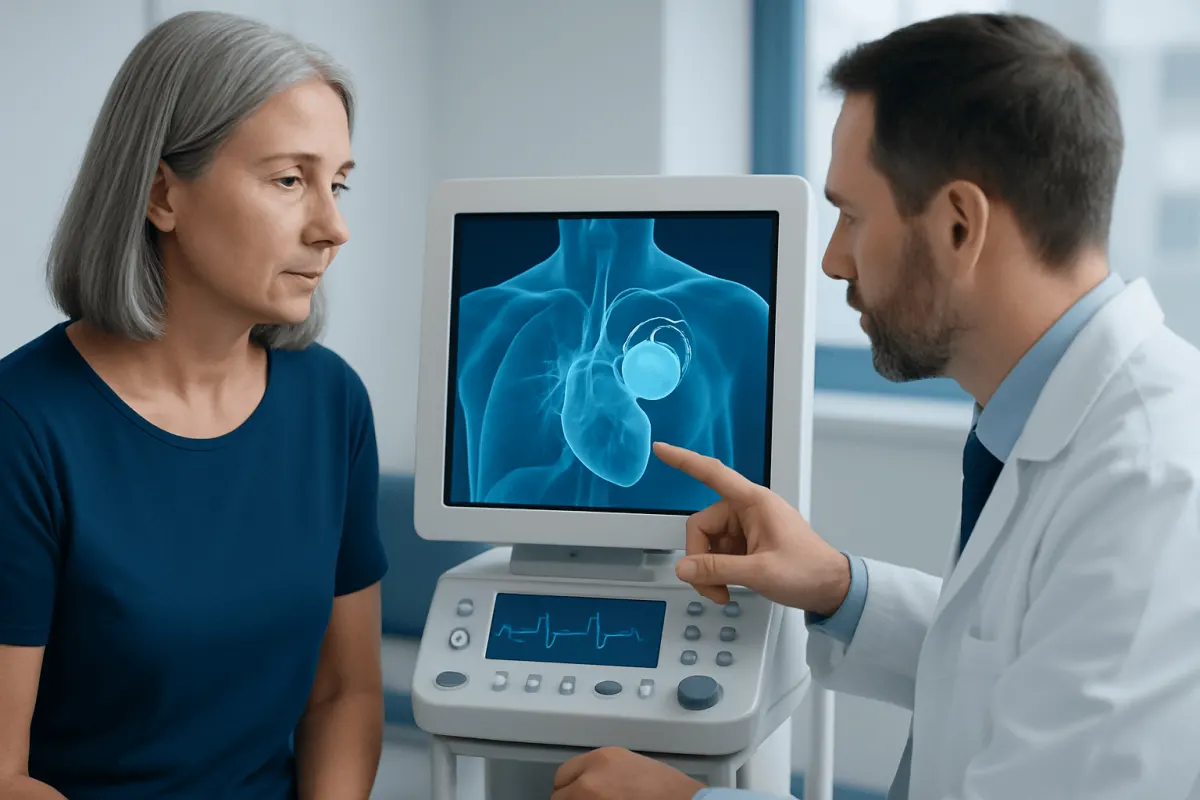
A pacemaker is a small implanted device that monitors the heart rhythm. If it detects that the heart is beating too slowly or misses a beat when support is needed, it sends a small electrical impulse to help restore an appropriate rhythm. Most modern devices work only when necessary rather than delivering continuous pacing.
Traditional pacemakers include a pulse generator placed under the skin, usually below the collarbone, and one or more leads positioned inside the heart through a vein. In selected cases, a leadless pacemaker may be placed directly in the heart through a catheter. The most suitable type depends on the rhythm problem, heart anatomy, expected pacing needs, and individual medical circumstances.
Pacemaker Eligibility Criteria

Pacemaker eligibility is based on evidence that a slow or disrupted rhythm is clinically meaningful. The decision is generally clearer when an abnormal rhythm is documented and corresponds with symptoms. In some urgent forms of advanced heart block, a pacemaker may be advised even if symptoms are limited because the rhythm can become unreliable or unsafe.
Conditions that may lead to pacemaker consideration include sinus node dysfunction, symptomatic sinus bradycardia, intermittent pauses in the heartbeat, second-degree or complete AV block, and certain rhythm problems that develop after heart surgery or procedures. Some people with atrial fibrillation may also need pacing if their ventricular rate becomes too slow, including after treatment intended to control an excessively fast rhythm.
- Repeated fainting, near-fainting, or unexplained falls linked to slow heart rhythm
- Dizziness, tiredness, confusion, or reduced exercise tolerance associated with bradycardia
- Documented high-grade AV block or complete heart block
- Long pauses in heart rhythm, especially when symptomatic
- A need for essential medicines that slow the heart when no safe alternative is available
Before recommending implantation, clinicians look for reversible contributors. These may include medication effects, low thyroid hormone levels, electrolyte abnormalities, infection, untreated sleep apnea, or temporary rhythm changes after a heart event or procedure. Addressing the cause may improve the rhythm and avoid or delay the need for a device.
Pre-Implant Assessment and Decision-Making
The evaluation commonly begins with a discussion of symptoms, medical history, previous heart conditions, and all medicines and supplements. It is helpful for patients to note when symptoms occur, how long they last, what they were doing at the time, and whether there has been loss of consciousness or injury from a fall.
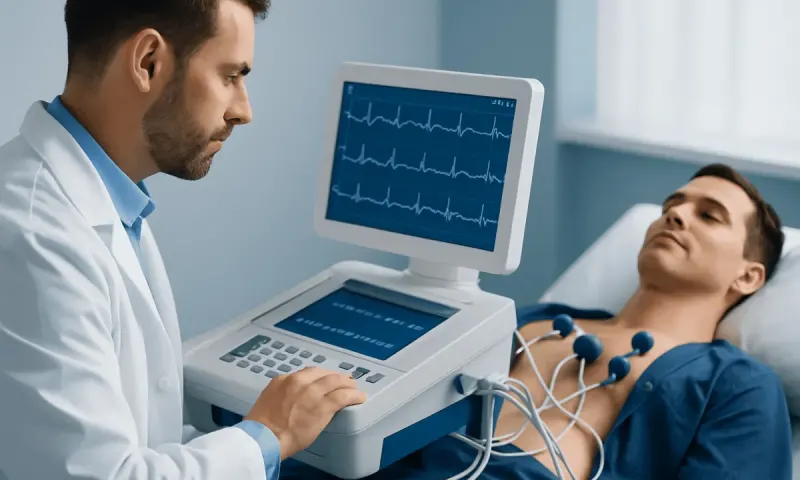
An electrocardiogram (ECG) can identify many rhythm and conduction problems. However, intermittent symptoms may require longer monitoring with a Holter monitor, event recorder, wearable monitor, or implantable loop recorder. Blood tests can help identify correctable causes, while echocardiography may assess heart structure and pumping function.
Doctors also consider whether a person may need frequent pacing and whether there is reduced heart pumping function. These findings can influence the choice of device and pacing approach. A shared decision-making discussion should cover the expected benefits, possible limitations, procedural risks, follow-up requirements, and the person’s preferences and day-to-day needs.
Patients preparing for a consultation can complete a pre-assessment form and provide ECGs, monitoring reports, imaging results, medication lists, and relevant discharge summaries. This information can help the cardiology team make a timely, well-informed recommendation.
What Happens During Pacemaker Implantation?
Pacemaker implantation is usually performed in a hospital procedure room or cardiac catheterization laboratory. The patient is connected to monitors, and the area below the collarbone is cleaned and numbed with local anesthetic. Sedation may be used in some situations to improve comfort, while the person continues to breathe independently.
For a standard transvenous pacemaker, the cardiologist makes a small incision in the upper chest and guides one or more leads through a vein into the appropriate heart chamber using X-ray guidance. The leads are tested to confirm that they sense and pace effectively. The generator is then connected to the leads and placed in a small pocket beneath the skin.
The incision is closed and covered with a dressing. The device is programmed for the individual’s rhythm needs before discharge. Leadless pacemakers follow a different approach: they are delivered through a vein in the groin using a catheter and attached inside the heart, so there is no chest incision or visible lead.
The procedure itself often takes a few hours or less, but timing varies depending on the type of device, anatomy, and whether other cardiac care is needed. The care team explains fasting instructions, medication adjustments, and any individual preparation before the procedure.
Benefits, Risks, and Recovery Timeline
For appropriately selected patients, a pacemaker can prevent excessively slow heart rates and reduce symptoms caused by bradycardia. Many people experience better stamina, fewer dizzy spells, and improved confidence with daily activities. A pacemaker does not cure every cause of fatigue or breathlessness, so expectations should be based on the confirmed rhythm problem and other health conditions.
Possible complications are uncommon but can include bleeding or bruising at the implant site, infection, a collapsed lung, blood vessel injury, lead movement, or a need to adjust the device. Long-term follow-up is important because leads and generators may eventually require replacement or revision. The clinical team reviews individual risk factors, including blood-thinning medicines, kidney disease, immune suppression, and prior infections.
Many patients go home the same day or after an overnight stay, depending on the procedure and their health. Mild tenderness around the incision is common initially. The wound generally needs to be kept clean and dry according to the discharge instructions, and patients are usually asked to avoid heavy lifting and repetitive overhead movement on the implant side for a period advised by their clinician.
Follow-up commonly includes a wound review within the first weeks and regular device checks thereafter, sometimes through remote monitoring. Most people gradually return to normal routines, but driving, work, sports, travel, and use of electrical equipment should be discussed individually. A device identification card should be carried and shown before certain medical procedures or security screenings.
When to Seek Medical Care
Prompt medical assessment is appropriate for new or worsening fainting, near-fainting, persistent dizziness, unexplained severe fatigue, chest discomfort, shortness of breath, or palpitations. These symptoms have many possible causes, but a heart rhythm problem should be considered, especially in people with known heart disease or a history of slow pulse.
Emergency care is important if someone loses consciousness, has chest pain, severe breathlessness, confusion, or symptoms suggesting a heart attack or stroke. People who already have a pacemaker should seek urgent advice for fever with redness, swelling, drainage, or increasing pain at the implant site; persistent hiccups or muscle twitching; or a return of symptoms that occurred before implantation.
Acıbadem Health Point’s multidisciplinary cardiology specialists and JCI-accredited hospitals evaluate and treat heart rhythm conditions for international patients. A cardiologist can determine whether symptoms are related to a rhythm disorder and whether a pacemaker is likely to offer meaningful benefit.
Frequently asked questions
01What heart rate means I need a pacemaker?
There is no single heart-rate number that automatically means a person needs a pacemaker. Doctors consider whether a slow rate is causing symptoms, whether there are pauses or heart block, and whether the rhythm problem is persistent or potentially dangerous. A person with a low pulse but no symptoms may not need treatment.
02Can medication cause a need for a pacemaker?
Some medicines can slow the heart rate or worsen conduction problems. Clinicians first review whether the medicine can be adjusted, stopped, or replaced safely. A pacemaker may be considered when an essential medicine is needed and there is no appropriate alternative to prevent clinically significant bradycardia.
03Is a pacemaker used for atrial fibrillation?
A pacemaker does not directly stop atrial fibrillation in most cases. It may be used when atrial fibrillation is accompanied by a heart rate that is too slow, long pauses, or treatment-related bradycardia. The best approach depends on the type of atrial fibrillation and the person’s overall rhythm management plan.
04How long does recovery after pacemaker implantation take?
Many people return home the same day or the day after implantation and resume light daily activities within several days. The incision usually heals over a few weeks, while restrictions on lifting and arm movement may continue for a clinician-recommended period. Recovery plans vary according to the device type, medical history, and occupation.
05Will I feel the pacemaker working?
Most people do not feel the electrical impulses from a pacemaker. They may notice gradual improvement in symptoms such as dizziness or low energy if those symptoms were caused by a slow rhythm. Any unusual sensations, palpitations, twitching, or recurrence of previous symptoms should be reported to the care team.
06Can I live normally with a pacemaker?
Most people with a pacemaker can continue work, travel, exercise, and many usual activities after recovery. Regular device checks and attention to medical-procedure precautions are important. The cardiology team can provide personalized advice about driving, sports, occupational equipment, and travel.
This article is for general information only and is not a substitute for professional medical advice. Please consult a qualified doctor about your individual situation.
Heart care in Turkey — expert evaluation and treatment
JCI-accredited · board-certified surgeons · reply within 24h
Add us as a Preferred Source to see more of our trusted health content across Google Search, AI Overviews and Discover.