What Does an Electrocardiologist Do?
An electrocardiologist is a physician with expertise in the heart’s electrical activity, including electrocardiogram (ECG or EKG) interpretation and rhythm-related conditions. They may be a cardiologist, often with additional electrophysiology training, who helps identify and manage abnormal heart rhythms safely and accurately.
What Is an Electrocardiologist?
An electrocardiologist is a doctor who assesses the heart’s electrical system. The heart beats because carefully timed electrical signals travel through heart tissue and prompt the chambers to contract. Electrocardiologists use electrocardiography—especially the electrocardiogram, also called an ECG or EKG—to recognize patterns that may suggest a rhythm, conduction, or other cardiac problem.
The term may be used broadly for a cardiologist with particular expertise in ECG interpretation. In many healthcare systems, complex rhythm disorders are assessed by a cardiac electrophysiologist, a cardiologist who has completed additional training in the diagnosis and treatment of arrhythmias. The exact job title can differ by country and hospital, but the central focus is the same: understanding how the heart’s electrical activity relates to a person’s symptoms and overall heart health.
An ECG is a valuable test, but it is only one part of a clinical assessment. An electrocardiologist considers the ECG together with symptoms, physical examination findings, medicines, family history, laboratory results and, when appropriate, heart imaging or longer-term rhythm monitoring.
What Problems Can an Electrocardiologist Assess?
An electrocardiologist may assess suspected arrhythmias, which are heartbeats that are too fast, too slow, irregular, or conducted through the heart in an unusual way. Some rhythm changes are harmless and temporary, while others need closer evaluation because they may affect quality of life, circulation, or long-term heart health.
Common reasons for assessment include palpitations, skipped beats, fluttering in the chest, unexplained fainting, near-fainting, dizziness, unusual fatigue, or reduced exercise tolerance. A person may also be referred after a routine ECG shows an unexpected pattern, even if they have no symptoms.
Conditions within this area include atrial fibrillation, supraventricular tachycardia, atrial flutter, ventricular arrhythmias, sinus node dysfunction and heart block. For example, atrial fibrillation is an irregular rhythm that requires individualized assessment, including discussion of symptom control and stroke-risk reduction. An abnormal ECG can also sometimes reflect effects of medications, electrolyte changes, thyroid disorders, reduced blood flow to the heart, or structural heart disease.
Not every palpitation indicates a serious condition. Stress, caffeine, alcohol, sleep deprivation, fever and some medicines can temporarily affect the heartbeat. Nonetheless, recurrent, new, or troubling symptoms deserve medical advice, particularly when they occur with fainting, chest discomfort or shortness of breath.
How ECGs and Rhythm Tests Work

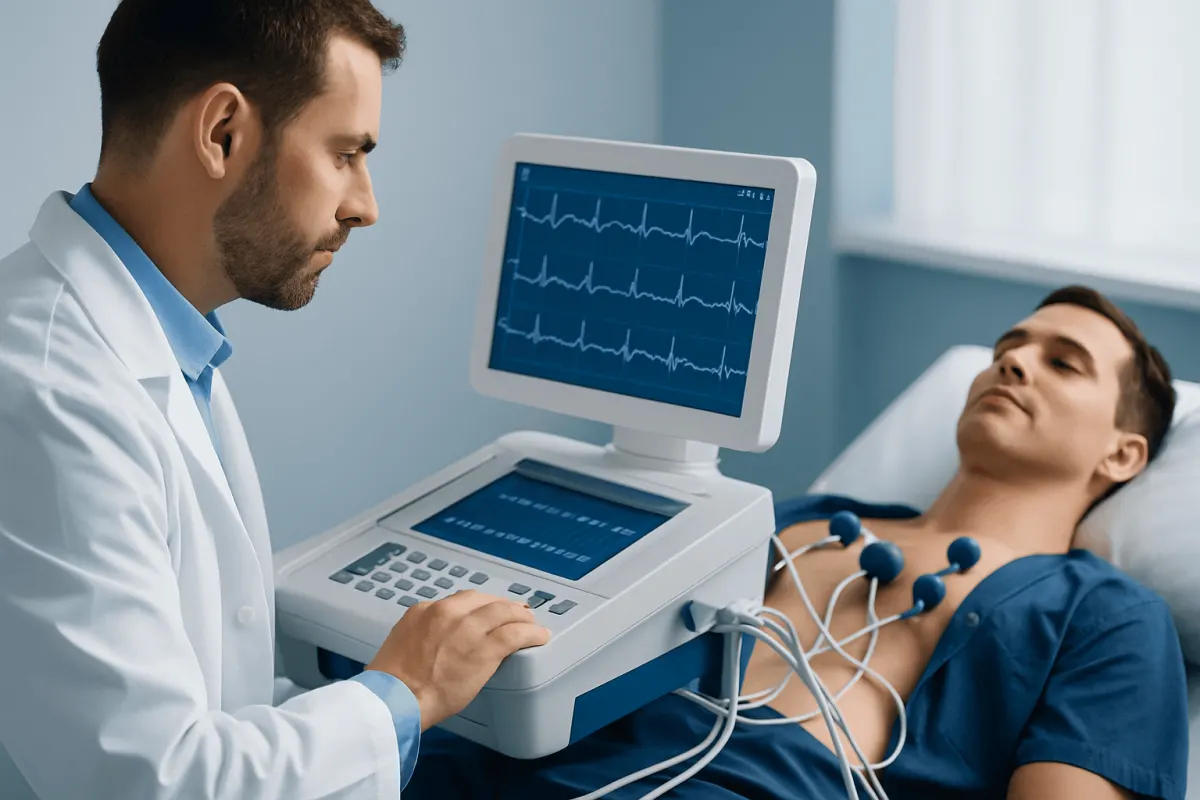
A standard resting ECG is a quick, painless recording of the heart’s electrical signals. Small adhesive electrodes are placed on the chest and limbs, and the machine records the timing and shape of electrical waves from several viewpoints. The test does not send electricity into the body. It usually takes only a few minutes to record, although preparation may take a little longer.
An electrocardiologist reviews features such as heart rate, rhythm regularity, electrical conduction intervals and wave patterns. These details can help identify arrhythmias, conduction delays, evidence of previous heart injury, or changes that warrant further testing. However, a normal resting ECG does not exclude intermittent rhythm problems that did not occur during the brief recording.
When symptoms come and go, ambulatory monitoring may be more informative. A Holter monitor records rhythm continuously for a day or longer, while event monitors and wearable patch monitors can capture less frequent episodes over an extended period. Exercise ECG testing may be used when symptoms occur with exertion, and an echocardiogram can evaluate heart structure and pumping function.
For selected patients, an electrophysiology study may be considered. This catheter-based test maps electrical pathways inside the heart and can help clarify certain arrhythmias. It is generally reserved for situations where the result is likely to guide treatment decisions.
What to Expect at an Appointment
The appointment usually begins with a detailed discussion of symptoms. Patients can help by describing what the sensation feels like, when it began, how long episodes last, what they were doing when it occurred, and whether symptoms include dizziness, breathlessness, chest pain or loss of consciousness. It is also useful to mention recent illness, sleep changes, alcohol or stimulant use, and any family history of sudden unexplained death or inherited heart conditions.
The clinician will review medical conditions and all medicines, including non-prescription products and supplements. Some medications can influence heart rhythm or ECG findings, so a complete list is important. Patients should not stop prescribed medicines unless their own clinician advises them to do so.
A physical examination may include listening to the heart and lungs, checking blood pressure and pulse, and looking for signs of conditions that can affect rhythm. Depending on the situation, blood tests may assess factors such as electrolytes, thyroid function or anemia. Further testing is chosen based on the individual clinical picture rather than ordered routinely for every person.
Before the visit, keeping a brief symptom diary can be helpful. Recording the time, duration, pulse if available, possible triggers, and associated symptoms may make it easier to match symptoms with monitoring results and develop an appropriate plan.
Treatment and Ongoing Care
Treatment is based on the specific rhythm finding, its cause, symptom burden, and the person’s broader cardiovascular health. Some ECG variations and occasional extra beats need only reassurance and follow-up. If an underlying factor such as dehydration, thyroid disease, anemia, sleep apnea, infection, or a medication effect is contributing, addressing that factor may improve the rhythm.
For clinically significant arrhythmias, options may include medicines that control heart rate or rhythm, and medicines that reduce clot-related stroke risk in certain conditions. The benefits and possible side effects of medication vary, so treatment decisions should be made with a qualified clinician who can consider individual risks and preferences.
Some arrhythmias can be treated with catheter ablation. During this procedure, a specialist guides thin catheters through blood vessels to the heart and treats a small area involved in the abnormal electrical circuit. Cardiac ablation may be considered when symptoms persist, medication is not suitable or effective, or a rhythm is likely to respond well to the procedure.
For selected slow rhythms or patients at risk from certain serious fast rhythms, an implanted device may be recommended. A pacemaker can support an overly slow heartbeat, while an implantable cardioverter-defibrillator may monitor and treat dangerous ventricular rhythms in carefully assessed patients. These decisions involve detailed discussion of expected benefits, risks and follow-up needs.
Supporting Heart Rhythm Health
Healthy daily habits support overall cardiovascular health and may reduce common rhythm triggers. Regular physical activity appropriate to a person’s health status, a balanced eating pattern, sufficient sleep, hydration and stress-management practices can all be helpful. People with known heart disease or symptoms during activity should ask a clinician which type and intensity of exercise is suitable.
It may be sensible to limit or avoid personal triggers such as excessive caffeine, alcohol, nicotine, recreational drugs, energy products, or stimulant-containing supplements. The effect varies between individuals, and sudden changes to prescribed medication should not be made without medical guidance.
Managing related conditions is also important. Blood pressure, diabetes, sleep apnea, thyroid disease and weight-related health concerns can influence cardiovascular health and, in some people, the frequency of arrhythmias. Regular follow-up helps ensure that any treatment plan remains appropriate as health needs change.
Consumer wearable devices may detect an irregular pulse or record a limited-lead rhythm trace. These tools can provide useful information to share with a clinician, but they do not replace a medical diagnosis. An alert should be interpreted in the context of symptoms and, when necessary, confirmed with clinical testing.
When to Seek Medical Care
A medical appointment is appropriate for new or recurrent palpitations, an irregular pulse, unexplained dizziness, fainting or near-fainting, unusual shortness of breath, or a previously identified abnormal ECG. Assessment is especially important if episodes are becoming more frequent, last longer, interfere with normal activities, or occur in someone with known heart disease or a family history of inherited rhythm conditions.
Emergency care is needed for chest pain or pressure, severe difficulty breathing, fainting, confusion, signs of stroke such as sudden facial drooping or weakness on one side, or a persistent rapid or irregular heartbeat accompanied by feeling unwell. These symptoms can have different causes, but prompt evaluation is the safest approach.
For planned assessment, a cardiology team can coordinate ECG interpretation, monitoring, imaging and specialist referral where required. Acıbadem Health Point’s multidisciplinary specialists and JCI-accredited hospitals diagnose and treat heart rhythm conditions for international patients, with care tailored to the individual’s clinical needs.
Frequently asked questions
01Is an electrocardiologist the same as a cardiologist?
An electrocardiologist is generally a cardiologist or physician with particular expertise in the heart’s electrical activity and ECG interpretation. For complex rhythm conditions, care may be led by a cardiac electrophysiologist, who has additional specialist training in arrhythmias and related procedures.
02What is the difference between an ECG and an electrocardiologist?
An ECG is a test that records the heart’s electrical signals at a particular time. An electrocardiologist is the clinician who interprets the test in context and decides whether further evaluation or treatment may be needed.
03Can an ECG detect every heart rhythm problem?
No. A resting ECG records only a short period of heart activity, so an intermittent arrhythmia may not appear during the test. Longer monitoring, such as a Holter monitor or event monitor, may be recommended when symptoms occur only occasionally.
04Do palpitations always mean an abnormal heart rhythm?
No. Palpitations can occur with stress, anxiety, caffeine, alcohol, lack of sleep, fever, hormonal changes and other non-cardiac factors. Because they can also occur with arrhythmias, new, persistent, or concerning palpitations should be discussed with a healthcare professional.
05What should a patient bring to an electrocardiology appointment?
It is helpful to bring a current list of medicines and supplements, previous ECGs or test reports if available, and details of personal and family medical history. A diary of episodes, including timing, duration, triggers and associated symptoms, can also support the assessment.
06When is an abnormal ECG an emergency?
An abnormal ECG result itself is not always an emergency, as some changes are harmless or need routine follow-up. Immediate medical attention is important when an abnormal rhythm or ECG finding occurs with chest pain, fainting, severe breathlessness, confusion, or other sudden serious symptoms.
This article is for general information only and is not a substitute for professional medical advice. Please consult a qualified doctor about your individual situation.
Heart care in Turkey — expert evaluation and treatment
JCI-accredited · board-certified surgeons · reply within 24h
Add us as a Preferred Source to see more of our trusted health content across Google Search, AI Overviews and Discover.