Beet Juice With Blood Pressure Medication: Is It Safe?
Most people can drink a moderate amount of beet juice while taking blood pressure medication, but beet juice may add to the medicine’s blood-pressure-lowering effect. A clinician can advise whether it is appropriate based on the person’s medication, usual blood pressure readings, kidney health, and symptoms.
Can beet juice be used with blood pressure medication?
In many cases, yes. A person can usually drink beet juice while taking blood pressure medication, especially in modest, consistent amounts. However, beet juice contains naturally occurring nitrates that may lower blood pressure, so its effect can add to that of prescribed medicines. It is sensible to discuss regular use with the prescribing clinician or pharmacist, particularly when treatment has recently started or changed.
For many people, an occasional small serving causes no noticeable problem. The main concern is not a dangerous food-drug reaction in the usual sense; it is that combined effects may make blood pressure fall lower than intended. This is more relevant for people who already have low readings, experience dizziness, take more than one blood pressure medicine, or use other medicines that can lower blood pressure.
Beet juice should be viewed as a food, not a replacement for treatment. High blood pressure is often symptom-free and needs ongoing medical management. Anyone considering beet juice as part of a heart-healthy eating plan should continue prescribed medication unless a qualified clinician advises otherwise.
Why beet juice may affect blood pressure
Beets are rich in dietary nitrates. After they are eaten or drunk, the body can convert these compounds through several steps into nitric oxide, a molecule that helps blood vessels relax and widen. This may improve blood flow and produce a temporary reduction in blood pressure for some individuals.
The response varies considerably. It can depend on the amount and type of juice, the person’s diet, oral bacteria, underlying health conditions, and the blood pressure medicines being used. Commercial products also differ: some are concentrated shots, while others are blended beverages with added fruit juice or sugar. A label should be checked so that the serving size is clear.
Research suggests that nitrate-rich vegetables may have a modest role within an overall healthy dietary pattern, but they are not a substitute for clinically recommended treatment. A balanced approach that includes vegetables, fruits, whole grains, appropriate protein sources, physical activity, and regular follow-up remains more important than any single drink.
Who should be especially careful?

Extra caution is appropriate for people who take several medicines that lower blood pressure, including diuretics, ACE inhibitors, angiotensin receptor blockers, calcium channel blockers, beta blockers, or certain other cardiovascular medicines. The potential issue is cumulative blood-pressure lowering, rather than a reason to assume beet juice is automatically unsafe.
People who take nitrate medicines for angina, such as nitroglycerin or isosorbide preparations, should ask their cardiology team before regularly using concentrated beet juice. The same is true for those who use medicines for erectile dysfunction, because these medicines can also affect blood pressure. A clinician can assess the complete medication list and the person’s cardiovascular history.
Those with kidney disease, a history of kidney stones, diabetes, heart failure, or a tendency toward dehydration should also seek individualized advice. Beet products may be relatively high in oxalates, which can matter for some people prone to calcium oxalate stones. Beet juice may also contain carbohydrates, so people monitoring blood glucose may prefer an unsweetened product and pay attention to portion size.
People being assessed or treated for high blood pressure should tell their clinician about supplements, herbal preparations, performance products, and dietary changes as well as juices. This allows blood pressure goals and medication choices to be considered safely.
Symptoms to watch for after drinking beet juice
A blood pressure reading that is lower than usual does not always cause symptoms, and a single reading should be interpreted in context. Still, a person should notice whether symptoms occur shortly after drinking beet juice or after introducing it regularly. Feeling lightheaded when standing, unusual weakness, blurred vision, nausea, fatigue, or near-fainting can suggest that blood pressure may be lower than is comfortable.
If mild symptoms occur, the person should sit or lie down to prevent a fall, drink water if they are not on fluid restriction, and avoid driving or hazardous activity until they feel well. They should check blood pressure if they have a validated home monitor and know how to use it correctly. They should contact the clinician who manages their medication for advice, especially if symptoms recur.
Red or pink urine and stool after eating beets or drinking beet juice can occur and is usually harmless. This is called beeturia and is different from blood in the urine or stool. However, persistent unexplained bleeding, black stools, pain, or urinary symptoms should be medically assessed rather than attributed to beet intake alone.
How a doctor assesses possible low blood pressure
If beet juice seems to be contributing to symptoms, a doctor will usually begin by reviewing the timing of symptoms, home blood pressure readings, fluid intake, recent illness, diet, and all prescribed and non-prescription products. They may ask about missed meals, alcohol use, vomiting, diarrhea, weight loss, and changes in physical activity, since these can also affect blood pressure.
Blood pressure may be measured while sitting and after standing to look for orthostatic hypotension, a drop in blood pressure associated with position changes. The clinician may check pulse rate, review heart and kidney health, and decide whether blood tests, an electrocardiogram, or other assessments are needed. These steps help identify whether medication, dehydration, anemia, infection, heart rhythm concerns, or another cause may be involved.
Depending on the findings, the clinician may recommend consistent monitoring, changes to the timing or amount of beet juice, attention to hydration, or a review of medicines. Medication adjustments should only be made by the prescribing clinician. Regular blood pressure evaluation may be part of hypertension treatment when readings remain above or below the intended range.
Practical ways to include beet juice more safely
Anyone who wishes to drink beet juice regularly can start conservatively and avoid introducing several blood-pressure-lowering changes at the same time. For example, it may be easier to understand the body’s response when a person does not simultaneously begin a new exercise program, strict low-sodium diet, weight-loss plan, or supplement. Consistency is helpful because large variations in intake can make it harder to interpret blood pressure patterns.
Choosing an unsweetened product and following the stated serving size can limit unnecessary added sugars. Some people prefer eating whole beets or including them in meals, which provides fiber and is less concentrated than juice. A registered dietitian or doctor can help fit beet-containing foods into a dietary plan appropriate for kidney disease, diabetes, heart failure, or kidney stone risk.
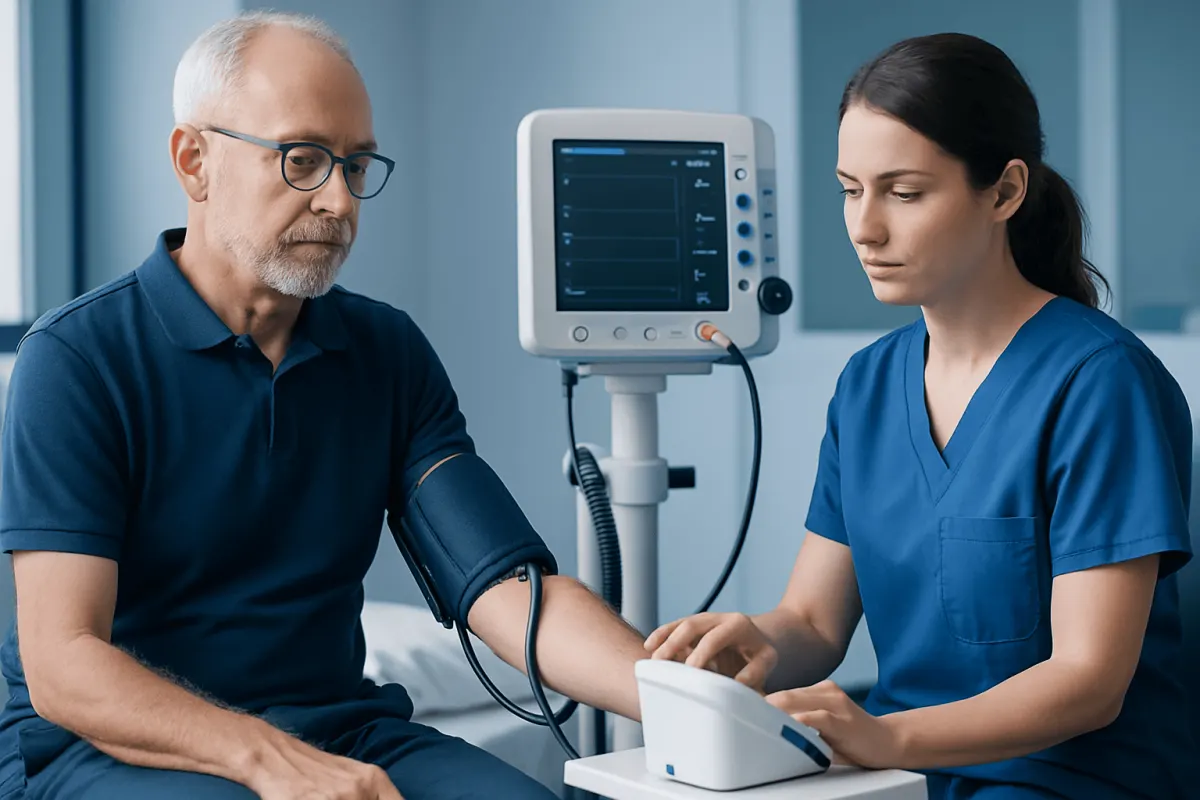
For reliable home monitoring, blood pressure should generally be checked with a properly fitting upper-arm device, after resting quietly, using the same technique each time. Recording the date, time, reading, pulse, symptoms, medicines, and beet juice intake can give the clinician useful information. A single unusual value is less informative than a pattern of readings taken correctly.
- Do not use beet juice to replace prescribed medication.
- Do not change medicine doses without clinical advice.
- Discuss concentrated beetroot shots, supplements, and powders before use.
- Bring a medication and supplement list to appointments.
When to seek medical care
Non-urgent medical advice is appropriate if dizziness, weakness, repeated low readings, or near-fainting begins after adding beet juice or changing the amount consumed. The person should also arrange a review if they are unsure whether their medicines, kidney condition, or history of stones make regular beet juice unsuitable. A pharmacist can be a helpful first point of contact for questions about possible medication interactions.
Emergency care is needed for fainting, chest pain, severe shortness of breath, confusion, a new severe headache, or possible stroke symptoms such as facial drooping, arm weakness, speech difficulty, sudden vision loss, or loss of coordination. These symptoms should not be managed by simply stopping beet juice or waiting for a home blood pressure reading to improve.
Acıbadem Health Point’s multidisciplinary specialists and JCI-accredited hospitals support international patients with assessment and management of blood pressure concerns. A clinician can help determine whether symptoms are related to diet, medication effects, or another medical issue and create an appropriate care plan.
Frequently asked questions
01Can I drink beet juice while taking blood pressure medication every day?
Many people can, but daily use is best discussed with the clinician who prescribes the medication. Beet juice may have a blood-pressure-lowering effect, which can be more noticeable when combined with medication. Regular home readings and any symptoms should guide the conversation.
02How long does beet juice lower blood pressure?
The effect, when it occurs, is generally temporary and can vary from person to person. It may depend on the product, serving size, timing, diet, and individual response. It should not be used as a way to manage blood pressure without prescribed treatment and medical follow-up.
03What blood pressure medications may interact with beet juice?
Any medicine that lowers blood pressure could potentially have an additive effect with beet juice. This includes commonly used medication classes such as ACE inhibitors, angiotensin receptor blockers, diuretics, beta blockers, and calcium channel blockers. Nitrate medicines and erectile dysfunction medicines deserve particular attention because they can also lower blood pressure.
04Should I stop my blood pressure medicine if beet juice makes me dizzy?
No. A person should not stop or adjust prescribed medicine without medical advice, as this may cause blood pressure to rise or create other risks. If dizziness occurs, they should sit or lie down safely, check blood pressure if possible, and contact their clinician promptly for guidance.
05Can beet juice cause low blood pressure?
It can contribute to lower blood pressure in some people because its dietary nitrates may support blood-vessel relaxation. This is more likely to matter in someone taking blood pressure-lowering medicines, who is dehydrated, or who already tends to have low readings. Recurrent symptoms or low home readings should be reviewed by a healthcare professional.
06Is red urine after beet juice dangerous?
Red or pink urine after consuming beets can be a harmless effect called beeturia. It should pass after the food is cleared from the body. However, persistent discoloration, pain, urinary symptoms, clots, or black or bloody stools should be assessed by a clinician.
This article is for general information only and is not a substitute for professional medical advice. Please consult a qualified doctor about your individual situation.
Explore treatments in Turkey — costs, top hospitals & a free quote
JCI-accredited · board-certified surgeons · reply within 24h
Add us as a Preferred Source to see more of our trusted health content across Google Search, AI Overviews and Discover.