What Causes Varicose veins? Risk Factors Explained
Varicose veins develop when one-way valves inside leg veins weaken or do not close fully, allowing blood to pool and increase pressure in the vein. Genetics, aging, pregnancy, hormonal factors, excess weight, and long periods of standing or sitting can make this more likely.
Overview: Why Varicose Veins Develop
Varicose veins causes are mainly related to weakened or damaged one-way valves in the veins of the legs. These valves normally help blood travel upward toward the heart. When they do not close properly, some blood can flow backward and collect in the vein, increasing pressure and causing the vessel to stretch, enlarge, and become visibly twisted.
They commonly appear as blue, purple, or skin-colored raised veins on the calves, thighs, or behind the knees. Smaller surface vessels, often called spider veins, may occur at the same time but are not the same as larger varicose veins. Varicose veins are common and may cause no symptoms, although some people experience aching, heaviness, itching, swelling, or nighttime leg discomfort.
The underlying issue is often part of chronic venous disease, in which veins have difficulty returning blood efficiently from the legs. Understanding the factors that increase vein pressure can help people recognize symptoms early and discuss appropriate care with a qualified clinician.
How Healthy Leg Veins and Valves Work
Leg veins work against gravity to return blood to the heart. The calf muscles help by squeezing the deep veins during walking, while small valves inside the veins open to let blood move upward and close to prevent it from falling back down.
When a valve becomes weak, blood may reflux, meaning it flows in the wrong direction. This can happen in superficial veins close to the skin, in deeper veins, or in connecting veins between these systems. Ongoing reflux raises pressure in the affected vein and can lead to visible varicose veins over time.
This process does not mean the blood is “blocked” in the usual sense. Rather, circulation is less efficient in part of the venous system. Other healthy veins can still carry blood back to the heart, which is why treatments may safely target veins that are no longer functioning well.
Previous blood clots can also damage valves and affect venous flow. This is different from uncomplicated varicose veins and should be evaluated carefully, especially if a person has a history of deep vein thrombosis.
Risk Factors That Can Increase the Chance of Varicose Veins
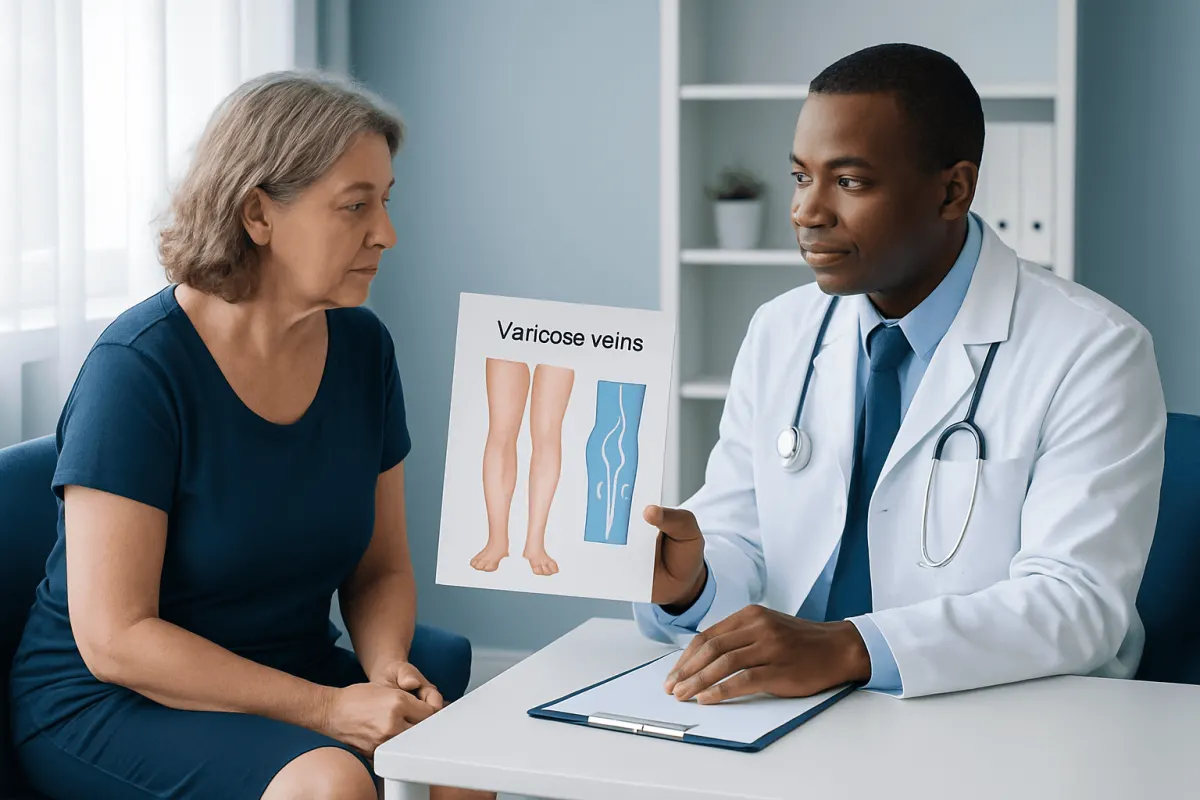
Some risk factors cannot be changed. A family history of varicose veins is important because inherited features of vein walls and valves may make them more likely to weaken. Risk also rises with age, as veins and their valves can gradually lose elasticity. Varicose veins are more common in women, although they can affect people of any sex.
Pregnancy can contribute because blood volume increases, hormonal changes relax vein walls, and the growing uterus can increase pressure on pelvic and leg veins. Veins that appear during pregnancy may improve after delivery, but some can remain, particularly after more than one pregnancy.
Daily routines and health factors may add pressure to leg veins. Standing still for long periods, sitting for extended periods, having limited mobility, and carrying excess body weight can all make symptoms more likely or more noticeable. These factors do not guarantee that varicose veins will develop, but they can contribute when valve weakness is already present.
- Family history of varicose veins or chronic venous disease
- Increasing age
- Pregnancy and hormonal changes
- Occupations involving prolonged standing or sitting
- Overweight or obesity
- Prior leg injury, blood clot, or vein surgery
Symptoms and Signs to Notice
Visible bulging veins are often the first sign, but symptoms do not always match how prominent the veins look. Some people have large veins with little discomfort, while others have smaller visible veins and troublesome heaviness, aching, burning, throbbing, or itching.
Symptoms often become more noticeable after prolonged standing or sitting and may improve with walking, leg elevation, or rest. Mild ankle or lower-leg swelling can occur later in the day. Night cramps and a restless or tired feeling in the legs may also be reported, although these symptoms can have other causes.
More advanced venous disease can lead to skin changes around the ankles and lower legs, including darkening, dryness, inflammation, thickened skin, or slow-healing sores. These signs deserve medical assessment because they may indicate persistent high pressure in the leg veins.
Not every visible vein is a varicose vein, and not every leg symptom is caused by veins. A clinician can consider circulation, nerve, joint, skin, and medication-related causes when symptoms are unclear.
Diagnosis and Assessment
A healthcare professional usually begins with a discussion of symptoms, family history, work and activity patterns, pregnancies, previous clots, and any skin changes. The legs are examined while the person is standing, as this makes affected veins easier to assess.
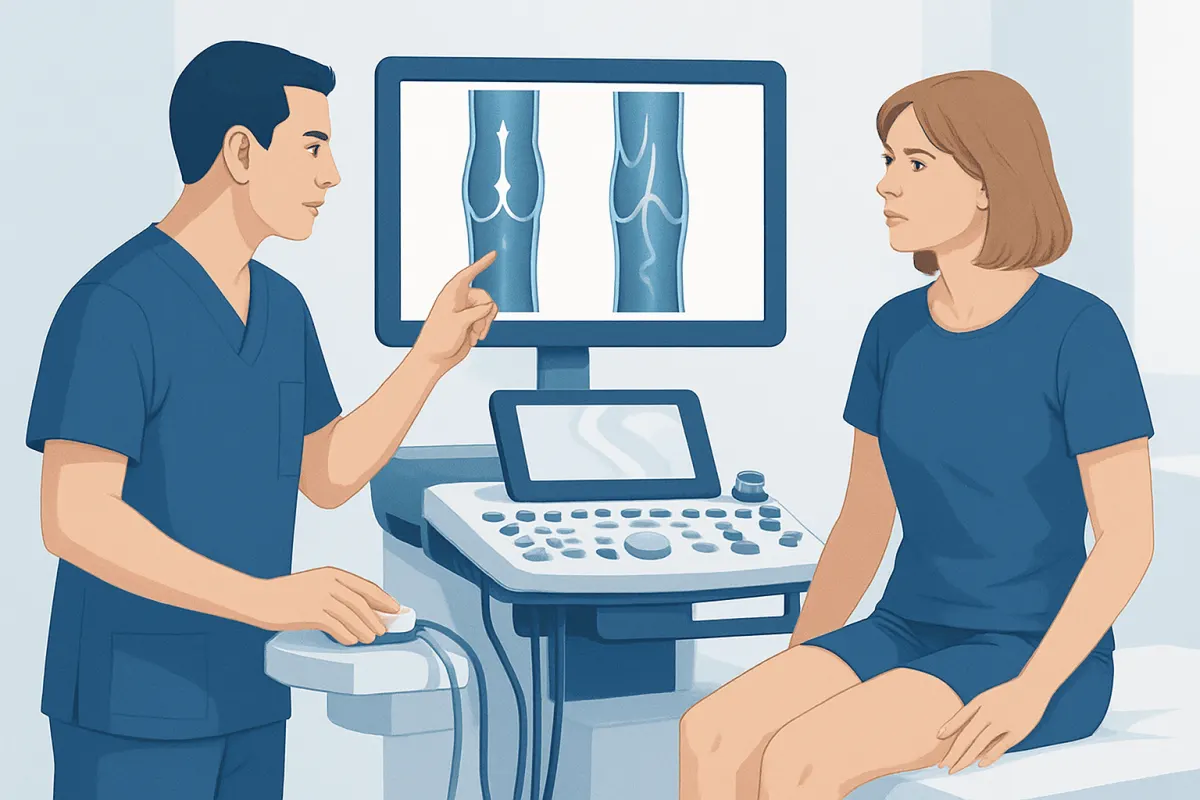
If treatment is being considered or symptoms suggest significant venous reflux, a duplex ultrasound is commonly used. This painless test combines imaging with blood-flow assessment. It can show which veins are affected, whether valves are allowing backward flow, and whether there is evidence of a clot.
Assessment is especially important before a procedure. The goal is not simply to treat visible veins but to identify the source of reflux and choose an approach that fits the person’s symptoms, anatomy, health history, and goals. For an overview of evaluation and care pathways, see varicose veins treatment.
Treatment Options and Procedure Planning
Not everyone with varicose veins needs a procedure. If symptoms are mild, clinicians may recommend regular walking, movement breaks, weight management where appropriate, leg elevation, and properly fitted compression stockings. Compression may reduce aching and swelling for some people, but it does not remove damaged valves or permanently eliminate varicose veins.
When symptoms persist, skin changes develop, bleeding occurs, or appearance is a significant concern, minimally invasive treatment may be considered. Common options include thermal ablation using laser or radiofrequency energy, ultrasound-guided foam sclerotherapy, and phlebectomy, in which selected surface veins are removed through very small skin openings. The best option depends on the veins involved and ultrasound findings.
In thermal ablation, a thin catheter is placed into the faulty vein using ultrasound guidance. Local anesthetic is used around the vein, and controlled heat closes it from within. Blood is then redirected through healthier veins. Foam sclerotherapy uses an injected medicine to irritate and seal selected veins, while phlebectomy may address prominent surface branches.
Suitable candidates are generally people with confirmed venous reflux or symptomatic visible veins who are medically well enough for the planned approach. A vascular specialist will also consider pregnancy status, history of clots, medications, circulation in the arteries, and skin health before recommending treatment.
Recovery, Benefits, and Possible Risks
Many vein procedures are performed on an outpatient basis. Most people can walk shortly afterward and are encouraged to stay mobile, although the exact recovery plan varies by procedure and individual circumstances. Light activities may often resume quickly, while strenuous exercise, heavy lifting, and prolonged heat exposure may need to be limited temporarily.
Bruising, tenderness, pulling sensations, mild swelling, and temporary skin discoloration can occur during recovery. Compression stockings may be recommended for a defined period. Follow-up ultrasound may be used after certain procedures to confirm that the treated vein has closed as intended.
Potential benefits include relief of heaviness, aching, swelling, and irritation, along with improvement in the appearance of treated veins. No procedure can prevent every future vein from developing, particularly when inherited risk factors remain. Healthy movement habits and follow-up when needed can support long-term vein health.
Serious complications are uncommon but can include infection, skin burns, nerve irritation, blood clots, allergic reaction, pigmentation changes, or incomplete treatment response. A clinician should explain the relevant risks and benefits for the recommended technique before treatment.
Prevention, Self-Care, and When to Seek Medical Care
It is not always possible to prevent varicose veins, especially when there is a strong family tendency. However, regular walking, calf-strengthening activity, avoiding long periods in one position, and taking brief movement breaks during travel or desk work can help support leg circulation. Raising the legs when resting may relieve temporary heaviness or swelling.
People who stand for work may benefit from changing position frequently, walking when possible, and discussing compression stockings with a clinician. Compression should be selected carefully, particularly for anyone with known artery disease, diabetes-related circulation concerns, or significant leg pain.
When to seek medical care: A person should arrange a medical review for persistent pain, swelling, skin discoloration, itching with skin damage, a sore near the ankle, or veins that bleed. Urgent assessment is needed for sudden one-sided leg swelling, warmth, redness, severe pain, chest pain, shortness of breath, or coughing blood, as these symptoms can have causes other than routine varicose veins and may require prompt care.
Acıbadem Health Point’s multidisciplinary specialists and JCI-accredited hospitals assess and treat venous conditions for international patients. A qualified vascular clinician can help determine whether symptoms are due to varicose veins and whether conservative care or a procedure is appropriate.
Frequently asked questions
01What is the main cause of varicose veins?
The main cause is failure of one-way valves inside the leg veins. When these valves do not close fully, blood can flow backward and increase pressure within the vein, causing it to widen and become twisted.
02Can varicose veins be caused by sitting too much?
Long periods of sitting can contribute to leg discomfort and may increase venous pressure by reducing calf-muscle activity. However, sitting alone is usually not the sole cause; inherited valve weakness, age, pregnancy, and other factors are also important.
03Are varicose veins hereditary?
Yes, family history is a well-recognized risk factor. Having close relatives with varicose veins may increase the likelihood of developing them, although lifestyle, pregnancy, and age also influence risk.
04Do varicose veins go away with exercise?
Exercise can improve calf-muscle function and may reduce symptoms such as heaviness or mild swelling. It does not repair damaged vein valves or reliably make established varicose veins disappear.
05Can pregnancy cause varicose veins?
Pregnancy can increase the chance of varicose veins because of hormonal changes, greater blood volume, and increased pressure on pelvic and leg veins. Some pregnancy-related veins improve after delivery, but others may persist.
06When are varicose veins serious?
They should be assessed if there is persistent pain, swelling, skin changes, bleeding, or an open sore near the ankle. Sudden leg swelling, severe pain, chest pain, or shortness of breath requires urgent medical evaluation.
This article is for general information only and is not a substitute for professional medical advice. Please consult a qualified doctor about your individual situation.
Persistent digestive symptoms? Get evaluated in Turkey
JCI-accredited · board-certified surgeons · reply within 24h
Add us as a Preferred Source to see more of our trusted health content across Google Search, AI Overviews and Discover.