Low Energy in Men: Possible Causes and Support
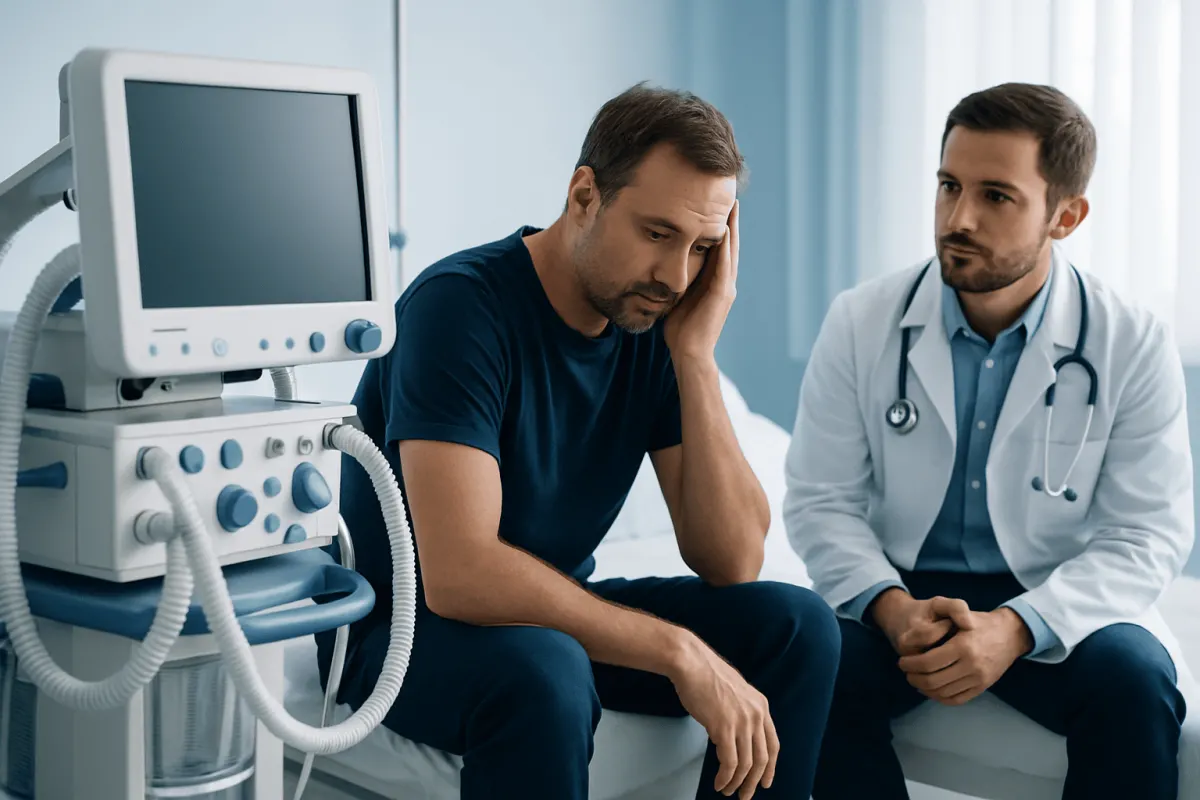
Low energy in men is common and often improves when contributing factors such as poor sleep, stress, low activity, diet, alcohol use or medication effects are addressed. Persistent or worsening fatigue should be assessed because it can also be linked with treatable health conditions, including anemia, thyroid disease, diabetes, sleep apnea, depression and hormone disorders.
Overview: what low energy in men can mean
Low energy in men describes feeling unusually tired, slowed down, less motivated or unable to sustain normal physical or mental activity. It may be temporary, such as after several poor nights of sleep or a demanding period at work, but it can also persist for weeks or interfere with work, exercise, relationships or daily tasks. The experience is real, even when there is no obvious single cause.
Fatigue is different from simple sleepiness. Sleepiness is a tendency to fall asleep, while fatigue can include reduced stamina, concentration difficulties, low motivation or a sense of exhaustion despite adequate time in bed. Some people experience both. Recognizing the pattern, timing and accompanying symptoms helps a clinician determine which factors deserve attention.
Many causes are manageable. A structured review of sleep, emotional wellbeing, diet, activity, alcohol and substance use, medications and medical history is usually more helpful than assuming that age or testosterone is responsible. A qualified clinician can assess concerns in context and recommend appropriate next steps.
Common patterns and accompanying symptoms
Low energy may develop gradually or begin suddenly. It can be most noticeable on waking, in the afternoon, after meals, during physical exertion or at times of stress. Keeping track of when symptoms occur, how long they last and what improves or worsens them can make a medical appointment more productive.
Associated symptoms may provide useful clues. Poor-quality sleep, loud snoring, witnessed pauses in breathing, morning headaches or daytime drowsiness may point toward a sleep-related breathing problem. Low mood, loss of interest, irritability, persistent worry or changes in appetite may occur with depression, anxiety or prolonged stress.
Other symptoms should be discussed with a doctor, including unintentional weight change, fever, night sweats, palpitations, breathlessness, reduced exercise tolerance, bowel changes, increased thirst or urination, sexual concerns, muscle weakness, numbness or persistent pain. These symptoms do not necessarily indicate a serious condition, but they help guide a focused evaluation.
Why energy levels can fall
Everyday factors are frequent contributors. Adults who regularly sleep too little, have irregular sleep schedules, work shifts, spend long periods sitting or are under ongoing pressure may feel depleted. Insufficient food intake, highly restrictive diets, dehydration, frequent alcohol use and heavy use of caffeine can also disrupt sleep and cause energy to fluctuate.
Sleep disorders deserve particular attention because a person may spend enough hours in bed without getting restorative sleep. Obstructive sleep apnea can cause repeated breathing interruptions during sleep and is more likely in people who snore loudly, wake gasping, have excess weight or have high blood pressure. It is a treatable condition, and evaluation may include a sleep study.
Medical conditions can also contribute. Examples include anemia, thyroid disorders, diabetes, chronic kidney or liver disease, heart or lung conditions, infections and inflammatory illnesses. Mental health conditions, including depression and anxiety, may produce prominent physical fatigue. Certain medicines, including some sedatives, antihistamines, pain medicines and blood pressure treatments, can contribute as well; prescribed medication should not be stopped without medical advice.
Testosterone deficiency can be associated with low energy, reduced sexual desire, fewer spontaneous erections, loss of muscle strength, low mood or reduced body hair in some men. However, these symptoms are not specific to testosterone deficiency. Diagnosis requires symptoms together with properly timed, repeat blood testing and clinical assessment, rather than relying on a single result or over-the-counter products.
How a doctor evaluates persistent fatigue
A medical assessment usually begins with a detailed history. A clinician may ask about sleep duration and quality, snoring, work and travel schedules, mood, activity, eating habits, alcohol or recreational drug use, recent infections and current medicines or supplements. Personal and family medical history, including diabetes, thyroid disease, heart disease and mental health conditions, is also relevant.
A physical examination may include weight, blood pressure, heart and lung assessment, and a review for signs of anemia, thyroid changes, fluid retention, neurological problems or hormonal concerns. The aim is not to perform every possible test, but to identify the most likely explanations and any warning signs.
Depending on the findings, tests may include a complete blood count, blood glucose or HbA1c, thyroid function tests, kidney and liver function tests, and selected nutritional tests when indicated. Testosterone testing is considered when symptoms and examination support it; levels are commonly measured in the morning and may need confirmation on another day. Sleep testing may be appropriate when symptoms suggest sleep apnea.
Bringing a list of medications and supplements, along with a brief sleep and symptom diary, can be helpful. This information can prevent unnecessary testing and supports a plan tailored to the individual rather than a one-size-fits-all explanation.
Treatment focuses on the underlying cause
There is no single treatment for low energy in men because the best approach depends on the cause. If sleep deprivation, irregular routines or low physical activity are major contributors, gradual changes in sleep habits, movement and daily routine may improve energy over time. If stress, anxiety or depression is present, psychological support, talking therapies and, when appropriate, medical treatment can be beneficial.
When testing identifies a medical condition, treatment is directed at that condition. For example, correcting anemia requires finding and addressing its cause, while diabetes management aims to improve blood glucose control and overall health. Sleep apnea may be treated with measures such as weight management where appropriate, positional approaches, oral appliances or positive airway pressure therapy after specialist assessment.
Testosterone treatment is not an energy booster for everyone and is not appropriate solely on the basis of tiredness. It may be considered for confirmed testosterone deficiency after a clinician reviews symptoms, repeat laboratory findings, likely causes, fertility goals and potential risks and monitoring needs. Men who wish to have children should specifically discuss this issue, as testosterone therapy can reduce sperm production.
At Acıbadem Health Point, multidisciplinary specialists in JCI-accredited hospitals can assess persistent fatigue and coordinate care for international patients when sleep, hormonal, metabolic or other health factors are involved.
Practical self-care that supports energy
Consistent, realistic habits can support energy while a person is monitoring symptoms or awaiting an appointment. A regular wake-up time, a wind-down routine and limiting late-evening alcohol and nicotine may improve sleep quality. Keeping screens and work tasks away from the bed where possible can also help reinforce the association between bed and sleep.
Regular movement is often useful, even when energy is low. Starting with short walks, gentle cycling or light resistance exercise and increasing gradually can improve sleep, mood and endurance. Very intense training without adequate recovery, however, can worsen fatigue. A clinician can advise on safe activity levels for anyone with chest symptoms, significant breathlessness or chronic disease.
A balanced eating pattern with regular meals, adequate protein, fiber-rich carbohydrates, vegetables, fruit and healthy fats supports steady energy. Water intake should be sufficient for climate and activity level. It is generally better to avoid relying on energy drinks, high doses of caffeine or unregulated testosterone and stimulant supplements, which may mask symptoms, disrupt sleep or interact with medicines.
- Keep a simple record of sleep, energy, mood, exercise and alcohol intake for one to two weeks.
- Review whether a new medication or supplement coincided with the onset of fatigue.
- Set one manageable change at a time, such as a consistent bedtime or a daily walk.
- Seek professional support for persistent stress, low mood or difficulty reducing alcohol or substance use.
When to seek medical care
Medical advice is appropriate when low energy lasts more than a few weeks, is getting worse, recurs frequently or affects normal daily life. An appointment is also sensible when fatigue occurs with sleep problems, mood changes, reduced libido, erectile difficulties, unexplained weight change, fever, bowel changes, thirst, frequent urination or reduced ability to exercise.
Urgent medical assessment is important for low energy or weakness accompanied by chest pain, severe shortness of breath, fainting, confusion, black or bloody stools, a sudden severe headache, or new weakness or numbness on one side of the body. These symptoms may have causes that need prompt evaluation.
Men should not feel they need to manage persistent exhaustion alone or assume it is an unavoidable part of aging. Discussing symptoms early can identify reversible factors and provide reassurance when serious causes have been excluded.
Frequently asked questions
01Is low energy in men always caused by low testosterone?
No. Poor sleep, stress, depression, inactivity, alcohol use, medication effects and medical conditions are all common possible causes. Testosterone deficiency should be considered only in the context of compatible symptoms and appropriate repeat blood testing.
02What blood tests may be used for persistent low energy?
The choice depends on symptoms and medical history. A clinician may consider tests such as a complete blood count, glucose or HbA1c, thyroid function, kidney and liver function, and selected nutritional tests. Testosterone testing may be appropriate when there are specific symptoms suggesting hormone deficiency.
03Can sleep apnea cause low energy even after a full night in bed?
Yes. Sleep apnea can repeatedly interrupt breathing and fragment sleep, so a person may not feel restored despite spending enough time in bed. Loud snoring, gasping during sleep, morning headaches and daytime drowsiness are reasons to discuss sleep apnea with a doctor.
04Can exercise help when a man feels tired all the time?
Regular, moderate activity can improve sleep, mood and physical endurance over time. It is best to begin gradually, especially after a period of inactivity. Men with chest pain, severe breathlessness, fainting or known heart disease should seek medical guidance before starting a new exercise program.
05Should men take testosterone supplements for tiredness?
Over-the-counter products marketed as testosterone boosters are not a reliable way to diagnose or treat fatigue and may contain ingredients that are ineffective or unsafe. Prescription testosterone is considered only after a clinician confirms deficiency and discusses benefits, risks, monitoring and fertility plans.
06When does fatigue need urgent attention?
Urgent assessment is needed if low energy occurs with chest pain, severe shortness of breath, fainting, confusion, signs of bleeding, or sudden weakness or numbness. These symptoms can indicate conditions that should not be managed at home.
This article is for general information only and is not a substitute for professional medical advice. Please consult a qualified doctor about your individual situation.
Explore treatments in Turkey — costs, top hospitals & a free quote
JCI-accredited · board-certified surgeons · reply within 24h
Add us as a Preferred Source to see more of our trusted health content across Google Search, AI Overviews and Discover.