What Is AHI Related to Sleep Apnea?
AHI, or apnea-hypopnea index, is the average number of breathing pauses or partial breathing reductions a person has during each hour of sleep. It is a central measurement in sleep studies, but it is interpreted alongside symptoms, oxygen levels, sleep quality, and overall health rather than in isolation.
What AHI Means in Sleep Apnea
AHI stands for apnea-hypopnea index. It is the average number of apneas and hypopneas recorded for each hour of sleep. An apnea is a temporary pause in breathing, while a hypopnea is a partial reduction in airflow that is usually accompanied by a drop in oxygen level or an interruption in sleep.
Many people have occasional breathing changes during sleep, particularly with nasal congestion, alcohol use, or sleeping on the back. These isolated events are often not harmful. However, repeated events can fragment sleep, lower oxygen levels, and contribute to symptoms such as loud snoring, unrefreshing sleep, morning headaches, or daytime tiredness.
AHI is most often used to assess sleep apnea, especially obstructive sleep apnea. In this common condition, throat tissues relax during sleep and repeatedly narrow or block the upper airway. AHI gives clinicians a useful starting point, but it does not tell the full story of a person’s sleep health.
How AHI Is Calculated
AHI is calculated by adding the total number of apneas and hypopneas during a sleep recording and dividing that number by the hours actually spent asleep. For example, 40 recorded breathing events over 8 hours of sleep would produce an AHI of 5 events per hour.
In a laboratory sleep study, sensors track airflow, breathing effort, oxygen saturation, heart rhythm, body position, sleep stages, and arousals from sleep. This allows a detailed measurement of events and helps distinguish obstructive events from central events, in which the brain temporarily does not send consistent signals to breathe.
A home sleep apnea test usually estimates breathing events over the recording period rather than measuring sleep stages directly. Because a person may not be asleep for the entire recording, a home test can sometimes underestimate the frequency of events. A clinician may recommend an in-laboratory study when symptoms and home-test results do not match or when another sleep disorder is suspected.
Understanding AHI Ranges

For adults, AHI is commonly categorized using the following ranges. These thresholds guide clinical discussion, but they should not be used alone to diagnose or dismiss a sleep concern.
- Below 5 events per hour: generally considered within the normal range.
- 5 to fewer than 15 events per hour: often described as mild sleep apnea.
- 15 to fewer than 30 events per hour: often described as moderate sleep apnea.
- 30 or more events per hour: often described as severe sleep apnea.
For children, lower thresholds are generally used because repeated breathing disruptions are less expected during healthy childhood sleep. A pediatric sleep specialist should interpret results in children, particularly when there is snoring, restless sleep, behavioral change, poor growth, or pauses in breathing.
Two people with the same AHI can feel very different. One person may have significant daytime sleepiness with a relatively low AHI, while another may have few symptoms despite a higher value. Oxygen dips, the duration of each event, heart or lung conditions, sleep position, and the amount of dream sleep can all affect clinical significance.
Why a Low or High AHI Is Not the Whole Picture
AHI is valuable because it quantifies breathing disruptions, yet it does not fully measure their impact. Clinicians also review the lowest oxygen level reached during sleep, how long oxygen levels remain low, the number of sleep arousals, snoring, sleep efficiency, and whether events cluster during rapid eye movement (REM) sleep or while lying on the back.
Symptoms are equally important. Persistent daytime sleepiness, trouble concentrating, mood changes, waking up gasping, frequent nighttime urination, dry mouth on waking, and morning headaches may indicate that disrupted breathing is affecting daily life. Bed partners may notice loud snoring or witnessed pauses before the person recognizes a problem.
AHI may vary from night to night. Nasal blockage, respiratory infections, weight changes, alcohol, sedative medications, sleep position, and the amount of REM sleep can influence the result. A single study remains clinically useful, but doctors interpret it in the context of the person’s health history and the quality of the test.
What Can Cause an Elevated AHI
The most frequent reason for an elevated AHI is obstructive sleep apnea. During sleep, the muscles supporting the tongue and soft tissues of the throat relax. In some people, the airway becomes too narrow or closes temporarily, despite continued effort to breathe.
Risk factors can include excess body weight, a larger neck circumference, nasal obstruction, enlarged tonsils, jaw or facial anatomy, smoking, alcohol close to bedtime, and certain sedating medicines. Obstructive sleep apnea can occur at any body size and may also affect people without obvious risk factors.
Less commonly, a raised AHI may include central apneas. These need careful medical assessment because they can be associated with certain neurological conditions, heart conditions, high-altitude exposure, or opioid medicines. A sleep study helps identify the type of breathing event, which is important because management differs.
Snoring alone does not prove sleep apnea, and not every person with sleep apnea snores. A doctor can help determine whether symptoms reflect sleep-disordered breathing, another sleep condition, or a different medical cause of fatigue.
How Doctors Use AHI to Plan Care
When symptoms or risk factors suggest sleep apnea, a clinician typically begins with a medical history and sleep assessment. They may ask about snoring, witnessed breathing pauses, sleepiness while driving, medications, alcohol use, nasal symptoms, blood pressure, and heart or lung health. An examination may include assessment of the nose, throat, neck, jaw, and weight-related factors.
A home sleep apnea test may be suitable for some adults with a high likelihood of uncomplicated obstructive sleep apnea. An overnight polysomnogram, performed in a sleep laboratory, may be preferred for people with complex medical conditions, possible central sleep apnea, other sleep symptoms, or an inconclusive home result.
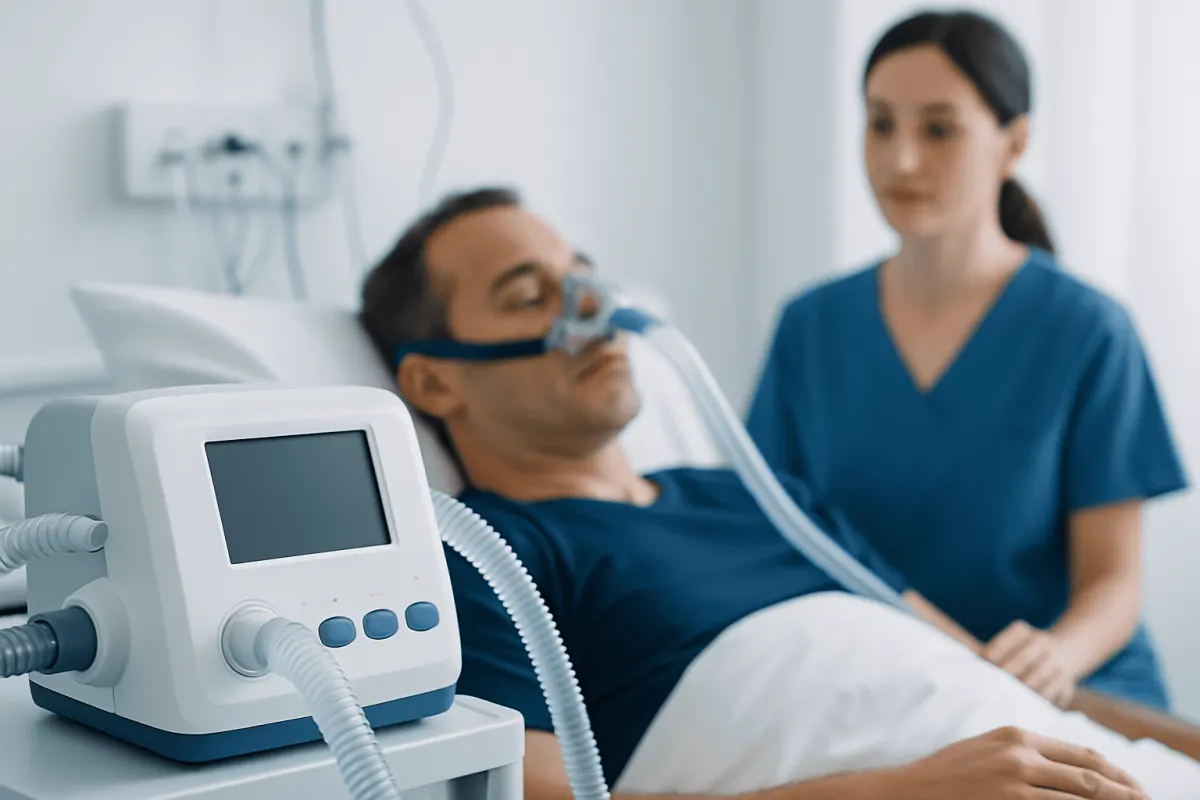
Treatment is individualized. Depending on the findings, options can include weight management where appropriate, positional strategies, reducing alcohol near bedtime, treatment for nasal obstruction, an oral appliance fitted by a qualified dental professional, or positive airway pressure therapy. Continuous positive airway pressure (CPAP) treatment uses gentle pressurized air to help keep the upper airway open during sleep.
A specialist may discuss upper-airway procedures in selected situations when anatomy contributes to obstruction or when non-surgical therapies are unsuitable. Decisions should be based on the full sleep-study report, symptoms, preferences, and medical needs rather than the AHI number alone.
Practical Steps While Awaiting Assessment
People who snore or suspect sleep apnea can take a few low-risk steps while arranging medical advice. Keeping regular sleep hours, avoiding alcohol close to bedtime, and reviewing sedating medicines with the prescribing clinician may reduce sleep-related airway relaxation. Medicines should not be stopped without professional guidance.
Sleeping on the side may reduce breathing events for some people whose AHI is much higher while lying on the back. Managing nasal congestion with clinician-recommended measures can also make breathing more comfortable, although it does not replace treatment for confirmed sleep apnea.
Weight reduction may improve obstructive sleep apnea for some people with excess weight, but sleep apnea can persist even after weight changes. A healthy, sustainable approach is more useful than quick-fix products or unregulated devices. Anyone considering an oral device or other sleep-apnea product should seek advice from a qualified sleep clinician or dental professional.
When to Seek Medical Care
Medical review is appropriate for regular loud snoring with witnessed pauses, choking or gasping during sleep, ongoing unrefreshing sleep, or sleepiness that affects work, school, driving, or daily activities. It is especially important to seek assessment when these symptoms occur alongside high blood pressure, heart disease, stroke history, diabetes, or other long-term health conditions.
Urgent medical advice is needed if excessive sleepiness makes driving or operating machinery unsafe. A person should avoid driving when they feel unable to stay alert and should speak with a healthcare professional promptly. Sudden severe shortness of breath, chest pain, fainting, or new neurological symptoms require urgent emergency evaluation rather than waiting for a sleep assessment.
For international patients, Acıbadem Health Point’s multidisciplinary specialists and JCI-accredited hospitals can assess sleep-related breathing concerns and coordinate appropriate diagnostic testing and treatment planning. The goal is to understand the individual pattern of sleep disruption and provide care suited to the person’s wider health needs.
Frequently asked questions
01Is an AHI of 5 considered sleep apnea?
In adults, an AHI of 5 events per hour is commonly the threshold at which mild sleep apnea may be considered. However, a clinician interprets this result alongside symptoms, oxygen levels, medical history, and the type of test used. A value near this threshold does not automatically mean that treatment is needed.
02Can someone have sleep apnea with a normal AHI?
Yes, some people have sleep-related symptoms that are not fully explained by AHI alone. Events may be missed on a home test, or sleep disruption may be caused by flow limitation, upper airway resistance, insomnia, restless legs syndrome, or another condition. A healthcare professional can decide whether further testing is appropriate.
03What is the difference between AHI and oxygen level?
AHI counts breathing events per hour of sleep, while oxygen level shows how much oxygen is circulating in the blood during sleep. A person can have a similar AHI to someone else but experience different oxygen changes. Doctors review both measurements because they provide different information about sleep-related breathing.
04Can AHI change from one night to another?
Yes. AHI can change with body position, alcohol use, nasal congestion, medication effects, sleep stage, and night-to-night variation in sleep. This is why results are interpreted with symptoms and other sleep-study findings rather than as a completely fixed number.
05Does mild sleep apnea always need treatment?
Not always, but mild sleep apnea still deserves discussion with a clinician if it causes symptoms or occurs with relevant health conditions. Treatment may focus on lifestyle measures, positional therapy, an oral appliance, CPAP, or monitoring, depending on the individual. The best approach depends on how sleep apnea affects health and quality of life.
06Can a smartwatch measure AHI accurately?
Consumer wearables may provide information about sleep patterns, snoring, or possible breathing irregularities, but they do not replace a validated sleep apnea test. Their estimates may not distinguish the type of event or accurately measure actual sleep time. A doctor can advise whether formal testing is needed.
This article is for general information only and is not a substitute for professional medical advice. Please consult a qualified doctor about your individual situation.
Explore treatments in Turkey — costs, top hospitals & a free quote
JCI-accredited · board-certified surgeons · reply within 24h
Add us as a Preferred Source to see more of our trusted health content across Google Search, AI Overviews and Discover.