

When Your Procedure Needs an Overnight Stay: What That Really Means
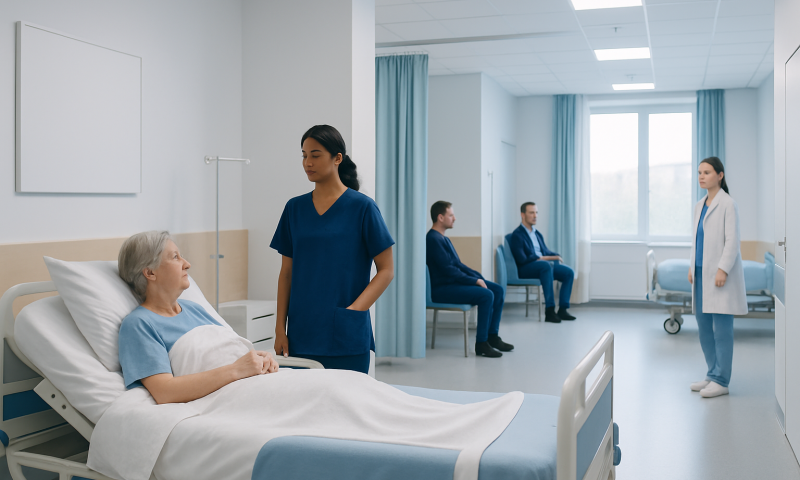
Medically reviewed by the Acıbadem clinical team — June 13, 2026
If your procedure needs an overnight stay, it usually means your care team wants a little more time to monitor you, manage comfort, and make sure you are ready to go home safely. For international patients, understanding what happens before, during, and after that stay can make the whole experience feel more manageable.
At a glance
- Typical reason for staying: Monitoring, pain control, observation, or a cautious discharge plan
- What to bring: ID, medication list, essentials, charger, and comfort items
- Who can help: Acibadem Health Point international patient services and interpreters
- When you can leave: After your team confirms you are stable, comfortable, and safe to travel or rest
- Best preparation: Plan one extra night in your travel schedule, even if discharge seems likely
What an overnight stay is really for
An overnight stay is not automatically a sign that something is wrong. In many cases, it is simply the safest way for your care team to keep an eye on how you are waking up, how you are feeling, and whether you are ready for the next step. For procedures that involve anesthesia, sedation, fluid changes, or a longer recovery window, a short hospital stay can be the most practical option.
You may also be asked to stay if your team wants time to check your pain control, mobility, wound area, or ability to eat and drink before discharge. For international patients, that extra time can be especially useful because it gives you a monitored bridge between treatment and travel.
At Acibadem Health Point, this kind of planning is built into the international patient journey. The goal is not to keep you longer than needed; it is to make sure you leave at the right time, with clear instructions and the support you need to continue recovery away from the hospital.
How to prepare before you arrive
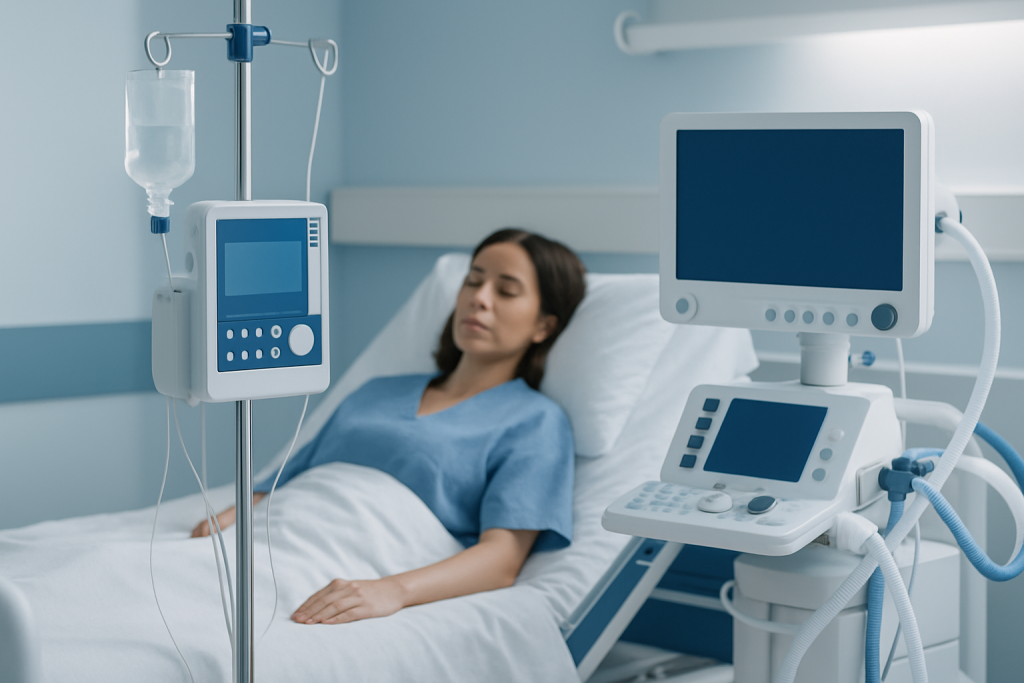
The easiest way to reduce stress is to assume you may stay one night, even if your procedure is planned as short. Pack as though you will need basic toiletries, loose clothing, your phone charger, a copy of your travel documents, and any regular medicines in their original packaging. If you wear glasses, hearing aids, or use assistive devices, keep them within easy reach.
It also helps to bring a simple medication list, including doses and timing. If you have allergies, past reactions to anesthesia, or conditions that affect sleep, breathing, movement, or blood sugar, make sure the team knows before your procedure begins. That information helps them plan the safest overnight care.
If you are traveling with a companion, agree in advance on who holds passports, cards, and important contact numbers. Acibadem Health Point’s international patient services can help coordinate arrival timing, transfer details, and accommodation planning so you are not trying to sort logistics while you are preparing for treatment.
What happens during the night in hospital
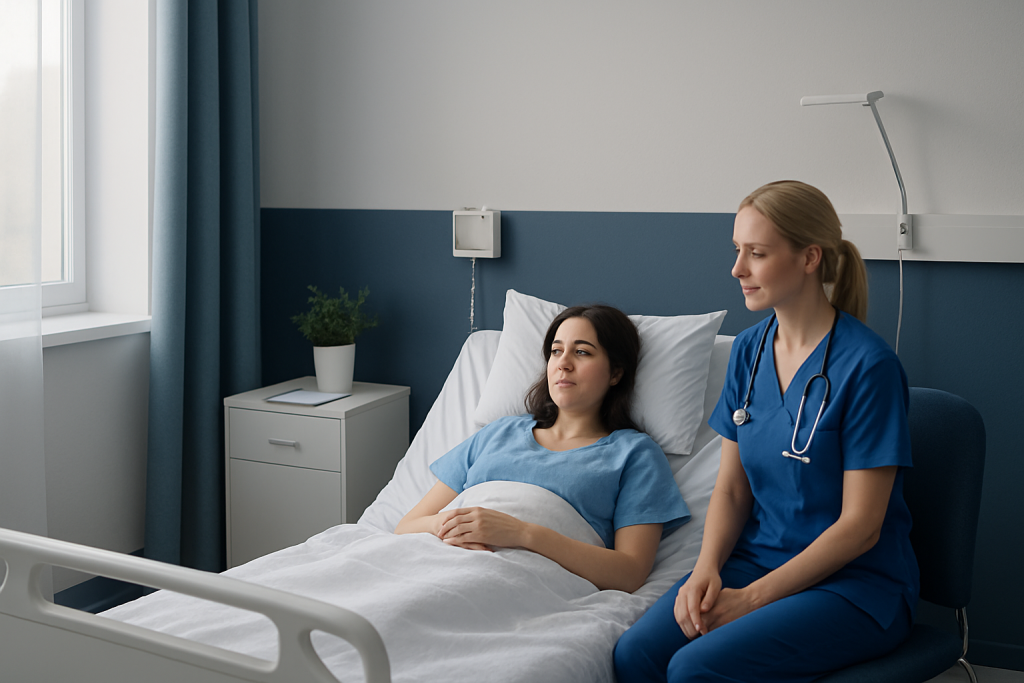
Once you are settled in, the overnight routine is usually calm and practical. Nurses may check your vital signs, pain level, fluid intake, and how you are recovering from anesthesia or sedation. You may have instructions about when to drink, eat, walk, or rest, depending on your procedure and your personal recovery plan.
Do not be surprised if the team asks you the same questions more than once. Repeating details about medication, allergies, or how you feel is part of normal safety practice. If you are uncomfortable, cold, nauseated, dizzy, or anxious, say so early; small adjustments are often easier than waiting until symptoms build.
Many international patients find it reassuring that Acibadem hospitals are used to supporting people who are away from home and may not speak Turkish. Interpreters and multilingual staff can help you understand instructions, ask questions, and feel more confident about what is happening during the night.
How discharge decisions are made
Leaving the hospital is usually based on a short set of practical checks rather than a clock. Your team will want to see that you are awake enough, stable enough, and able to manage basic needs safely. They may also want to confirm that pain, nausea, bleeding risk, or mobility concerns are within expected limits for your procedure.
If you need to start new medicines, your team will explain how and when to take them, what side effects to watch for, and which medications you should pause or continue. This is also the point where you should ask about bathing, lifting, driving, flying, and any activity you should avoid.
For international patients, discharge planning should include a realistic look at your next 24 to 72 hours. If you are staying in a hotel or traveling onward, it is sensible to choose accommodation that allows you to rest easily and return for follow-up if needed. Acibadem Health Point can help you think through these details before you leave the ward.
What to expect after you leave the hospital
The first day after an overnight stay often feels a little slower than people expect. You may still feel tired from anesthesia, less hungry than usual, or cautious with movement. That does not necessarily mean there is a problem; it often means your body is still settling back into normal rhythm.
Follow the discharge instructions exactly, even if you feel well. Drink and eat as advised, take medicines on schedule, and rest in a way that protects the treated area. If you are traveling home soon, avoid overpacking your day with sightseeing or long transfers; recovery time is part of the treatment plan, not an interruption to it.
Know the warning signs your team wants you to watch for, and keep the emergency contact details close by. If you are staying in Turkey for a few days after treatment, having a clear line to Acibadem Health Point makes it easier to handle small questions quickly and avoid unnecessary worry.
Questions worth asking before you agree to stay overnight
It is reasonable to ask what the overnight stay is meant to achieve, how long you are likely to remain, and what would change the plan. You can also ask whether you will need help with walking, eating, bathing, or getting dressed, and whether someone can stay with you.
For international patients, ask about interpreter support, discharge paperwork in English, and how follow-up will work once you are back home. If you will need a family member or companion to help after discharge, make sure they understand the instructions too.
A useful question is, “What should make me call you after I leave?” That one sentence often surfaces the practical details people forget in the moment, especially when they are tired, relieved, or trying to get to a flight on time.
Step by step
- Plan for one extra night. Even if the procedure is expected to be short, build flexibility into your travel plans. An overnight stay can happen because your team prefers caution, not because the procedure has gone wrong.
- Pack for comfort and clarity. Bring essentials you would want for a calm hotel night: loose clothing, toiletries, phone charger, and a medication list. Keep passports, travel documents, and valuables organized so you are not searching for them after treatment.
- Share your health details early. Tell the team about allergies, regular medicines, implants, sleep apnea, diabetes, bleeding issues, or any previous anesthesia problems. Small details can change your overnight monitoring plan.
- Use the night to rest and ask questions. Once you are settled, let the nurses know if you feel unwell, worried, or confused. This is the best time to clarify discharge timing, medicines, eating rules, and movement restrictions.
- Check the discharge plan carefully. Before you leave, confirm what to take, what to avoid, and who to contact if symptoms change. Ask for instructions in a format you can read easily later, especially if you are traveling internationally.
- Choose recovery-friendly next steps. After discharge, avoid rushing into busy sightseeing, long transfers, or heavy activities. Give yourself a quiet place to recover, and keep your follow-up contact details close.
Your checklist
- A valid ID and travel documents
- A current medication list with doses
- Original packaging for regular medicines
- Loose, easy-to-wear clothing
- Phone charger and power adapter
- Basic toiletries and personal items
- Glasses, hearing aids, or other assistive devices
- A written list of allergies and prior reactions
- Emergency contact details in your phone and on paper
- A plan for your first night after discharge
Key takeaways
- An overnight stay is often a precaution, not a complication.
- The stay gives your team time to monitor recovery and manage comfort.
- Pack for a possible overnight even if your procedure is expected to be brief.
- Clear discharge instructions matter more than a fast departure.
- Acibadem Health Point can support language, logistics, and travel planning for international patients.
Frequently asked questions
Does an overnight stay mean my procedure was more serious than expected?
Not necessarily. Many procedures include an overnight stay simply because the team wants to monitor you after anesthesia, sedation, or a new medication plan. It is often a routine safety decision rather than a sign that something has gone wrong.
Can I have someone stay with me overnight?
In many cases, you can have a companion nearby or involved in discharge discussions, but hospital rules vary. If you think you will need emotional support or help remembering instructions, ask about the options before you arrive.
What if I feel well and want to leave earlier?
Your discharge depends on whether your care team feels it is medically safe for you to go. If you are eager to leave, ask what conditions still need to be met so you understand the timing rather than guessing.
Will I get instructions in English?
Acibadem Health Point works with international patients regularly, and multilingual support is often available. Ask for written discharge instructions in a language you can review later so you do not have to rely on memory alone.
Can I fly soon after an overnight stay?
Sometimes yes, but it depends on the procedure, your recovery, and your team’s advice. Before booking travel, confirm whether you need extra rest, a follow-up check, or a longer wait before flying.
What should I do if I notice a problem after I leave?
Use the contact details on your discharge papers and follow the instructions you were given. If you have severe symptoms or anything urgent, seek emergency care right away rather than waiting to see if it improves.
More Patient Guides

What to Bring for a Hospital Stay in Turkey
Pack confidently for your hospital stay in Turkey with this practical checklist, travel tips, and what Acibadem Health Point can help arrange.
8 min read
Planning Your Recovery Stay in Istanbul
Plan a smoother recovery stay in Istanbul with practical tips on lodging, mobility, support, follow-up, and international patient services.
8 min read
Hospital Room Amenities and In-Stay Essentials
Know what to expect from your hospital room, what to pack, and how Acibadem Health Point supports a comfortable stay in Turkey.
8 min read
