

How to Stay in Touch with Your Doctor After Returning Home

Medically reviewed by the Acıbadem clinical team — June 12, 2026
Returning home after treatment does not mean your care has to stop. This guide shows you how to keep communication clear, timely, and organized so you can manage recovery with confidence from another country.
At a glance
- Best for: International patients arranging follow-up after treatment abroad
- Main goal: Keep your care team updated and your recovery plan on track
- Common tools: Email, patient portal, phone, video calls, and secure messaging
- What to prepare: Discharge notes, medication list, test results, and questions
- When to escalate: New symptoms, wound concerns, medication issues, or urgent changes
Why follow-up matters once you are back home
The day you fly home is often the day practical questions start to appear. You may feel better overall, but still need reassurance about symptoms, wound care, medicines, activity limits, or the timing of your next check-in. Staying in touch with your doctor gives you a direct line back to the team that knows your case.
For international patients, follow-up is not only about medical reassurance. It also helps you bridge time zones, language differences, and the gap between your treatment destination and your local healthcare system. Acibadem Health Point supports this transition with international patient services, interpreters, and coordinated communication so your recovery plan does not become a guessing game once you are home.
Think of follow-up as part of the treatment, not an optional extra. Clear communication can help you spot issues early, understand what is normal for your recovery, and know when local care or urgent help is needed.
Set up the communication plan before you leave
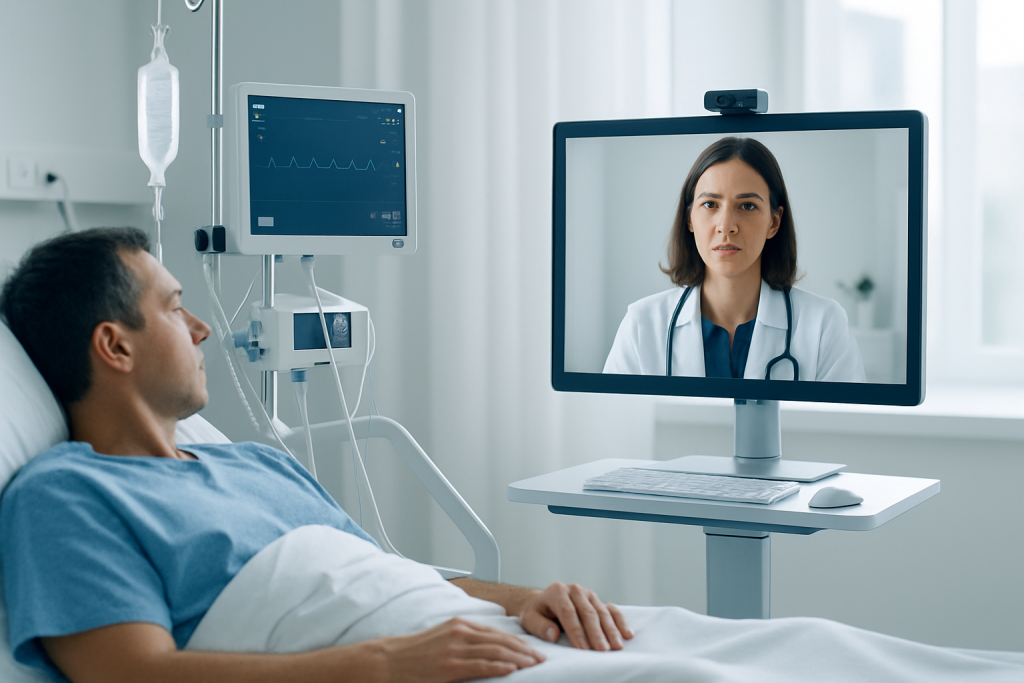
The easiest time to organize follow-up is before you board your return flight. Ask your care team how they prefer to hear from you, who will answer non-urgent questions, and what to do if you need help outside normal office hours. If you are traveling through Acibadem Health Point, this is also the time to confirm your contact person, interpreter access, and the best way to share documents safely.
Write down the basics while everything is still fresh: the names of your medications, how often you should take them, the date of any planned review, and any red-flag symptoms you were told to watch for. If you received scans, lab results, or discharge instructions, keep both digital and paper copies. A small folder in your hand luggage and a backup on your phone can save time later.
It also helps to check practical details. Make sure your phone will work abroad, confirm the time difference, and save the clinic number in a labeled contact list. If you expect to send photos of a wound, dressing, rash, or swelling, ask in advance which format is preferred and whether a secure channel is available.
Choose the right way to reach your doctor

Not every question needs the same kind of contact. A medication refill or a routine clarification may be fine by email or secure messaging, while new symptoms might call for a same-day phone conversation or video review. When you know the difference, you can avoid delays and reduce back-and-forth.
- Email or portal message: Good for non-urgent updates, document sharing, and questions that do not require immediate advice.
- Phone call: Useful if you need a quick answer or if your symptoms are changing and you want real-time guidance.
- Video appointment: Helpful for visual checks, such as incision review, mobility questions, or showing medication-related concerns.
- Local doctor visit: Best when you need hands-on examination, tests, prescriptions, or urgent assessment in your country.
Acibadem Health Point can help you understand which channel is most appropriate for your situation and how to share information in a way that is efficient for both you and the clinical team. The goal is not to overload one contact method with everything, but to match the issue to the right level of attention.
If you are unsure where a concern belongs, err on the side of asking. A short message is better than waiting until a problem grows larger or harder to explain.
What to send when you need clinical advice
The more clearly you describe the issue, the easier it is for your doctor to help. Start with the basics: what has changed, when it started, how severe it is, and whether anything makes it better or worse. If you can, include a photo or a short video that shows the concern from a clear angle and in good light.
It is also useful to share numbers and facts rather than impressions alone. For example, note your temperature, pain level on a simple scale, blood pressure if you have been asked to monitor it, or the number of times a symptom has occurred. Mention whether you are able to eat, sleep, walk, or take medication as instructed.
Keep your message organized. A short structure works well: what is happening, when it started, what you have done, and what you need from the doctor. This helps the team respond quickly and avoids a string of separate messages that are hard to follow across time zones.
Handling time zones, language, and local care
International follow-up works best when you plan for the reality that your doctor may be asleep when you are awake. Ask which hours are best for non-urgent replies and whether there is a backup contact for administrative or language support. If you need an interpreter, confirm this before the first follow-up call so you are not trying to explain symptoms in a rush.
You should also know when to switch from remote follow-up to local care. If you need an examination, urgent tests, a new prescription that cannot be issued internationally, or immediate physical assessment, your local doctor or emergency department may be the right next step. Acibadem Health Point can help you frame the information you share locally so your home-based clinician understands the treatment you already received.
Bring your discharge summary, procedure notes, medication list, and any follow-up recommendations to appointments at home. That documentation gives your local team a clearer picture and helps them avoid repeating tests or missing important details.
Track your recovery in a simple, repeatable way
Recovery becomes easier to manage when you track it in a small, consistent format. You do not need a complicated app unless you want one; a notebook, calendar, or phone note can be enough. Record daily symptoms, medication times, temperature if advised, wound changes, activity level, and any questions that come up.
This record is especially helpful when you contact your doctor days or weeks later. Instead of trying to remember when the discomfort started or whether the swelling has improved, you can give a more accurate timeline. That kind of detail often saves time and leads to better guidance.
Share the log during follow-up if asked, and keep it going until your team says you can stop. If you are traveling for care through Acibadem Health Point, you can use the same information to coordinate between your hospital team and your local doctor, making your recovery feel more continuous rather than split across two countries.
Know which changes should not wait
Some questions can wait for a planned reply, but some should be raised quickly. Sudden shortness of breath, chest pain, fainting, heavy bleeding, high fever, increasing redness or discharge from a wound, severe pain, or a rapidly worsening symptom should not sit in a message thread for later review. In those cases, seek urgent local medical help right away and contact your treating team as soon as possible.
Even less dramatic changes can matter if they are new or persistent. Medication side effects, trouble keeping fluids down, repeated vomiting, or a symptom that interrupts sleep may need prompt advice. The safest habit is to ask early when something feels out of pattern for your recovery.
Remember that remote follow-up supports care, but it does not replace emergency services. If you are ever in doubt about the seriousness of a symptom, treat it as urgent until a clinician tells you otherwise.
Keep your records ready for the next stage of care
Your follow-up information is not just for the first few days after you return home. It can help if you need a review months later, if your local physician asks what happened abroad, or if you travel again for another appointment. Keep a single folder with discharge documents, imaging, pathology or lab results, medication changes, and your contact history with the hospital.
It is a good idea to save everything in two places: a physical folder and a secure digital copy. Label files clearly so you can find them fast in an urgent moment. If you received care through Acibadem Health Point, having your documents organized also makes it easier for the international patient team to support any future communication.
Good records reduce stress. They also help you tell a consistent story about your treatment, which matters when you are explaining your care to a new doctor at home or asking for clarification from the team that treated you.
Step by step
- Confirm your follow-up contact before you leave. Ask who to contact, how to reach them, and what hours are best for non-urgent questions. Save those details in your phone and on paper before you travel.
- Collect every discharge document. Make sure you leave with your discharge summary, medication list, aftercare instructions, and any test or scan results you were given. Keep digital backups in case papers are misplaced during travel.
- Create a simple symptom log. Track pain, temperature, wound changes, medication times, and any new symptoms once you are home. A short daily note gives your doctor a clearer view than memory alone.
- Use the right channel for the right issue. Send routine questions by secure message or email, and choose phone or video for concerns that need quicker attention. If symptoms are urgent, contact local emergency services first.
- Share updates clearly and briefly. State what changed, when it started, what you have already tried, and what you need from the doctor. Add photos or videos only if they help show the problem clearly.
- Loop in your local doctor when needed. If you need an exam, tests, or treatment that must happen at home, bring your records and share the summary from your overseas team. This keeps your care connected across both settings.
- Keep documents for future reference. Store your records in one folder so you can find them later for travel, second opinions, or ongoing care. Good organization reduces confusion and helps you move quickly if another appointment is needed.
Your checklist
- Doctor contact details saved in your phone and written on paper
- Discharge summary and follow-up plan copied and backed up
- Medication list with doses, timing, and start/stop dates
- Any wound-care, activity, or diet instructions clearly noted
- Time-zone difference checked before your first follow-up message
- Interpreter or translation support arranged if needed
- Local doctor or clinic identified in case you need an in-person review
- Emergency warning signs reviewed and understood
- Secure folder created for scans, results, and photos
- Questions written down before each follow-up contact
Key takeaways
- Follow-up is part of treatment, especially when you return home to another country.
- Plan communication before discharge so you know who to contact and how.
- Use the right channel for the issue: message for routine questions, call or video for more active concerns.
- Keep a simple symptom log and save all documents in one place.
- Seek urgent local care for serious or rapidly worsening symptoms.
- Acibadem Health Point can support international patients with coordinated communication, interpreters, and organized aftercare.
Frequently asked questions
How often should I contact my doctor after returning home?
It depends on your treatment plan and how your recovery is going. Some patients only need a scheduled review, while others may need more frequent check-ins in the first days or weeks. Follow the schedule you were given, and contact your team sooner if anything changes unexpectedly.
What should I include in my first follow-up message?
Start with your name, the date of your treatment, and a short update on how you feel. Then mention any symptoms, medication questions, wound changes, or concerns you want reviewed. If possible, attach a photo or document that helps explain the issue.
Can my doctor treat me remotely if I am already back in my home country?
They can often advise you, review photos, explain results, and help you understand next steps. However, some issues still need an in-person exam, tests, or prescriptions from a local clinician. Remote follow-up works best as part of a wider care plan, not a replacement for local emergency or hands-on care.
What if I do not speak the same language well enough to explain my symptoms?
Ask whether interpreter support is available before your appointment or message exchange. Short, structured updates, photos, and translated notes can also help reduce confusion. Acibadem Health Point’s international patient services can assist with communication planning so you are not trying to manage language barriers on your own.
Should I contact my local doctor even if I have an overseas follow-up team?
Yes, if you need an examination, urgent care, or anything that must be managed locally. Your home-based doctor can work alongside your overseas team when you share your records and treatment summary. This is often the safest way to handle issues that cannot be fully assessed remotely.
How long should I keep my treatment records?
Keep them for as long as they may be useful for future care, travel, or second opinions. At a minimum, hold onto discharge notes, medication details, and key test results in both paper and digital form. If you need later follow-up, these records can save time and reduce confusion.
More Patient Guides

What to Bring for a Hospital Stay in Turkey
Pack confidently for your hospital stay in Turkey with this practical checklist, travel tips, and what Acibadem Health Point can help arrange.
8 min read
Planning Your Recovery Stay in Istanbul
Plan a smoother recovery stay in Istanbul with practical tips on lodging, mobility, support, follow-up, and international patient services.
8 min read
Hospital Room Amenities and In-Stay Essentials
Know what to expect from your hospital room, what to pack, and how Acibadem Health Point supports a comfortable stay in Turkey.
8 min read
