

How to Build a Local Follow-Up Plan Before You Book Your Flight

Medically reviewed by the Acıbadem clinical team — June 13, 2026
If you are traveling for care, your trip should include a clear plan for what happens after you fly home. This guide helps you organize local follow-up before you book, so your recovery, records, and next steps are easier to manage from day one.
At a glance
- Best for: International patients who want a smooth handoff to care at home
- Main goal: Set up follow-up appointments and support before you travel
- When to start: As soon as you are considering treatment abroad
- Who should help: Your home doctor, specialist, and international patient coordinator
- What to prepare: Records, contact details, warning signs, and a written aftercare plan
Why your follow-up plan should exist before you leave home
The easiest time to arrange follow-up is before you are busy recovering, packing, or trying to explain your treatment over the phone from another country. When you know who will see you at home, how soon you should be checked, and what information they need, your return feels much less uncertain.
A good follow-up plan is not only about finding a doctor. It is about making sure your home-care team can pick up where your treating team left off, with enough detail to monitor healing, adjust medications if needed, and know what is normal for your situation. That matters whether you are coming back after a minor procedure or a more complex treatment.
At Acibadem Health Point, international patient services can help you gather discharge documents, explain your aftercare instructions, and prepare a handover that is easier for your local clinician to use. The goal is not to overwhelm you with paperwork; it is to help the right information reach the right person at the right time.
Start with the person who will actually see you after the trip
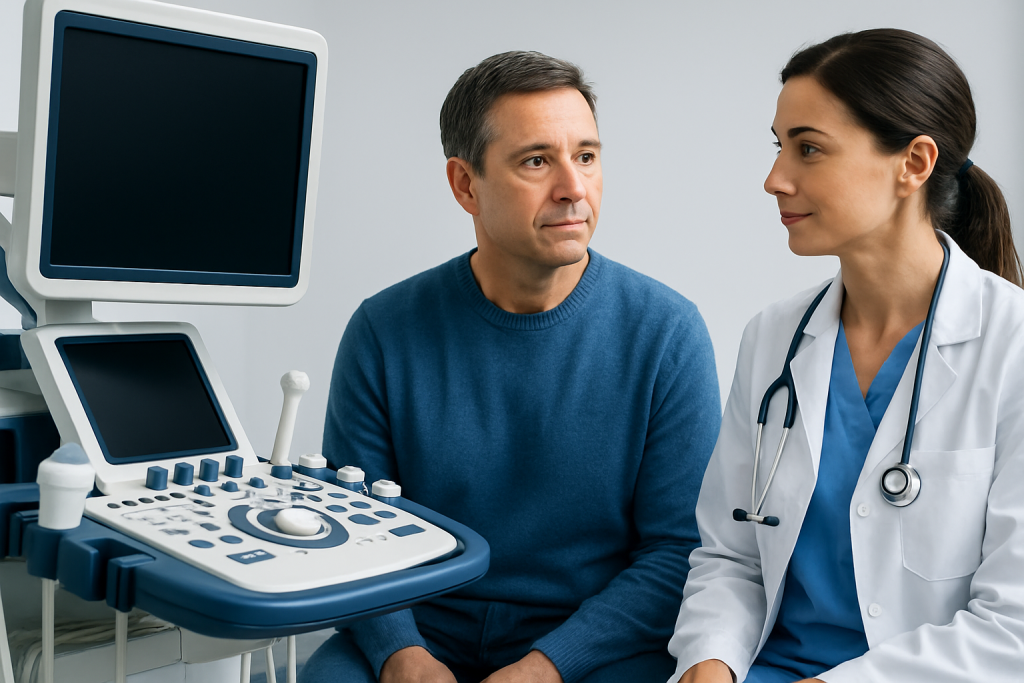
Before booking your flight, identify the local clinician who is most likely to follow your recovery. For some people, that is a primary care doctor. For others, it is a specialist, a rehabilitation therapist, a wound-care nurse, or a local hospital team that already knows their medical history.
Once you have that name, ask a simple question: are you willing to review my treatment abroad and handle follow-up if I need it? Some providers are happy to do this; others may prefer shared care with a specialist referral. Knowing that early helps you avoid a stressful search after you return.
If you do not yet have a local doctor, look for one before travel rather than after. Use your insurance network, past referrals, or trusted community recommendations, and ask whether the practice can accept records in English or through a translator. Acibadem Health Point can support you with documentation that is clear and organized for handoff.
Build a record pack your home team can understand

Your local doctor does not need every message you exchanged during planning, but they do need the essentials. Ask for a discharge summary, procedure notes if relevant, medication list, test results, imaging reports, and any follow-up instructions that explain activity limits, wound care, or warning signs.
Keep both digital and printed copies if you can. A small folder in your carry-on plus a secure cloud copy is usually enough. Make sure names, dates, and contact details are easy to find, because your local clinician may need to call the treating center for clarification.
If you are seeing a provider in another language, request an English version or a translated summary before you leave. This is one of the simplest ways to reduce confusion later, especially if you need a prescription adjusted or a symptom reviewed urgently.
- Discharge summary
- Medication list with doses and timings
- Test results and imaging reports
- Aftercare instructions
- Emergency contact numbers
Map the timing: first check, second check, and what comes after
Follow-up works best when it is planned in stages. Before you travel, ask when your first review should happen after you get home, whether that is in a few days, one to two weeks, or another timeframe based on your treatment. If you need ongoing monitoring, add a second appointment now so the calendar is not left to chance.
This is also the time to ask what can be monitored remotely. Some care plans rely on photos, symptom updates, blood tests, or a local scan that is then reviewed by the treating team abroad. If your follow-up includes any of these steps, write down the deadlines so you do not miss them while you are settling back in.
Acibadem Health Point’s international patient coordinators can help you understand which parts of your aftercare need in-person review and which can be discussed remotely. That kind of planning is especially helpful when time zones, work schedules, or travel fatigue make coordination harder than expected.
Know which symptoms need quick action and which can wait
Every recovery has a normal range, and it helps to know that range before you board your flight home. Ask your treating team to explain what is expected, what should prompt a call, and what needs urgent medical attention. Write these instructions in plain language rather than relying on memory.
Include practical details such as swelling, pain, fever, bleeding, shortness of breath, wound changes, or new medication side effects if they apply to your case. If you have a chronic condition, ask how your usual symptoms may change during recovery and what would be unusual for you personally.
A local follow-up plan should also name who to contact first. In many cases, that is your local doctor during office hours and emergency services if symptoms are severe. Keeping the pathway simple means you are less likely to delay care because you are unsure where to start.
Don’t forget the non-medical pieces that affect recovery
Recovery is easier when the logistics are quiet. Before you travel, think through transportation to follow-up appointments, help at home, meal preparation, pharmacy access, and any mobility needs you may have in the first days back. These details sound small, but they shape whether you can actually attend the appointments you have planned.
If you will need an interpreter, ask now whether your local clinic can provide one or whether a family member is acceptable for basic communication. If you expect to pay out of pocket, confirm how billing works and whether the clinic needs any pre-authorization or referral paperwork. These steps can prevent last-minute delays.
Acibadem Health Point often supports international patients with travel and accommodation planning before treatment, and the same organized approach helps after treatment too. When your discharge and homeward plans are aligned, you are not left improvising while still healing.
Use your follow-up plan to keep the handover calm and complete
A strong follow-up plan should make your return feel like a handoff, not an ending. The treating team abroad should know where records will go, and your local team should know what to expect in the first days and weeks after you arrive home. That shared understanding is what keeps small issues from becoming bigger ones.
If anything about your travel schedule changes, update your plan before you depart. A delayed flight, a longer stay, or a new symptom may affect when your first check should happen. Having one named contact at Acibadem Health Point can make that adjustment easier, because you are not trying to coordinate through multiple channels while on the move.
When the plan is done well, you should feel more settled, not more burdened. You know where to go, what to bring, who to call, and what your next step is. That is the real purpose of planning follow-up before you book your flight.
Step by step
- Choose your local follow-up clinician. Identify the doctor, specialist, or clinic that will likely see you after you return home. Contact them early to confirm whether they can review records from abroad and whether they need a referral.
- Ask your treating team for a discharge package. Request a clear set of documents before departure, including summaries, medication details, and any recovery instructions. If needed, ask for an English version so your local team can use it easily.
- Schedule the first check before you travel. Do not leave the first follow-up open-ended if you can avoid it. Book an appointment or at least secure a tentative slot that fits your expected arrival and recovery timeline.
- Write down warning signs and contact routes. Ask which symptoms are normal, which need a clinic call, and which require urgent care. Keep those instructions with your passport, phone, and discharge papers so they are easy to find.
- Organize your practical support at home. Plan how you will get to appointments, collect medications, and manage rest during the first few days back. If you need an interpreter, caregiver, or home visit, arrange it now rather than after you land.
- Set up a backup plan for delays or changes. Travel plans can shift, and recovery can be unpredictable. Decide in advance who will update your local clinician if your flight changes or if you need a different follow-up date.
Your checklist
- Named local doctor or specialist confirmed
- First follow-up appointment scheduled or tentatively held
- Discharge summary and treatment records requested
- Medication list and doses copied for home use
- Warning signs and emergency contacts written down
- English translation requested if needed
- Transport to first appointment arranged
- Pharmacy or prescription plan confirmed
- Backup contact at Acibadem Health Point noted
Key takeaways
- Build your local follow-up plan before you book the flight, not after you arrive home.
- Choose the clinician who will actually see you and confirm they can review your records.
- Bring a complete, easy-to-read discharge package in printed and digital form.
- Know your warning signs and the exact route to urgent help if needed.
- Plan the practical side too: transport, prescriptions, interpreter support, and appointment timing.
- Acibadem Health Point can help you organize the handover so your aftercare feels coordinated.
Frequently asked questions
When should I start planning follow-up care at home?
Start as soon as you are considering treatment abroad. The earlier you identify a local clinician, the easier it is to confirm timing, paperwork, and any special monitoring you may need after you return.
What documents should I ask for before I leave?
At minimum, ask for a discharge summary, medication list, test results, and written aftercare instructions. If you had imaging, procedures, or lab work, include those reports too so your local provider has a complete picture.
Should I book my first follow-up appointment before I travel?
Yes, if possible. Even if the date may need adjusting, having a planned first review makes your return much more organized and helps avoid gaps in care.
What if my local doctor is not familiar with treatment done abroad?
That happens often, and it is manageable when the records are clear. Ask Acibadem Health Point for concise documentation in English and share the treating team’s contact details so your local doctor can clarify anything specific.
How do I know whether a symptom is normal after I get home?
Ask for a plain-language list of expected symptoms and red flags before you leave. If something feels worse than you were told to expect, or if you are unsure, contact your local clinician promptly rather than waiting.
Can Acibadem Health Point help after I return home?
Yes, international patient services can help support the handover process with documentation and guidance. While your local clinician will manage care at home, having a clear line of communication can make coordination easier.
More Patient Guides

Nachsorge, die Sie zu Hause selbst durchführen können: Welche Behandlungen erfordern eine persönliche Nachkontrolle?
Erfahren Sie, welche Nachsorge zu Hause möglich ist, welche persönlich kontrolliert werden muss und wie Sie auch nach der Reise mit Ihrem…

Nachsorge-Lücken vor der Wahl einer Behandlung im Ausland prüfen
Prüfen Sie vor Ihrer Reise die Nachsorgelücken: Kontrolltermine, Unterlagen, Medikamente, Rehabilitation und wer Sie nach der Rückkehr zu Hause unterstützt.

Aktivitätsgrenzen nach der Behandlung: Was Patienten vermeiden sollten
Erfahren Sie, welche Aktivitäten Sie nach der Behandlung vermeiden sollten, wann Sie sich ausruhen sollten und wie Sie mit klaren, praktischen Nachsorgehinweisen…
Related Specialists

Dr. Safiye Sayilir
Physical Medicine & Rehabilitation
Dr. Özgün Barış Çolak
Physical Medicine & Rehabilitation
Prof. Dr. Meltem Vural
Physical Medicine & Rehabilitation
Prof. Dr. Meral Bayramoğlu
Physical Medicine & Rehabilitation