Planning Your Recovery Stay in Istanbul

Medically reviewed by the Acıbadem clinical team — June 12, 2026
If you are staying in Istanbul to recover after treatment, a little planning can make your days calmer and your follow-up easier. This guide walks you through accommodation, transport, support, and the small logistics that matter once the procedure is behind you.
At a glance
- Best for: International patients planning time in Istanbul after treatment
- Main focus: Comfort, mobility, follow-up, and practical daily support
- Typical needs: Accommodation, transport, medication timing, rest, and communication
- Helpful support: Interpreters, appointment coordination, and travel assistance
- Who to contact: Your treating team and Acibadem Health Point international patient services
What a recovery stay in Istanbul really involves
A recovery stay is not just “extra time in a hotel.” It is the stretch between treatment and the point where you are ready to travel home, and it often includes check-ins, wound care instructions, medication schedules, limited movement, and a few unexpected questions along the way. If you are coming from another country, that period can feel smoother when you treat it like a short, practical chapter with its own plan.
In Istanbul, many international patients use this time to stay close to their hospital, keep their appointments simple, and reduce the amount of energy spent on transport and decision-making. Acibadem Health Point can help you organize those details with JCI-accredited hospital care, international patient coordination, and interpreter support, so you are not trying to solve logistics while you are still tired.
The goal is not to over-plan every hour. It is to make sure the essentials are easy: where you will sleep, how you will get to follow-up visits, who will answer questions, and what you should do if your recovery feels different from what you expected.
Choosing the right place to stay
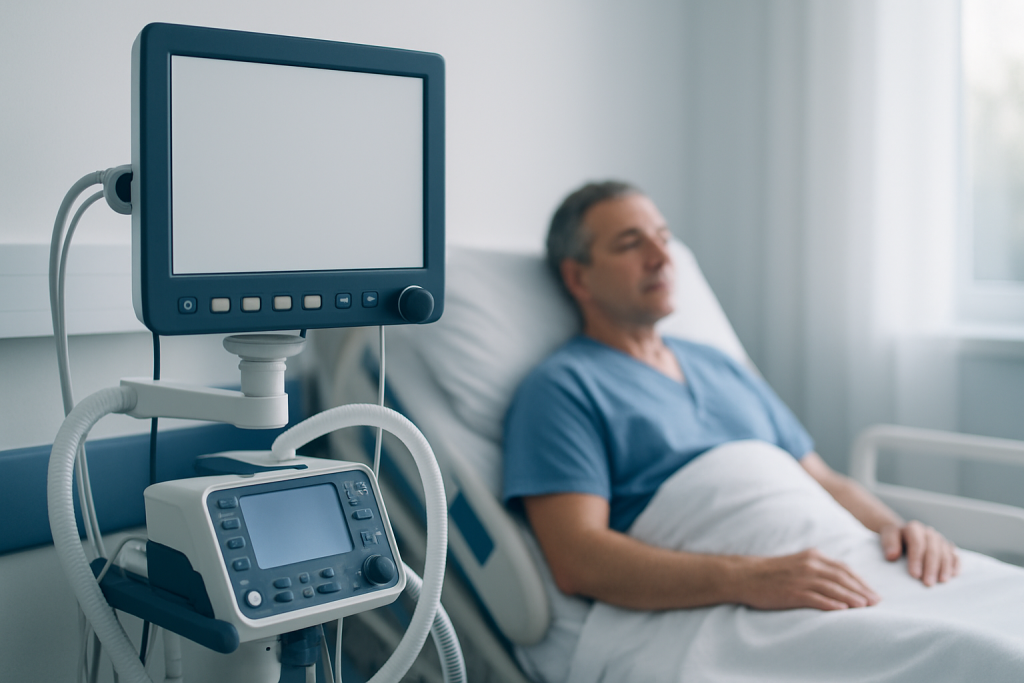
When you are recovering, location matters more than style. A room with a lift, a quiet environment, a comfortable bed, and an easy route to the hospital is usually more valuable than a long list of extras you will not use. If mobility is limited, ask about step-free access, bathroom layout, and whether there is space to rest without needing to move furniture around.
It also helps to think about the practical rhythm of your stay. If you need early appointments, choose accommodation with simple transport access. If you will be resting between visits, prioritize a calm setting with food options nearby or room service if you may not feel ready to go out every day.
Some patients prefer to stay close to their Acibadem hospital or arrange accommodation through the international patient team, which can make transfers easier. That can be especially useful if you are travelling with a companion, recovering from a procedure that limits movement, or expecting a few follow-up visits over several days.
- Check elevator access and room layout before booking.
- Ask how far the accommodation is from your hospital.
- Confirm whether late check-in or extended stay is possible.
- Keep the front desk number and hospital contact saved in your phone.
Building a day that supports healing

Recovery often goes better when the day has a gentle structure. You do not need a packed itinerary; you need enough rhythm to avoid missing medication, arriving late for appointments, or doing too much on a “good” day and feeling it later. Start by leaving room for rest before and after follow-up visits.
Small habits can help more than people expect. Keep water, medication, phone chargers, ID, and discharge papers in one easy-to-reach place. If you need help walking, standing for long periods, or carrying bags, plan for it ahead of time instead of improvising after you arrive.
In the first days after treatment, listen to your body and keep activity low-key. A short walk, a short shower, or a simple meal may be enough for the day. If your care team has given you movement restrictions, lifting limits, or wound-care instructions, follow those exactly and ask for clarification if anything is unclear.
Transport, interpreters, and other small details that matter
Getting around Istanbul can be straightforward when the route is planned, but it is not usually the right time to rely on guesswork. If you are sore, tired, or recovering with limited mobility, arrange transfers in advance and allow more time than you think you need. That applies to airport arrivals, hotel check-ins, hospital visits, and even short trips across the city.
Language should not be a barrier during recovery. Acibadem Health Point supports international patients with interpreters and patient coordinators, so you can understand instructions, ask questions, and confirm follow-up plans clearly. That is especially useful when you are dealing with medication changes, dressing instructions, or discharge paperwork in a second language.
Keep the essential information close at hand in both digital and paper form: appointment times, hospital addresses, emergency numbers, medication names, and the contact details for your coordinator. If you are traveling with a companion, share those details with them too, so they can help if you feel tired or uncomfortable.
What to prepare before you travel
A good recovery stay begins before you leave home. Bring the documents you are most likely to need: passport, travel insurance details if applicable, medical records, imaging, test results, medication lists, and any written instructions from your care team. It is also smart to pack copies, not just originals, in case you need to share information quickly.
For comfort, pack items that are small but useful: loose clothing, easy-to-remove shoes, a phone charger with a long cable, any prescribed supplies, and a few things that help you rest, such as earplugs or an eye mask. If you normally use mobility aids or need special toiletries, include those too rather than assuming you can replace them immediately on arrival.
You may also want to plan for the period after discharge, not just the days in Istanbul. Think about how you will fly home, whether you will need wheelchair assistance at the airport, and what your home recovery environment looks like once you land. A little thinking now can prevent a lot of stress later.
When to contact your care team
Recovery rarely follows a perfectly straight line. Some discomfort, fatigue, or swelling may be expected depending on the treatment you have had, but your team should tell you clearly what is normal for your situation and what is not. If anything changes in a way that worries you, do not wait for it to “settle” on its own without checking first.
Contact your hospital team or Acibadem Health Point international patient support if you are unsure about medication timing, wound care, movement limits, follow-up timing, or how to prepare for your flight home. If you are still in Istanbul, it is much easier to resolve questions early than to troubleshoot them once you have left.
Keep in mind that your recovery plan is part of your care, not an afterthought. The best outcome is often a well-managed transition: clear instructions, reliable follow-up, and enough support to help you leave feeling informed rather than rushed.
Making the return home easier
Your trip home should be treated as part of recovery, not the end of it. Before you leave Istanbul, confirm any restrictions for flying, lifting, sitting, or changing position during the journey. Ask how to manage medication across time zones and whether you need a letter or documents for airport security or your local doctor.
It helps to keep your discharge summary, treatment notes, and any follow-up instructions together in one folder. Once you arrive home, you will be glad to have a clear record if you need to speak with your local physician or arrange ongoing care. If your treatment plan includes remote follow-up, make sure you know who will contact you, how, and when.
Many patients find it reassuring to think of Istanbul as one stage in a longer care pathway. Acibadem Health Point can help bridge that gap with international patient services that support your stay, your follow-up, and the handover back home. That continuity is often what turns a complicated trip into a manageable one.
Step by step
- Confirm your follow-up schedule. Before you book accommodation, know how many days you are likely to stay and whether you need one or more review visits. Ask your team when you will be seen, what each visit is for, and how much flexibility you should allow in your travel plans.
- Choose a stay that fits your mobility. Look for easy access, quiet surroundings, and a layout that suits your recovery needs. If you expect to move slowly or need help standing, stairs and long walking distances are worth avoiding.
- Organize documents and medication. Keep all prescriptions, discharge papers, and test results together in one folder. Put your medications in a clear order, and make sure you understand when each one should be taken, especially if your routine changes after treatment.
- Plan transport before you arrive. Arrange airport transfers and hospital travel in advance if possible. Build in extra time so you are not hurrying while tired or uncomfortable.
- Use interpreter and coordinator support. If you prefer to discuss instructions in your own language, let the team know early. Acibadem Health Point can help with interpreters and coordination so you can focus on recovery rather than translation.
- Set up your home return in advance. Before discharge, ask what to expect during the flight and after you land. Make sure your home environment, follow-up contacts, and any local medical support are ready before you leave Istanbul.
Your checklist
- Passport and copies of key ID pages
- Medication list and prescriptions
- Discharge summary and follow-up instructions
- Travel insurance and emergency contacts
- Loose, comfortable clothing
- Chargers, adapters, and long phone cable
- Mobility aid or support items if needed
- Written questions for your care team
- Airport transfer or hospital transport details
- Contact information for Acibadem Health Point support
Key takeaways
- Recovery in Istanbul works best when accommodation, transport, and follow-up are planned together.
- Stay as close as practical to your hospital if you expect limited mobility or several reviews.
- Keep medication, documents, and contact details organized and easy to reach.
- Interpreter support can make discharge instructions and follow-up much easier to manage.
- Your return journey is part of recovery, so plan it before you leave the hospital.
Frequently asked questions
How long should I stay in Istanbul after treatment?
That depends on the treatment you have had, how your body responds, and whether you need follow-up checks before flying. Your team should give you a general timeframe, but it is wise to leave some flexibility in case recovery takes a little longer than expected.
Should I stay near the hospital or in a central area of Istanbul?
If you will need appointments, limited walking, or easy access to your care team, staying near the hospital is usually simpler. A central location may be fine if you are more mobile and already know your follow-up schedule, but travel time and energy should be part of the decision.
What should I do if I have questions after discharge?
Use the contact details you were given before leaving the hospital, and do not rely on searching online for answers to personal aftercare questions. If you are working with Acibadem Health Point, your international patient support contact can help direct you to the right team.
Can Acibadem Health Point help with interpreters and transport?
Yes, international patient services can help coordinate practical support such as interpreters, airport transfers, and accommodation guidance. That support is especially useful when you are recovering, because it reduces the amount of organizing you need to do on your own.
What should I pack for a recovery stay?
Bring documents, medications, comfortable clothes, chargers, and any items your care team told you to use during recovery. If you expect reduced mobility or sensitivity, pack for comfort rather than style and keep your essentials easy to access.
When is it safe to fly home?
That depends on your procedure, your symptoms, and your doctor’s advice. Ask specifically about flying, sitting for long periods, medication timing, and any warning signs that should delay travel.
More Patient Guides

Travel Insurance for Treatment in Turkey
Plan treatment in Turkey with confidence: learn how travel insurance works, what to check, and how to prepare for medical travel.
8 min read
Language Support for International Patients at Acibadem
Learn how interpreters, translated documents, and coordinated communication help you navigate care at Acibadem with confidence.
7 min read
Your Discharge Checklist After Treatment in Turkey
Use this discharge checklist to leave Turkey safely, with the right documents, medicines, follow-up plan, and travel advice.
8 min read