

Recovery Timeline by Treatment Type: What Changes Once You Go Home

Medically reviewed by the Acıbadem clinical team — June 13, 2026
Your recovery does not end when you leave the hospital or fly home. This guide explains what usually changes after you return, how timelines vary by treatment type, and how Acibadem Health Point can help you stay organized from a distance.
At a glance
- Best for: International patients planning recovery after leaving Turkey
- Focus: What changes once you are home, by treatment type
- Typical needs: Wound care, mobility limits, medication routines, and follow-up coordination
- Support available: International patient services, interpreters, travel and accommodation help
- When to seek help: Any new or worsening symptoms, fever, bleeding, chest pain, or breathing changes
- Main goal: Help you return home with a realistic recovery plan
Your recovery shifts the moment you leave the hospital
The hospital phase is structured, monitored, and predictable. Once you go home, the routine becomes more self-managed: you are responsible for medications, rest, wound care, follow-up appointments, and noticing changes that would have been checked by a nurse or clinician in person.
That shift can feel abrupt, especially if you are traveling internationally. At Acibadem Health Point, the aim is to help you leave with a clear aftercare plan, practical instructions, and a point of contact so you are not trying to interpret everything on your own from another country.
Most recovery questions are not really about a calendar alone; they are about what your body is able to do at each stage. Pain, swelling, fatigue, mobility, and the need for dressings or medication all change at different speeds depending on the treatment you had.
Why the timeline looks different from one treatment to another
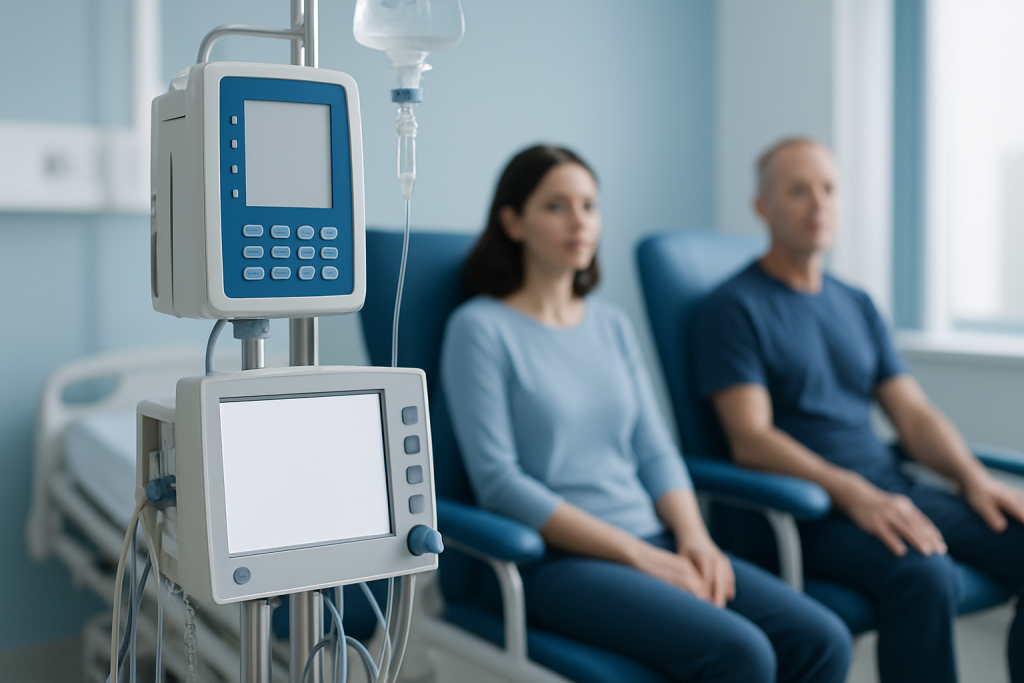
There is no single “normal” recovery schedule. A minor outpatient procedure, a joint operation, a dental treatment, and a longer surgical stay can all have completely different home-recovery patterns, even if they happened in the same hospital and under the same general care standards.
The biggest factors are how much tissue healing is involved, whether you need to limit movement, whether you have drains or dressings, and how soon you can safely return to daily activities. Your age, overall health, nutrition, sleep, and whether you smoke or manage another condition also matter.
A useful rule is to think in layers: first comes wound healing and symptom control, then function and stamina, and finally your return to normal routines. Some improvements happen quickly, while others are gradual and only become obvious over several weeks or months.
What the first 72 hours at home usually focus on

The first few days after discharge are often about keeping things simple. You are usually balancing rest, pain relief, hydration, light movement, and careful attention to the instructions you were given before traveling home.
If your treatment involved surgery, this period may include checking the incision, changing dressings, tracking swelling, and watching for signs that something is not settling as expected. If your treatment was non-surgical, the first days may instead be about managing soreness, staying off heavy activity, or monitoring how your body responds to medication.
It helps to prepare your home before you leave Turkey or before you arrive back: have medications filled, a thermometer available, easy meals on hand, and a place to rest that does not require climbing stairs or carrying heavy items. If you are traveling with Acibadem Health Point support, you can also coordinate any interpreter needs or post-discharge questions before departure.
How recovery differs by treatment type
Surgery and orthopedic procedures: These often require the clearest home restrictions. You may need to avoid lifting, twisting, driving, or long periods of standing, and you may be asked to use walking aids or physiotherapy exercises. Swelling and fatigue can last longer than people expect, even when the operation itself went smoothly.
Dental and maxillofacial treatments: Home recovery may center on diet changes, oral hygiene, swelling control, and avoiding pressure on the treated area. Many patients feel functional quickly, but comfort and eating habits can still change for several days or longer depending on the treatment.
Medical treatments and day procedures: If you did not have an incision or significant anesthesia recovery, the home timeline may be shorter, but you still need to watch for delayed side effects, medication reactions, or fatigue. The main task is not to “push through” too soon just because you are back in familiar surroundings.
Longer or multi-stage treatments: Some international patients travel home between stages or return for follow-up later. In these cases, the aftercare plan should clearly explain what is expected now, what can wait, and what would prompt earlier review.
Signs your body is on track, and signs you should not ignore
Progress is often subtle. You may notice that pain is easier to manage, swelling is slowly reducing, mobility is improving, or you need less support with basic tasks. These are the kinds of small gains that often matter more than a dramatic overnight change.
At the same time, you should take new or worsening symptoms seriously, especially after surgery or any treatment that involved anesthesia, medication changes, or an invasive procedure. Concerning changes can include fever, heavy bleeding, increasing redness, pus, worsening pain, shortness of breath, chest pain, fainting, confusion, or a sudden inability to move as expected.
If you are unsure whether what you are feeling is typical, it is safer to ask. Acibadem Health Point’s international patient services can help you understand where to direct a question, how to share photos or reports if needed, and how to arrange follow-up from abroad.
Planning follow-up when you are not nearby
Follow-up is one of the most important parts of international recovery, because the hospital team and your home life may be in different countries. Before you leave, make sure you know whether you need a wound check, suture removal, medication review, imaging, or a remote consultation.
It is also worth confirming which specialist should see you if there is an issue later: the operating doctor, the treatment team, your local doctor, or a general practitioner at home. If records need to be shared, keep discharge papers, test results, prescriptions, and imaging in one folder so they are easy to send.
For many patients, the most practical plan is a combination of home-country follow-up and one clear contact point at Acibadem Health Point for questions related to the original treatment. That way, your recovery stays connected even after the flight home.
How to make recovery easier before you travel
Good recovery planning starts before discharge. Ask for written instructions in language you can understand, confirm which medicines to continue or stop, and make sure you know what normal healing should look like over the next week, month, and beyond.
Pack your discharge documents in your hand luggage, not your checked bag. If you are flying, ask whether you need compression stockings, mobility support, or an escort, and check any travel advice tied to your treatment, such as seat positioning or movement breaks.
Acibadem Health Point’s international patient coordinators can also help with practical pieces that matter once the treatment is over: arranging interpreters for discharge discussions, helping you organize accommodation if your departure needs to be delayed, and keeping the handoff to your next care provider as orderly as possible.
Step by step
- Clarify your recovery phases before discharge. Ask what the first week, first month, and longer-term recovery should look like for your specific treatment. This makes it easier to tell the difference between expected healing and something that needs attention.
- Create a home plan for medication and rest. Set alarms, write down dosing times, and prepare a place where you can rest without overexerting yourself. If you share your home with others, let them know what help you may need in the first days.
- Organize all documents in one place. Keep discharge notes, prescriptions, test results, and any imaging together. If you need local follow-up, these records help another clinician understand what was done and what your hospital team recommended.
- Match activity to your treatment type. Do not rely on someone else’s recovery story as a benchmark. Your permitted walking, lifting, showering, driving, or exercise timeline should come from your own instructions.
- Watch for trend changes, not just single symptoms. A little discomfort can be normal, but worsening pain, growing swelling, or a temperature that rises over time deserves attention. Tracking symptoms daily can help you explain changes clearly if you need to contact your care team.
- Confirm how to reach your team from abroad. Before you leave, know the best email, phone number, or coordinator to contact if a concern comes up. Acibadem Health Point can help you identify the right route so you do not lose time searching from another time zone.
- Book follow-up before you forget. If a review visit or remote check-in is recommended, schedule it early. The easiest recovery plans are the ones with dates already on the calendar.
Your checklist
- Discharge instructions saved in both paper and digital form
- Medication list with clear doses and timing
- Emergency contact numbers for your hospital team and local care provider
- Dressings, wound supplies, or any mobility aids you were advised to use
- Travel arrangements that match your recovery limits
- A plan for who can help you at home during the first few days
- Translation support if you need it for follow-up conversations
- Copies of imaging, lab results, and procedure summaries
- A reminder set for each follow-up appointment
- A note of symptoms that should prompt urgent medical advice
Key takeaways
- Recovery timelines change by treatment type, not just by where you were treated.
- The first days at home are usually about medication, rest, wound care, and watching for changes.
- A clear follow-up plan matters even more when you are recovering in another country.
- Small improvements can be a better sign than dramatic overnight progress.
- New or worsening symptoms should be checked early rather than watched passively.
- Keep all discharge documents together so another clinician can understand your care quickly.
Frequently asked questions
Why does recovery feel different after I get home?
Once you leave the hospital, you lose the constant monitoring and structured routine that helped guide your early healing. At home, you have to manage medications, activity limits, and symptom tracking yourself, which can make recovery feel less predictable even when things are going well.
How do I know if my timeline is normal for my treatment?
The best reference is the discharge plan you were given for your specific procedure or treatment. If your pain, swelling, mobility, appetite, or energy are improving in the way your team described, that is usually reassuring; if they are worsening, you should ask for advice.
What should I do if I fly home soon after treatment?
Follow the travel advice you were given and make sure you have all documents and medicines in your hand luggage. If you are unsure whether your treatment allows immediate flying, confirm this before departure rather than assuming it is fine.
Do I need follow-up with the same team if I am already back in my country?
Often, yes, at least for part of the process. Some checks can be done locally, but your original team may still need to review healing, results, or symptoms, especially after surgery or more complex treatment.
What if my local doctor asks for more information from Turkey?
Keep your discharge summary, test results, and treatment notes ready to share. Acibadem Health Point can help international patients organize records so your local doctor has a clear picture of what happened and what was recommended.
When should I contact a doctor after I return home?
Contact a doctor if you develop fever, bleeding, worsening pain, redness, shortness of breath, chest pain, fainting, or any sudden change that feels out of step with your expected recovery. If the issue is urgent, seek immediate local medical care instead of waiting for a routine reply.
More Patient Guides

Nachsorge, die Sie zu Hause selbst durchführen können: Welche Behandlungen erfordern eine persönliche Nachkontrolle?
Erfahren Sie, welche Nachsorge zu Hause möglich ist, welche persönlich kontrolliert werden muss und wie Sie auch nach der Reise mit Ihrem…

Nachsorge-Lücken vor der Wahl einer Behandlung im Ausland prüfen
Prüfen Sie vor Ihrer Reise die Nachsorgelücken: Kontrolltermine, Unterlagen, Medikamente, Rehabilitation und wer Sie nach der Rückkehr zu Hause unterstützt.

Aktivitätsgrenzen nach der Behandlung: Was Patienten vermeiden sollten
Erfahren Sie, welche Aktivitäten Sie nach der Behandlung vermeiden sollten, wann Sie sich ausruhen sollten und wie Sie mit klaren, praktischen Nachsorgehinweisen…
Related Specialists

Dr. Safiye Sayilir
Physical Medicine & Rehabilitation
Dr. Özgün Barış Çolak
Physical Medicine & Rehabilitation
Prof. Dr. Meltem Vural
Physical Medicine & Rehabilitation
Prof. Dr. Meral Bayramoğlu
Physical Medicine & Rehabilitation