

Weather and Seasonal Packing Tips for Turkey Travel

Medically reviewed by the Acıbadem clinical team — June 13, 2026
Turkey’s weather can shift by season, city, and coastline, so packing well helps you stay comfortable from airport arrival to hospital visits. This guide gives you a practical, patient-friendly packing plan for international travel, with simple tips for medication, clothing, documents, and local conditions.
At a glance
- Best for: International patients planning a trip to Turkey
- Main focus: Seasonal clothing, travel documents, and comfort items
- Useful for: Hospital visits, transfers, recovery stays, and sightseeing
- Weather range: Varies widely by region and season
- Extra support: Acibadem Health Point international patient services
Start with Turkey’s weather, not your suitcase
Turkey is not one-weather-fits-all. Istanbul can feel damp and breezy, the Aegean coast can be mild and sunny, central Anatolia can be dry and cooler at night, and eastern regions can be much colder in winter. If you are travelling for care, that variation matters because you may be moving between airports, hotels, clinics, and hospitals in the same day.
Before you pack, check the forecast for the exact city you will visit, not just the country as a whole. If your itinerary includes multiple stops, plan for layering so you can adjust quickly without overpacking. A light coat, breathable tops, and one warmer layer often work better than one heavy item you cannot easily carry.
Acibadem Health Point can help you plan around the practical side of travel, including transfers and accommodation support, so your packing can stay focused on comfort rather than “just-in-case” extras. That is especially helpful if you are arriving for treatment and want to keep luggage manageable.
Build a season-by-season packing plan
Spring in Turkey is often changeable. You may need sunglasses in the afternoon and a jacket by evening, so pack layers that work together: T-shirts, a long-sleeve top, a cardigan or fleece, and a compact rain layer. Comfortable closed shoes are a good idea if you expect to walk in airports, hospital corridors, or city streets.
Summer packing should prioritize heat and sun. Choose loose, breathable clothing, a hat, UV-protective sunglasses, and footwear that is easy to walk in. If you are staying near the coast, add a light wrap or shawl for air-conditioned spaces, which can feel cool after being outdoors.
Autumn and winter usually call for more flexibility. A warm mid-layer, waterproof outerwear, and socks that keep you comfortable during long travel days can make a big difference. If your treatment involves reduced mobility or extended waiting times, pack clothing that is easy to put on and remove without strain.
- Spring: layers, light rain protection, and closed shoes
- Summer: breathable fabrics, hat, sunglasses, and sun protection
- Autumn: mix of light and warm layers, plus a compact umbrella
- Winter: coat, scarf, gloves, warm socks, and weather-resistant shoes
Pack for comfort if you are travelling for care
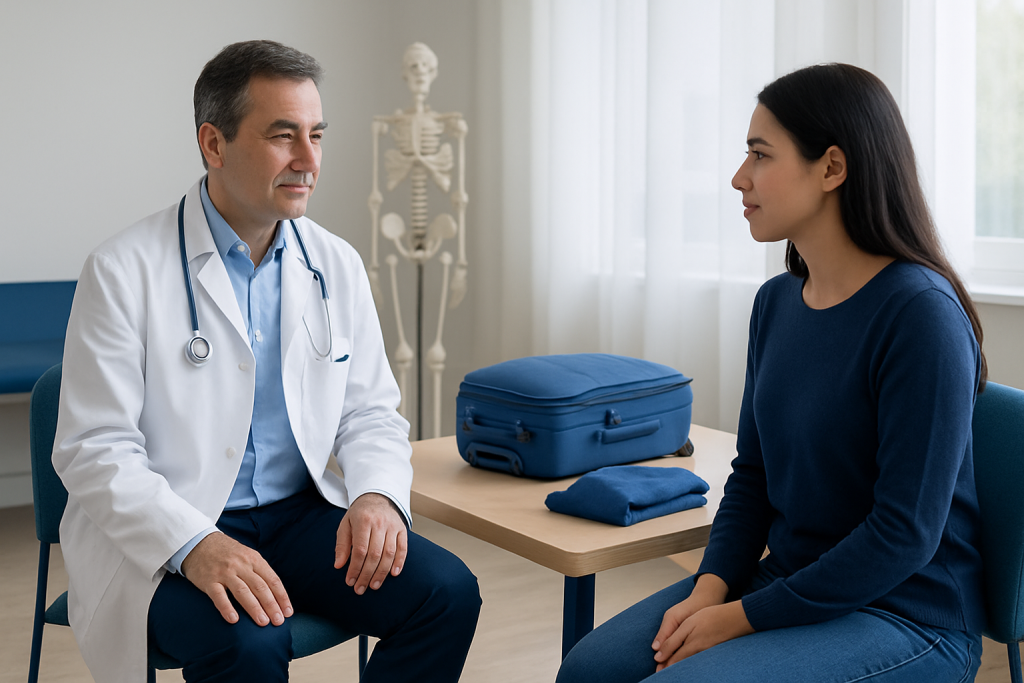
Medical travel adds a few extra priorities that leisure trips do not have. You may spend time resting, attending appointments, or moving slowly between locations, so choose clothing that feels comfortable when sitting for longer periods. Soft waistbands, easy closures, and breathable fabrics are often more practical than formal outfits.
If you are staying in hospital or recovering nearby, think in terms of “small comforts that travel well.” A phone charger with a long cable, headphones, a refillable water bottle if permitted, lip balm, and a light blanket or shawl can all help you settle in. A small day bag is useful for carrying documents, medication, and essentials without juggling several items.
If you are coming through Acibadem Health Point, your international patient coordinator can help you understand what to bring based on your itinerary and appointment schedule. That support can reduce overpacking, especially when you are unsure how much time you will spend between hotel, hospital, and transport.
Don’t let documents and medication get buried in luggage
Keep all essential paperwork in your hand luggage, not in checked bags. This usually includes your passport, visa or entry documents if needed, appointment confirmations, insurance details, test results, and any written instructions you already received. If you use medication regularly, carry it with you in original packaging when possible.
Bring a simple list of your medications, doses, allergies, and emergency contacts. If you need translations, ask for them before travel so you are not trying to sort paperwork after a long flight. When you are under stress, clear labeling and one easy-to-reach pouch can save time at airport security and during admissions.
It is also wise to keep digital copies of key documents on your phone or secure cloud storage. If a bag is delayed, you will still have access to the basics while you speak with your airline, hotel, or Acibadem Health Point team.
Plan for local conditions, not just temperature
Temperature is only part of the story. Coastal cities can feel humid, inland areas can be dry, and city walks may involve hills, uneven pavements, or busy streets. If you are sensitive to weather changes, pack with those realities in mind rather than relying on a generic forecast number.
For warm weather, include sun protection and hydration habits in your plan. For cooler months, make sure your outerwear handles wind and unexpected rain, especially if you will be traveling by taxi or shuttle between appointments. If you tire easily, shoes with stable soles are often more useful than fashion-oriented options.
Acibadem Health Point’s travel and accommodation support can help you reduce unnecessary movement and make arrivals smoother, which is particularly valuable in winter or during very hot days. Shorter transfers and better planning can make your first 24 hours in Turkey much easier.
Use a simple packing system so nothing important is missed
A clear packing system helps you avoid the common “I forgot the one thing I needed” problem. Keep one category for documents, one for medication and health items, one for clothing, and one for everyday travel comfort. If you are traveling with a companion, assign each person a separate responsibility so essentials are not all in one bag.
Pack one outfit that feels especially comfortable for your first hospital visit or consultation. Add a spare set of underwear, a lightweight top, and any items you may want immediately after landing, because checked luggage can be delayed. If your treatment or recovery plan includes rest, choose clothes that are easy to wash and rewear.
Finally, leave a small amount of room in your suitcase for items you may need to bring home later. Many international patients appreciate that practical buffer once appointments, shopping, or discharge instructions start to shape the rest of the trip.
Step by step
- Check the city forecast first. Look up the weather for your exact destination and travel dates, then note the expected highs, lows, rain, and wind. If you are visiting more than one city, pack for the coolest and wettest likely conditions rather than the most optimistic forecast.
- Choose layers instead of bulky outfits. Build outfits that can be added or removed quickly, especially for spring, autumn, and air-conditioned interiors. Layers are easier to manage during airport waits, transfers, and hospital visits than heavy single-purpose clothing.
- Separate essentials from everything else. Keep documents, medication, chargers, and one change of clothes in your carry-on. That way, you can still function comfortably if checked luggage arrives late or is temporarily unavailable.
- Add comfort items for long appointments. Bring a few small items that make waiting easier, such as headphones, lip balm, a water bottle if allowed, and something to read. If you tend to get cold, pack a light shawl or cardigan even in warmer months.
- Prepare for sun, wind, or rain. Turkey can present very different conditions within the same season, especially near the coast or in inland cities. A hat, sunglasses, compact umbrella, and weather-appropriate shoes are small additions that often pay off.
- Ask your international patient coordinator what is useful. If you are arranging care through Acibadem Health Point, check whether there are any appointment-specific or city-specific packing suggestions. A short message before you fly can prevent overpacking and help you arrive more settled.
Your checklist
- Passport and travel documents
- Appointment confirmations and contact details
- Prescription medication in original packaging
- Medication list with doses and allergies
- Comfortable layers for changing temperatures
- Weather-appropriate shoes
- Phone charger and power bank
- Sunglasses, hat, and sunscreen for warm months
- Light jacket or rain layer for spring and autumn
- Any hospital instructions or translation notes
Key takeaways
- Turkey’s weather changes a lot by region, so check the city forecast before you pack.
- Layers usually work better than bulky clothes, especially for medical travel.
- Keep documents and medication in your carry-on where you can reach them easily.
- Comfort items matter when you are spending time in airports, clinics, and hospitals.
- Acibadem Health Point can support practical travel planning beyond the medical appointment itself.
Frequently asked questions
What is the best clothing to pack for Turkey in general?
The safest choice is clothing you can layer. Bring breathable tops, one warmer mid-layer, and a light outer layer so you can adjust to changing temperatures, indoor air conditioning, and different city climates.
Should I pack differently if I am travelling for medical care?
Yes, a little. Prioritize comfort, easy-to-wear clothing, medication, documents, and items that help during waiting time or recovery. You may not need formal outfits, but you will likely appreciate clothing that is soft, simple, and easy to change in and out of.
What should I keep in my hand luggage?
Keep your passport, appointment details, medication, prescription list, and a change of clothes in your carry-on. If your checked bag is delayed, those items will help you stay organized and comfortable until it arrives.
Do I need winter clothes for Turkey?
That depends on where and when you are visiting. Some parts of Turkey stay mild in winter, while inland and eastern areas can be cold, windy, or snowy, so a coat, scarf, and warm shoes may be necessary in colder months.
What should I pack for summer travel to Turkey?
Choose lightweight, breathable clothing, sun protection, and comfortable shoes. Even in summer, you may want a light layer for air-conditioned hospitals, airports, or evening temperature drops.
How can Acibadem Health Point help with packing or arrival planning?
Acibadem Health Point can support practical parts of the journey, including international patient coordination, interpreters, and travel or accommodation guidance. That helps you make smarter packing decisions based on where you are staying and how your appointments are arranged.
What if I am traveling with a companion?
A companion can help divide practical tasks, such as carrying documents, medication, or a small comfort kit. It is useful to agree in advance who is responsible for what, especially after a long flight or on a treatment day.
More Patient Guides

Travel Insurance for Treatment in Turkey
Plan treatment in Turkey with confidence: learn how travel insurance works, what to check, and how to prepare for medical travel.
8 min read
Caregiver Guide for Medical Travel to Turkey
A practical caregiver guide for medical travel to Turkey: planning, packing, hospital support, communication, recovery, and going home with confidence.
8 min read
Currency and Exchange Rate Tips for Patients in Turkey
Plan payments in Turkey with confidence: learn how exchange rates, card use, cash, and receipts work during your medical trip.
7 min read
