

Post-Treatment Flight Readiness Guide

Medically reviewed by the Acıbadem clinical team — June 12, 2026
Flying home after treatment is often manageable, but the right timing and preparation matter. This guide helps you check practical signs of readiness, plan with your care team, and make the journey home as smooth as possible.
At a glance
- Best for: International patients preparing to fly after treatment or a procedure
- Main question: When is it safe and practical for you to travel home by air?
- Key principle: Your own treatment team should confirm your flight timing based on your condition
- Helpful support: Acibadem Health Point can coordinate discharge guidance, interpreters, and travel logistics
- What to bring: Documents, medications, discharge papers, and any medical devices you were told to use
What flight readiness really means
Being “ready to fly” is not just about feeling eager to go home. It means your condition is stable enough for the trip itself: sitting for the journey, getting through the airport, and coping with the first hours after landing without unnecessary risk or distress.
Your exact timing depends on many things, including the type of treatment you had, whether you need wound care or medication on a schedule, and whether you may need help moving around. For some people, flying soon after treatment is reasonable; for others, a short delay makes the return trip safer and more comfortable.
At Acibadem Health Point, your discharge plan should reflect your specific situation rather than a generic timeline. Because the group works with JCI-accredited hospitals and multidisciplinary specialist teams, you can expect your international patient pathway to include practical advice that helps you leave at the right time, not just the earliest time.
Signs you may be okay to travel
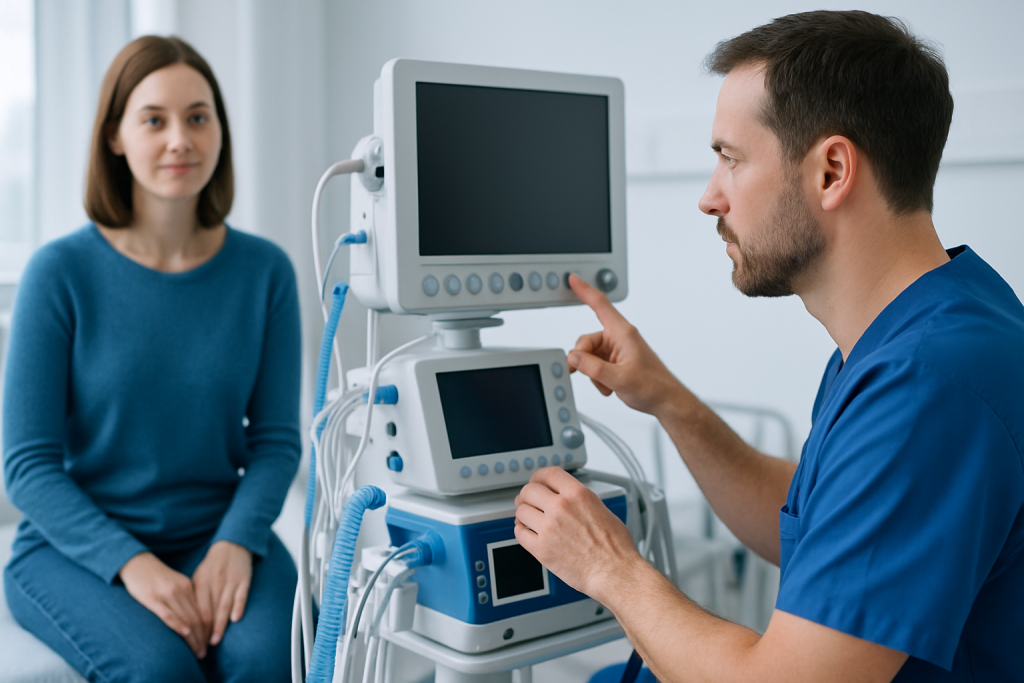
Before you book or confirm a flight, look for everyday signs that your body is coping well. You should be able to move around safely with the support you need, manage pain with your prescribed medication, eat and drink without major issues, and understand the instructions you were given for home care.
You will also want to think about symptoms that could make flying harder, such as dizziness, significant swelling, breathing trouble, nausea, fever, heavy bleeding, or worsening pain. If any of these are present, your care team should review the plan before you travel.
A useful rule is simple: if an ordinary day at the hospital already feels difficult, an airport day will likely feel harder. Airports involve waiting, walking, carrying bags, sitting upright for long periods, and navigating security checks, so your body needs some reserve.
Questions to ask before you leave the hospital

Do not rely only on your own sense of “I feel fine.” Ask for a clear discharge discussion and make sure you leave with practical answers. This is especially important if you are traveling internationally and will not be able to return easily for a quick follow-up.
Ask whether there are any reasons to delay flying, whether you need a companion, and how long you should wait before long-haul travel. If you have medication timing, mobility limitations, dressings, drains, or special equipment, get instructions in writing so you can follow them once you are back home.
Acibadem Health Point’s international patient services can help coordinate interpreters and clarify instructions in a way that makes sense for you. That can be particularly helpful when you are trying to understand discharge details while also arranging hotels, transfers, and flights.
- Is there any medical reason I should not fly yet?
- Do I need a copy of my discharge summary and test results?
- Should I wear compression socks or use any mobility aid?
- What symptoms mean I should seek urgent help before departure?
- When should I plan my first follow-up after getting home?
How to plan the trip home with less stress
Once you have medical clearance, the trip itself becomes a logistics exercise. Aim to reduce lifting, rushing, and long periods of standing in queues. If possible, choose a route with fewer connections and leave enough time between hospital discharge, hotel checkout, and airport transfer.
Keep essential items close to you rather than in checked luggage. That includes prescriptions, discharge paperwork, a medication list, your passport, and a phone charger. If you are returning with dressings or a medical device, place any instructions right on top so you can find them quickly.
It also helps to build in a slower day before travel, especially after an operation or treatment that leaves you tired. Many international patients use Acibadem Health Point’s travel and accommodation support to reduce last-minute pressure, which can make the final day feel much more controlled.
What to pack in your hand luggage
Your hand luggage should cover the first 24 to 72 hours after leaving the hospital. Think of it as your “just in case” kit for comfort, medications, and information. If your checked bag is delayed, you still want the basics with you.
Carry your medicine in the original packaging whenever possible, together with a simple written schedule. If you have pain relief, antibiotics, blood thinners, or other prescriptions, make sure you know when the next dose is due and whether it should be taken with food or water.
Do not forget any medical letters or device instructions that may be needed at airport security or by your doctor back home. A little organization here saves a lot of stress later, especially when you are tired and navigating a busy terminal.
- Passport, tickets, and travel insurance details
- Discharge summary and treatment notes
- Prescription medicines and a dose schedule
- Any device you were told to use, plus spare supplies
- Water bottle, snacks if allowed, and basic toiletries
- Phone, charger, and emergency contacts
What makes the journey easier after treatment
Small choices make a big difference when you are recovering and traveling. Wear loose, comfortable clothing, choose shoes that are easy to remove, and avoid carrying heavy bags yourself. If you have been advised to walk regularly or change position often, build that into your travel plan.
Tell your airline in advance if you need assistance. Wheelchair support, boarding help, or extra time can take pressure off your body and reduce the chance that you overdo it in the terminal. If you are traveling with a companion, ask them to keep documents, medication timing, and transport details organized.
It is also sensible to plan for the first evening at home before you leave Turkey. Know who will meet you, how you will get from the airport, where you will rest, and whether you need groceries or prescriptions collected. The smoother your arrival, the easier it is for your recovery to continue without interruption.
When to delay flying and get advice again
Sometimes the safest decision is to wait. A delay may be needed if you develop new symptoms, your wound needs closer monitoring, your pain is not controlled, or your mobility is worse than expected. The same applies if your care team asks for a follow-up review before clearing you for the flight.
If you are unsure, do not guess. Contact your treating team or international patient coordinator and explain exactly what has changed since discharge planning. A short phone call or message can prevent a bigger problem later.
Acibadem Health Point’s role does not end when you leave the hospital door. For many patients, the most useful support is after treatment: helping you understand what is normal, what is not, and how to continue recovery once you are back in another country.
Step by step
- Check your discharge instructions carefully. Read every instruction before you leave, especially the parts about medications, movement, wound care, and follow-up. If anything is unclear, ask for it to be explained again in simple terms.
- Confirm that your condition is stable for travel. Make sure your symptoms are controlled, you can move safely, and there is no medical reason to delay flying. If you had a more complex procedure, ask whether any extra observation time is needed.
- Organize documents and medicines in one place. Put your discharge summary, prescriptions, passport, and travel details together in your hand luggage. This helps if you need to show paperwork at the airport or speak to a doctor after you arrive home.
- Plan assistance at the airport. Arrange wheelchair support or a companion if walking long distances, carrying bags, or standing in queues will be difficult. Giving the airline advance notice can make the airport experience far less tiring.
- Prepare for the first day back home. Book transport from the airport, set up a place to rest, and know who can help if you need it. A calm first night makes it easier to stick to your recovery plan.
- Know the warning signs. Ask which symptoms should prompt urgent medical help during travel or after arrival. If something changes suddenly, seek advice quickly rather than waiting to “see how it goes.”
Your checklist
- Discharge summary and any test results
- Prescription medicines in original packaging
- Written medication schedule
- Passport, flight details, and insurance information
- Contact numbers for your hospital and home doctor
- Comfortable clothing and easy-to-remove shoes
- Any prescribed mobility aid, dressings, or devices
- A companion or airport assistance arranged if needed
- Transport and resting place organized for arrival home
Key takeaways
- Flying after treatment is usually a question of stability, not just convenience.
- Your own care team should confirm when you are safe to travel.
- Keep medicines, documents, and instructions with you in hand luggage.
- Reduce strain by arranging assistance, simple transport, and a calm first night home.
- If symptoms change, delay travel and seek advice rather than pushing ahead.
Frequently asked questions
How do I know if I am fit to fly after treatment?
The best sign is that your treating team has confirmed you are stable enough for the trip. You should be able to sit, move, and manage your symptoms without needing urgent care. If you still have uncontrolled pain, dizziness, heavy swelling, breathing problems, or active bleeding, you need another review before flying.
Should I ask for written discharge instructions?
Yes. Written instructions are especially helpful when you are traveling internationally and may need to show them to another doctor later. They also make it easier to follow your medication and wound-care plan once you are back home.
What should I keep in my hand luggage?
Keep your medicines, discharge summary, passport, tickets, and any important medical letters with you. It is also wise to include a charger, a small water bottle if allowed, and the contact details of your hospital and home doctor. If your checked bag is delayed, you will still have the essentials.
Is it better to fly alone or with someone after treatment?
That depends on how you feel and what your team advises. Many patients do better with a companion, especially after a procedure, because travel can be tiring and you may need help with bags, directions, or medication timing. If you must travel alone, ask the airline about assistance options before departure.
What if I feel worse just before my flight?
Do not ignore new symptoms. Contact your care team or international patient coordinator and explain what has changed, including when it started and how severe it is. It may be safer to delay travel until you are reassessed.
Can Acibadem Health Point help after I leave the hospital?
Yes, support can continue beyond discharge. Acibadem Health Point’s international patient services can help with follow-up planning, interpreter support, and practical questions about the return journey. That continuity can be very reassuring when you are recovering far from the hospital.
More Patient Guides

Nachsorge, die Sie zu Hause selbst durchführen können: Welche Behandlungen erfordern eine persönliche Nachkontrolle?
Erfahren Sie, welche Nachsorge zu Hause möglich ist, welche persönlich kontrolliert werden muss und wie Sie auch nach der Reise mit Ihrem…

Nachsorge-Lücken vor der Wahl einer Behandlung im Ausland prüfen
Prüfen Sie vor Ihrer Reise die Nachsorgelücken: Kontrolltermine, Unterlagen, Medikamente, Rehabilitation und wer Sie nach der Rückkehr zu Hause unterstützt.

Aktivitätsgrenzen nach der Behandlung: Was Patienten vermeiden sollten
Erfahren Sie, welche Aktivitäten Sie nach der Behandlung vermeiden sollten, wann Sie sich ausruhen sollten und wie Sie mit klaren, praktischen Nachsorgehinweisen…
Related Specialists

Dr. Safiye Sayilir
Physical Medicine & Rehabilitation
Dr. Özgün Barış Çolak
Physical Medicine & Rehabilitation
Prof. Dr. Meltem Vural
Physical Medicine & Rehabilitation
Prof. Dr. Meral Bayramoğlu
Physical Medicine & Rehabilitation