

Caregiver Guide for Medical Travel to Turkey

Medically reviewed by the Acıbadem clinical team — June 12, 2026
If you are traveling to Turkey with a loved one for treatment, your role can shape the whole experience: calmer arrivals, clearer communication, and smoother recovery. This guide helps you plan what to bring, what to expect, and how Acibadem Health Point can support you and the patient along the way.
At a glance
- Best for: Family members, partners, and friends accompanying a patient to Turkey
- Focus: Practical travel, hospital stay, communication, and recovery support
- Typical support: Airport coordination, interpreters, accommodation guidance, and patient navigation
- Useful if you need: A clear caregiver checklist before, during, and after treatment
- Where Acibadem helps: JCI-accredited hospitals and international patient services
Your role starts before the flight
When you travel as a caregiver, you are doing more than keeping someone company. You are helping with decisions, organizing documents, noticing details the patient may miss, and making the whole trip feel less overwhelming. That starts well before the departure airport: with a shared timeline, a realistic packing plan, and a clear idea of who is responsible for what.
Before you leave, make sure you have the patient’s passport, travel documents, appointment confirmations, medication list, and any relevant medical records in both paper and digital form. If the patient has allergies, mobility limits, dietary needs, or anxiety about hospitals, write them down in one place. At Acibadem Health Point, international patient teams can help you structure this preparation so you are not trying to manage everything alone.
It also helps to discuss the trip honestly at home. Will the patient need help walking, dressing, translating, or remembering instructions? Will you be the main note-taker? Once you define the role early, you can focus less on reacting and more on supporting the care plan.
How to plan the journey as a team
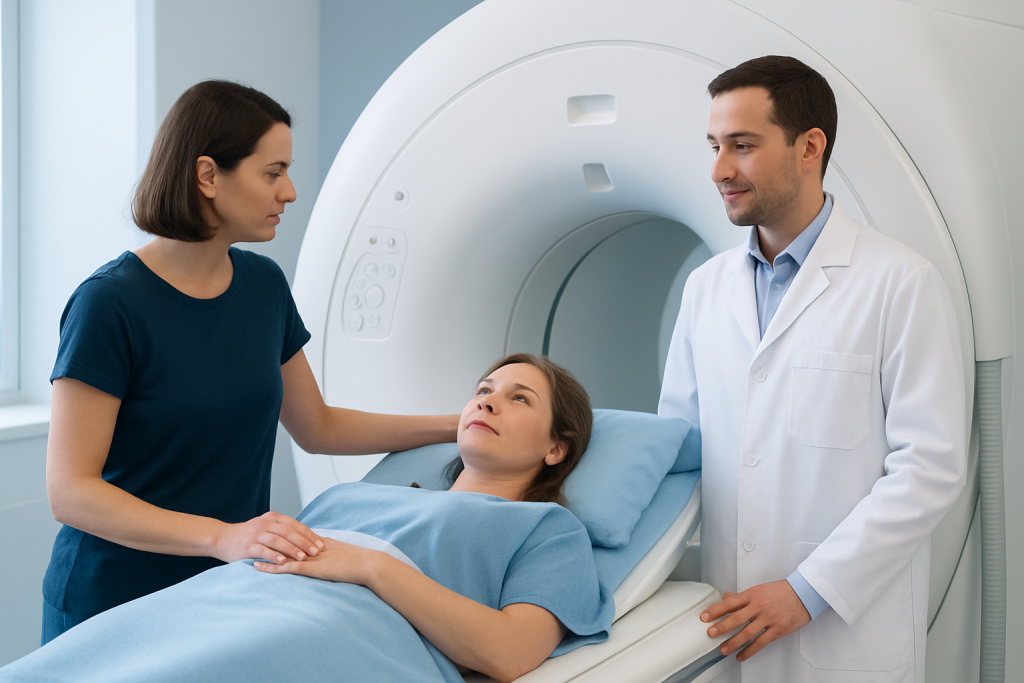
A medical trip is easier when you think in stages: home departure, arrival in Turkey, hospital visits, rest time, and the return journey. That simple structure makes it easier to plan sleep, meals, transport, and medication timing around appointments. It also helps reduce stress for both of you because the day no longer feels like one long unknown.
Try to arrive with enough time to settle in before any major consultation or procedure. If the patient is tired, jet-lagged, or nervous, a rushed first day can make everything harder. Acibadem Health Point can support travel and accommodation planning, which is especially useful if you are unfamiliar with the city or need a place close to the hospital.
When you book flights and hotel nights, leave room for flexibility. Medical schedules can shift after assessments, and a caregiver who has built in breathing space is usually much better able to stay calm and useful. Keep your own essentials accessible too: charger, snacks, water, medication, and a copy of the patient’s key details.
What caregivers should expect at the hospital

Hospitals can feel full of moving parts, especially in another country. The good news is that international patient pathways are designed to reduce confusion. At Acibadem Health Point’s JCI-accredited hospitals, you may be guided through registration, waiting areas, consultations, tests, and discharge steps with support from teams used to working with international visitors.
Interpreters can be especially helpful if you are helping a loved one understand instructions or make informed choices. Even when the patient speaks some English, medical details can be dense, and it is easy to miss one important point. As a caregiver, you can ask for clarification, repeat back instructions, and write down the next steps before leaving the room.
Do not hesitate to ask practical questions: Where do we go next? How long should we wait? Is there anything the patient should avoid today? What warning signs mean we should contact the hospital? Good caregiver support is not about knowing everything; it is about making sure nothing important gets lost.
Keeping communication clear and calm
In a medical setting, stress can blur even simple instructions. One of the most useful things you can do is slow the conversation down. If the patient is anxious or fatigued, ask the team to repeat the plan in plain language and, if needed, request an interpreter so everyone hears the same message.
Keep one shared notebook or phone note for names, appointment times, medication changes, fasting instructions, and follow-up dates. Small details matter, especially when you are trying to coordinate care from another country. A caregiver who captures the facts accurately helps prevent avoidable confusion later.
It is also worth checking on the emotional side of communication. Some patients want you to speak for them, while others want to answer for themselves and simply have you nearby. Let the patient choose how involved you should be in conversations whenever possible, and stay alert to moments when they may need a quiet pause rather than more information.
Daily caregiving during treatment and recovery
The daily rhythm of treatment days can be surprisingly tiring: transport, waiting, appointments, meals, medication, and rest all need attention. Your job is to keep the basics steady. Think sleep, hydration, comfortable clothing, easy-to-eat food, and enough quiet time between visits.
If the patient has mobility limitations, check the route in advance and ask about practical support such as wheelchairs, elevators, or the best entrance to use. If appetite is low or nausea is present, small bland meals may be easier than large plates. If the patient is instructed to rest, protect that rest by limiting visitors, noise, and unnecessary errands.
Recovery can also be emotionally uneven. The patient may feel relief one hour and frustration the next. That does not necessarily mean something is wrong; it may simply mean the trip is demanding. A supportive caregiver offers structure without pressure, which often matters as much as the medical plan itself.
Before you fly home
Discharge day should never feel like the end of the conversation. Before leaving, make sure you understand the medication schedule, any wound care or activity restrictions, warning signs that need urgent attention, and the recommended timing for follow-up. If something is unclear, ask for it again in writing.
Keep all documents together in one travel folder: discharge summary, test results, prescriptions, imaging if provided, and contact details for the international patient team. If you are returning to another country, these records can be important for your local doctor or specialist. Acibadem Health Point can help organize aftercare information so the handover is less stressful.
Plan the journey home with the patient’s comfort in mind. Long flights, car rides, or train transfers can be tiring after treatment, so build in extra time, water, and rest. If you are unsure whether a particular travel plan is suitable, ask the care team before you leave the hospital rather than trying to guess later.
Step by step
- 1. Gather every document in one place. Put passports, medical reports, test results, appointment confirmations, insurance information, and medication lists into one folder. Keep a second digital copy on your phone or cloud storage in case a bag is delayed or misplaced.
- 2. Clarify the caregiver role before travel. Decide who handles paperwork, who speaks during consultations, and who tracks instructions. If more than one family member is traveling, assigning roles early reduces stress and avoids mixed messages at the hospital.
- 3. Pack for comfort, not just convenience. Bring chargers, loose clothing, medications, snacks, water, and any items that help the patient rest, such as a neck pillow or favorite book. Include your own basics too, because a tired caregiver is less able to help well.
- 4. Use interpreters and patient services early. If anything is unclear, ask for language support before confusion builds. Acibadem Health Point’s international patient services can help you navigate appointments, communication, and practical arrangements more smoothly.
- 5. Build recovery time into the schedule. Leave space between appointments, and do not fill every free hour with sightseeing or errands. Treatment travel can be physically and emotionally draining, and recovery goes better when the pace is realistic.
- 6. Confirm discharge instructions in writing. Before heading home, make sure you leave with written instructions, medication names, and contact details for follow-up. This is especially important when you will continue care with a doctor in another country.
- 7. Follow up after you return. Check that the patient is taking medications correctly and that any recommended follow-up appointments are booked. If something changes or concerns arise, contact the care team promptly rather than waiting for the next routine check.
Your checklist
- Passport, visa, and travel documents
- Medical records and test results in paper and digital form
- Medication list with doses and timing
- Interpreter or translation support arranged if needed
- Comfortable clothing and easy footwear
- Chargers, power banks, and universal plug adapter
- Emergency contacts saved on your phone
- Written notes for allergies, diet, and mobility needs
- Accommodation details and hospital address
- Discharge folder for return travel
Key takeaways
- Caregiving during medical travel is a practical role that begins before departure and continues after you return home.
- Clear documents, written notes, and early role-sharing prevent a lot of stress during appointments.
- Interpreter support can make treatment conversations safer and less confusing.
- Recovery goes better when you protect rest, hydration, and realistic pacing.
- Discharge planning matters as much as the treatment itself, especially when follow-up happens in another country.
Frequently asked questions
Do I need to speak Turkish to accompany a patient in Turkey?
No, but it can help to have language support in place. Acibadem Health Point can assist with interpreters and patient coordination so you are not relying on guesswork during appointments or discharge conversations.
What should I bring as a caregiver on a medical trip?
Bring identification, travel documents, the patient’s medical records, medication details, and a list of questions. It is also wise to pack comfort items, chargers, water, snacks, and anything that will help the patient rest more easily.
Can I attend consultations with the patient?
In many cases, yes, if the patient wants you there and hospital policy allows it. Your role can be very useful for taking notes, asking follow-up questions, and helping the patient remember instructions later.
How can I help if the patient is anxious about treatment?
Keep the day predictable, avoid unnecessary rushing, and encourage short, clear explanations from the care team. Sometimes simple reassurance, a familiar routine, and a quiet space are more helpful than trying to force positivity.
What if the discharge instructions are hard to understand?
Ask for them again in plain language and request written instructions before leaving. It is much easier to clarify medication timing, activity limits, and follow-up steps while you are still at the hospital.
Is it safe to fly home right after treatment?
That depends on the type of treatment, the patient’s condition, and the care team’s advice. Always ask before booking travel, because some patients need extra rest or a specific travel window before flying.
How does Acibadem Health Point help international caregivers?
Acibadem Health Point supports international patients and companions with practical services such as guidance, interpreters, accommodation coordination, and access to JCI-accredited hospitals. The goal is to make the journey more organized and easier to navigate for both the patient and the person traveling with them.
More Patient Guides

Travel Insurance for Treatment in Turkey
Plan treatment in Turkey with confidence: learn how travel insurance works, what to check, and how to prepare for medical travel.
8 min read
Hidden Costs to Check Before Medical Travel
See the hidden costs of medical travel before you book: travel, stays, tests, time off, and follow-up so you can plan clearly.
8 min read
How to Review a Medical Quote Before Travel
Learn how to review a medical quote before travel, compare inclusions, check exclusions, and avoid surprises before you book care abroad.
8 min read
