

How Follow-Up Works When Your Doctor Is in Another Country

Medically reviewed by the Acıbadem clinical team — June 13, 2026
If your treatment happened in another country, the follow-up plan matters just as much as the procedure itself. This guide shows you how to stay organised, get clear instructions, and know who to contact once you are back home.
At a glance
- Best for: International patients managing care after returning home
- Main goal: Keep your recovery safe, organised, and easy to follow across borders
- Typical support: Discharge instructions, record sharing, remote check-ins, and travel guidance
- Who should lead it: The treating specialist, supported by your local doctor when needed
- Common tools: Reports, test results, photos, video calls, and symptom logs
What follow-up really means when care crosses borders
Follow-up is the part of your care that begins after the main treatment is finished. When your doctor is in another country, it is not just a quick final conversation before you fly home; it is the bridge between your treatment abroad and your everyday life back home.
You may need wound checks, symptom monitoring, medication adjustments, lab work, or a review of results after you have had time to recover. The practical aim is simple: you should know what is normal, what is not, and exactly who should hear from you if something changes.
At Acibadem Health Point, international patient coordination is designed around that handover. The team helps you leave with written instructions, key documents, and a realistic plan for the days and weeks after discharge, so you are not trying to piece things together from memory while travelling.
Before you leave: build the handover while you are still on site
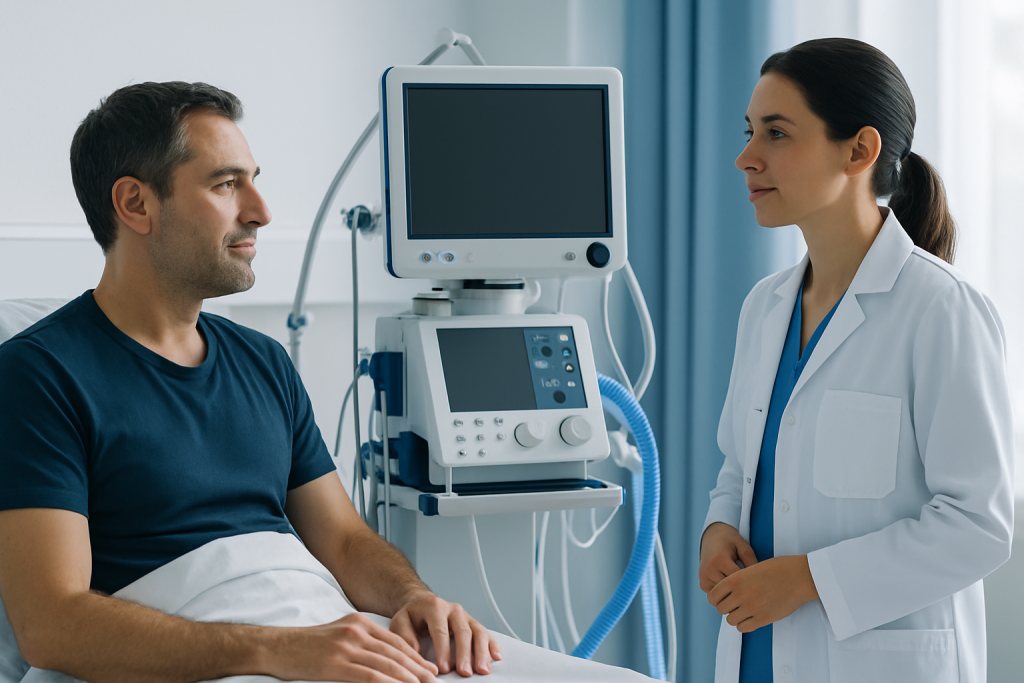
The easiest follow-up starts before you board the plane. Ask for a clear discharge summary, a medication list, and any activity restrictions in language you can understand. If your care involved imaging, pathology, or blood tests, make sure you know which results are final and which ones are still pending.
It also helps to confirm how the team prefers to stay in touch. Some situations are best handled by email with attached photos or reports; others may need a scheduled video call. Acibadem Health Point can help organise interpreter support during these conversations so nothing important gets lost in translation.
Do not leave until you know the answers to practical questions: when can you shower, drive, fly, exercise, or resume work; what symptoms should trigger urgent contact; and whether you need a local doctor to check anything within a specific time frame.
How to share your records without creating confusion

Cross-border follow-up works best when your documents are easy to find and easy to read. Keep one digital folder with your discharge summary, imaging reports, lab results, medication instructions, and any operative or procedure notes you were given. A second copy in the cloud or on your email can save time if your phone is lost or your internet is unreliable while travelling.
If you are seeing a doctor at home, send records before the appointment rather than bringing them at the last minute. That gives your local clinician time to review the details and reduces the chance that a follow-up visit turns into a paperwork session. A short note from you about what treatment you had, when it happened, and what you are currently taking can also be useful.
Be careful with screenshots and photos taken in poor lighting. If a wound, swelling, rash, or dressing needs to be reviewed, use clear images with enough detail and, where appropriate, a date label. Good documentation makes remote advice safer and more specific.
Staying in touch from another time zone
One of the biggest surprises after treatment abroad is timing. A question that feels urgent to you may arrive at night for the team you saw overseas, and a reply may come when you are asleep. That is why the follow-up plan should include response expectations, emergency contacts, and a sense of which concerns can wait.
Remote check-ins are most useful when they are structured. Instead of sending a vague message like “I am not feeling right,” describe your symptom, when it started, whether it is changing, and what makes it better or worse. If you have a fever, pain score, swelling, drainage, shortness of breath, or dizziness, write those details down plainly.
Acibadem Health Point helps patients set up practical communication channels before discharge, including interpreter-supported conversations when needed. The goal is not constant messaging; it is having a reliable route for the questions that genuinely matter.
When you also need a doctor at home
Many international patients do best with two layers of support: the specialist who treated them abroad and a local clinician who can check them in person. Your overseas team manages the treatment plan, while your local doctor can examine you, arrange blood tests, renew prescriptions, or respond quickly if you need hands-on care.
This does not mean the plan has failed; it means you are using the strengths of both systems. The smoother the handover, the easier it is for your local doctor to understand what happened, what was done, and what should happen next. If you want, ask Acibadem Health Point for a concise summary that you can hand directly to your local physician.
It is especially important to have local support if you live far from a major hospital, have chronic conditions, or had treatment that requires repeated monitoring. If anything changes suddenly, your local doctor may be the fastest point of contact while your overseas team is being updated.
Warning signs that should not wait for the next scheduled message
Some recovery changes are expected, but others deserve prompt medical attention. If you were given a list of warning signs at discharge, follow that list first. In general, new or worsening severe pain, heavy bleeding, fever, fainting, breathing difficulty, sudden swelling, chest pain, or signs of infection should be treated seriously.
For wound care, call sooner if you notice spreading redness, bad-smelling drainage, increasing warmth, or a dressing that keeps soaking through. If you were started on new medication, contact your care team if you develop a rash, persistent vomiting, confusion, or any reaction that worries you.
If you are unsure whether a symptom is urgent, err on the side of asking. It is better to send a clear update and be told to monitor than to stay silent and hope it settles on its own.
What good remote follow-up feels like in real life
Good follow-up is usually calm, clear, and repetitive in the best possible way. You know what to do each day, you know when your next review is due, and you know who holds the next piece of the plan. There is no need to guess whether a symptom matters or whether a result has been reviewed.
Patients often feel more confident when they have a short recovery routine: take medicines at the same time each day, record symptoms, keep appointments, and review instructions before bed. Small habits matter because they make it easier to notice a real change rather than relying on memory.
Acibadem Health Point’s international patient services are built for this kind of continuity. From interpreters to record sharing and travel planning support, the aim is to make the transition home feel organised rather than unfinished.
Step by step
- Collect your discharge pack before you travel. Ask for written instructions, medication details, test results, and any follow-up dates before leaving the hospital. If anything is unclear, have it explained while you are still on site so you are not relying on memory later.
- Set up your contact route. Confirm how and when to reach your treating team, and which issues should go to email, phone, or a video call. Save the contact details in more than one place in case your phone is lost or changes time zones.
- Share your records with your local doctor. Send a concise summary of your treatment and current medicines before your first home appointment. This helps your local clinician support you quickly and avoids repeating tests that are already available.
- Track how you feel each day. Write down temperature, pain, swelling, appetite, sleep, and any new symptoms if these are relevant to your recovery. A simple log helps you notice trends and gives your doctor better information if you need advice.
- Follow restrictions exactly as written. Use the limits your team gave you for activity, travel, bathing, driving, and work. If the advice seems difficult to follow at home, ask for clarification rather than improvising.
- Know your emergency threshold. Review the warning signs that require urgent care before you need them. If a serious symptom appears, seek immediate medical help locally and inform your overseas team as soon as possible.
- Plan the next checkpoint. Whether it is a call, message, scan, or local review, make the next step part of your calendar. Follow-up works best when it is scheduled, not left to chance.
Your checklist
- Discharge summary saved in PDF and printed copy
- Medication list with doses and timing
- Clear wound care or recovery instructions
- Contact details for your overseas team
- Local doctor or clinic identified
- Copies of imaging and test results
- Interpreter or translation support arranged if needed
- Emergency symptoms reviewed before travel home
- Travel dates checked against your recovery plan
Key takeaways
- Follow-up is a planned part of treatment, not an afterthought.
- You should leave with clear written instructions and contact options.
- A local doctor can complement your overseas specialist.
- Good records make remote advice safer and faster.
- Know the warning signs that need urgent medical attention.
- Acibadem Health Point can help you coordinate the handover, interpretation, and travel-related details.
Frequently asked questions
How soon should I hear from my doctor after returning home?
That depends on the type of treatment and the plan you were given. Some patients only need a scheduled check-in after a set number of days, while others need earlier review of results or wound healing. If you were not told the timing clearly, ask before you leave or contact the team as soon as you are home.
What should I do if my local doctor asks for more information?
Send the discharge summary, procedure notes, test results, and medication list you received from the treating hospital. A short timeline of what happened and what symptoms you have now can also help. If you need it, Acibadem Health Point can support record sharing and help clarify the documentation.
Can I use email or video calls for follow-up?
Yes, many international patients use remote communication for non-urgent follow-up. It works best for questions, symptom updates, and review of documents or photos, not for emergencies. Make sure you know which channel the team prefers and how long replies usually take.
What if I do not understand my instructions clearly?
Ask for the instructions to be repeated in simpler language before you travel. If needed, request interpreter support and a written summary in a format you can share with your local doctor. It is much safer to clarify everything early than to guess later.
Do I always need a doctor at home after treatment abroad?
Not always, but many patients benefit from one, especially if they need blood tests, wound checks, medication refills, or quick access to care. Your overseas specialist can guide the treatment plan, while a local doctor can provide in-person support if something changes. Having both usually makes recovery smoother.
What if I develop symptoms while the overseas team is asleep?
Use the emergency instructions you were given and seek local urgent care if the symptom is serious. Then update your treating team as soon as they are reachable. Time zones are common in international care, so your plan should always include a local safety net.
More Patient Guides

What Companions Should Know Before Surgery in Turkey
Know how to support a loved one before surgery in Turkey, from travel and paperwork to hospital routines, rest, and communication.
8 min read
Special Needs Travel Checklist Before Surgery in Turkey
Plan a smoother surgery trip to Turkey with a practical special needs checklist for mobility, documents, medications, and support needs.
8 min read
How to Stay in Touch with Your Doctor After Returning Home
Learn practical ways to keep contact with your doctor after treatment, share updates safely, and manage follow-up from abroad.
8 min read
