

Can You Travel Home Right After Treatment? A Fit-to-Fly Decision Guide

Medically reviewed by the Acıbadem clinical team — June 13, 2026
If you are planning care abroad, the question is not just what treatment you need, but when it is safe to fly home. This guide helps you think through the practical fit-to-fly factors, what to ask your care team, and how Acibadem Health Point supports a safe return journey.
At a glance
- Who this is for: International patients deciding whether they can travel home soon after treatment
- Main question: Whether your condition, treatment, and recovery are stable enough for air travel
- Best next step: Get written discharge advice and a fit-to-fly recommendation before booking your flight
- Key support: Acibadem Health Point can coordinate interpreter help, discharge planning, and travel logistics
- Important note: Flying too soon can increase discomfort, delay recovery, or worsen certain medical risks
- Rule of thumb: Your treating team should make the final travel decision based on your individual case
When “can I fly?” is really three different questions
Right after treatment, many patients ask a simple question: can I go home now? In practice, there are three separate issues to think about. First is whether your body is medically stable enough for travel. Second is whether the journey itself is likely to be comfortable and safe. Third is whether you have the right documents, medicines, and support in place for the trip home.
That distinction matters because “feeling okay” is not always the same as being ready for a flight. Some treatments leave you tired, swollen, sore, dizzy, or more sensitive to pressure changes and sitting for long periods. Others need a short observation period before your team can be confident that your condition is steady.
At Acibadem Health Point, your discharge planning should be treated like part of the care plan, not an afterthought. If you are an international patient, the team can help you understand what your doctor is checking before travel, what to do if your flight changes, and how to organize support once you land back home.
The main fit-to-fly factors your team will look at
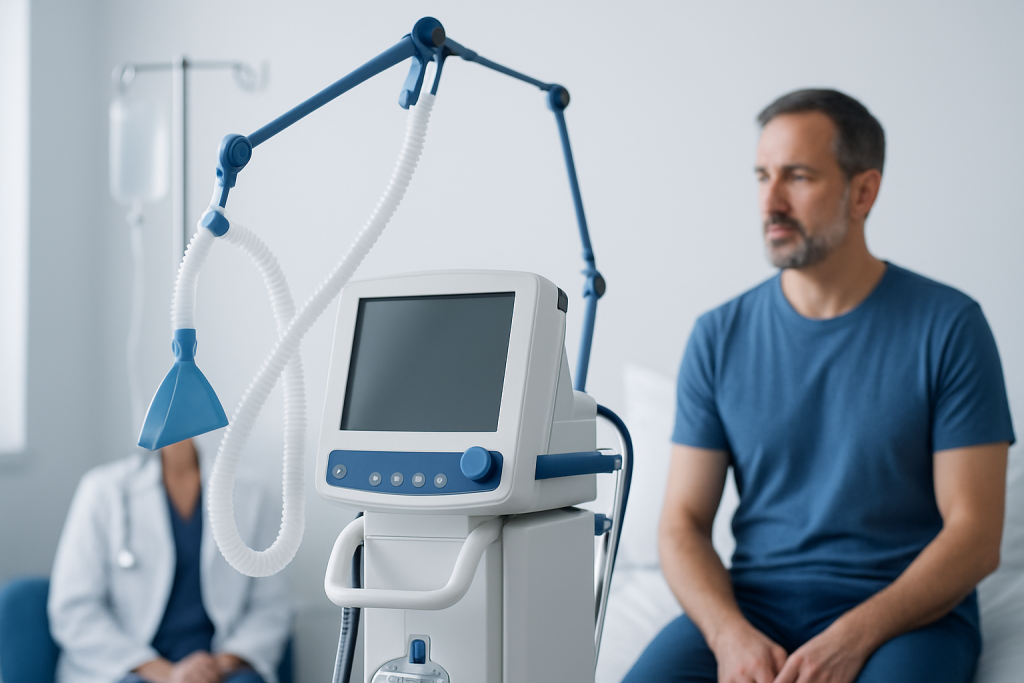
There is no single answer that fits every procedure or diagnosis. Your team will usually look at how you are breathing, whether your pain is controlled, how well you are moving, whether you have any active bleeding or fluid drainage, and if you are at risk of a complication during the journey. They may also consider whether you need monitoring, oxygen, injections, or regular medication timing.
Air travel can be an issue after some treatments because of cabin pressure, long periods of sitting, dehydration, and limited access to care mid-flight. Even a routine journey can feel more demanding when you are recovering from surgery, an intervention, or a flare-up of an ongoing condition. If you have had anesthesia, sedation, or a procedure that affects mobility or awareness, the timing of your flight becomes especially important.
Some patients need only a short rest before traveling. Others may need a longer stay, an escort, or a different travel plan. The safest approach is to ask for a clear travel recommendation based on your actual condition rather than relying on generic advice from the internet or from someone else’s experience.
Why the flight itself can matter more than people expect

A flight home is not just “sitting down in a plane.” It combines boarding, luggage handling, waiting in terminals, possible delays, reduced movement, and limited access to your medical team. If you are already weak, nauseated, in pain, or at risk of fainting, the journey can become harder than the treatment day itself.
Cabin air is dry, which may leave you feeling more dehydrated. Swelling can feel more noticeable after surgery or injury. If you need to keep a wound clean, avoid pressure on a treated area, or take medication at exact intervals, the logistics of flying can affect how well you recover.
That is why many teams think beyond the medical event and into the travel day. With Acibadem Health Point’s international patient services, you can discuss practical details such as airport assistance, when to leave the hospital, whether you need a companion, and how to carry medicines and discharge documents securely.
Questions that help you get a real answer, not a guess
Before you book your return trip, ask your care team for a travel-focused discharge review. Useful questions include: Am I stable enough to fly today? Do I need a waiting period after this treatment? Are there symptoms that mean I should not travel yet? Do I need any special paperwork for the airline or for border control?
You should also ask what to do if your flight is delayed or rescheduled, especially if you need medication at specific times. If your treatment involved stitches, drains, a cast, oxygen, or mobility aids, ask how to manage those during boarding and the flight itself. A written plan is much easier to follow than trying to remember instructions while you are tired.
If language is a concern, Acibadem Health Point can arrange interpreter support so you can ask these questions clearly and confirm the answers in the language you are most comfortable with. That reduces misunderstandings at the exact moment when clarity matters most.
Signs you should pause before flying home
Sometimes the safest decision is to wait. You should seek a fresh medical review before traveling if you have chest pain, shortness of breath, fainting, uncontrolled bleeding, fever, new confusion, severe swelling, vomiting that prevents fluids, or pain that is not responding to your prescribed plan.
It is also sensible to stop and ask if your mobility is too limited for airport transfers, stairs, or long walks between terminals. A patient who can manage in the hospital room may still struggle with the extra effort of luggage, standing in lines, and sitting upright for hours.
Do not minimize “small” problems because you are eager to go home. A delay of a day or two may be far easier than managing a complication on the road or in the air. Your treating team is best placed to judge whether the timing is safe, especially if your recovery is still changing from hour to hour.
What a smooth return journey looks like in real life
The best travel day is usually the one that is planned before discharge. You have your medication list, a copy of your discharge summary, any relevant test results, and a clear contact point if questions come up after you leave. Your luggage is light, your route to the airport is arranged, and someone knows exactly when you are expected to land.
Many international patients also benefit from practical aftercare support. At Acibadem Health Point, that can include help coordinating accommodation if you need to stay an extra night, assistance with transportation, and guidance on how to keep your follow-up plan organized once you are home. Those details can make the difference between a stressful departure and a manageable one.
If you will be crossing time zones, think ahead about medicine timing, hydration, and rest. A flight home is easier when you are not trying to improvise every step. Small preparations often protect your comfort more than any last-minute packing decision.
How to plan for aftercare once you land
Returning home does not end the care plan. If you have wound care, activity restrictions, medication changes, or follow-up tests, make sure you know who is responsible for each step once you arrive. If you will see your local doctor, send them the discharge documents as soon as you can.
You should also know which symptoms need urgent attention and which are expected recovery effects. That distinction can reduce anxiety and help you act quickly if something changes. Keep emergency contacts easy to find, not buried in your suitcase or a hard-to-open email thread.
International patients often feel more confident when the final instructions are written down plainly. Acibadem Health Point’s team can help translate the hospital’s advice into a practical home plan, so you are not trying to piece it together after a long flight.
Why final clearance should come from your treating team
Online checklists can help you prepare, but they cannot replace an individual medical assessment. Two patients with the same treatment may have very different travel readiness depending on their age, overall health, medications, and how their recovery is progressing. That is why the final decision should come from the clinician who knows your case.
A fit-to-fly recommendation is most useful when it is specific. It should tell you whether you can travel now, whether you need a delay, what support you need at the airport, and what symptoms mean you should seek help before departure. If you are ever unsure, ask for the plan to be repeated slowly and put in writing.
Acibadem Health Point’s role is to make that process easier for you as an international patient: clear communication, coordinated discharge planning, and support that stays focused on safety rather than speed. The aim is not to push you out of care too quickly, but to help you leave at the right time and with the right information.
Step by step
- Ask for a travel-specific discharge review. Do not rely on a general “you are fine” comment. Ask your care team whether you are medically stable enough to fly, and whether there is any recommended waiting period after your treatment.
- Confirm what your flight changes, if anything. Find out whether you need an escort, seat assistance, extra legroom, compression advice, or a change to your medication schedule. If you have drains, dressings, or mobility restrictions, ask how they affect airport and cabin travel.
- Get your documents together before you leave the hospital. Carry your discharge summary, medication list, test results if relevant, and any letters needed for the airline or border checks. Keep digital and paper copies in separate places in case one is lost.
- Plan the airport journey, not just the flight. Think about transport to the airport, luggage handling, wheelchair support if needed, and how long you may need to wait before boarding. A journey with fewer physical demands is usually safer while you are still recovering.
- Prepare your medicines and essentials for the cabin. Pack medications in hand luggage and keep them in their original packaging where possible. Bring any items you may need during the flight, such as dressings, water, snacks, or a small comfort kit.
- Set up follow-up care at home. Tell your local doctor what treatment you had and what aftercare you need. If anything changes on the way home or after landing, you should know exactly whom to contact and when to seek urgent help.
Your checklist
- Written fit-to-fly advice from your treating team
- Discharge summary and medication list
- Any airline or travel letters you may need
- A plan for pain control, fluids, and meals during travel
- Confirmed airport transfer and luggage help
- Emergency contact numbers saved in your phone and on paper
- A companion or escort if your condition requires support
- Follow-up plan with your doctor at home
- Original packaging for medications and supplies
- Clear instructions for red-flag symptoms after you land
Key takeaways
- Fit-to-fly decisions should be based on your individual recovery, not a generic timeline.
- The journey home includes airport demands, cabin conditions, and follow-up needs.
- Written discharge instructions make it much easier to travel safely and manage recovery abroad.
- Interpreter and coordination support can reduce mistakes when you are tired or under time pressure.
- If symptoms worsen before departure, pause and ask for a medical review before boarding.
Frequently asked questions
Can I fly home immediately after treatment?
Sometimes yes, but only if your treating team confirms that you are medically stable and the journey will not put you at risk. Many treatments need at least a short observation period before you travel. The right answer depends on your condition, the type of treatment you had, and how you are feeling on the day of discharge.
What does “fit to fly” actually mean?
It means your medical team believes you can travel without unreasonable risk based on your current health status. They are usually checking whether you are stable, comfortable enough to sit through the journey, and unlikely to need urgent care while in transit. It is not a generic certificate; it should relate to your specific case.
Do I need a doctor’s note to travel home?
Not every patient does, but some airlines or border checks may ask for documentation depending on your condition or treatment. A discharge summary and a fit-to-fly recommendation can help avoid confusion. Ask your team before you leave so you are not trying to solve paperwork at the airport.
What if my flight is delayed after I am cleared to travel?
Delays matter if you need medication on a strict schedule, have wound care needs, or are relying on assistance to get to the airport. Keep your medicines with you and know how to adjust timing if the delay is long. If you feel worse while waiting, ask for medical advice before boarding.
Can I travel alone after treatment?
Sometimes, but not always. If you are weak, at risk of dizziness, need help with luggage, or have mobility restrictions, a companion can make the trip safer and less exhausting. Your care team can tell you whether traveling alone is appropriate in your situation.
What should I do if I feel worse after I get home?
Follow the instructions in your discharge plan and contact the provider named in your paperwork if symptoms are concerning. If you have urgent warning signs such as chest pain, breathing difficulty, uncontrolled bleeding, or confusion, seek emergency help immediately. It is better to call early than to wait and wonder.
How can Acibadem Health Point help with the return journey?
Acibadem Health Point can support you with discharge planning, interpreter assistance, travel coordination, and practical advice for your trip home. Because the hospitals are JCI-accredited and supported by multidisciplinary specialist teams, the focus stays on safe communication and a clear aftercare handover. That can be especially helpful when you are recovering in another country and need instructions you can actually follow.
More Patient Guides

Travel Insurance for Treatment in Turkey
Plan treatment in Turkey with confidence: learn how travel insurance works, what to check, and how to prepare for medical travel.
8 min read
Hidden Costs to Check Before Medical Travel
See the hidden costs of medical travel before you book: travel, stays, tests, time off, and follow-up so you can plan clearly.
8 min read
How to Review a Medical Quote Before Travel
Learn how to review a medical quote before travel, compare inclusions, check exclusions, and avoid surprises before you book care abroad.
8 min read
