

Choosing Between Hospital Stay and Nearby Hotel Recovery

Medically reviewed by the Acıbadem clinical team — June 13, 2026
If you are planning treatment abroad, one of the most practical decisions is where you will recover afterward. This guide helps you weigh a hospital stay against a nearby hotel so you can choose the option that best fits your care needs, comfort, and travel plans.
At a glance
- Best for close monitoring: Hospital stay
- Best for privacy and routine: Nearby hotel recovery
- Typical deciding factors: Mobility, pain control, follow-up timing, and support at hand
- Useful for international patients: Yes — especially when coordinating transport, interpreters, and aftercare
- Planning help available: Acibadem Health Point international patient services
Start with the real question: how much support do you need after treatment?
Recovery planning works best when you begin with your practical needs, not with what sounds most convenient on paper. After treatment, some people feel safer staying in the hospital for a short period because they want easy access to nurses, prompt checks, and a controlled environment. Others are stable enough to rest better in a hotel, where they can sleep more naturally, move at their own pace, and have a little more privacy.
The right choice depends on what your team expects in the hours and days after treatment. If you are likely to need regular observation, IV medication, wound care, or help with mobility, a hospital stay usually makes more sense. If your recovery plan is straightforward and you only need scheduled follow-up, a nearby hotel can be a comfortable middle ground.
For international patients, the decision is also shaped by the rest of your trip. You may be traveling with a companion, managing language barriers, or trying to coordinate flights, transfers, and follow-up appointments. At Acibadem Health Point, patient coordinators can help you think through those details so the recovery setting matches both your clinical needs and your travel logistics.
When a hospital stay can be the safer, simpler option
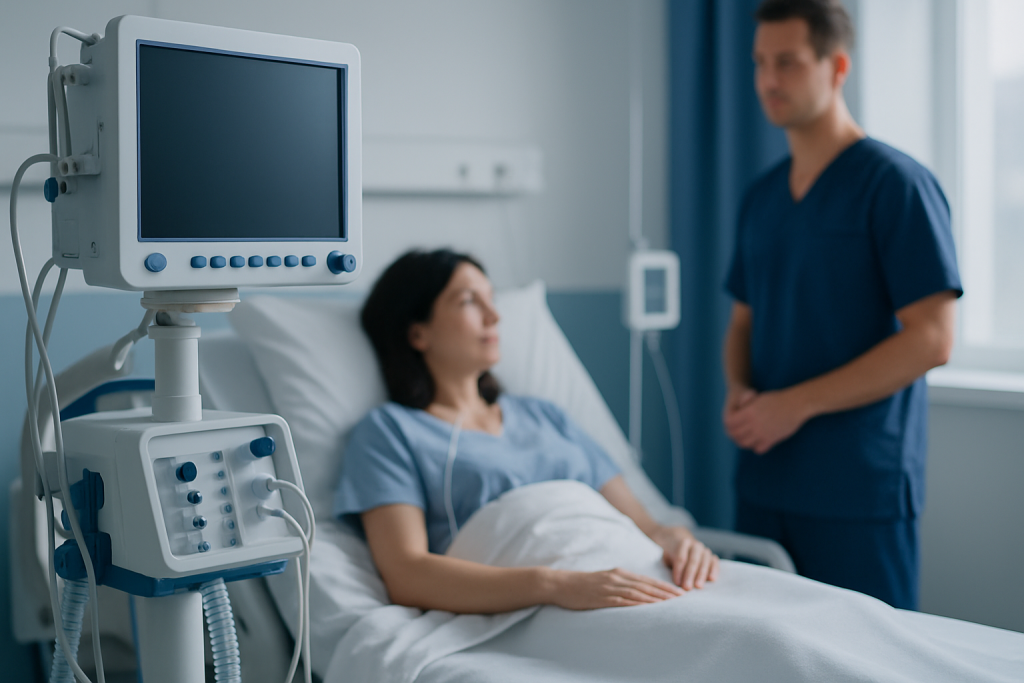
A hospital stay is often the easier choice when you want clinical support close by. This is especially true if your care team expects monitoring after anesthesia, if you are at risk of nausea or dizziness, or if your procedure involves drains, dressings, or anything that needs professional attention before you are fully settled. In these cases, staying in the hospital removes the stress of arranging urgent support from elsewhere.
Hospital recovery can also be helpful if you are traveling alone or if you do not have a companion who can assist you around the clock. You may feel more confident knowing that help is available immediately if your condition changes. For some patients, that peace of mind is worth more than the extra privacy of a hotel.
At Acibadem Health Point’s JCI-accredited hospitals, recovery plans are built around the level of observation you actually need, not around a one-size-fits-all routine. Your care team can explain whether staying overnight, extending your hospital time, or moving to a hotel after discharge is the most appropriate path for you.
- Closer access to nurses and doctors
- Better for early monitoring or pain control
- Useful if you have limited mobility
- Convenient if your follow-up is soon after treatment
When a nearby hotel can make recovery feel more manageable

Many patients prefer hotel recovery once they are medically stable. A hotel can offer more space, quieter surroundings, and the feeling of being back in a normal daily rhythm. If your treatment leaves you needing rest rather than constant observation, that calmer environment can be easier on your body and your mood.
Hotel recovery also works well when you want more flexibility. You can choose your meals more easily, stretch out sleep times, and have a companion stay with you in a more familiar way. For longer recoveries, being able to step outside for fresh air or simply change the pace of the day can make the experience feel less clinical.
The key is making sure the hotel is genuinely suitable for recovery. Think about distance from the hospital, lift access, bathroom safety, room layout, and how you will manage medications, dressings, and follow-up visits. Acibadem Health Point can support international patients with hotel and transport coordination so you do not have to piece together these arrangements alone.
Hotel recovery is usually most sensible when you are:
- Not expected to need urgent nursing care
- Able to walk safely or move with minimal assistance
- Comfortable managing routine medication schedules
- Within easy reach of your hospital for follow-up
What to ask your care team before you decide
Before you commit to either option, ask a few direct questions. You want to know how much monitoring is expected, whether you may need unscheduled review, and what symptoms should send you back to hospital immediately. That conversation helps you match the setting to your actual recovery plan rather than guessing after treatment is over.
It is also worth asking about practical timing. For example, when would you be safe to travel from the hospital to a hotel, how soon is the next check-up, and do you need anyone to stay with you overnight? If you are coming from another country, ask how these decisions affect your transfer to the airport or to your accommodation later in the week.
At Acibadem Health Point, international patient coordinators can help translate medical instructions into clear logistics. If you use an interpreter, that support can be included in the discussion so you understand exactly what your team recommends and why.
- Will I need observation overnight or longer?
- Can I walk, eat, and use the bathroom independently?
- What warning signs mean I should return to hospital?
- How soon is my next appointment or review?
- Do I need a companion with me?
How to judge the hotel itself, not just the address
A nearby hotel only helps if it supports recovery in real life. A short distance from the hospital is useful, but it is not enough on its own. You should also think about access, comfort, and whether the room setup will make basic tasks easier or harder while you are healing.
Look for practical details such as elevator access, 24-hour reception, easy taxi pickup, and a bathroom you can use safely without twisting or overreaching. If you are sore, dizzy, or carrying post-treatment supplies, stairs, long corridors, and crowded lobbies can quickly become tiring. A quiet room can matter as much as a luxury one.
If you are staying in Istanbul or another city for treatment, it helps to keep the route back to the hospital simple. Acibadem Health Point’s international patient services can assist with accommodation suggestions and transport planning, which is especially useful when you need to attend early-morning follow-up or are not ready to navigate the city on your own.
Useful hotel questions include:
- How long is the drive to the hospital at different times of day?
- Is there step-free access from entrance to room?
- Can a companion stay with me?
- Is room service available if I should not go out?
- Can the hotel help with transfers if needed?
Recovery is easier when someone has already thought through the handoff
The transition from hospital to hotel is often where international patients feel most vulnerable. You may be tired, carrying medication, and trying to remember instructions in a language that is not your own. A good recovery plan reduces that mental load before discharge day arrives.
Make sure you understand what documents you will leave with, when to take each medication, how to care for any dressings, and who to contact if something feels off. If you are going to a hotel, your first evening there should be simple: no complicated sightseeing, no long meal plans, and no assumption that you will feel better just because you have left the hospital.
That is one reason many patients choose Acibadem Health Point for treatment in Turkey. The experience is not just about the medical visit itself; it is about being guided through the practical parts that come after, including interpreters, transfer timing, and recovery logistics that fit your situation.
A simple way to choose without second-guessing yourself
When you are unsure, start by asking one question: do you need medical supervision, or do you mainly need a quiet place to rest? If the answer is supervision, hospital recovery is usually the better fit. If the answer is rest and light routine, a nearby hotel may be enough once your team says you are safe to move.
There is no prize for making the shortest stay or the most economical choice. The best option is the one that keeps you safe, supports your comfort, and makes follow-up easy. For many international patients, that is a decision made jointly with the care team rather than a decision made alone.
Acibadem Health Point can help you line up the details so your recovery setting matches your treatment plan, your mobility, and your travel schedule. That way, you can focus on healing instead of troubleshooting every step on the fly.
Step by step
- Confirm your expected monitoring time. Ask your team how long you are likely to need close observation after treatment. If the first 24 hours are medically important, a hospital stay may be the wiser choice.
- Check your mobility and comfort level. Be realistic about walking, stairs, bathroom use, and carrying bags or medication. If simple tasks feel difficult, staying in the hospital for longer may reduce unnecessary strain.
- Compare your hotel with recovery needs. Look beyond location and check access, quietness, and the ability to rest safely. The hotel should make recovery easier, not add work to your day.
- Plan transport before discharge. Decide how you will get from hospital to hotel, and how you will return for follow-up. Keeping this route simple can prevent stress when you are tired or sore.
- Make medication and paperwork easy to reach. Keep discharge notes, prescriptions, and emergency contacts together in one place. If needed, ask for an interpreter to review instructions so nothing is lost in translation.
- Build in the first 24 hours after discharge. Do not plan meetings, shopping, or sightseeing immediately after leaving hospital. A quiet first day gives you a much better chance of settling into recovery safely.
Your checklist
- Ask whether you need overnight observation or can move to a hotel safely
- Confirm how far your hotel is from the hospital and how you will travel back
- Choose accommodation with step-free access if mobility may be limited
- Keep all discharge papers, prescriptions, and contact numbers together
- Arrange an interpreter if you want help reviewing aftercare instructions
- Make sure a companion knows your medication schedule and warning signs
- Avoid booking activities on the first day after discharge
- Check that the hotel can support your dietary, rest, and privacy needs
Key takeaways
- The best recovery setting depends on your medical needs, not just comfort.
- Hospital stay suits patients who need close monitoring or help with mobility.
- Hotel recovery can work well once you are stable and follow-up is straightforward.
- For international patients, transport, interpreters, and discharge planning matter as much as the room itself.
- Acibadem Health Point can help coordinate the practical details around recovery in Turkey.
Frequently asked questions
Is it ever better to stay in the hospital even if I feel okay?
Yes. You may feel fine but still need medical observation, especially after anesthesia, if you have drains or dressings, or if your team wants to monitor pain and mobility before discharge. Feeling okay is only one part of the decision; safety and timing matter too.
What makes a hotel suitable for recovery after treatment?
A good recovery hotel should be easy to reach, quiet enough for rest, and practical for everyday needs like bathroom access and room service. It should also be close enough to the hospital that follow-up is simple and not physically draining.
Can I switch from hospital stay to hotel recovery later?
Often yes, but only once your care team says it is safe. Many patients begin with hospital recovery and move to a hotel when their condition is stable and the immediate monitoring period is over.
Should I stay in the hotel alone after treatment?
That depends on your recovery plan and how independent you are after treatment. If you are likely to feel weak, drowsy, or unsteady, having a companion is usually much safer than being alone.
How do international patient services help with this decision?
They can help coordinate accommodation, transport, interpreters, and timing around follow-up appointments. That support is useful when you are recovering in another country and want fewer moving parts to manage.
What should I do if I feel worse after leaving the hospital for a hotel?
Contact your care team right away using the numbers in your discharge paperwork. If you have urgent symptoms or are told to return, go back to the hospital without waiting and keep your medical documents with you.
More Patient Guides

What to Bring for a Hospital Stay in Turkey
Pack confidently for your hospital stay in Turkey with this practical checklist, travel tips, and what Acibadem Health Point can help arrange.
8 min read
Planning Your Recovery Stay in Istanbul
Plan a smoother recovery stay in Istanbul with practical tips on lodging, mobility, support, follow-up, and international patient services.
8 min read
Hospital Room Amenities and In-Stay Essentials
Know what to expect from your hospital room, what to pack, and how Acibadem Health Point supports a comfortable stay in Turkey.
8 min read
